

The Role of Food on Screen: A Culinary Journey in Television
Introduction
Food has long been at the heart of human culture, offering nourishment, pleasure, and a way to share traditions. On television, its role has expanded from simple prop to compelling storyteller, mirroring shifts in society and taste. This article traces how food has shaped viewing habits, industry trends, and cultural conversations.

The Evolution of Food on Television
Early Days: The Basics
In the first decades of television, meals appeared mainly to mark time or place. Family-centered comedies used dinner tables as stages for jokes, with the dishes themselves staying in the background.
The Rise of Cooking Shows
By the late twentieth century, dedicated cooking programs turned the spotlight on recipes and technique. Friendly hosts invited audiences to explore new flavors, transforming kitchens into studios and viewers into home cooks.

Reality TV and Food
The reality boom added competition and personal drama. Talent-based series gave hopeful chefs a chance to build careers while audiences voted with their forks from home.
The Impact of Food on Television
Cultural Representation
Series that highlight global dishes introduce audiences to unfamiliar ingredients and customs, encouraging curiosity and respect for culinary diversity.

Social and Emotional Connection
Cooking and eating scenes foster warmth and nostalgia. Baking contests and potluck stories invite viewers to reminisce about their own family tables, creating a shared emotional experience.
Economic Influence
Stylized on-screen meals often boost demand for cookware, specialty produce, and recipe books, demonstrating the medium’s power to shape consumer choices.
The Art of Food Presentation

Visual Appeal
Slow-motion drizzles, close-up sizzles, and artful plating turn dishes into stars. Careful lighting and camera work make home audiences lean forward, tempted to recreate what they see.
Storytelling Through Food
A single recipe can reveal heritage, tension, or transformation. Whether it is a comforting soup offered in times of grief or an elaborate feast signaling new beginnings, meals drive narrative as effectively as dialogue.
The Challenges and Controversies
Health Concerns
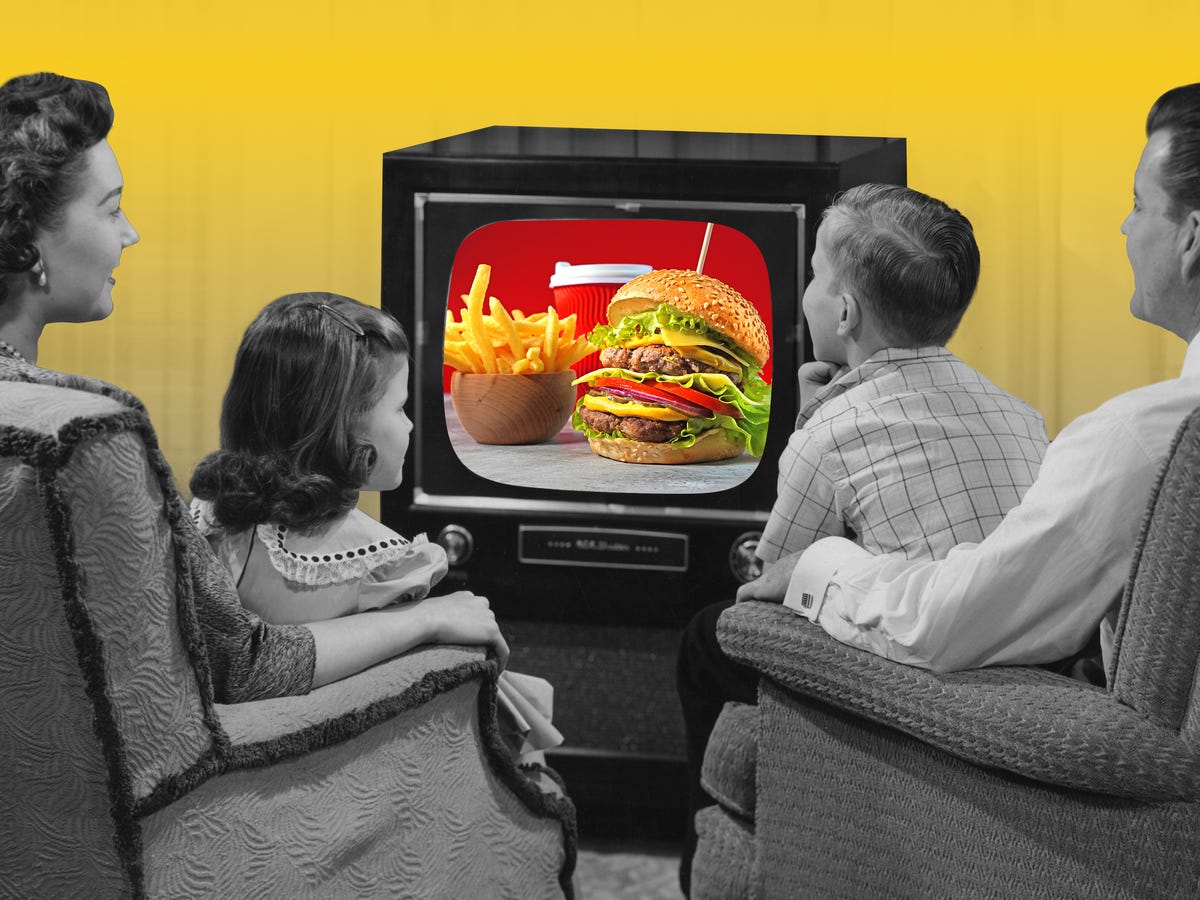
Programs that glorify excess sugar, salt, or fat may nudge viewers toward less balanced choices, prompting calls for more mindful recipe selection.
Cultural Sensitivity
When traditional dishes are misrepresented or stripped of context, communities can feel marginalized. Responsible storytelling seeks guidance from those who know the cuisine best.
Conclusion

From backdrop to protagonist, food on television entertains, educates, and connects. By celebrating variety, encouraging well-being, and respecting origins, the industry can keep culinary content both delicious and meaningful.
Recommendations and Future Research
To maintain a positive influence, producers might consider the following steps:
1. Feature a wide range of culinary traditions to broaden horizons.
2. Balance indulgent dishes with nutritious options.

3. Involve cultural custodians when portraying heritage recipes.
4. Study how on-screen meals affect real-world eating patterns.
Continued exploration of these areas will help television use food as a bridge between entertainment, health, and cross-cultural appreciation.


