A World of Flavors: Exploring Global Culinary Traditions
Introduction
Food is more than sustenance; it is a living record of geography, memory, and shared identity. Across continents, kitchens tell stories of migration, climate, and ingenuity. This brief tour highlights how varied ingredients and techniques create distinctive regional tables, inviting us to taste history in every bite.

Global Cuisine: A Brief Overview
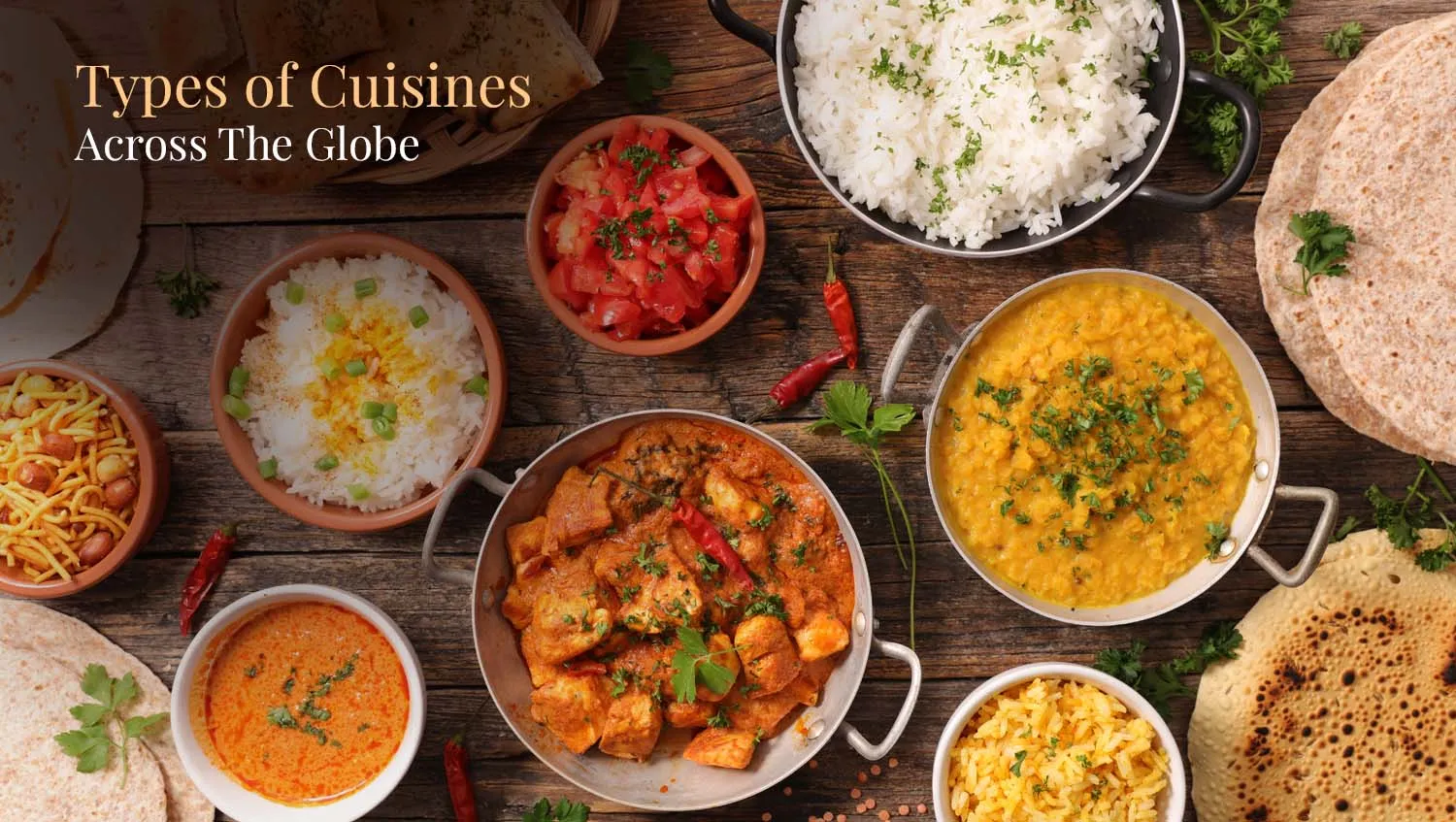
While no map can capture every nuance, cooks often group dishes by the regions that shaped them. Local harvests, weather patterns, and centuries of trade have forged recognizable styles. Below are five broad culinary families whose aromas and seasonings have traveled far beyond their birthplaces.
1. Mediterranean Fare
Sun-drenched coastlines inspire an abundance of vegetables, fragrant herbs, and golden oils. Grilled fish, citrus accents, and modest portions of fermented dairy create meals that feel both light and deeply satisfying.
2. Asian Tables
From steaming bowls of rice to hand-pulled noodles, Asian cooking balances sweet, sour, salty, and spicy in endless combinations. Fermented sauces, fresh ginger, and rapid stir-frying preserve color and nutrients while layering flavor.
3. European Traditions
Centuries-old techniques such as slow braising and butter-rich pastries define much of Europe’s comfort food. Each valley or port adds its own twist—smoked meats in one place, delicate herbs in another—showing how borders shape pots and pans.
4. African Kitchens
Grain-based porridges, bean stews, and vibrant spice rubs reflect the continent’s diverse climates. Grilling over open flames and pounding fresh chiles release aromas that signal celebration and everyday nourishment alike.

5. The Americas
Indigenous corn, squash, and beans merge with later arrivals—citrus, coffee, and countless herbs—to form a canvas of tacos, chowders, and tropical fruit salsas. The result is a continual reinvention of old and new.
The Cultural Significance of Cuisine
Recipes pass along more than flavor; they carry etiquette, symbolism, and memory. Consider three ways food anchors society:
1. Festivals and Celebrations
Holiday tables repeat ancestral menus, turning seasonal produce into edible calendars. Each sweet or savory bite reenacts stories of gratitude, hope, or survival.
2. Social Gatherings
Sharing a loaf or a communal pot breaks formal barriers. The simple act of passing dishes clockwise can transform strangers into temporary family.
3. Health and Wellness
Traditional diets often encode balance: bitter greens aid digestion, fermented sides replenish gut flora, and modest portions reflect a holistic view of well-being refined over generations.
The Role of Cuisine in Globalization
As people and products move faster, so do tastes. This exchange brings excitement but also raises questions about authenticity and continuity.
1. Cultural Exchange
A street vendor may fold foreign spices into hometown dough, creating hybrids that spark curiosity and conversation. Such fusions can build bridges without words.
2. Loss of Traditional Cuisine
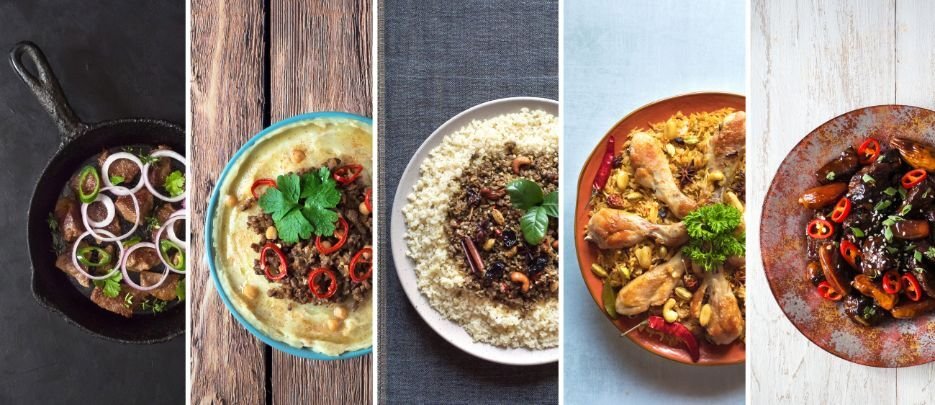
When convenience replaces technique, some heirloom dishes quietly disappear. Recording methods and encouraging home cooks helps keep variety alive for future palates.
Conclusion
Every simmering pot is a passport. By tasting thoughtfully and cooking respectfully, we honor the journeys behind each ingredient and keep collective memory alive one meal at a time.
Recommendations and Future Research
To safeguard this edible heritage, consider the following steps:
1. Record oral histories from home cooks and translate them into accessible recipe cards.
2. Integrate hands-on cooking lessons into school programs so younger generations experience aromas firsthand.
3. Compare traditional eating patterns with modern nutritional science to highlight benefits worth preserving.
4. Partner with local farmers and chefs to create small-scale markets that reward the continued cultivation of heritage crops.
Celebrating diversity at the table reminds us that difference is delicious—and that every shared bite can nourish both body and understanding.