

The Impact of Food Imagery on Consumer Choices: A Broad Overview
Introduction
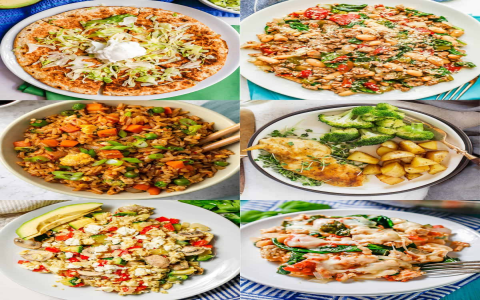
Food imagery—any photograph or graphic that shows a dish—quietly steers what people buy, cook, and crave. A single glance can spark appetite, shape quality expectations, and tip the scale toward one brand over another. This overview examines why pictures of meals matter so much, how they guide decisions across channels, and how marketers can use them responsibly yet effectively.
The Power of Visuals in Food Marketing
Visual Appeal: The First Impression
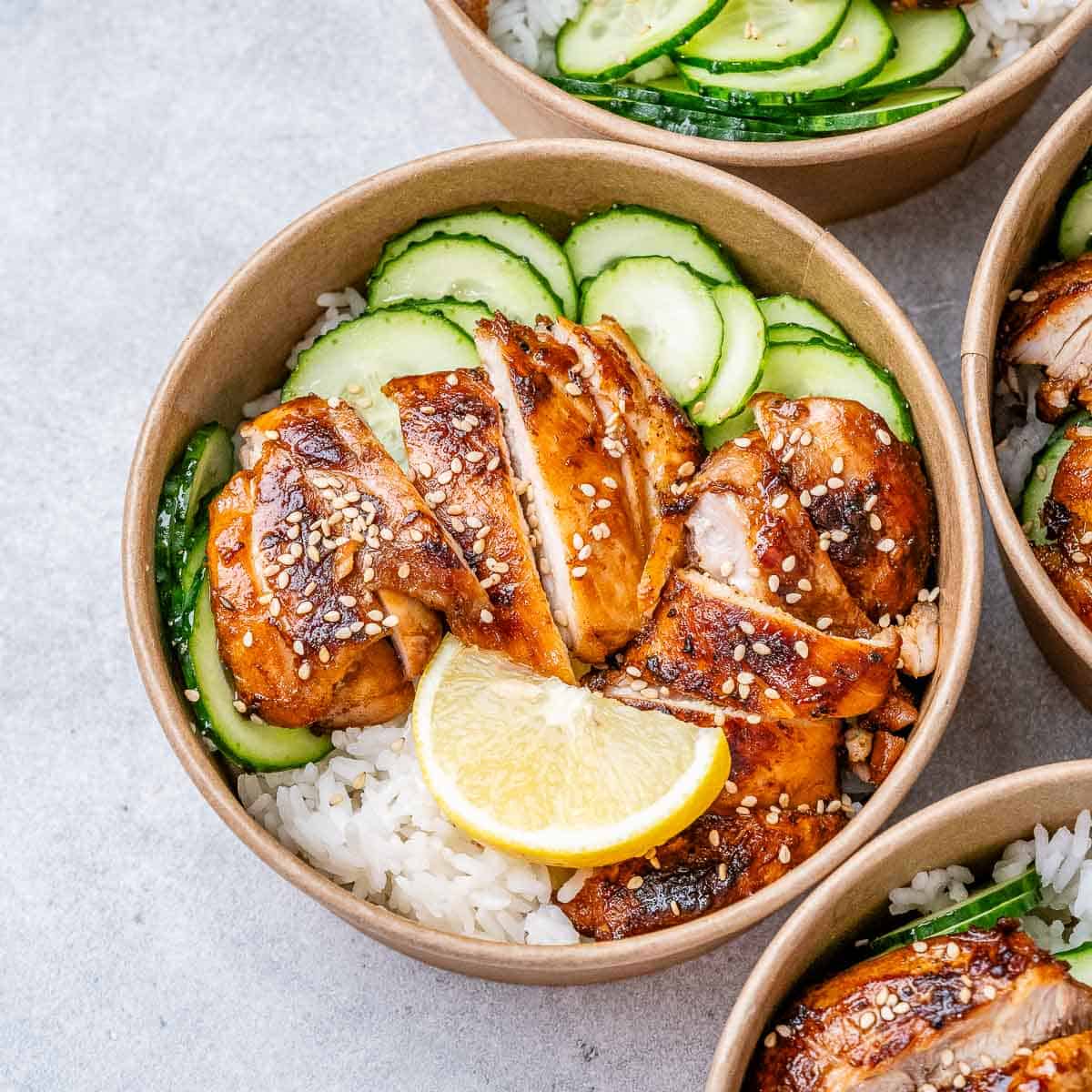
Shoppers often decide within seconds whether a product is worth their attention, and color, lighting, and plating make that difference. Bright produce, visible steam, or a glistening sauce can trigger immediate desire, while dull or cluttered photos are scrolled past without a second thought.
Emotional Connection: The Heart of Consumer Behavior
Images that suggest warmth, celebration, or nostalgia invite viewers to project themselves into the scene. A bowl of soup placed beside a cozy blanket, for instance, can evoke comfort and increase the likelihood of purchase by linking the item to a sought-after feeling.
Perception and Credibility
A clear, natural-looking photo signals freshness and honesty, whereas an overly edited or stock picture may raise doubts about taste or integrity. Consistency between the image and the actual product reinforces trust and reduces disappointment after the package is opened.
The Role of Meal Image in Different Marketing Channels

Online Platforms: The Digital Canvas
Social feeds built for scrolling reward striking visuals. Posts that highlight texture, layers, or vibrant garnishes tend to collect more likes, shares, and saves, quietly guiding followers toward restaurants, recipes, or grocery items featured in the shot.
Print Media: The Timeless Presence
Magazine spreads and in-store posters still carry weight. A well-styled hero image on a page can linger in the reader’s memory long after the issue is closed, nudging future shopping lists or dinner plans.
Branding and Packaging: The Silent Communicators
Even small on-shelf packages compete for attention. A concise photo that shows key ingredients or the final plated dish can communicate flavor profile, portion size, and culinary style without a single extra word.
Leveraging Meal Image for Marketing Success
Consistency in Meal Image Representation
Repeating a recognizable color scheme, angle, or stylistic cue across websites, ads, and labels helps shoppers spot the brand quickly. Cohesion builds familiarity, and familiarity breeds confidence.
Incorporating Storytelling Elements
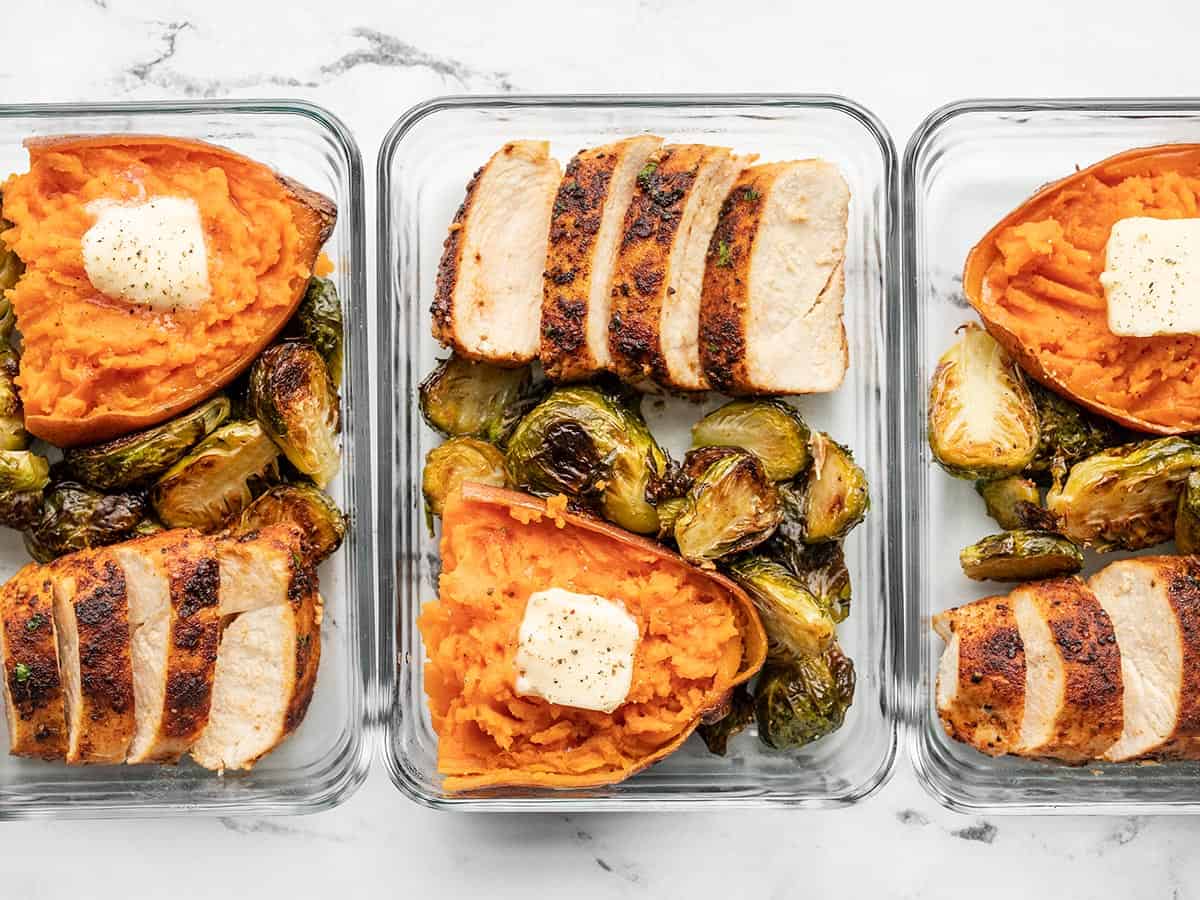
Background props, short captions about origin, or a sequence showing prep steps turn a static photo into a mini-narrative. Stories invite curiosity and give consumers reasons to care beyond basic hunger.
Utilizing Advanced Imaging Techniques
Interactive spins, short videos, or augmented-reality filters that let users zoom, rotate, or virtually “taste” can extend engagement time and strengthen mental links between sight and flavor.
Conclusion
Compelling food imagery remains one of the simplest yet most persuasive tools available to marketers. By balancing beauty with honesty and aligning visuals across every touchpoint, brands can guide choices, build loyalty, and stay memorable in a crowded aisle or feed.
Recommendations and Future Research
To sharpen the impact of food photos, teams can:
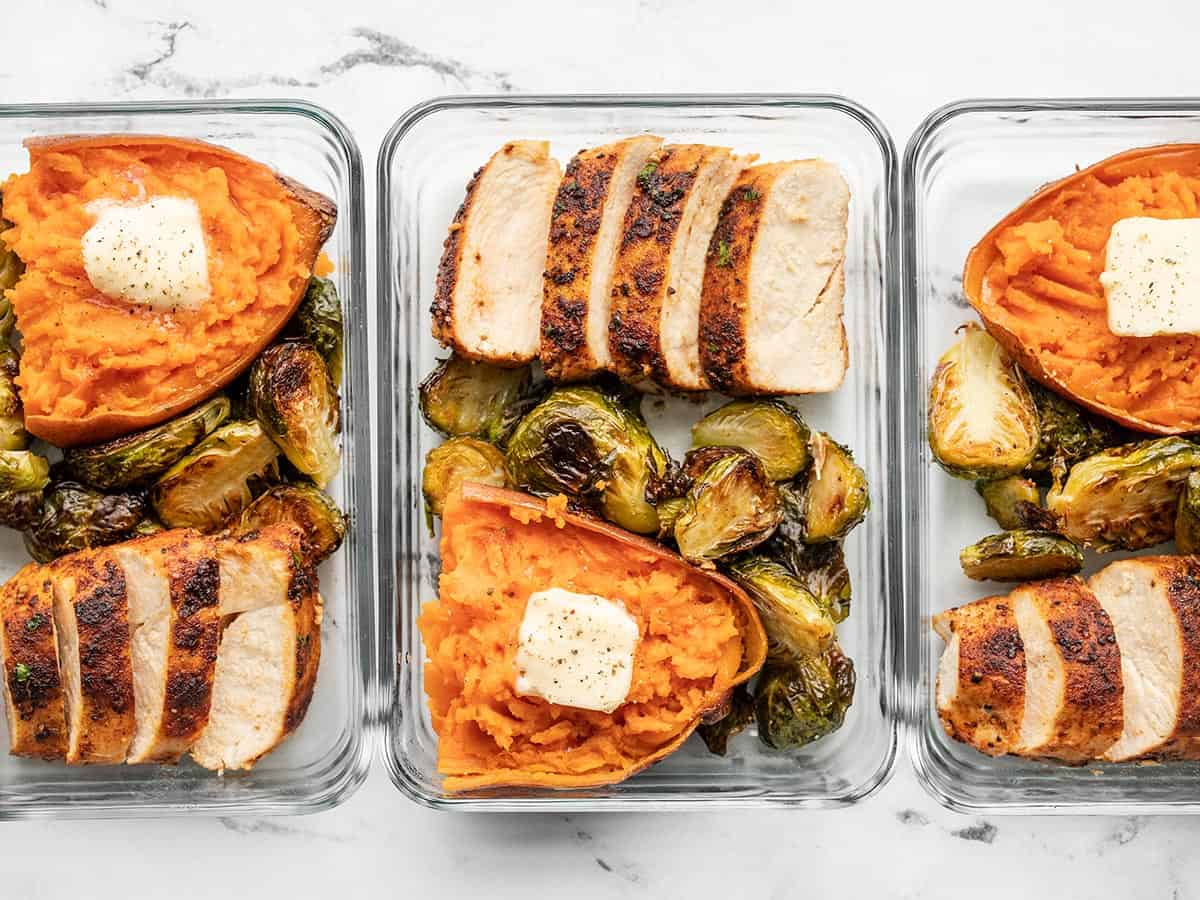
1. Prioritize professional shoots that emphasize natural lighting and realistic portions.
2. Weave concise stories about sourcing, preparation, or culture into captions and packaging.
3. Experiment with interactive formats that allow closer inspection without misrepresenting the product.
4. Test visuals with diverse consumer groups to confirm appeal and appropriateness.
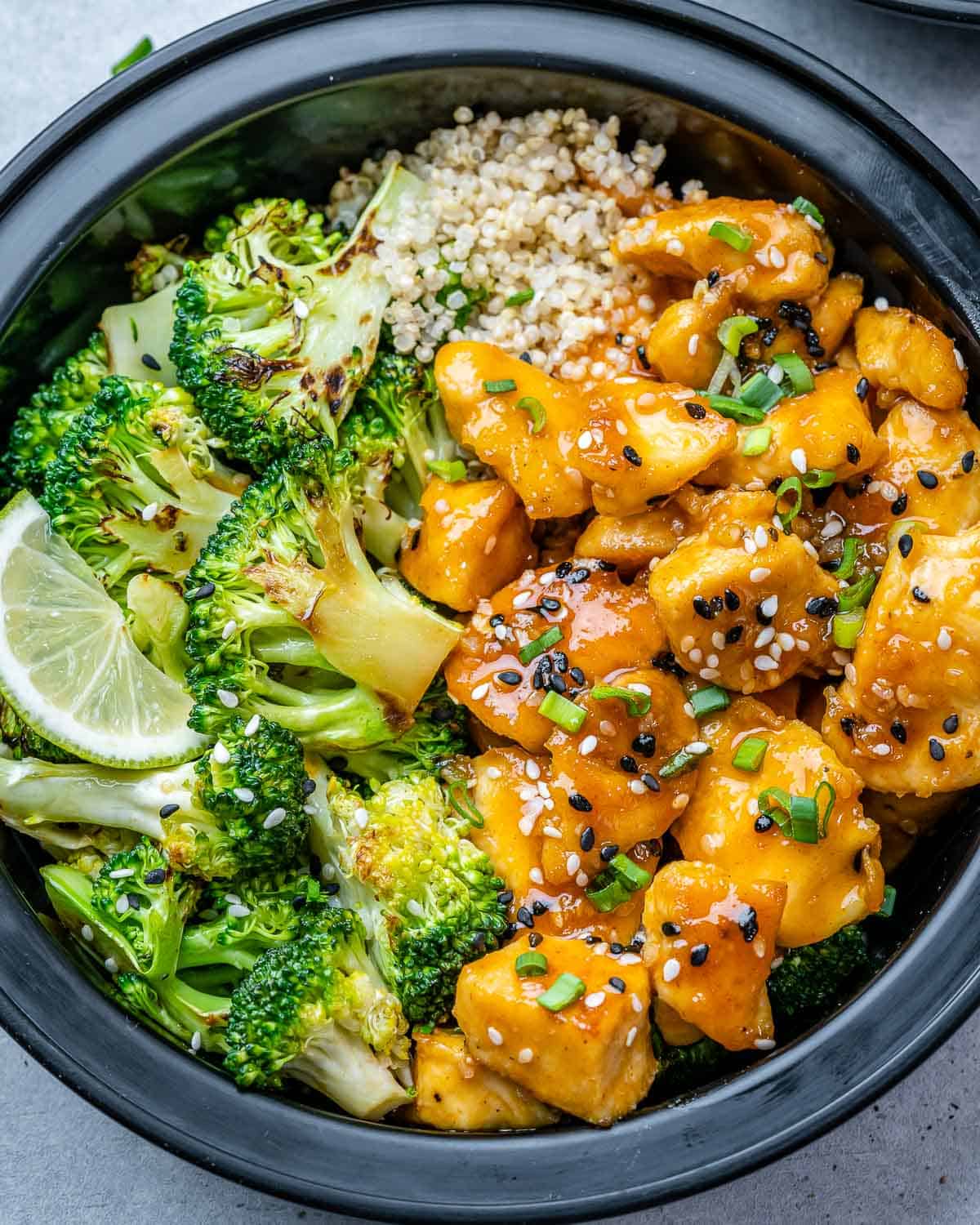
Future studies might explore:
1. How repeated exposure to idealized food images influences long-term eating habits.
2. Variations in visual preferences across age, region, or culinary tradition.
3. Ethical guidelines that prevent waste or misleading edits while still celebrating the dish.


