


The Significance and Impact of Global Culinary Traditions
Introduction
Across continents, shared meals have always carried stories, memories, and identity. This article explores how diverse foodways shape world cuisine, tracing their historical paths, cultural meanings, and nutritional contributions. By looking at heritage, celebration, and health, we gain a clearer picture of why these traditions remain vital on every table.
Historical Context of Traditional Dishes
Historical Roots and Evolution
Ancient trade routes carried spices, grains, and cooking techniques long before modern transport. Coastal communities exchanged coconut-rich rice preparations, while inland cultures perfected layered rice dishes infused with aromatic seasonings. Over centuries, migration, exploration, and exchange refined these recipes, blending local ingredients with foreign touches and creating new favorites that still feel like home to many.
Colonial encounters and merchant voyages further altered kitchens worldwide. Pepper, cinnamon, and cloves sailed across oceans, becoming everyday staples far from their native soils. Such movement turned regional specialties into global comfort foods, proving that a recipe can travel faster and farther than its people.
Cultural Significance of Shared Meals
Cultural Identity and Expression
A dish often speaks the language of its birthplace. Hand-shaped dumplings may signal a family gathering, while slow-simmered stews can mark a seasonal festival. Preparing these foods keeps customs alive, allowing younger generations to taste history without opening a book.
Celebrations worldwide revolve around specific plates. Colorful sweets appear at religious holidays, and fragrant rice dishes honor harvests. Through such rituals, food becomes a living archive, preserving flavors and the feelings attached to them.
Nutritional Value of Heritage Recipes
Health Benefits and Nutritional Richness
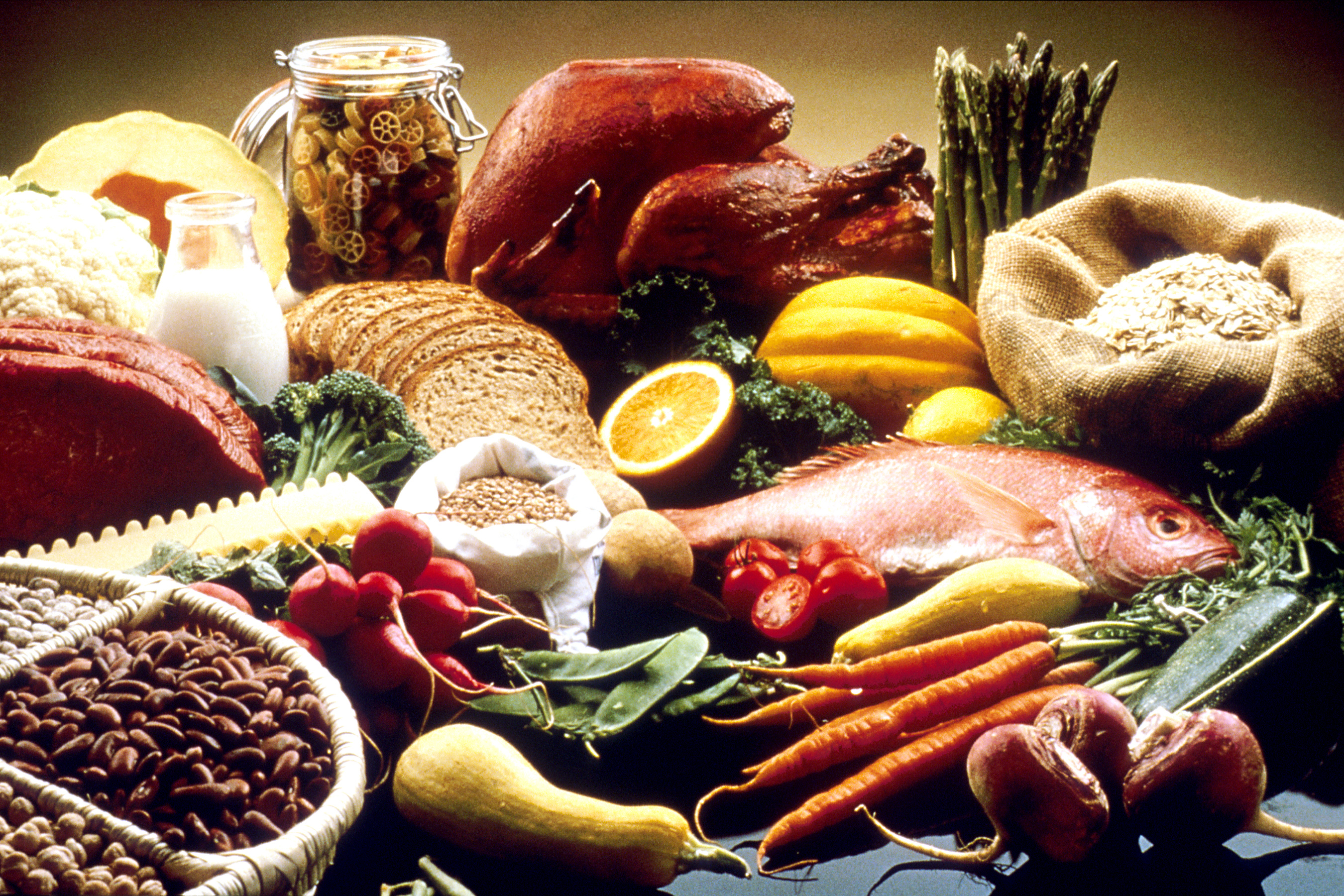
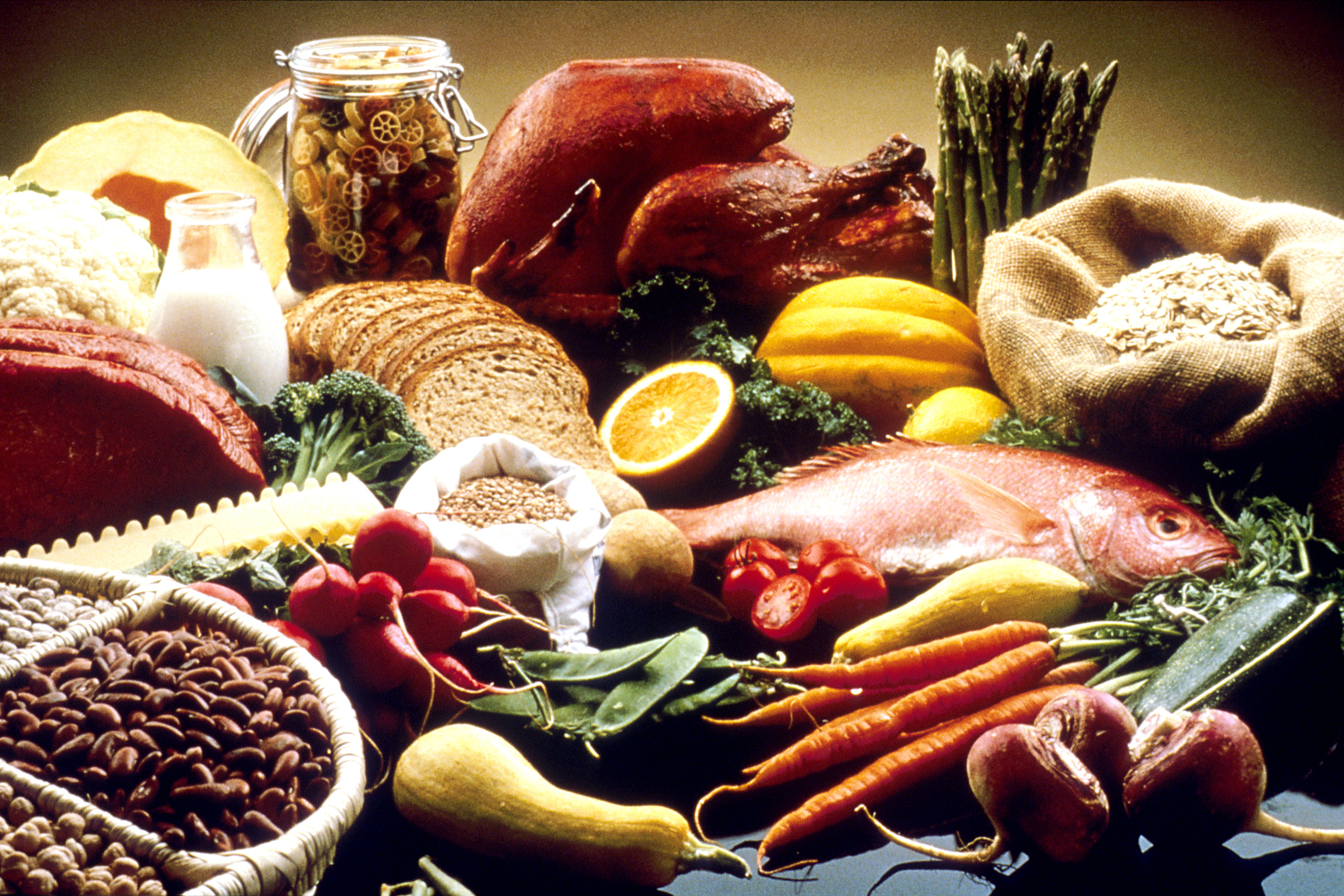
Traditional diets frequently balance vegetables, legumes, grains, and modest portions of animal protein. Fermented condiments add probiotics, while vibrant spices supply antioxidants. Combined, these elements support wellness without sacrificing taste.
Equally important is the emphasis on variety. A single meal might include leafy greens, root vegetables, and whole grains, ensuring a spectrum of vitamins and minerals. This natural diversity reduces the need for synthetic supplements and fosters long-term health.
Global Impact of Culinary Exchange
Spreading Culinary Horizons
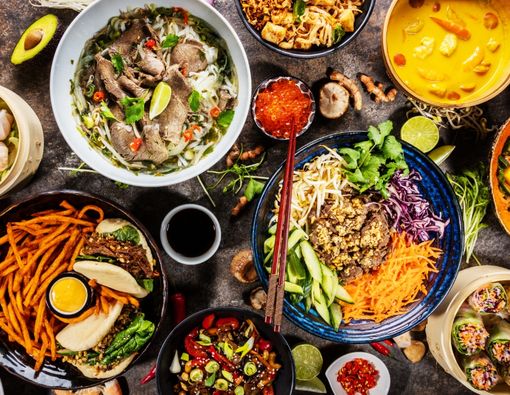
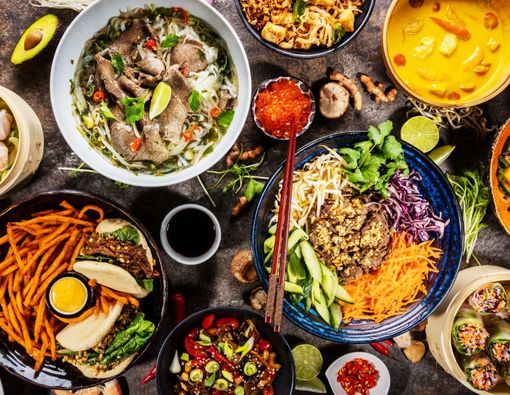
Once-local dishes now appear on big-city menus everywhere. Street-food stalls serve coconut-infused rice beside sizzling noodle plates, and neighborhood cafés ladle out spicy broths fragrant with lemongrass. Diners benefit from this variety, and chefs gain creative inspiration.
Food tourism strengthens the trend. Travelers plan entire itineraries around signature bites, supporting small vendors and family-run eateries. In return, communities earn recognition and resources to maintain their culinary heritage.
Challenges and Conservation Efforts
Preservation of Traditional Dishes
Fast-paced lifestyles and industrial agriculture threaten time-honored techniques. Heirloom grains disappear, and handmade cookware is replaced by mass-produced tools. As elders retire, unrecorded recipes risk fading away.
Responses are emerging. Cooking schools invite village experts to teach regional classes, while grassroots groups publish online archives. By pairing tradition with modern media, these initiatives keep ancestral flavors within reach of future cooks.
Conclusion
Heritage cuisines connect past and present, nourishing both body and spirit. Their stories remind us that every ingredient carries history, every aroma evokes memory, and every shared plate builds community. Safeguarding these treasures ensures tomorrow’s diners can still taste the world’s collective journey.
Recommendations and Future Research
To strengthen appreciation and continuity of traditional foodways, consider the following steps:
1. Integrate regional cooking modules into general culinary curricula.

2. Partner with local growers to sustain indigenous crops and market them fairly.
3. Work with cultural organizations to create open-access digital cookbooks.
Further study could explore:
1. How shifting weather patterns affect ingredient availability.
2. Ways digital platforms can transmit technique-heavy knowledge.

3. The potential of culinary tourism to revitalize rural economies.


