

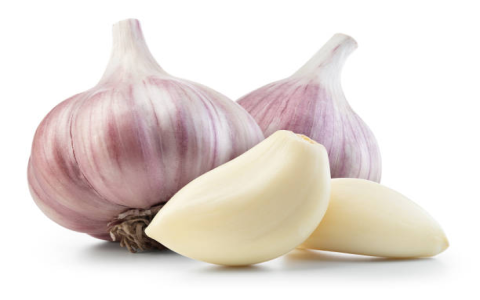
The Image of Garlic: A Culinary and Cultural Icon
Introduction
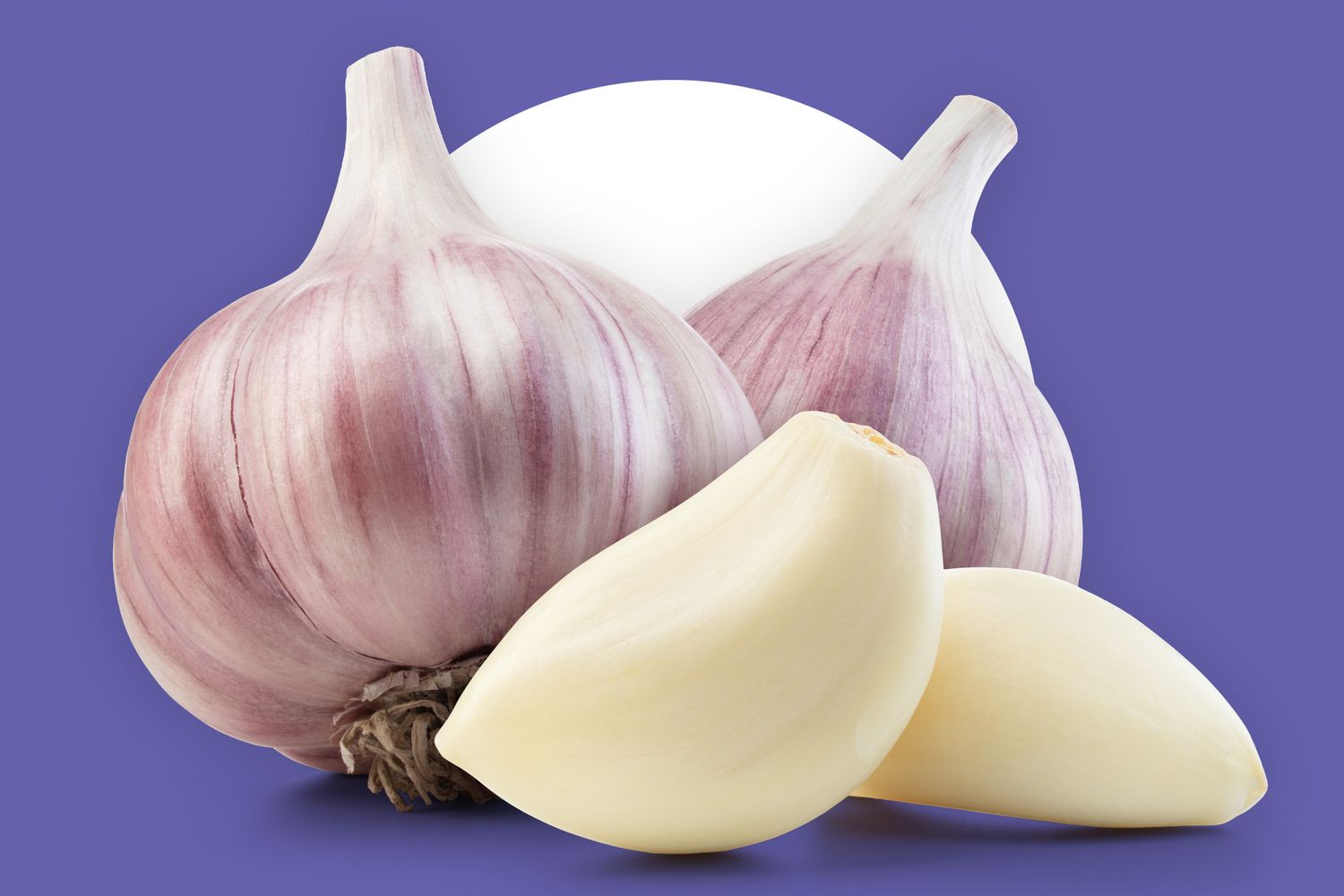
Garlic, a fragrant and versatile bulb, has seasoned dishes across continents for thousands of years. Beyond the pot and pan, it has flavored stories, rituals, and remedies, becoming a quiet companion in both everyday meals and milestone moments. This article traces the many faces of garlic, revealing how a single ingredient can embody taste, tradition, and well-being.
The Culinary Significance of Garlic
Garlic in Different Cultures
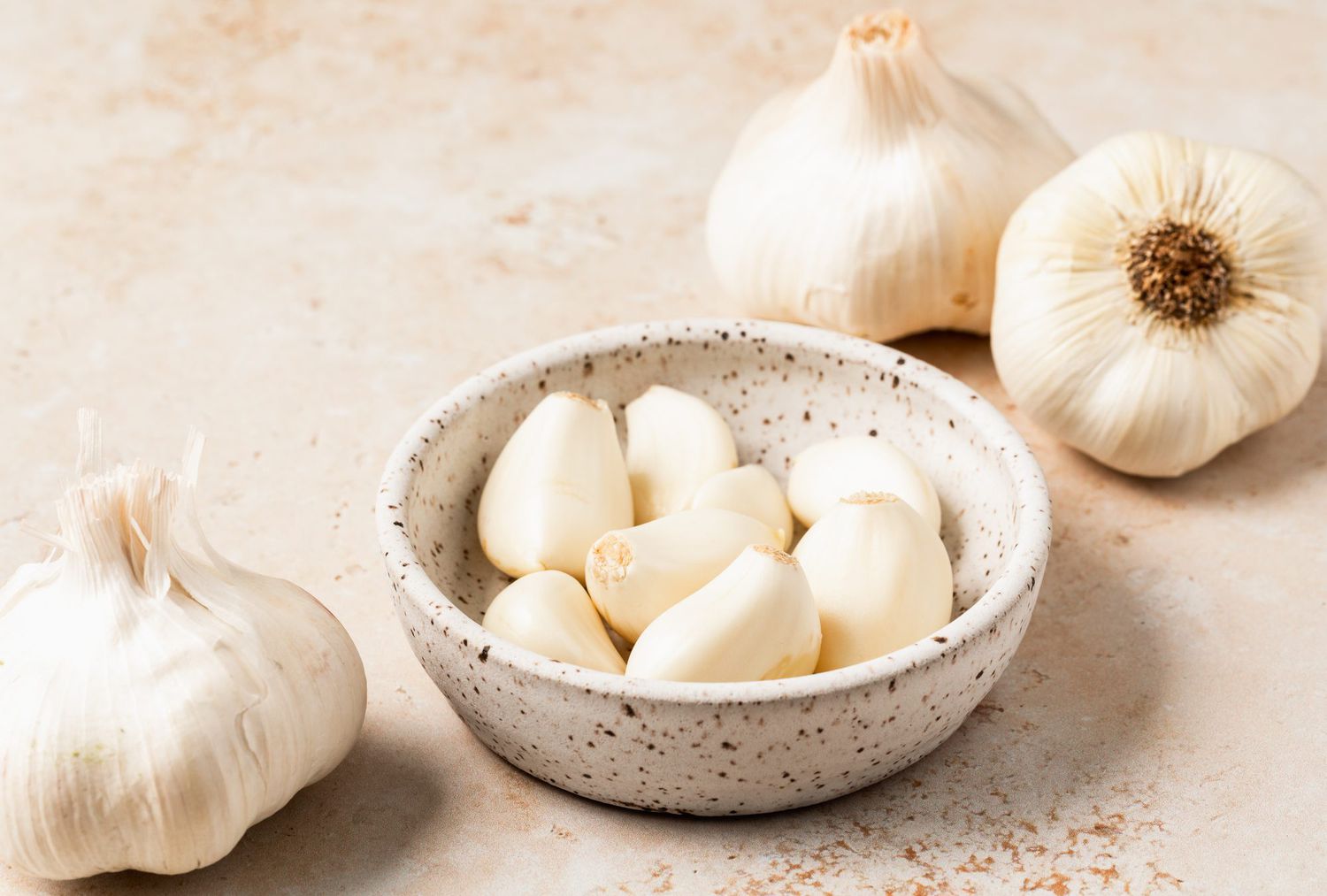
From silky European sauces to sizzling Asian woks, garlic slips effortlessly into countless recipes. Mediterranean kitchens lean on its warmth for slow-simmered stews, while South Asian spice blends balance its bite with aromatic partners. In East Asian cooking, a quick toss in hot oil releases its nutty sweetness, anchoring stir-fries and broths alike.
Health Benefits of Garlic
Ancient healers praised garlic as nature’s tonic, and modern kitchens still celebrate its wellness halo. The bulb’s sulfur-rich compounds appear to calm inflammation, fight oxidative stress, and curb harmful microbes. Regular, modest consumption has been linked to friendlier blood-pressure numbers, steadier cholesterol profiles, and general immune support.
The Cultural and Historical Image of Garlic
Garlic in Ancient Civilizations
Long before refrigerators, garlic was treasured as both food and amulet. Egyptians placed it in tombs as a token of endurance, while Greek athletes munched it before competitions, trusting its punch to boost stamina. Roman legions reportedly carried cloves on long marches, believing the scent alone could fortify the spirit.
Garlic in Folklore and Mythology
Storytellers have long armed heroes with garlic. European tales hung it over doorways to keep night-time troubles at bay, and Mediterranean mothers slipped it under pillows for peaceful dreams. Even ancient myths painted garlic as a boundary guard, standing between the ordinary world and whatever lurked in the shadows.
Garlic in Modern Society
Garlic in Supermarkets and Markets
Today the humble bulb travels globally, arriving fresh, dried, or ready-minced. Shoppers choose snowy braids at street bazaars or neat plastic tubs in fluorescent aisles. Processed foods—mayonnaise, soup bases, snack seasonings—owe their depth to a whisper of garlic that never spoils the story.
Garlic in the Media
Cameras zoom in on sizzling garlic to signal comfort and authenticity. Cooking shows celebrate its crackle in olive oil, while wellness blogs splash headlines about “the stinking rose.” Advertisers borrow its golden hue and nostalgic aroma to sell everything from rustic bread to vitamin supplements.
Conclusion
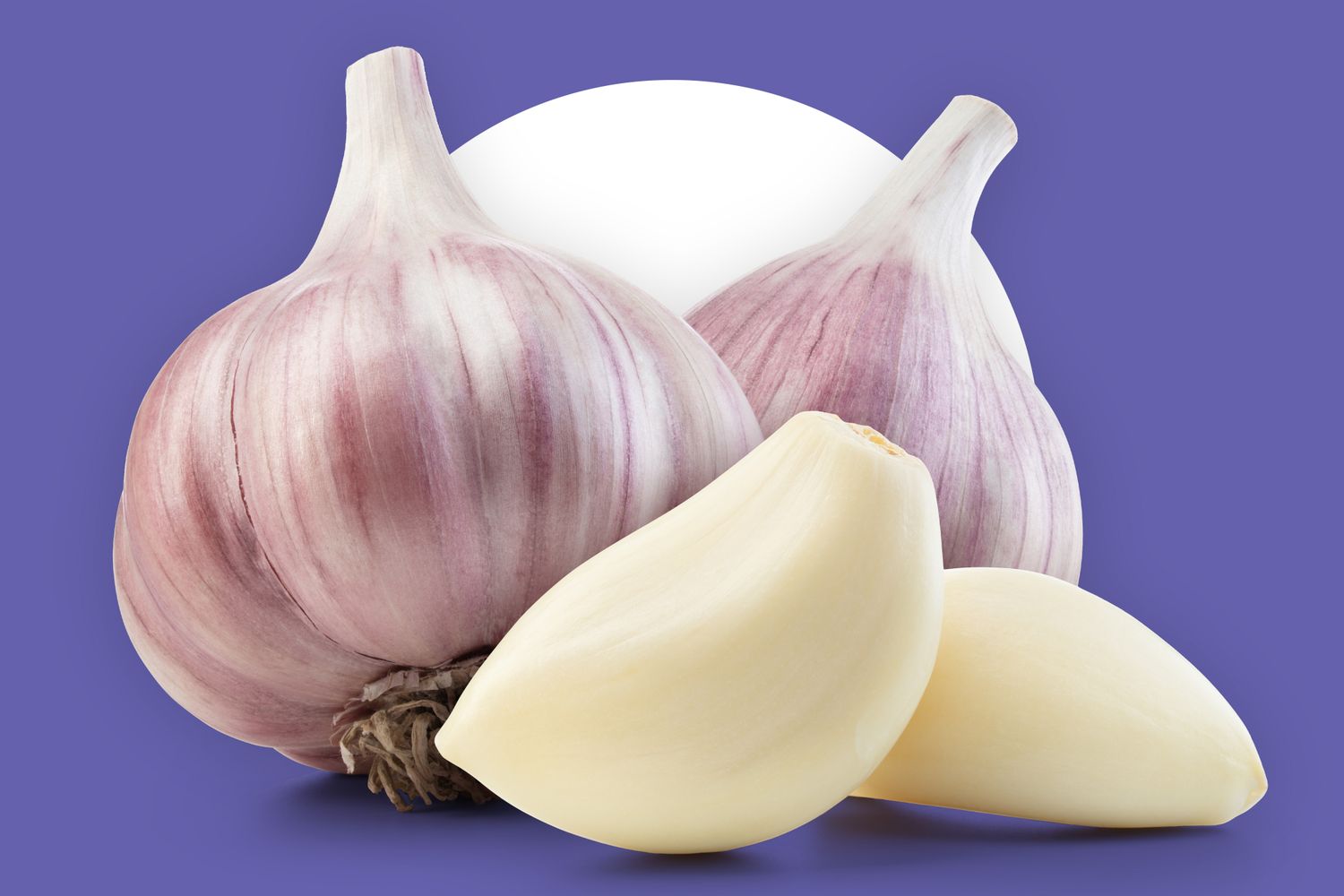
Garlic’s identity is a tapestry woven from flavor, folklore, and pharmacy. Whether tucked into a grandmother’s sauce or spotlighted in a research abstract, it continues to bridge tables and traditions. As palates evolve and science digs deeper, the modest clove stands ready to season the next chapter of human experience.
Recommendations and Future Research
To further explore the image of garlic, future research could focus on the following areas:
– How habitual garlic intake interacts with common chronic conditions.
– Ways traditional garlic remedies can inspire gentle, modern therapies.
– Regional narratives that shape garlic’s symbolism and culinary identity.
By delving deeper into these areas, we can gain a more comprehensive understanding of the image of garlic and its enduring presence in human life and society.

