

Different Types of Food: A Comprehensive Exploration
Introduction
Food is a universal thread that weaves through every culture and daily life. Beyond satisfying hunger, it shapes traditions, social gatherings, and personal well-being. Across continents, ingredients and dishes vary widely, yet each carries distinct flavors, stories, and health properties. This overview highlights major food categories, their cultural roots, and the ways they nourish body and mind.
The Diversity of Food Types
1. Cereals and Grains
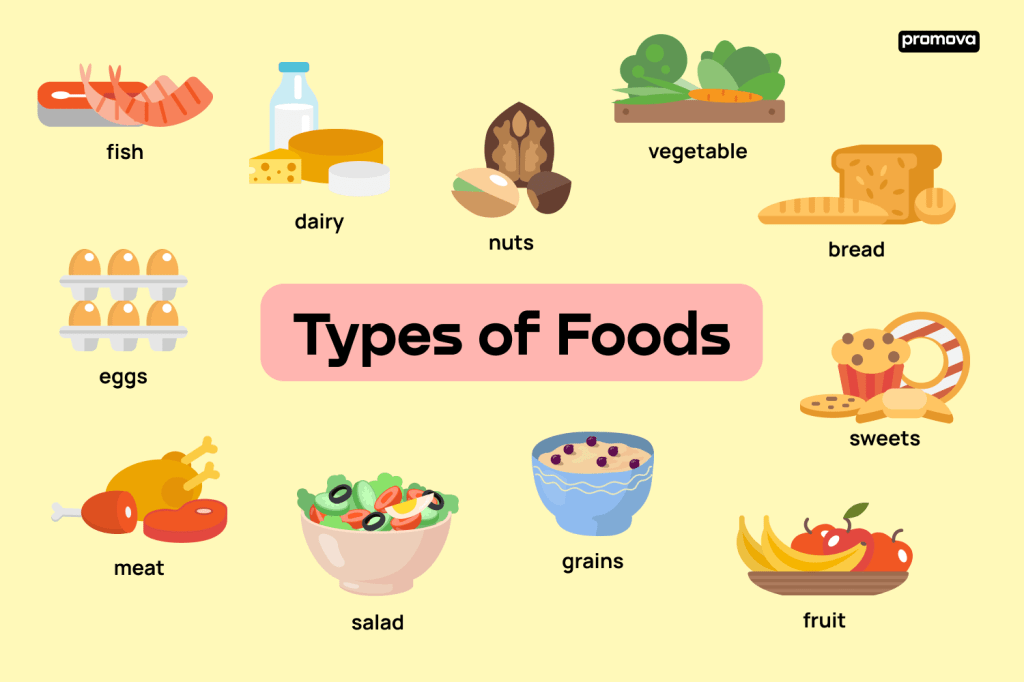
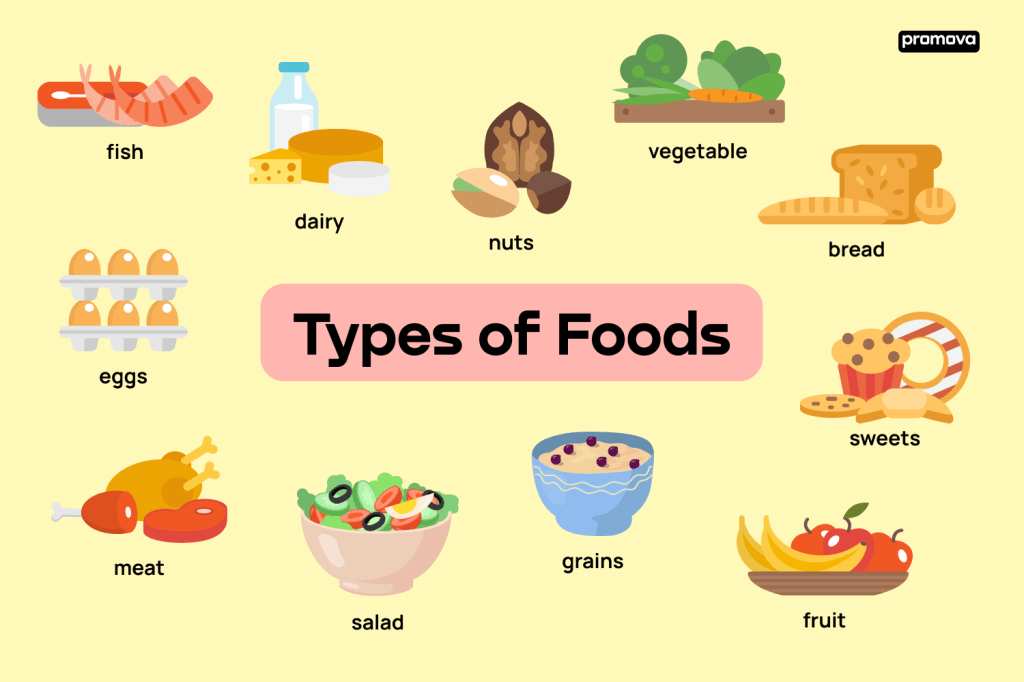
Grains such as wheat, rice, corn, barley, and oats form the backbone of countless diets. Packed with complex carbohydrates, they deliver steady energy and supply fiber, iron, and B vitamins. From morning porridge to evening pasta, these staples appear in countless forms and remain central to balanced eating patterns.
2. Fruits and Vegetables
Bright produce offers an array of vitamins, minerals, and antioxidants that support immunity and overall vitality. Regular intake of colorful fruit and leafy greens is linked to healthier weight, improved digestion, and lower risk of long-term illness.
3. Meat and Poultry
Animal proteins like beef, chicken, and turkey provide complete amino acids needed for muscle upkeep, along with iron and zinc. Choosing lean cuts and varying preparation methods can help integrate these foods into an overall healthful menu.
4. Fish and Seafood
Seafood delivers heart-friendly fats, quality protein, and micronutrients such as iodine and selenium. Including fish on the menu a couple of times each week is an easy way to diversify protein sources while supporting cardiovascular and brain health.
5. Dairy Products
Milk, yogurt, and cheese contribute calcium, vitamin D, and protein important for bone strength. Fermented options like kefir also add beneficial bacteria that may aid gut balance, while plant-based alternatives serve those who avoid lactose.
Cultural Significance of Different Types of Food
1. Italian Cuisine
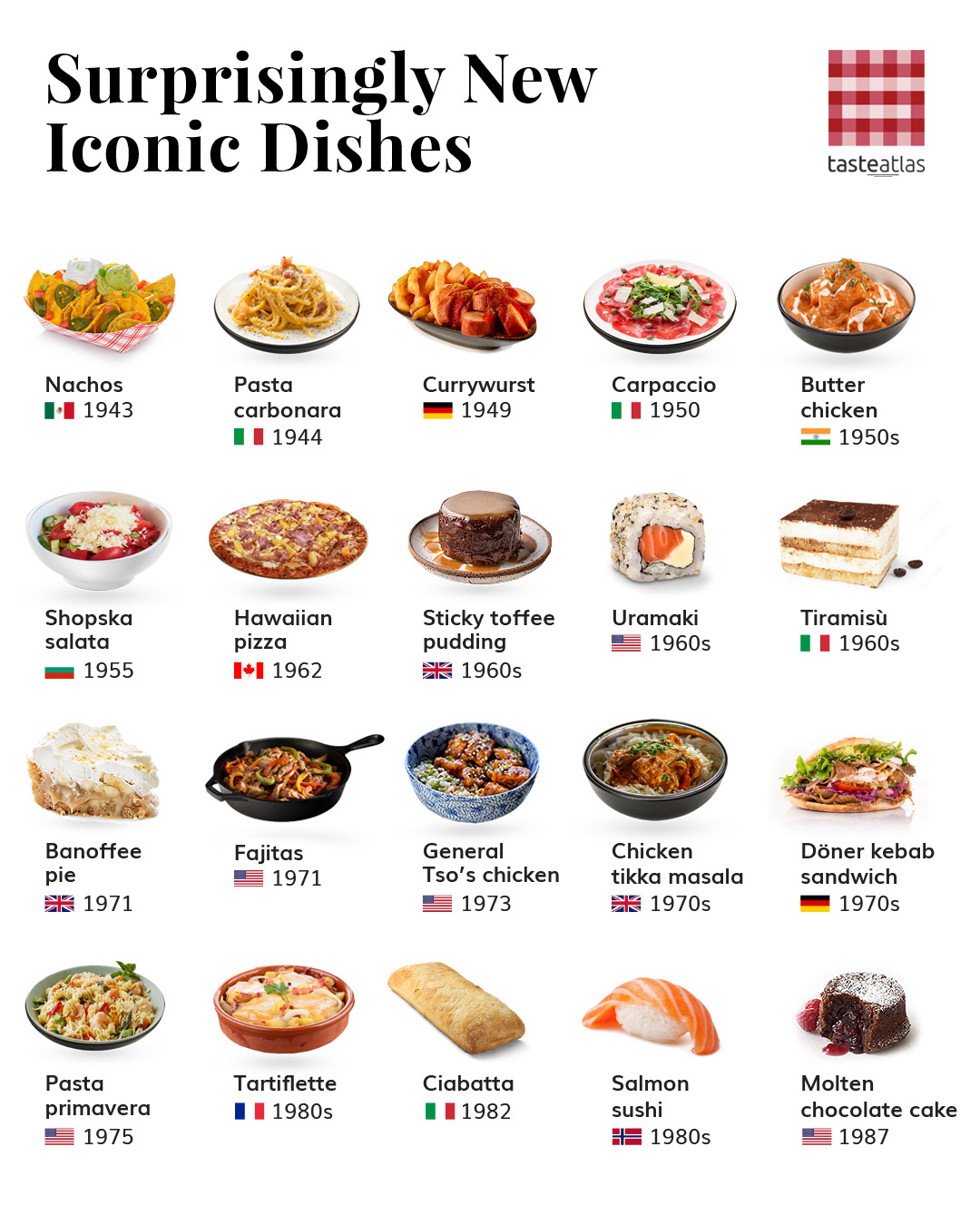
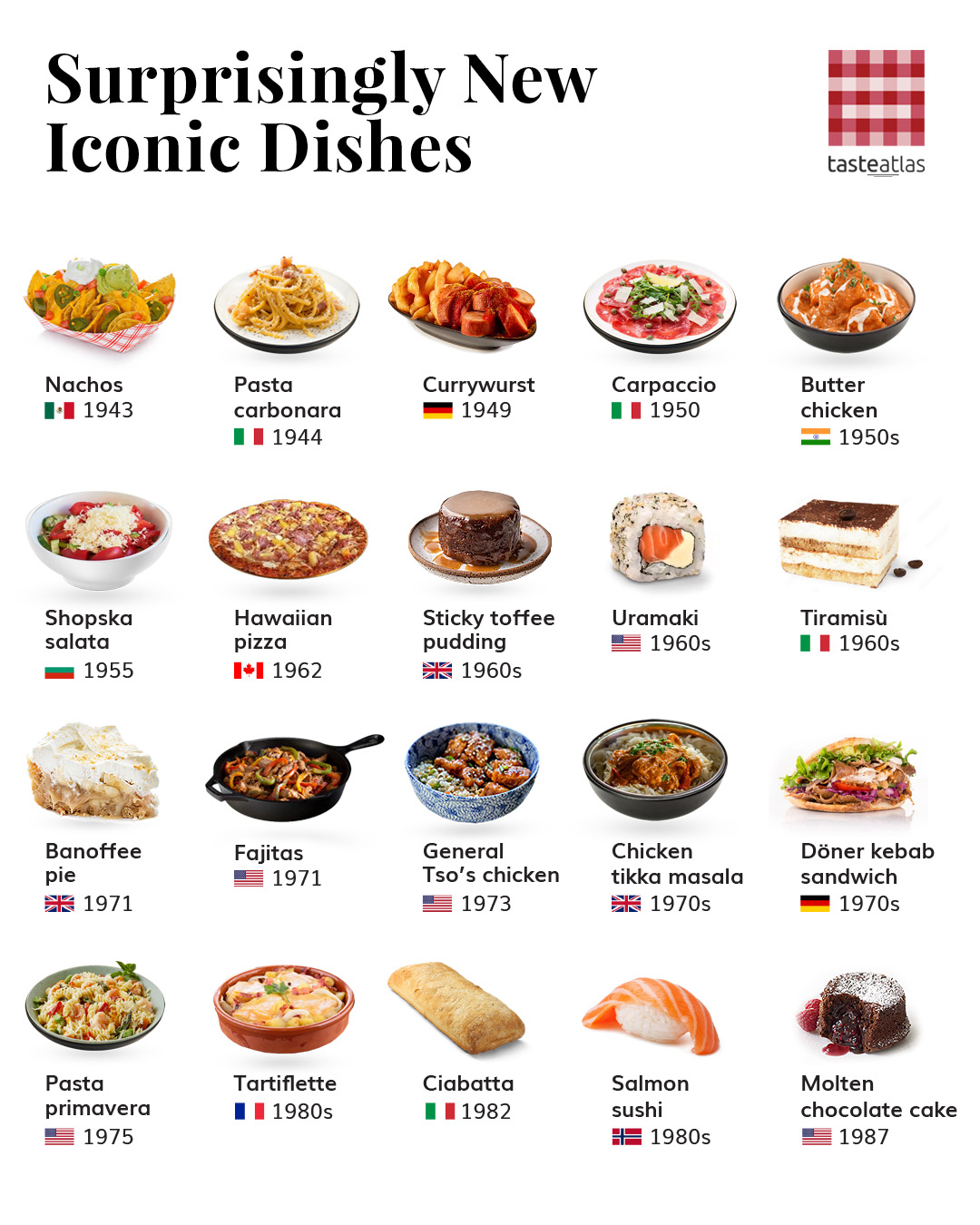
Italy’s culinary identity rests on sun-ripened tomatoes, fragrant basil, and golden olive oil. Classics such as pasta, wood-fired pizza, and creamy risotto celebrate regional produce and a time-honored passion for simple, quality ingredients.
2. Japanese Cuisine
Japanese dishes prize seasonal freshness, subtle seasoning, and artful presentation. Meals built around sushi, miso soup, or slurp-worthy noodles reflect a deep respect for nature’s cycles and mindful eating.
3. Indian Cuisine
India’s vast spice pantry turns lentils, vegetables, and grains into aromatic curries, fluffy biryanis, and tandoor-baked breads. Each region adds its own blend, telling stories of trade routes, climate, and celebration through layered flavors.
Nutritional Value and Health Benefits
1. Cereals and Grains
Whole-grain choices supply slow-release energy and fiber that steady blood sugar and support digestion. Regular consumption is tied to reduced risk of heart disease and healthier body weight.
2. Fruits and Vegetables
Antioxidant-rich produce combats cellular damage and inflammation, while natural fiber fosters satiety and gut health. A plate filled with varied colors generally signals a wider range of protective nutrients.
3. Meat and Poultry
Lean meats deliver heme iron, which the body absorbs easily, plus vitamin B12 vital for nerves and blood cells. Balancing portion size with plenty of plant foods keeps the overall meal pattern in check.
4. Fish and Seafood
Oily varieties offer long-chain omega-3 fats that calm inflammation and support cognitive function. Shellfish add copper and zinc, micronutrients often low in modern diets.
5. Dairy Products
Calcium-fortified dairy or fortified plant substitutes help maintain bone density across the lifespan. Yogurt’s live cultures may also encourage a thriving intestinal microbiome.
Conclusion
From fragrant spice markets to seaside grills, the world’s edible diversity invites both nourishment and connection. Recognizing the strengths of each food group—and honoring the cultural wisdom behind iconic dishes—empowers eaters to craft enjoyable, balanced menus. Moderation, variety, and mindful sourcing remain timeless guides on the shared journey toward vibrant health.
Recommendations
1. Rotate grains, proteins, and produce throughout the week to cover a broad nutrient spectrum.
2. Prioritize minimally processed choices and experiment with herbs, spices, and citrus to reduce added salt or sugar.
3. Learn basic nutrition facts, then tailor selections to personal energy needs, ethical views, and taste preferences.
4. Celebrate global flavors at home: try a new recipe, visit a neighborhood market, or share a traditional dish with friends to keep culinary curiosity alive.

