

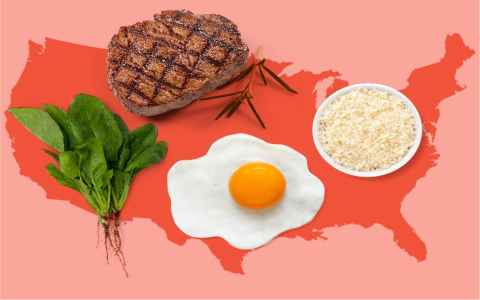
The Art and Science of Dinner Food Images: A Visual Exploration
Introduction
Dinner food images have quietly become a central part of how we discover, cook, and enjoy meals. From glossy magazines to endless social feeds, these pictures shape cravings, guide grocery lists, and even decide where we book a table. This article looks at why those images work, how they steer trends, and what they do to our everyday eating habits.
The Power of Visual Perception
The Impact of Visual Perception on Food Preferences
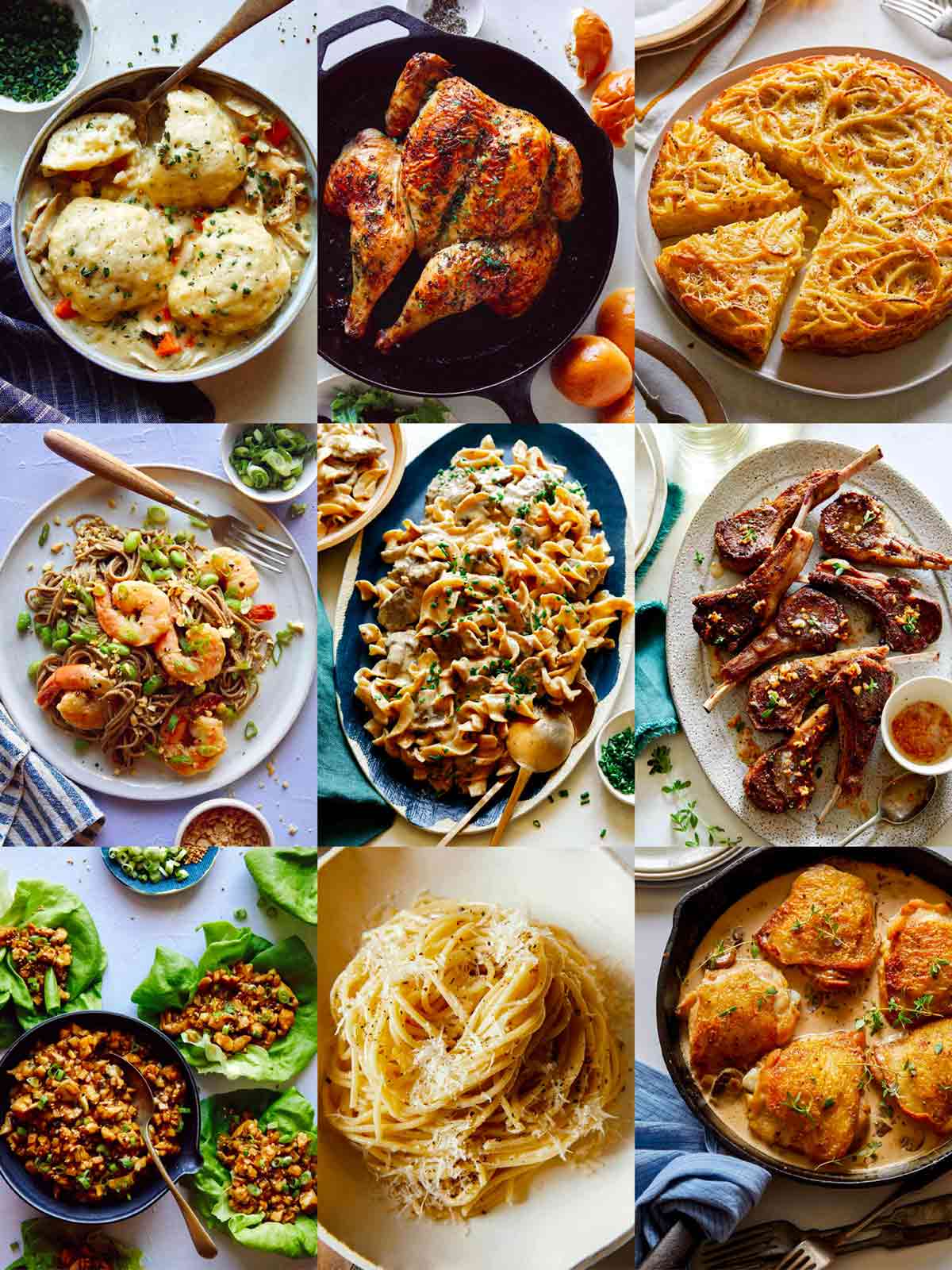
Before a single bite, our brain has already judged a dish by sight. Bright colors, gentle steam, and balanced plating trigger anticipation, often making flavors seem more vivid than they are. A dim, cluttered shot, on the other hand, can kill appetite in seconds. In short, the eyes lead, and the palate follows.
For instance, a warm, well-lit photograph of a herbed roast can spark immediate hunger, while the same dish shot under harsh neon may look uninviting. This split-second reaction shows how powerful visual cues are in guiding what we choose to eat.
The Role of Dinner Food Images in Culinary Trends
Shaping Culinary Trends Through Visual Representation
A single striking image can launch a thousand home kitchens into the same recipe overnight. Platforms built for sharing photos have turned dishes like grain bowls or whipped coffee into global moments. When a meal photographs beautifully, it travels faster than any written recipe ever could.
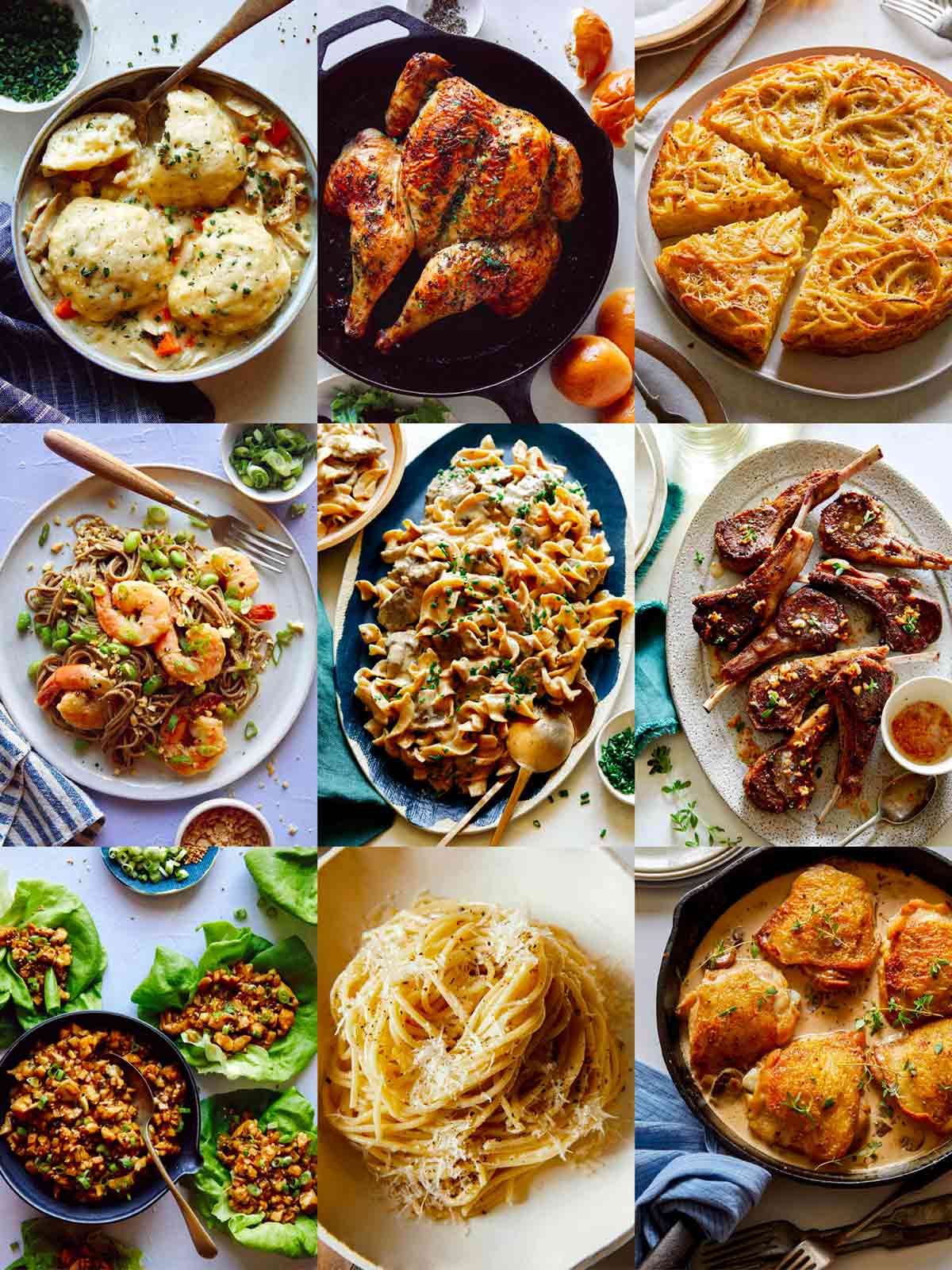
As home cooks recreate what they see, ingredients once considered niche find their way onto everyday shopping lists. In this way, appealing pictures quietly rewrite what “ordinary dinner” looks like around the world.
The Influence of Dinner Food Images on Dining Habits
Menus filled with colorful photos nudge diners toward certain choices, often outweighing written descriptions. A generous shot of molten chocolate cake can outsell a lighter fruit option even when patrons arrived intending to eat modestly. Visual suggestions also set expectations for portion size, sometimes encouraging larger orders or extra sides.
At home, scrolling past endless platters can inspire second helpings or late-night snacks, simply because the image lingers in the mind longer than the feeling of fullness.
The Artistic Aspect of Dinner Food Images

The Art of Food Photography
Creating a mouth-watering frame is part craft, part intuition. Photographers balance daylight or studio lamps, choose linens that complement sauce tones, and tilt the plate just enough to reveal layers. Small details— a sprig of herb lifted by tweezers, a brush of oil for shine—turn ordinary meals into visual stories.
Modern tools allow subtle tweaks, yet the goal remains the same: translate aroma, taste, and warmth into a single still image that feels alive.
The Science Behind Dinner Food Images
Color, Texture, and Taste: The Triad of Visual Appeal
Reds and oranges hint at sweetness and comfort, while deep greens suggest freshness or slight bitterness. A glossy glaze signals moisture and richness; dry edges can imply crunch. By arranging these cues deliberately, photographers tap into hard-wired associations, guiding the viewer toward expected flavors and emotions.
Understanding this interplay helps creators build shots that not only look beautiful but also prepare the brain for the sensory experience ahead.
Conclusion
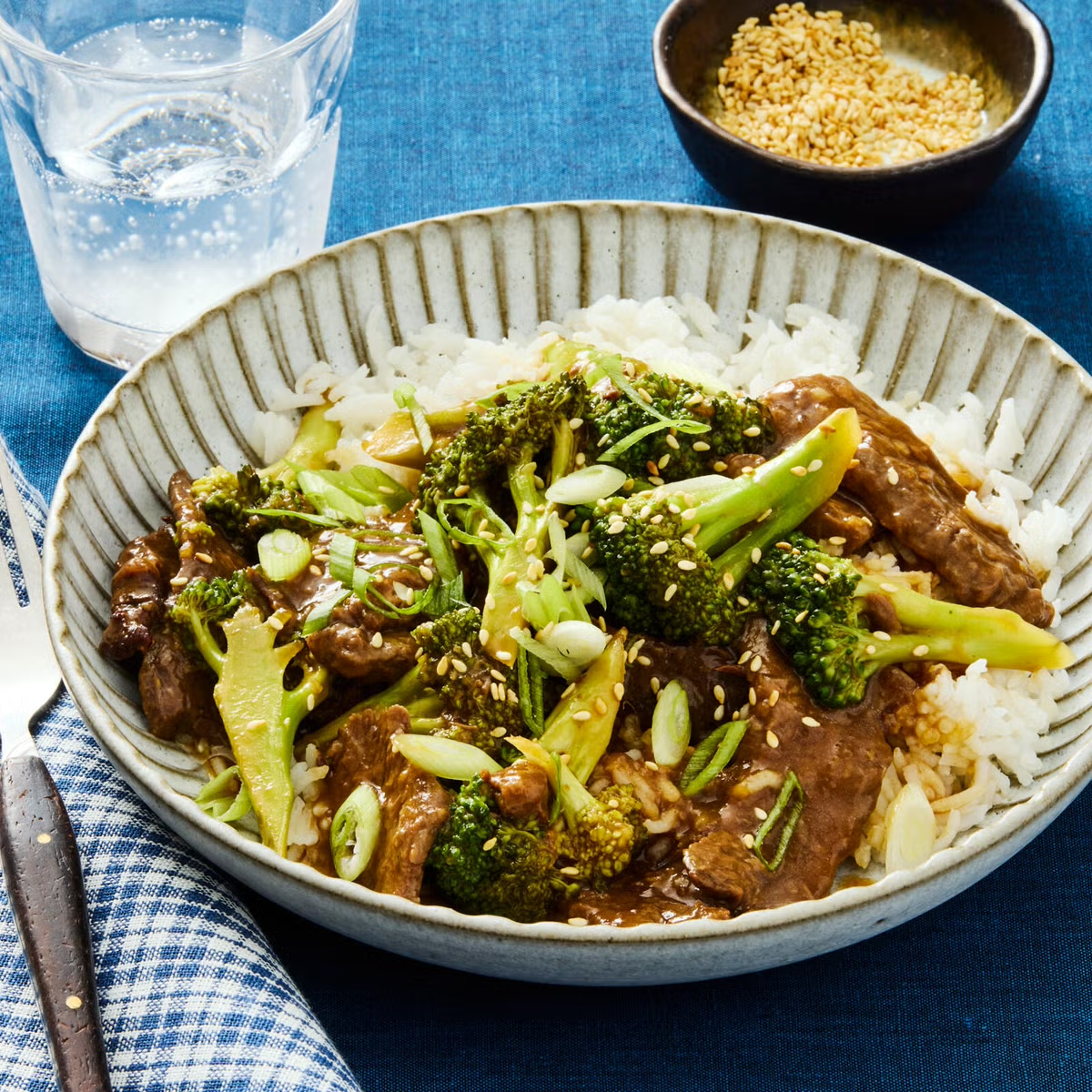
Dinner food images are far more than decoration; they steer cravings, shape trends, and frame our sense of what a satisfying meal should be. As cameras improve and sharing grows, their silent influence on everyday eating will only deepen.
Recommendations and Future Research
To further explore the impact of dinner food images, future research could focus on the following areas:
1. How repeated exposure to indulgent food photos affects long-term eating patterns and overall wellness.
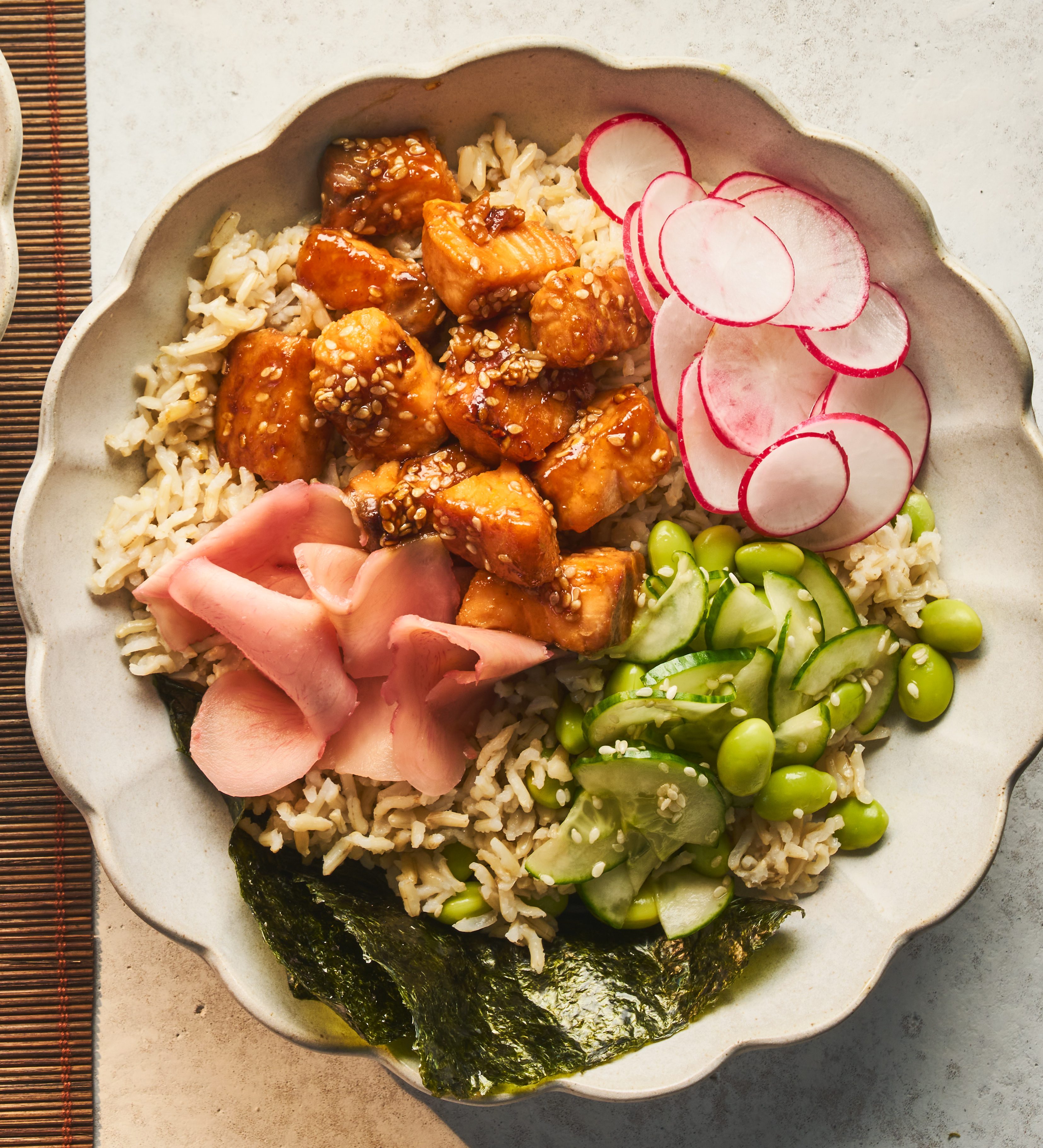
2. Ways to use appealing imagery to encourage balanced plates and mindful portions rather than excess.
3. Emerging tools—such as augmented reality menus or interactive lighting—that might merge visual appeal with real-time nutrition guidance.
By studying these questions, we can better understand the quiet yet persistent dialogue between the images we consume and the meals we ultimately choose.


