

The Art and Joy of Cooking Simple Dishes
Introduction
Preparing uncomplicated meals has always been at the heart of kitchens across the globe. It crosses every culture, delivering warmth, nourishment, and a feeling of togetherness. In a time when ready-made snacks and hurried routines dominate, returning to the stove for a straightforward dish feels more meaningful than ever. This piece explores why simple cooking matters, how it supports well-being, and the cultural and social threads it weaves.
The Significance of Cooking Simple Dishes
Nutritional Value
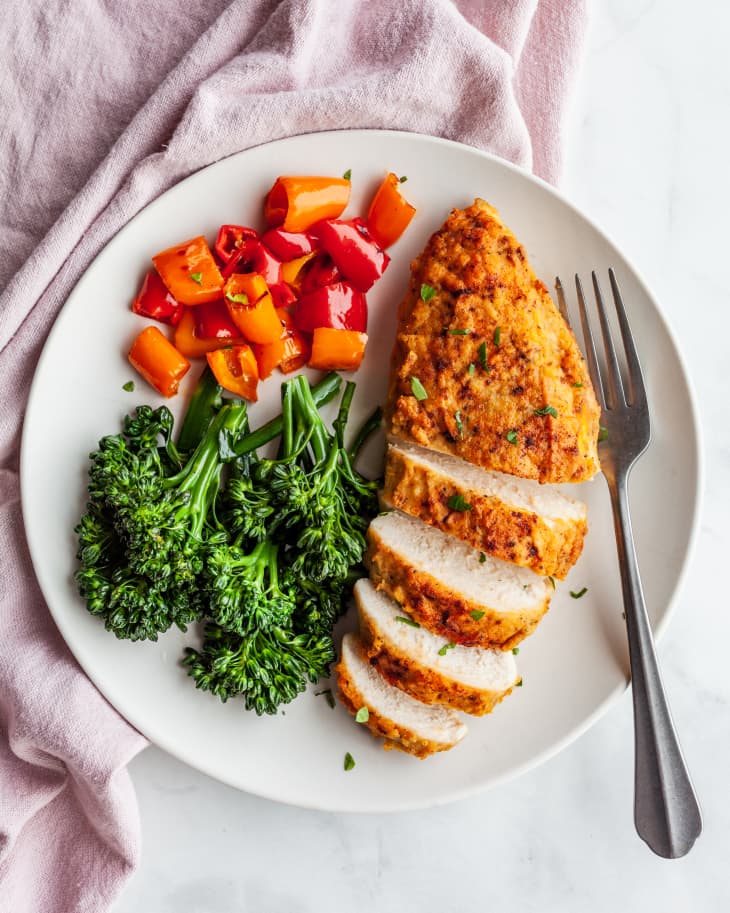
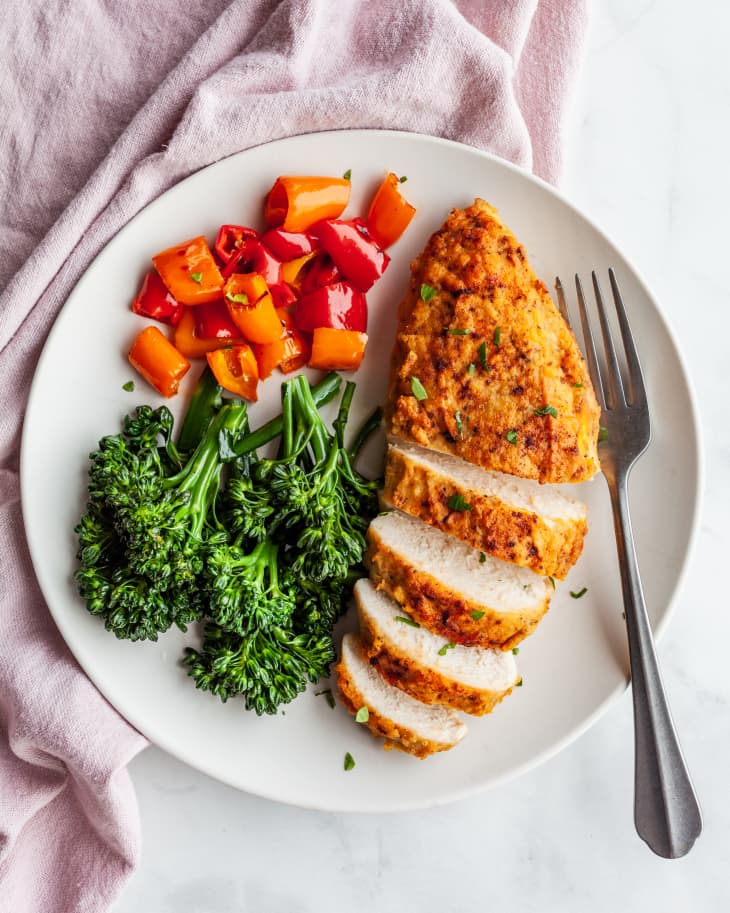
Meals built from fresh, whole ingredients usually supply a wide range of vitamins and minerals. When people cook for themselves, they decide what goes into each recipe, making it easier to limit excess salt, sugar, or fat and to emphasize vegetables, grains, and legumes.
Health Benefits
Regular home cooking is linked with healthier body weight, steadier blood-pressure readings, and a lower chance of diet-related illness. Plates prepared in a familiar kitchen tend to carry more fiber and fewer empty calories than take-out alternatives, supporting long-term wellness.
Cultural Connection
A humble pot of stew or a loaf of everyday bread can carry stories from one generation to the next. Stirring, seasoning, and tasting become acts of remembrance, keeping heritage alive at the dining table.
The Art of Cooking Simple Dishes
Basic Ingredients
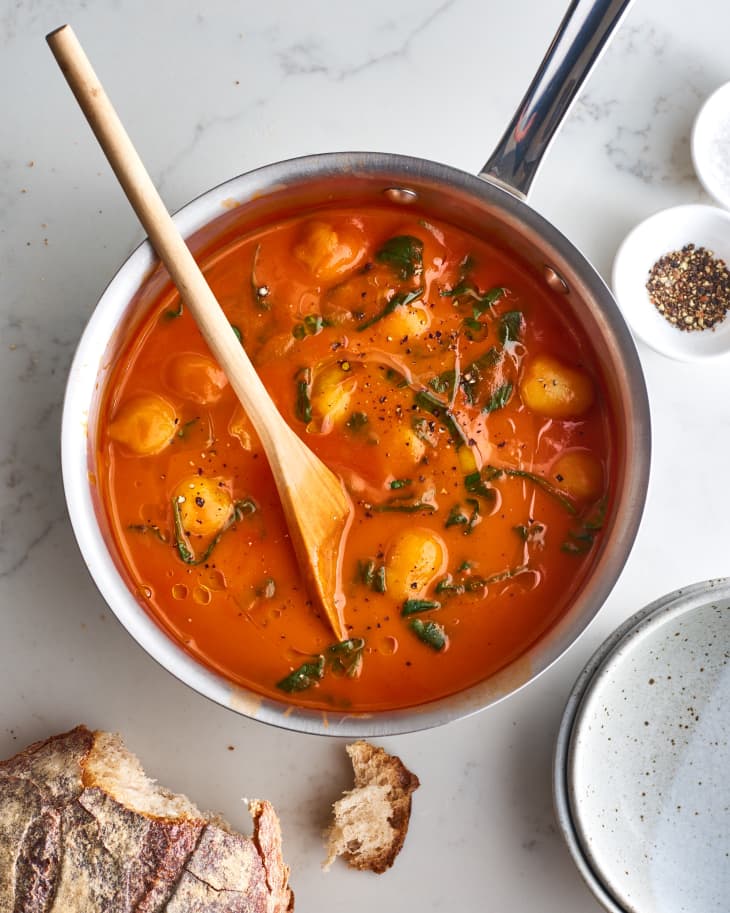
Pantry staples—rice, beans, seasonal produce, a handful of spices—offer endless possibilities. A single carrot can be roasted, puréed, or shredded into a salad; a cup of lentils can turn into soup, patties, or a warm side dish.
Cooking Techniques
No fancy equipment is required. A sharp knife, a sturdy pot, and a hot pan are enough for boiling, steaming, sautéing, or baking. These gentle methods coax natural flavors forward without drowning food in heavy sauces.
Health and Wellness Through Cooking Simple Dishes
Mindful Eating
When you wash, chop, and season ingredients yourself, you notice colors, textures, and aromas more closely. This awareness often leads to slower, more intentional meals, which can lift mood and aid digestion.
Stress Reduction
The rhythmic motion of stirring a sauce or kneading dough can feel almost meditative. Setting aside even twenty minutes to cook can create a pocket of calm in a busy day.
The Social Aspect of Cooking Simple Dishes
Family and Community Bonds
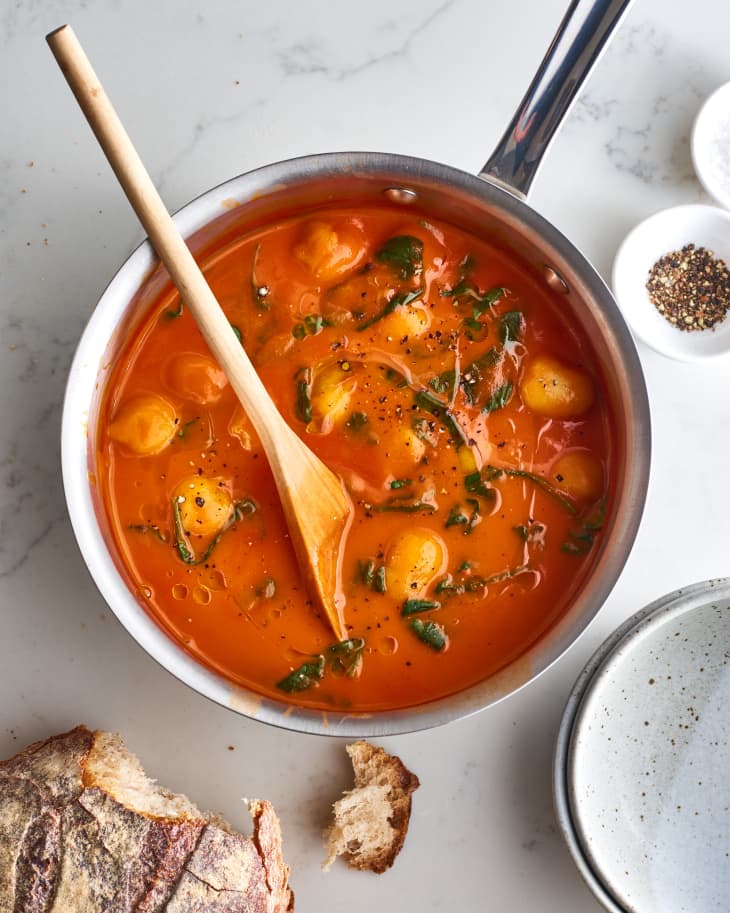
A pot of soup placed at the center of the table invites conversation. Neighbors who swap garden tomatoes or grandparents who teach a favorite recipe strengthen the invisible threads that hold communities together.
Cultural Exchange
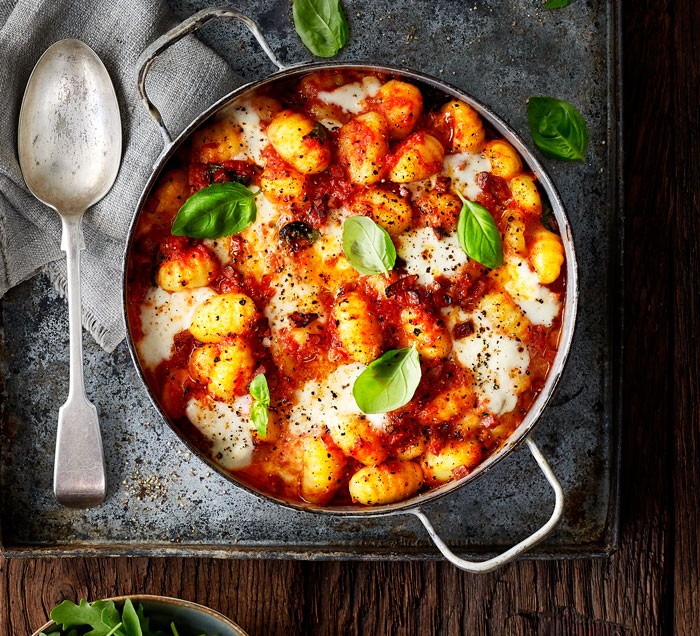
Sharing a basic dish from one’s background opens a door to dialogue. A simple flatbread can spark questions about harvest festivals; a bowl of noodles can lead to stories of distant markets and childhood memories.
Conclusion
Cooking without fuss remains a powerful act: it nurtures the body, safeguards tradition, and gathers people around a common flame. By leaning on modest ingredients and uncomplicated methods, anyone can turn everyday nourishment into a source of lasting health and connection.
Recommendations and Future Research
To keep this practice alive, a few steps can help:
1. Schools and local centers can offer short classes that teach knife skills, seasoning basics, and balanced meal planning.
2. Health advocates can highlight home cooking as an enjoyable, sustainable habit rather than a chore.
3. Storytellers—bloggers, filmmakers, podcasters—can celebrate everyday kitchens and the diverse hands that feed them.
Questions worth exploring further include:

1. How decades of simple, home-cooked meals influence long-term health markers.
2. The psychological effects of regular, hands-on food preparation.
3. The ways shared cooking preserves language, ritual, and identity within communities.
By continuing to study and encourage uncomplicated cooking, we ensure that future generations inherit both the skills and the joy found in a simple, well-prepared meal.


