

The Art and Science of Menu Design: A Comprehensive Overview
Introduction
A menu is far more than a simple inventory of dishes; it is the culinary voice of an establishment, a silent host that shapes expectations, and a strategic map guiding both guest and kitchen toward a shared experience. This overview explores how thoughtful menu design balances creativity with practicality, influencing everything from brand perception to operational efficiency.
The Significance of the Menu
Identity and Branding
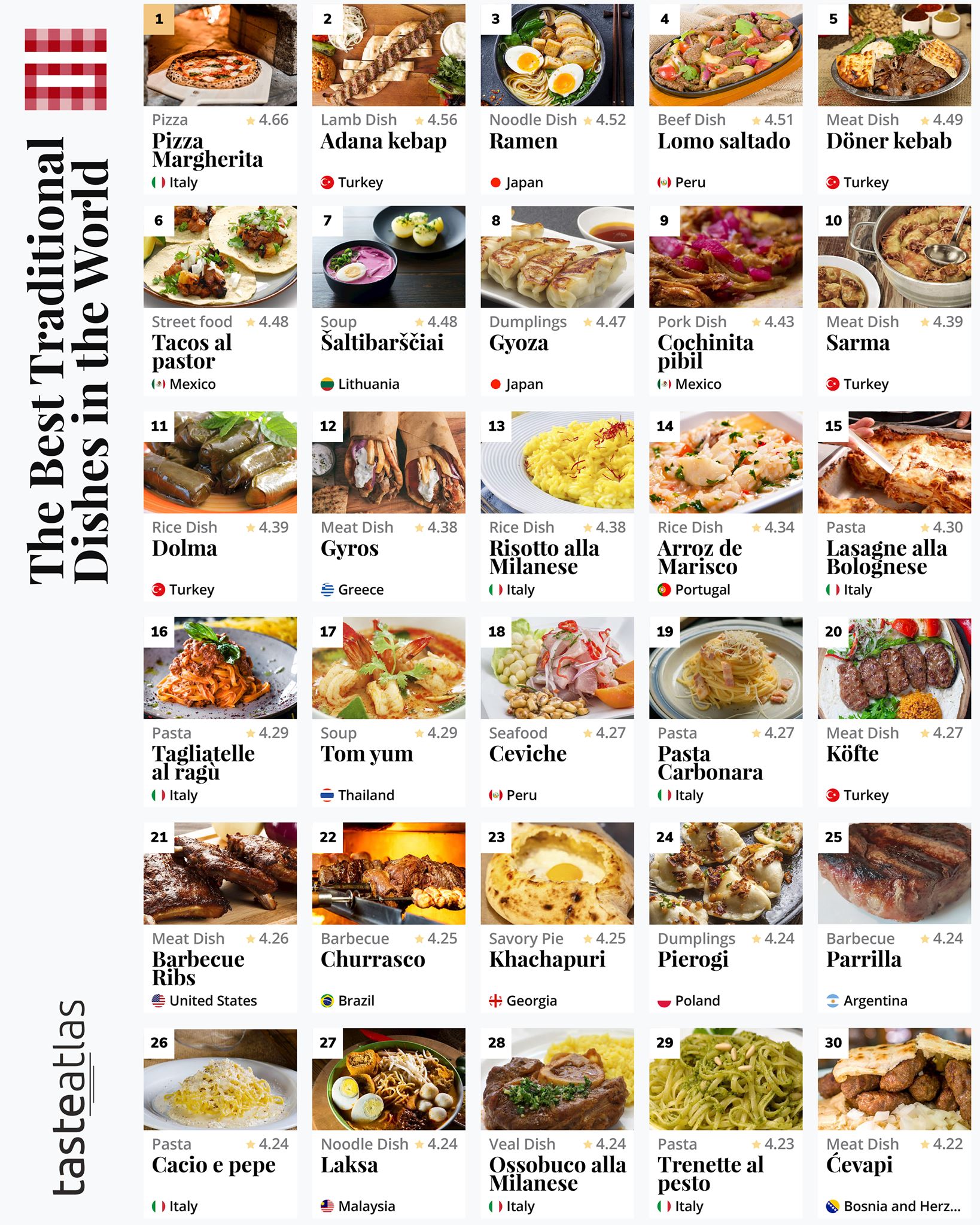
Every menu tells a story. Sparse, elegant wording can whisper luxury, while playful descriptions shout casual fun. Typography, dish names, and even the order of items work together to broadcast the restaurant’s personality before the first bite arrives.
Communication and Expectation Setting
Clear, appetizing language bridges the gap between chef and diner. Icons for spice level, brief notes on cooking methods, and transparent allergen cues prevent surprises and build trust, ensuring the meal begins on the right note.
Economic and Operational Considerations
Behind the scenes, the menu drives purchasing decisions, storage needs, and pricing strategies. A tightly curated list can reduce waste, streamline prep, and keep food costs in check while still offering enough variety to satisfy diverse tastes.
Factors Influencing Menu Composition
Seasonality and Locality
Rotating items with the harvest calendar keeps flavors at their peak and supports regional producers. Guests increasingly value sustainability, and a menu that celebrates local abundance answers that call without extra fanfare.
Culinary Trends
Whether it’s fermentation, fire-cooked everything, or plant-forward plates, trends offer fresh inspiration. Incorporating select trend-driven dishes can attract curious diners without overshadowing timeless favorites.
Customer Preferences
Listening never stops. Comment cards, social-media chatter, and simple observation reveal shifting desires—lighter lunches, vegan desserts, or shareable starters—that can be woven into the next menu revision.
The Impact of the Menu on the Dining Experience
First Impressions
Hand-stamped paper, a digital tablet, or a chalkboard—whatever the medium, the menu is the first handshake. Clean layout, logical flow, and mouth-watering descriptors set anticipation high and frame everything that follows.
Flavor Exploration
A balanced mix of familiar comforts and adventurous twists invites guests to travel culinarily without leaving their seats. Tasting flights, chef’s specials, and build-your-own elements turn the meal into a personal journey.
Social Interaction
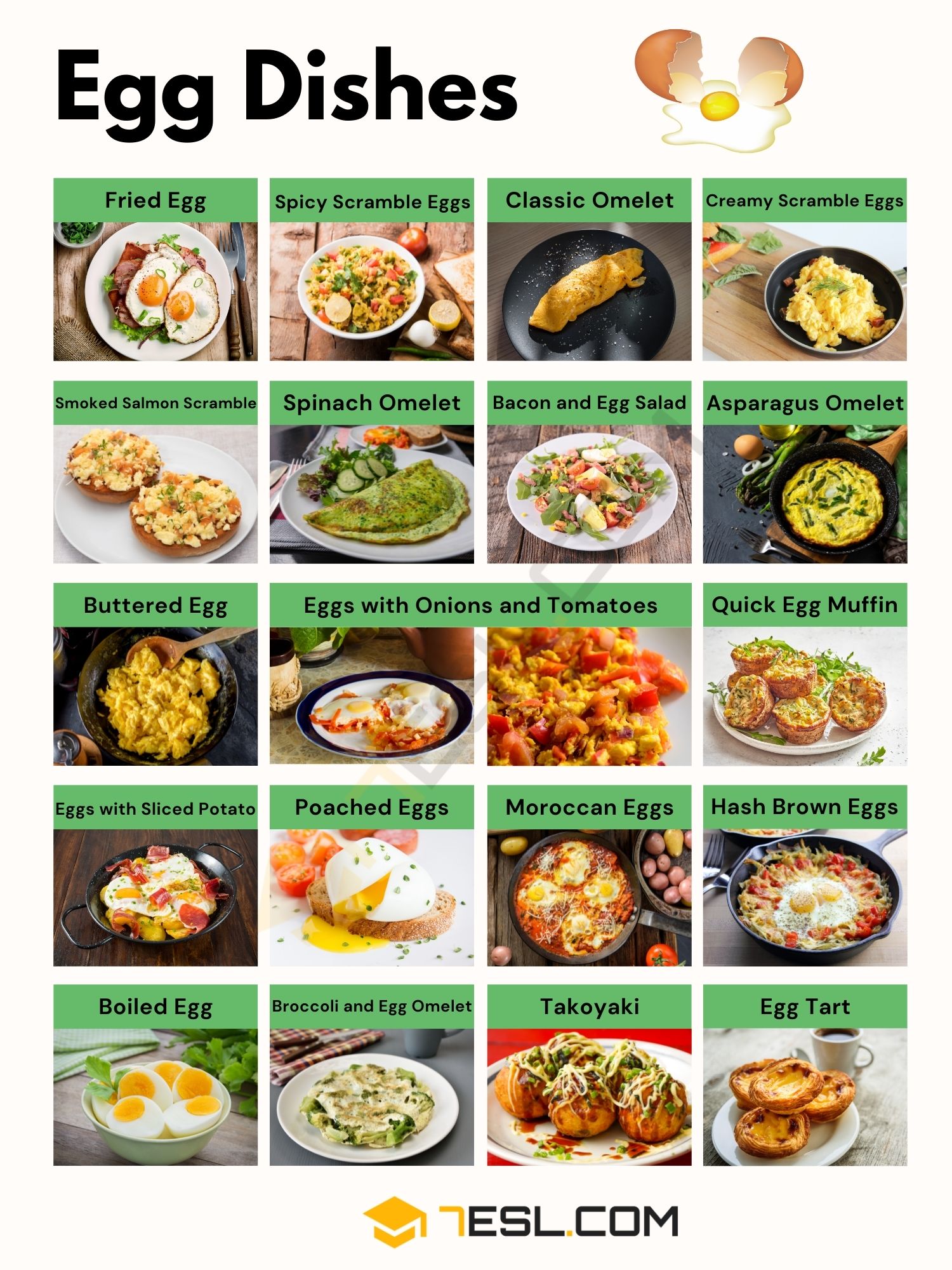
Shared plates and family-style sections encourage conversation, transforming dinner into a communal event. A menu that suggests “perfect for sharing” subtly nudges tables toward connection and lingering conversation.
Case Studies and Expert Insights
A Renowned Fine-Dining Icon
One celebrated establishment updates its offerings daily, reflecting the morning market haul and the chef’s evolving creativity. This fluid approach keeps regulars engaged and ensures every visit feels exclusive.
An Innovative Casual Concept
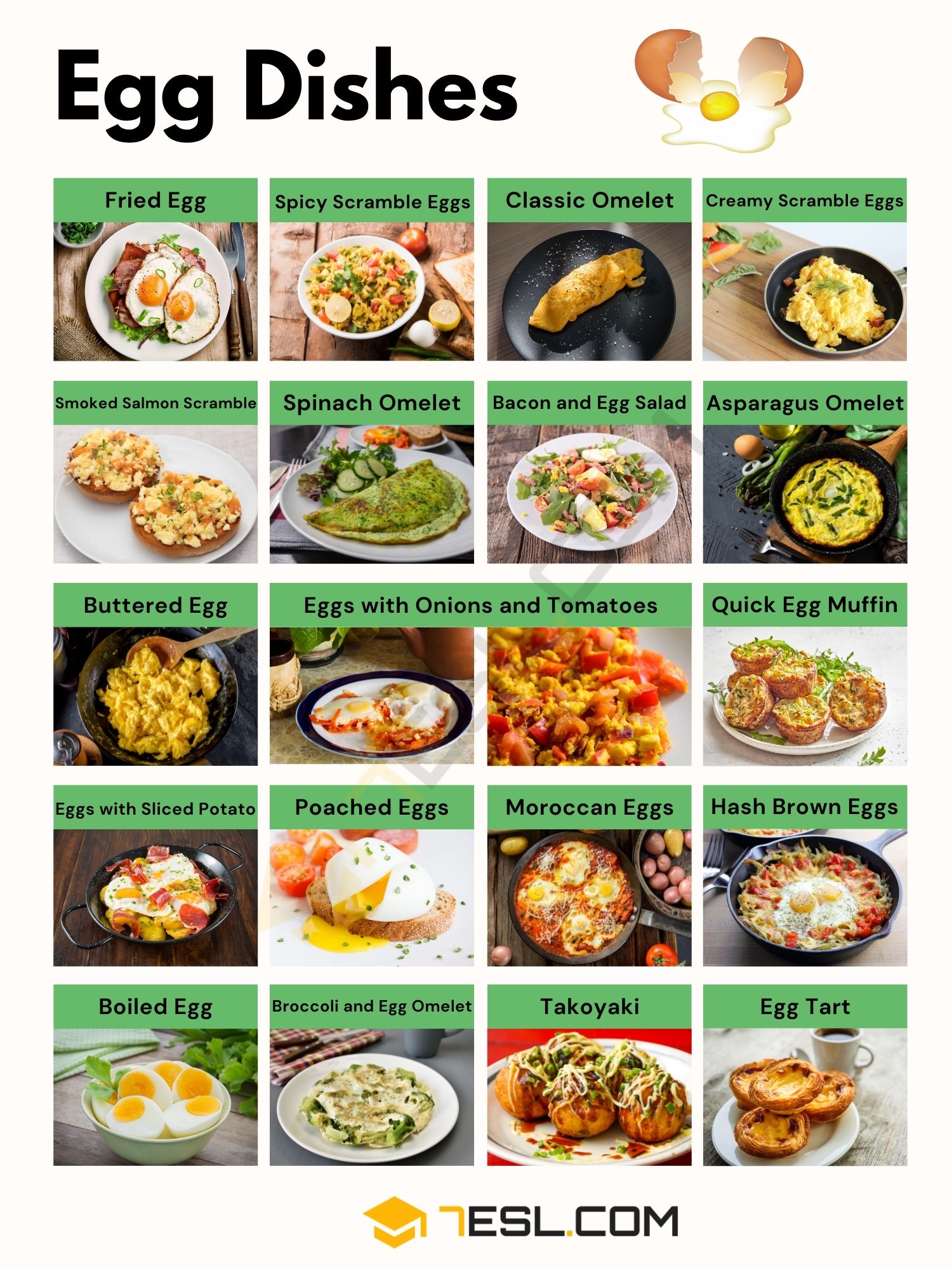
Another trailblazer reimagines comfort classics with global accents, using the menu as a playground for fusion. Limited-time inserts create urgency, while staple signatures provide a comforting anchor.
Conclusion
From parchment to pixel, the menu remains one of the most powerful tools in hospitality. It captures identity, guides operations, and shapes memories. When treated as a living document—revisited, refined, and re-imagined—it becomes both compass and canvas for culinary success.
Recommendations and Future Research
To keep menus vibrant and effective, teams can adopt these practices:
1. Schedule quarterly reviews to align with seasons, costs, and guest feedback.
2. Prioritize legible design: ample white space, intuitive sections, and descriptive yet concise wording.
3. Empower servers to narrate the story behind standout dishes, turning ordering into dialogue.
4. Invite constructive feedback through quick digital surveys or tabletop cards.
Areas ripe for further exploration include:
1. How language and layout affect diner emotion and spending behavior.
2. The integration of augmented reality or QR-driven stories that deepen engagement.
3. Cross-cultural menu patterns and what they reveal about global palates.
By embracing continual evolution, restaurants can ensure their menus remain as fresh as the food they describe.

