

Title: The Art of Learning to Cook Recipes: A Comprehensive Guide
Introduction:
Cooking is a life skill that rewards anyone who gives it a try. It feeds the body, lifts the spirit, and invites endless curiosity about flavor and technique. Approaching recipes as a learner is less about perfection and more about steady practice and playful experimentation. This guide offers a friendly roadmap to help you begin, grow, and enjoy every step of the journey.
The Importance of Learning to Cook Recipes
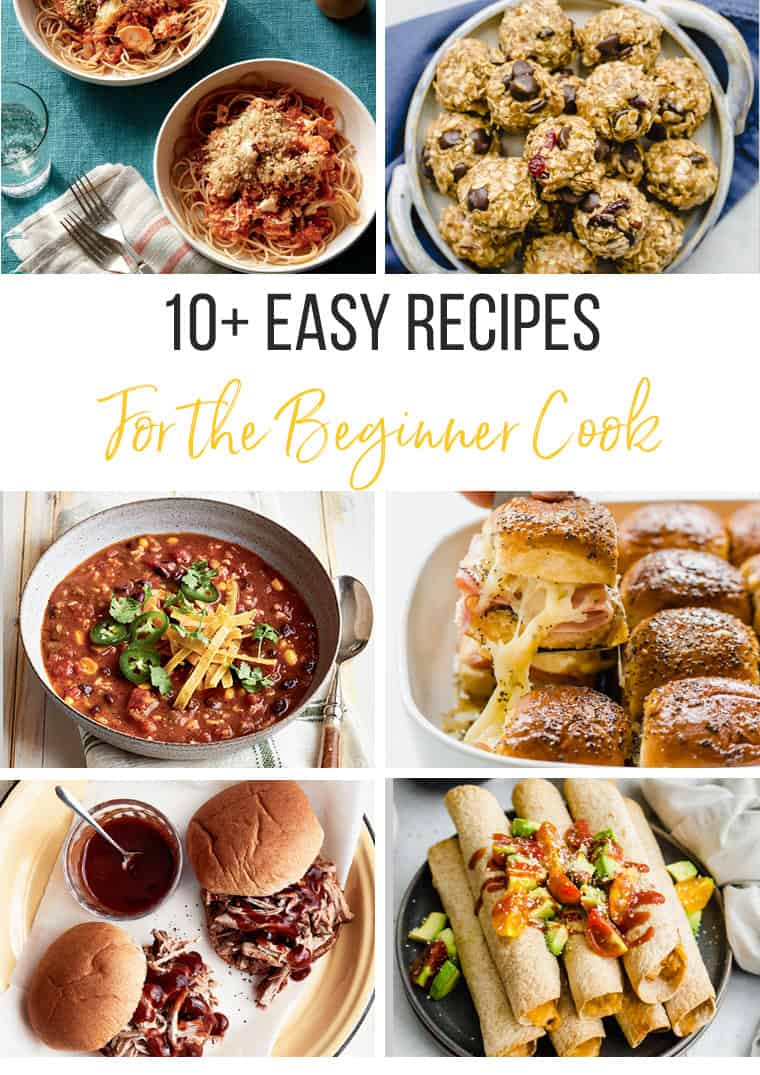
Mastering recipes matters for three big reasons. First, it puts you in charge of what goes on your plate, making it easier to pick fresh ingredients and balance portions. Second, it turns the kitchen into a creative playground where you can adjust seasonings, textures, and colors to suit your mood. Finally, sharing something you cooked builds warmth and connection, turning an everyday meal into a small celebration.
The Benefits of Learning to Cook Recipes
Home cooking stretches your budget further than frequent take-out, especially when you lean on versatile staples such as beans, grains, and seasonal produce. Preparing dishes yourself also nudges you toward wholesome choices and mindful eating. Beyond nutrition, following a recipe sharpens focus: you read, measure, taste, and adjust in real time, training your brain in gentle problem-solving. Over months, the steady rhythm of chopping, stirring, and plating fosters confidence and self-reliance.
Moreover, the creativity involved—swapping herbs, changing textures, or plating with color—keeps the mind engaged and turns routine dinners into small acts of expression.
How to Start Learning to Cook Recipes
Beginning can feel overwhelming, so keep the early steps light and fun:
1. Start with Simple Recipes: Pick dishes with short ingredient lists and clear steps; success builds momentum.
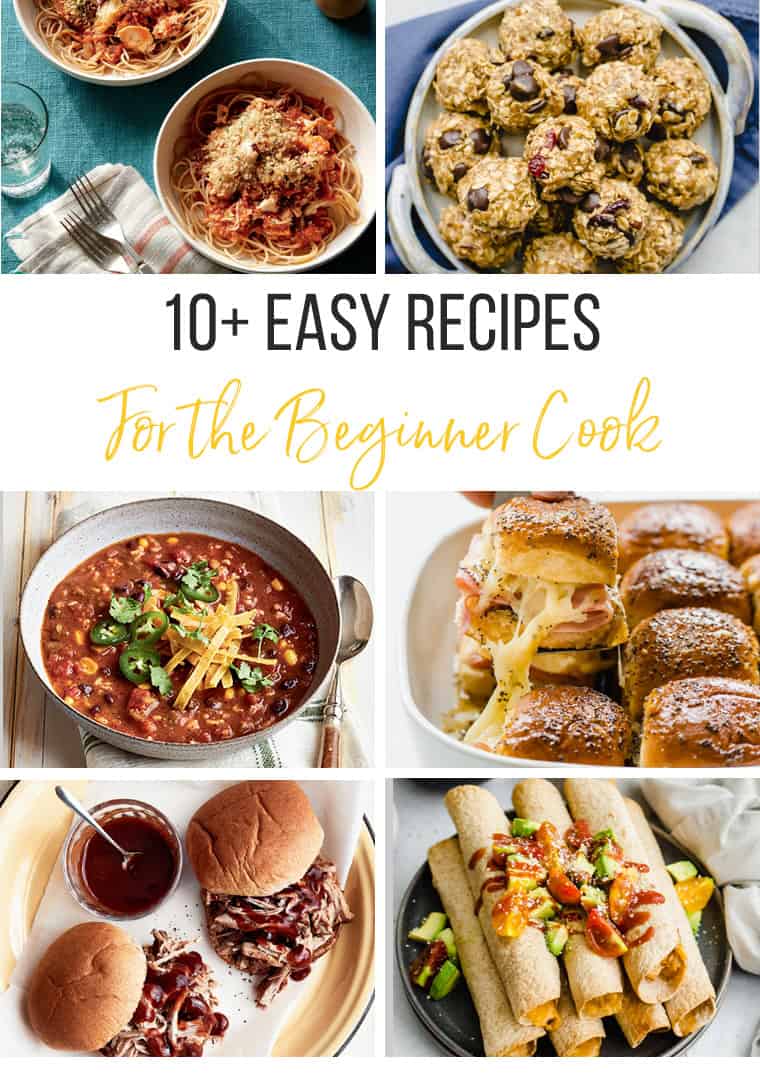
2. Invest in Quality Equipment: A sharp knife, a sturdy board, one good pan, and a reliable pot will handle most beginner tasks.
3. Learn Basic Cooking Techniques: Sauté, simmer, roast, and steam—master these four and countless meals open up.
4. Experiment with Ingredients: Swap a spice, try a new vegetable, or change the acid in a dressing; tiny tweaks teach big lessons.
5. Practice Regularly: Aim for two or three home-cooked meals a week; frequency beats complexity at the start.
6. Seek Inspiration: Browse cookbooks, short videos, or friends’ photos; save ideas that excite you and circle back later.
Common Challenges and Solutions
Rough patches are part of the process; meet them with curiosity:
1. Fear of Failure: Every cook has scorched garlic or over-salted soup; note what happened, adjust, and try again.
2. Lack of Time: Chop veggies while the oven heats, or cook a double batch tonight and reinvent leftovers tomorrow.
3. Limited Ingredients: Treat recipes as flexible templates; substitute similar textures or flavors and keep notes on what worked.
4. Messiness: Fill the sink with hot soapy water before you start and rinse tools as you go; a tidy station speeds cleanup.
Conclusion
Learning to follow—and eventually freestyle—recipes is a gift that keeps giving. It nurtures health, sparks creativity, and turns ordinary moments around the table into memories. Start small, stay curious, and let each aroma, taste, and shared plate remind you why the journey is worth every chop, stir, and taste. With patience and practice, the kitchen soon feels less like a classroom and more like home.
In the end, the simple act of cooking invites us to slow down, experiment boldly, and care for ourselves and others one dish at a time. Enjoy the process, savor the results, and keep the stove light on for new adventures ahead.

