

Title: How Digital Recipe Hubs Are Reshaping Home Cooking
Introduction:
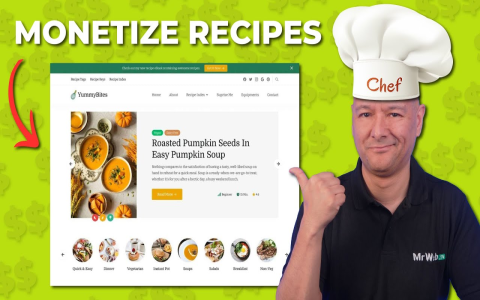
The past decade has seen cooking guidance migrate from dog-eared cookbooks to glowing screens. Recipe portals now sit at the heart of many kitchens, giving home cooks instant access to global dishes, technique videos, and community tips. This piece examines how these platforms influence everyday cooking, the hurdles they face, and the directions they may take next.
Benefits of Digital Recipe Hubs
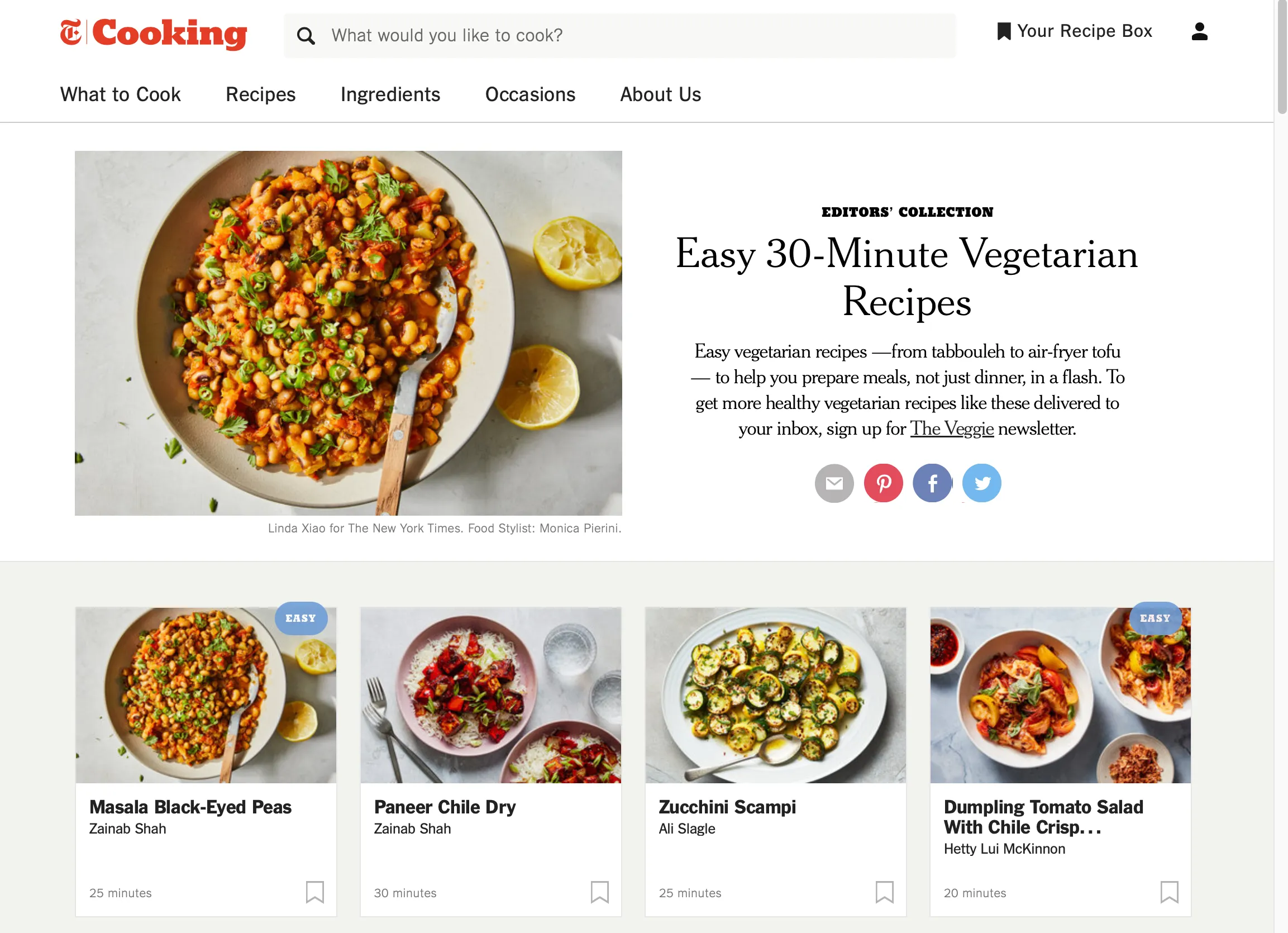
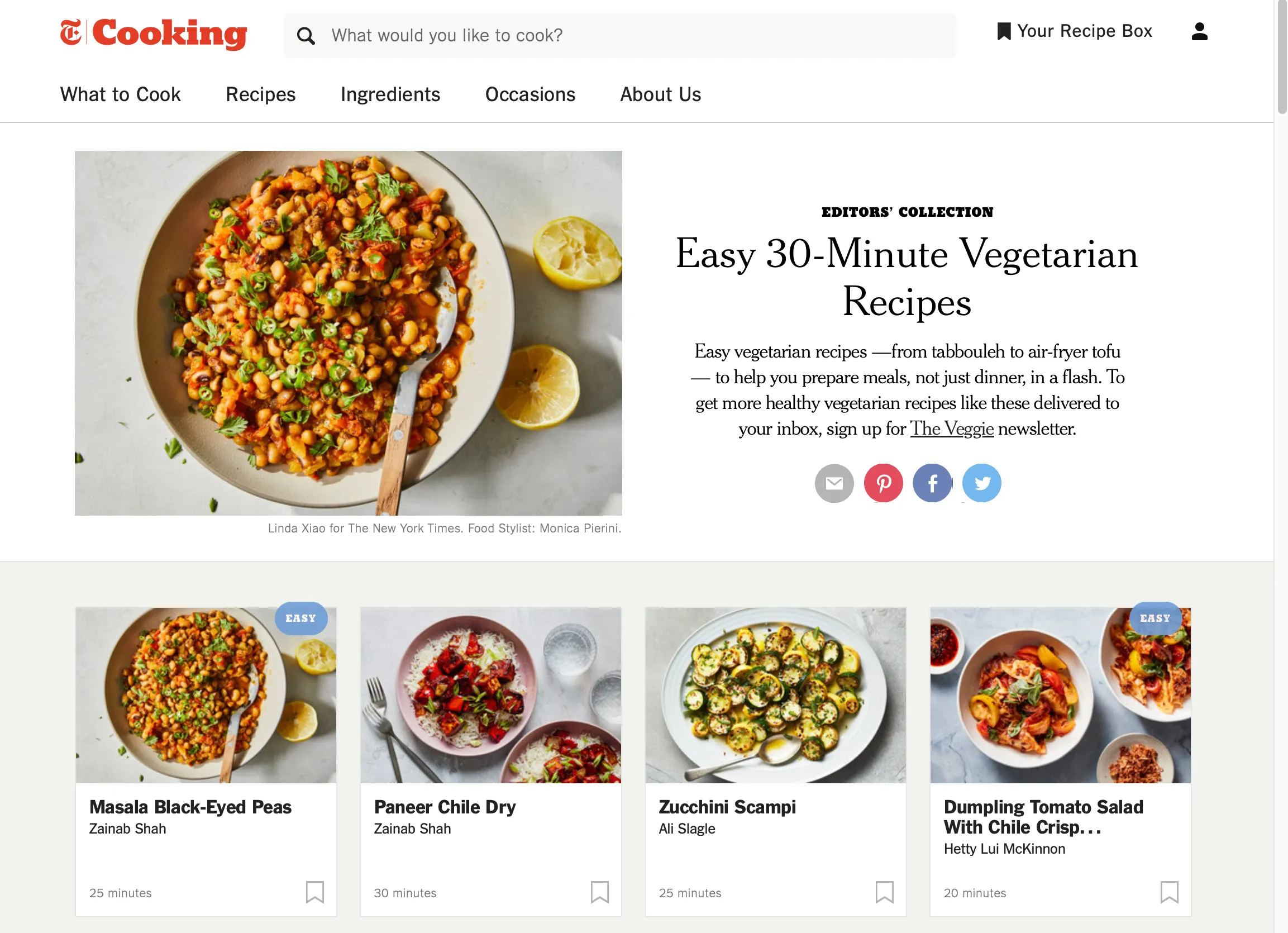
First and foremost, these sites tear down barriers to variety. A single search can surface weeknight pastas, plant-based curries, or celebration roasts, sorted by time, skill level, or pantry staples. Such breadth invites curious eaters to taste flavors from distant regions without leaving home, widening culinary horizons one click at a time.
Beyond listings, the same pages act as miniature cooking schools. Step-by-step photos, short clips, and comment threads demystify knife skills, sauce consistency, and timing. Ratings from other cooks flag potential pitfalls before the stove is even hot, turning novices into confident hosts.
Challenges Facing Recipe Sites
Yet openness has a flip side: quality control. Because anyone can upload, instructions occasionally skip crucial steps, list incorrect oven temperatures, or assume specialty tools. The result can be wasted ingredients and shaken trust.
Ownership questions also linger. When a beloved family formula appears under a stranger’s name, friction arises over credit and respect for original authors. Platforms continue to refine reporting tools, but perfect attribution remains elusive.
Education in Every Tab
For those eager to learn, the same archives double as open-air classrooms. Beginners can master basics like emulsions or dough kneading through close-up tutorials, while seasoned cooks pick up regional twists or modern plating ideas. Interactive quizzes and live streams deepen the experience, replacing textbook theory with real-time feedback.
Encouraging play is another quiet strength. Swapping grains, adjusting spice levels, or substituting seasonal produce becomes second nature when a recipe is only a starting point. This freedom nurtures personal style and reduces food waste by using what is already on hand.
Traditional Kitchens Meet the Screen
Grandmother’s handwritten cards still carry emotional weight, yet searchable databases now introduce those same dishes to wider audiences. The risk is simplification: complex rituals may shrink to fit trendy formats, losing nuance along the way.
Conversely, digital exposure can spark revival movements. Uploading forgotten breads, ferments, or foraging tips invites dialogue across generations and borders, keeping heritage alive in new contexts.
What Might Come Next
Innovation shows no sign of slowing. Likely upgrades include:
1. Smarter filters that weigh allergies, carbon footprint, or local ingredient availability alongside taste preferences.
2. Voice-guided assistance that paces each step to the cook’s speed, pausing automatically when pans sizzle.
3. Partnerships with growers and markets, suggesting recipes that sync with weekly harvests and reduce waste.
Conclusion:
Recipe websites have moved from novelty to necessity, guiding everything from Tuesday night suppers to holiday feasts. They broaden palates, teach technique, and spark creativity, even as they wrestle with accuracy and authorship. By refining trust mechanisms and celebrating both innovation and tradition, these platforms can remain valued kitchen companions for years to come.


