

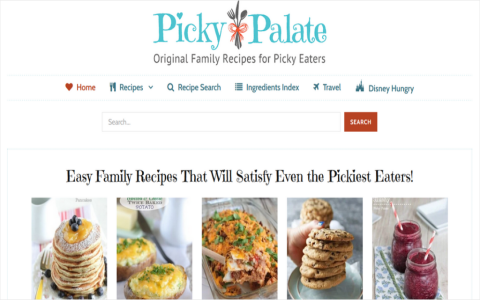
Title: The World of Food Blogs: Examples, Impact, and Future Trends
Introduction:
In recent years, the rise of food blogs has transformed how we discover, cook, and talk about food. These online spaces now serve as go-to sources for recipes, kitchen tips, and culinary storytelling. This article explores the landscape of food blogging, highlights notable examples, examines their influence, and looks ahead to emerging trends.
Understanding Food Blogs
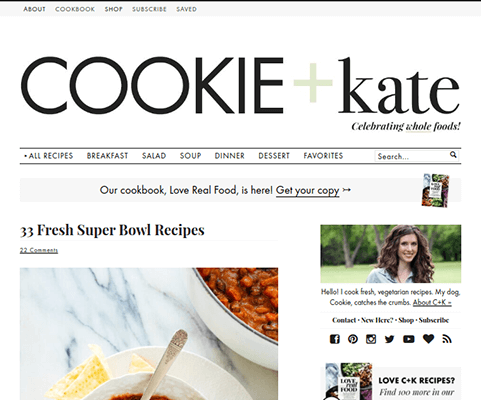
Food blogs are websites where authors share recipes, cooking techniques, meal-planning ideas, and personal reflections on eating. They welcome everyone from seasoned chefs to curious beginners, offering step-by-step guidance, vibrant photos, and a sense of shared enthusiasm for all things edible.
Examples of Food Blogs
1. Smitten Kitchen: Known for cozy, reliable recipes and inviting photography, this site blends detailed instructions with warm anecdotes, making readers feel like they are cooking alongside a friend.
2. The Pioneer Woman: This blog mixes hearty recipes with glimpses of daily life, covering everything from comfort classics to celebratory dishes, all presented in an engaging, down-to-earth style.
3. Minimalist Baker: Focused on simple preparations that require few ingredients and minimal equipment, this blog appeals to readers who want flavorful food without lengthy shopping lists or complicated steps.
4. Oh She Glows: Centered on plant-based eating, this blog offers colorful vegan recipes alongside wellness tips, encouraging readers to explore nutritious, cruelty-free meals.
5. The Kitchn: A comprehensive resource for home cooking, this blog provides recipes, technique tutorials, and organizational advice to help readers streamline their kitchens and sharpen their skills.
The Impact of Food Blogs
Food blogs have reshaped culinary culture in several ways:
1. Recipe Sharing: They have opened the kitchen door to a global exchange of dishes, allowing flavors and traditions to travel faster than ever before.
2. Inspiration and Education: Step-by-step photos, troubleshooting notes, and skill-building posts empower readers to try unfamiliar ingredients and methods with confidence.
3. Community Building: Comment sections, social media groups, and interactive challenges foster conversation, support, and friendship among people who might never meet in person.

4. Influence on the Food Industry: Bloggers often spotlight emerging ingredients, sustainable choices, and small producers, steering consumer interest and encouraging brands to adapt.
Future Trends in Food Blogs
Several developments are guiding the next chapter of food blogging:
1. Video Content: Short-form and long-form videos continue to grow, offering dynamic demonstrations that reach audiences across multiple platforms.
2. Sustainability and Ethical Eating: Expect deeper coverage of plant-forward meals, low-waste techniques, and responsible sourcing as readers seek greener plates.
3. Personalization and AI: Smart tools may soon tailor recipe suggestions to individual tastes, dietary needs, and pantry inventories, streamlining meal planning.

4. Cross-Media Collaboration: Partnerships with podcasts, streaming series, and print media will broaden storytelling possibilities and introduce blogs to new audiences.
Conclusion:
Food blogs have become a vibrant thread in the fabric of modern cooking, uniting creativity, education, and community. As technology and tastes evolve, these platforms will keep adapting, ensuring that inspiration and connection remain only a click away for food lovers everywhere.


