

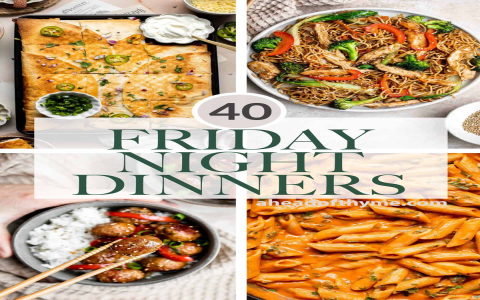
The Art of Meal Ideation: Crafting Balanced and Wholesome Dinners
Introduction
Meal ideation is an essential skill in the culinary world, where the creation of balanced and wholesome meals is not just a task but an art form. It involves the thoughtful combination of ingredients, flavors, and nutritional values to cater to diverse dietary needs and preferences. This article delves into the intricacies of meal ideation, exploring its importance, the factors that influence it, and the benefits it brings to both individuals and society.

The Importance of Meal Ideation
Nutritional Balance
One of the primary reasons meal ideation is crucial is its role in ensuring nutritional balance. A well-structured meal should contain a variety of nutrients, including proteins, carbohydrates, fats, vitamins, and minerals. This balance is essential for maintaining good health and preventing chronic diseases.
Experts agree that a balanced diet provides all the necessary nutrients in appropriate amounts to maintain good health and prevent disease. Meal ideation helps in achieving this balance by carefully selecting ingredients that offer a wide range of nutritional benefits.
Catering to Dietary Needs

Meal ideation is also vital in catering to the diverse dietary needs of individuals. Whether it’s vegetarian, vegan, gluten-free, or low-carb, meal ideation allows for the creation of meals that are not only delicious but also suitable for specific dietary restrictions.
Enhancing Culinary Skills
Another significant aspect of meal ideation is its role in enhancing culinary skills. By experimenting with different ingredients and cooking techniques, individuals can develop their culinary expertise and creativity. This not only makes meal preparation more enjoyable but also encourages innovation in the kitchen.
Factors Influencing Meal Ideation
Cultural Influences
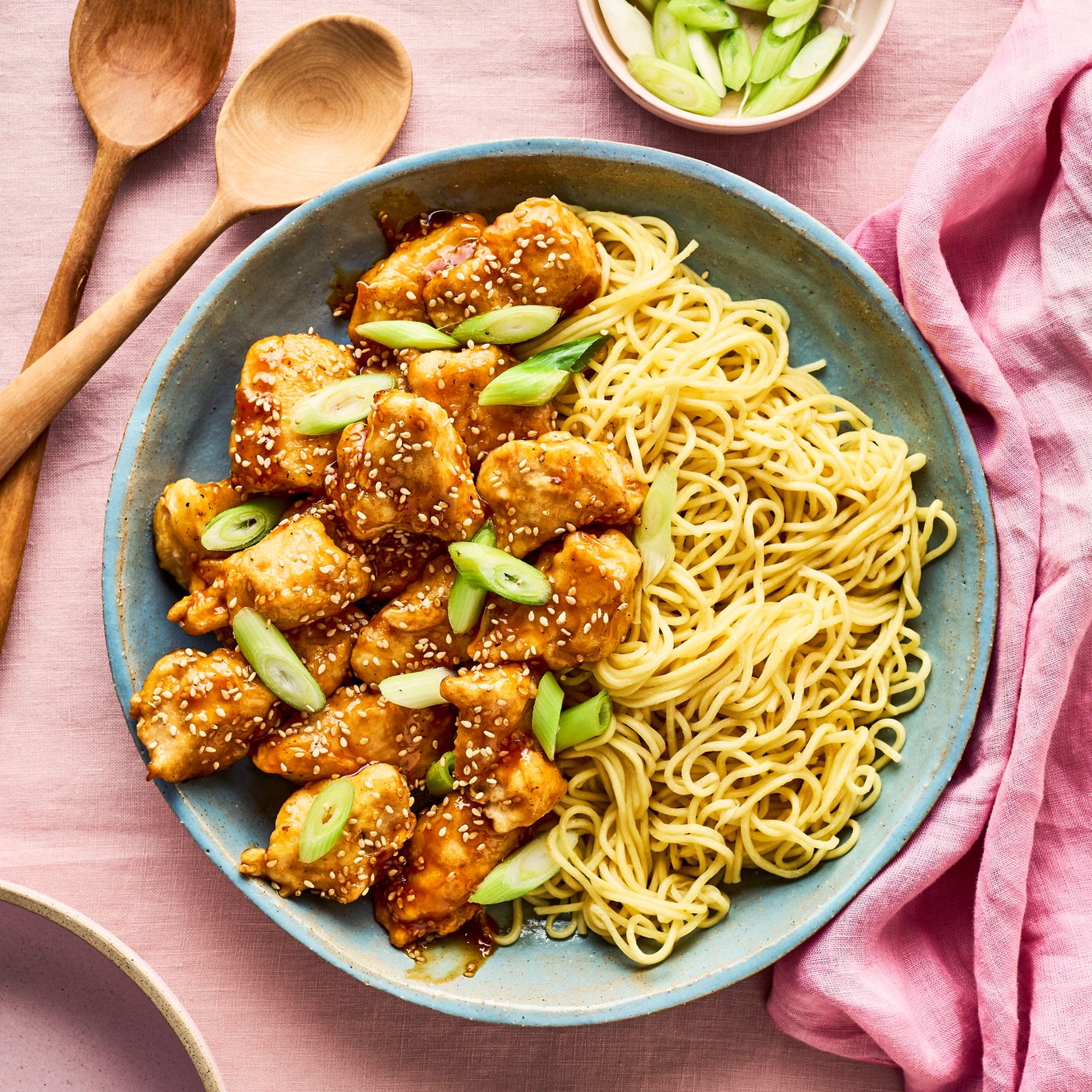
Cultural influences play a significant role in meal ideation. Different cultures have unique culinary traditions and preferences that shape the way meals are prepared. For instance, Mediterranean cuisine emphasizes the use of olive oil, fruits, vegetables, and whole grains, while Japanese cuisine focuses on fresh, seasonal ingredients and minimal processing.
Personal Preferences
Personal preferences are another crucial factor in meal ideation. People have different tastes, dietary restrictions, and nutritional goals, which all influence the types of meals they prefer. For example, someone looking to lose weight might opt for low-calorie, high-protein meals, while someone with a sweet tooth might prefer meals rich in fruits and desserts.
Nutritional Knowledge
Nutritional knowledge is also a vital factor in meal ideation. Understanding the nutritional content of different foods and how they interact with the body can help individuals make informed decisions about their meals. This knowledge can be gained through education, research, and consulting with nutritionists.
The Benefits of Meal Ideation
Improved Health
One of the most significant benefits of meal ideation is improved health. By creating balanced and nutritious meals, individuals can reduce their risk of developing chronic diseases such as heart disease, diabetes, and obesity.
Increased Satisfaction
Another benefit of meal ideation is increased satisfaction. When people enjoy the meals they eat, they are more likely to stick to their dietary plans and maintain a healthy lifestyle. This satisfaction comes from the combination of flavors, textures, and nutritional benefits that meal ideation offers.

Social Connection
Meal ideation can also foster social connections. Sharing meals with family and friends is a universal way to bond and celebrate. By creating delicious and wholesome meals, individuals can contribute to these social gatherings and strengthen their relationships.
Case Studies and Examples
Case Study 1: The Mediterranean Diet
The Mediterranean diet is a prime example of successful meal ideation. It emphasizes the use of fresh, whole foods, such as fruits, vegetables, nuts, seeds, whole grains, and olive oil. This diet has been shown to reduce the risk of heart disease, stroke, and certain types of cancer.

Example 1: Quinoa Salad
A quinoa salad is a perfect example of meal ideation in action. It combines the protein-rich grain quinoa with a variety of vegetables, such as bell peppers, cucumbers, and cherry tomatoes, and is dressed with a flavorful olive oil and lemon juice dressing. This dish is not only nutritious but also easy to prepare and versatile enough to be enjoyed in various ways.
Conclusion
Meal ideation is a crucial skill in the culinary world, offering numerous benefits to individuals and society. By ensuring nutritional balance, catering to dietary needs, and enhancing culinary skills, meal ideation can lead to improved health, increased satisfaction, and social connections. As the importance of nutrition and health continues to grow, the art of meal ideation will undoubtedly play an increasingly significant role in our lives.
Recommendations and Future Research

To further promote the importance of meal ideation, it is recommended that educational institutions incorporate culinary and nutritional courses into their curricula. Additionally, governments and health organizations should encourage the development of community kitchens and cooking classes to empower individuals to create balanced and wholesome meals.
Future research should focus on the impact of meal ideation on mental health, as well as the development of new technologies and tools to assist individuals in meal planning and preparation. By continuing to explore the art of meal ideation, we can create a healthier and more sustainable future for all.
References
Academic and professional sources on nutrition and culinary arts provide valuable insights into the principles and practices of balanced meal planning.


