


The Rise of Takeaway Meals: A Comprehensive Overview
In today’s fast-moving lifestyle, convenience shapes everyday choices. One of the clearest signs of this shift is the surge in takeaway meal services that let people order with a tap and eat at home. This overview explores how the trend grew, what it means for diners and restaurants, and where it could head next.
Introduction to Takeaway Meals
Takeaway meals are dishes ordered through an app or website and delivered to the door. The idea has existed for decades, yet recent adoption has accelerated thanks to smartphones, busy schedules, and wider menu choice.
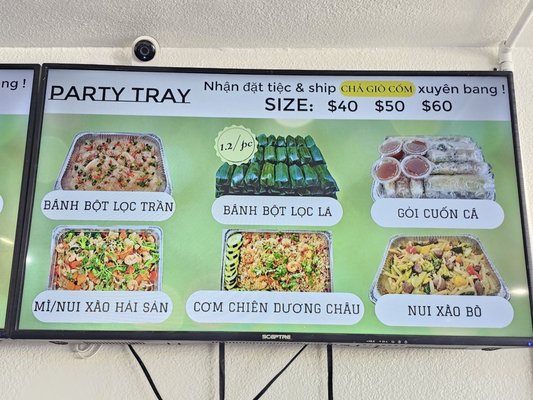
The Impact on the Food Sector
Ready-to-eat delivery has reshaped the food sector. Analysts expect the global market to keep expanding rapidly, driven by three main factors:
Added Convenience
Ordering from home saves travel and waiting time, a benefit valued by workers, students, and parents alike.
Broader Menus
Platforms list everything from quick bites to chef-crafted plates, giving eaters more variety than most high-street strips.
Attractive Pricing
Rivalry among services keeps delivery fees and meal deals within reach of most budgets.
Challenges for Takeaway Meals
Growth brings hurdles that operators must manage:
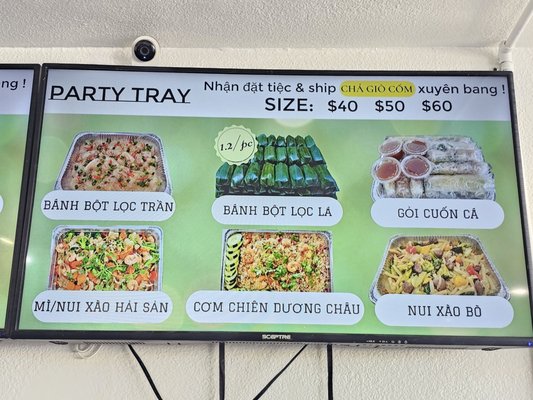
Quality Control
Long trips or stacked orders can cool or shift food, so firms test insulated bags and tighter prep-to-door times.
Environmental Impact
Single-use boxes and petrol mopeds add waste and emissions; greener packaging and bike couriers are gaining ground.
Regulatory Issues
Licensing rules, tax codes, and road safety laws differ by region and can slow expansion.
Case Study: Takeaway Meals in Major Cities
Large cities show how delivery culture fits local life:
New York City
Never-ending workdays and tiny kitchens push many residents to order in, making the city a top delivery hub.

London
Long commutes and a vibrant dining scene fuel steady demand across boroughs.
Tokyo
Punctual rail networks and compact homes encourage meals delivered right before dinner time.
Future Prospects
Several changes are on the horizon:
Smarter Technology
Predictive software can shorten routes and balance kitchen loads, cutting wait times and food waste.
Sustainability Moves
Reusable cups, plant-based cutlery, and electric scooters can shrink each order’s footprint.
Policy Updates
Clearer guidelines on labor standards and waste rules may help the sector mature responsibly.
Conclusion
Takeaway meals have become a staple of modern eating, prized for speed, choice, and value. Solving quality, ecological, and regulatory puzzles will decide how durable the boom proves. With smarter tech and greener habits, the next chapter could serve both people and planet well.
In short, ordering in is now woven into everyday food culture. By tackling current challenges, the industry can keep improving convenience without losing sight of sustainability.


