


Cheese in Different Languages: A Global Culinary Exploration
Introduction
Cheese, a dairy treasure with centuries of tradition and countless varieties, has woven itself into the fabric of global cuisine. Its flavors, textures, and roles in cooking vary widely, yet its appeal is universal. This article invites you on a linguistic journey to discover how different cultures name and celebrate cheese, revealing the shared human fondness for this versatile food.
The Terminology of Cheese
Cheese in English
In English, the word “cheese” is short, clear, and instantly understood. It traces back to the Latin “caseus,” a term for curdled milk. Across English-speaking regions, pronunciation may shift slightly, but the word remains unmistakable.
Cheese in Other Languages
French: Fromage
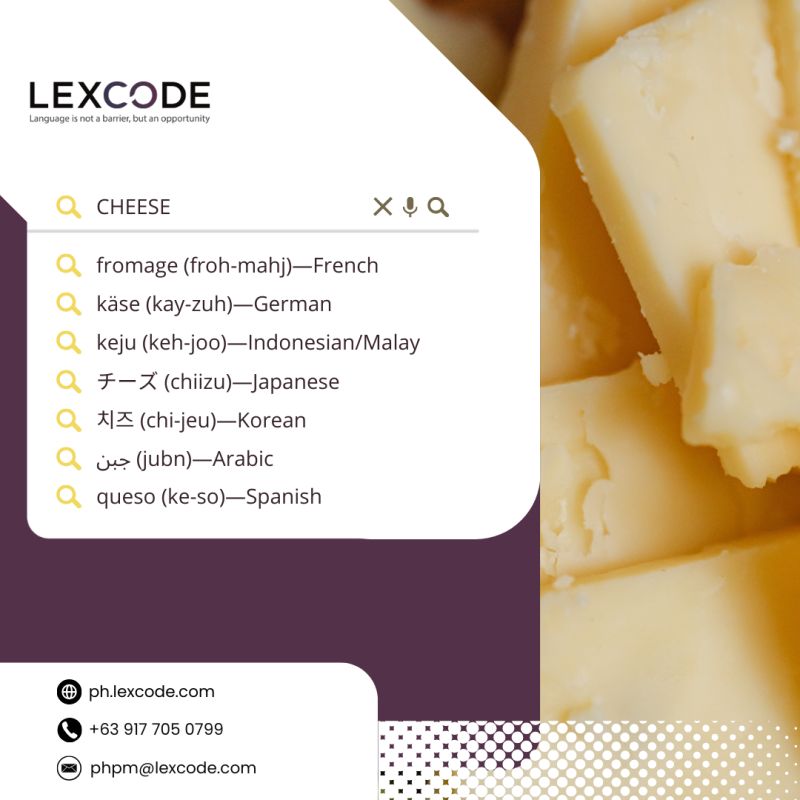
French speakers say “fromage,” another descendant of the Latin root. The term conjures images of bustling markets and long-standing culinary pride, reflecting a culture that has elevated cheese-making to an art form.
Italian: Formaggio
Italians use “formaggio,” believed to stem from the Latin “formaticum,” hinting at the shaping of curds. The word itself feels as rich and rounded as the wheels of cheese it describes.
German: Käse
Germans call it “Käse,” a direct echo of the same Latin ancestor. The concise syllable hints at a heritage of alpine dairies and time-honored recipes passed down through generations.
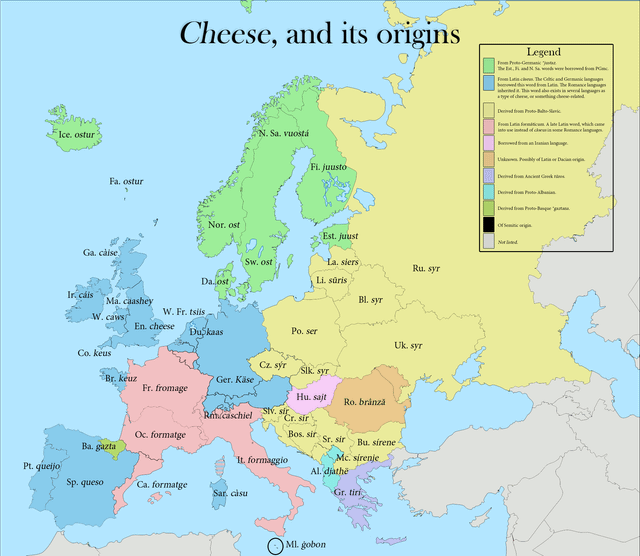
Spanish: Queso
Spanish-speaking communities embrace “queso,” a lively term that enlives tapas bars and family tables alike. Its sound is as inviting as the melted strands on a warm tortilla.
Cultural Significance of Cheese
Cheese in French Cuisine
In France, cheese is more than nourishment; it is a ritual. A meal often closes with a cheese board, each wedge telling the story of its region, season, and craft.
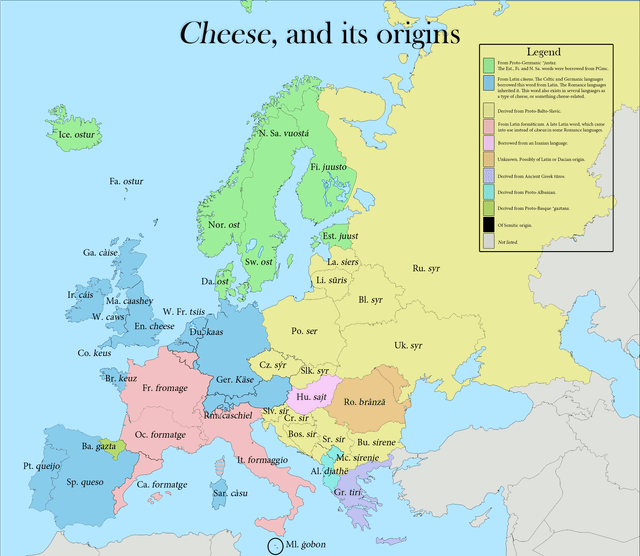
Cheese in Italian Cuisine
Italy’s kitchens revolve around formaggio, whether grated over pasta, layered in lasagna, or simply enjoyed with fruit. Each variety, from mild to pungent, plays a supporting role that can steal the scene.
Cheese in German Cuisine
Germany’s hearty fare welcomes Käse in comforting dishes: melted over egg noodles, tucked into breads, or paired with pickles. The flavors are robust, mirroring the landscapes where they originate.
Cheese in Spanish Cuisine
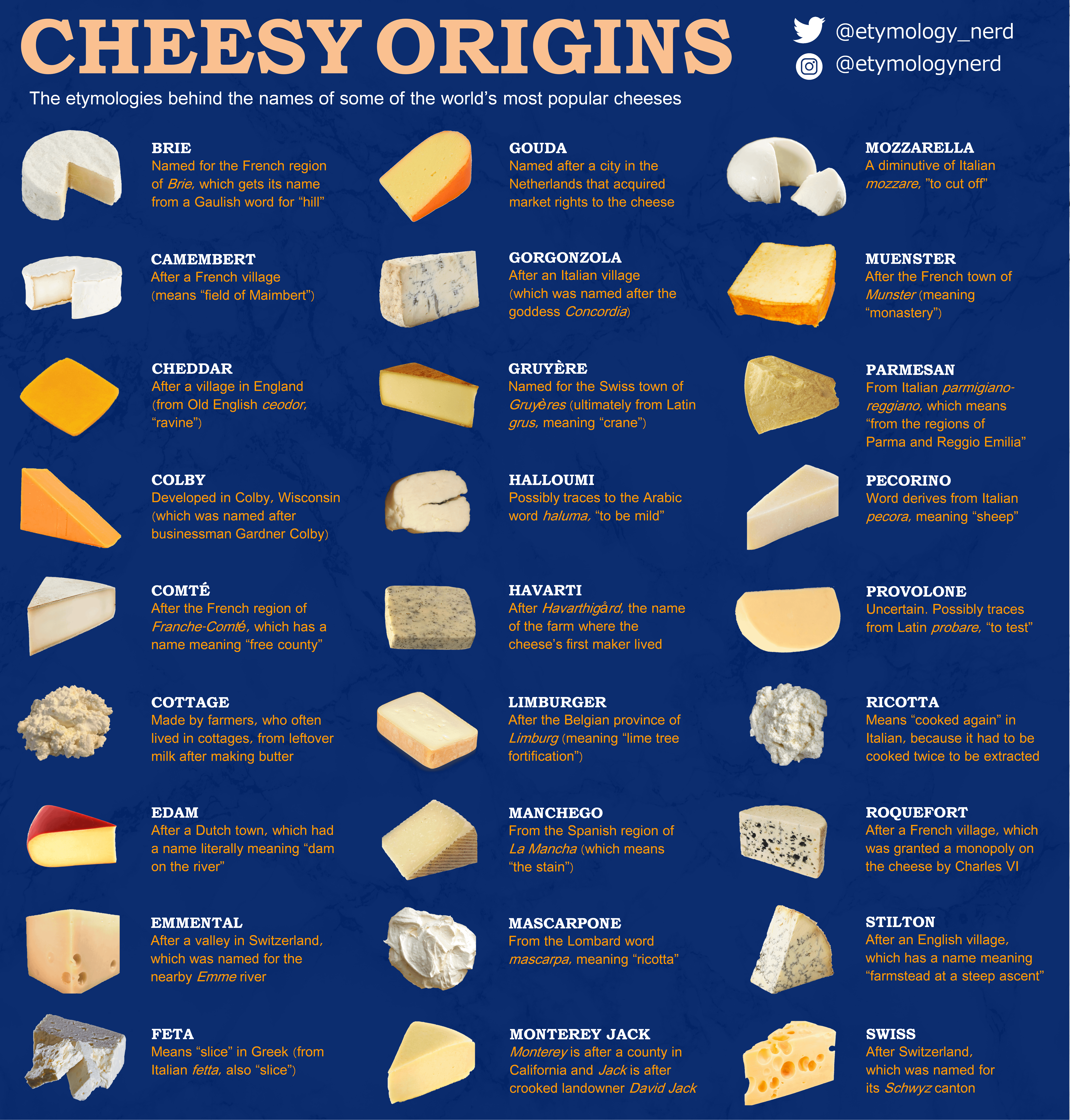
Spain’s queso appears at every gathering, sliced for tapas, grated into stews, or drizzled with honey for dessert. Its presence turns simple moments into small celebrations.
Cheese in Different Languages: A Comparative Analysis
Similarities
Across tongues, cheese is spoken with affection. Names may differ, but the reverence for craft, region, and flavor forms a common thread that binds food lovers everywhere.
Differences
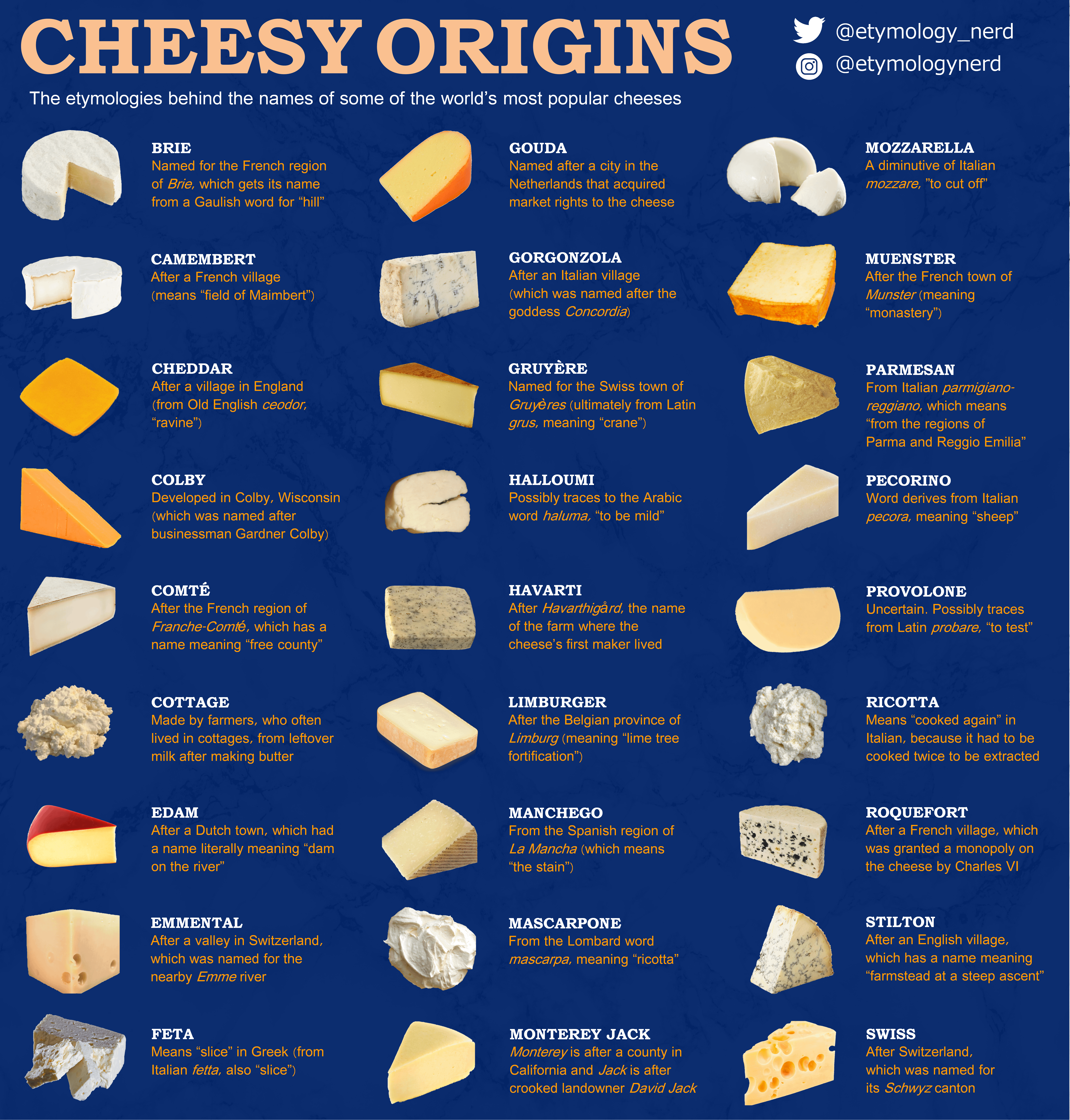
Yet each term carries subtle nuances: “fromage” evokes elegance, “formaggio” suggests artistry, “Käse” feels sturdy, and “queso” sounds festive. These distinctions mirror the cultures that shaped them.
Conclusion
From alpine meadows to Mediterranean pastures, cheese speaks many languages while telling one delicious story. Exploring its names deepens our gratitude for the shared tables and timeless traditions it continues to inspire.
Recommendations and Future Research
To further appreciate cheese’s global journey, consider:
1. Tasting regional varieties while learning local names and customs.
2. Documenting how migration and trade introduce new cheese words to kitchens abroad.
3. Pairing language study with cooking classes that highlight cheese-centric recipes.
Each small step enriches our understanding of how a simple word—and the food it represents—can connect cultures around the world.


