The Impact of Cooking Videos on Contemporary Culinary Culture
In today’s digital landscape, the act of cooking has moved well beyond printed recipes and stovetop traditions. Short, engaging cooking videos now sit at the heart of modern culinary culture, blending step-by-step guidance with entertainment and a sense of shared experience. This article examines how these clips are reshaping the way we prepare meals, pick up new skills, and relate to food.
The Rise of Cooking Videos
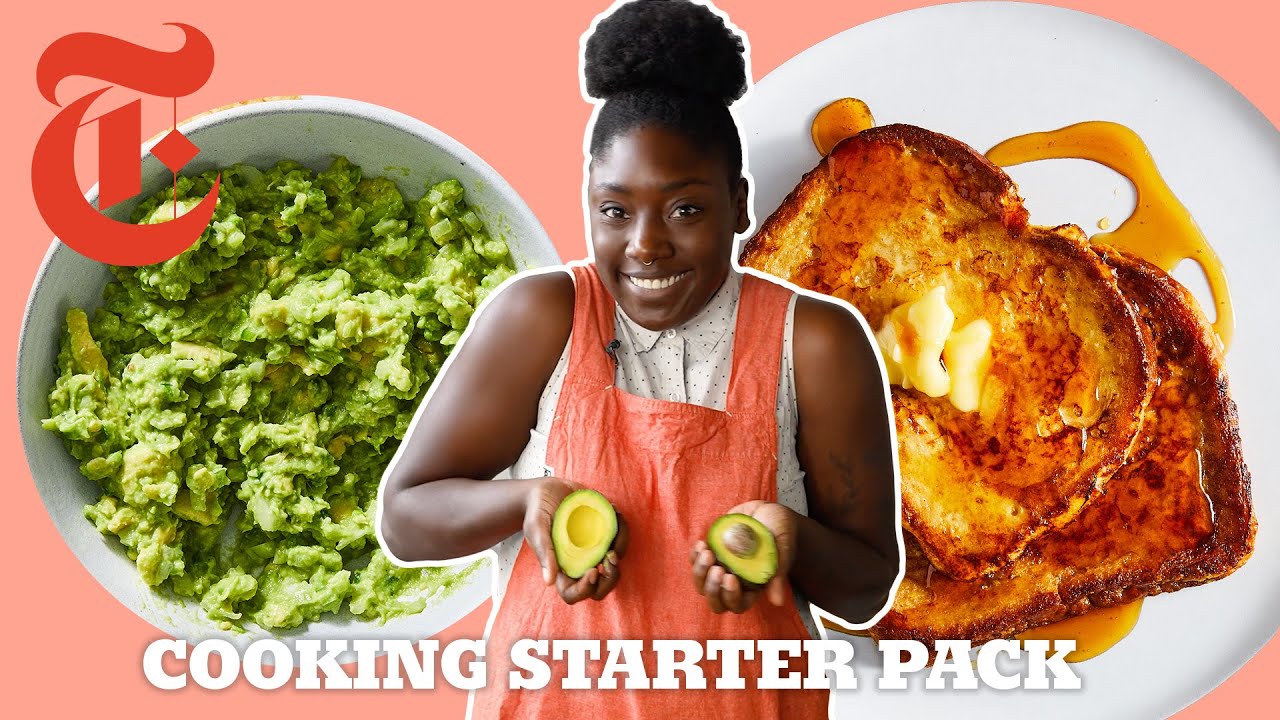
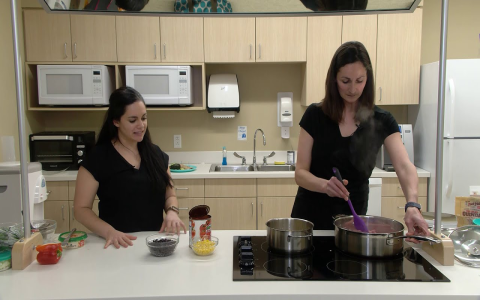
Cooking videos have surged across social platforms, turning everyday cooks into on-screen teachers. Free to watch and easy to follow, they invite viewers of every age and background to explore unfamiliar techniques and flavors without investing in costly classes or books.

Accessibility and Inclusivity
Because a phone and a data connection are the only prerequisites, these videos lower traditional barriers to culinary knowledge. Home cooks everywhere can pause, replay, and cook along at their own speed, regardless of budget or location.
Visual Learning
Seeing ingredients transform in real time helps beginners recognize the right color, texture, or thickness at each stage. Such visual cues often communicate more than written descriptions, shortening the learning curve for tricky dishes.
The Educational Impact of Cooking Videos
Beyond entertainment, these clips function as bite-size lessons that cover everything from knife basics to advanced plating. Their educational value rests on three main strengths:
Learning at Your Own Pace
Viewers control the tempo, rewinding to catch a fold or replaying a sauce reduction until it feels familiar. This self-paced approach builds confidence faster than a one-off demonstration.
Global Culinary Exploration
A single feed can transport a cook from handmade Italian pasta to vibrant Thai curries in minutes. Exposure to diverse dishes encourages experimentation and broadens everyday repertoires.

Expertise and Authenticity
Many creators are trained chefs or seasoned home cooks who share restaurant-level tips in plain language. Their guidance lends credibility and often demystifies professional methods.
The Social Impact of Cooking Videos
Food clips do more than teach; they spark conversation. Comment threads, live cook-alongs, and shared stories turn solitary meal prep into a communal event.
Community Building
Viewers swap substitutions, celebrate successes, and troubleshoot flops together, forming friendly networks united by a common interest in good food.
Food as a Shared Experience
Families and friends frequently queue up the same tutorial on separate devices, then meet in the kitchen to compare results, turning dinner into a collaborative project.
Food as a Cultural Connector
By showcasing dishes from many regions, videos encourage curiosity and respect for traditions that might otherwise remain unknown, fostering cross-cultural appreciation.
The Economic Impact of Cooking Videos
The popularity of food content ripples outward, influencing what shoppers buy and which businesses thrive.
Increased Demand for Quality Ingredients
As viewers seek to replicate what they see, grocers report higher sales of fresh herbs, specialty spices, and seasonal produce, encouraging suppliers to widen their offerings.
New Business Opportunities
Creators often partner with brands, launch cookware lines, or teach paid virtual classes, turning passion projects into sustainable income streams.
Conclusion
Cooking videos have redefined who can cook, how we learn, and why we gather around the table. They continue to lower entry barriers, celebrate global flavors, and inspire innovation in both home and professional kitchens.
Looking ahead, their role will likely expand as technology improves and audiences crave ever more interactive, inclusive, and eco-conscious content. Supporting thoughtful creators today helps ensure that tomorrow’s culinary landscape remains vibrant and welcoming for all.
Future Directions
Several promising avenues could amplify the positive influence of cooking videos:
– Interactive Learning: Embedding clickable timers, adjustable portions, or live Q&A to deepen engagement.
– Cultural Sensitivity: Highlighting the history and context behind dishes to honor their origins.
– Sustainability: Spotlighting plant-forward meals, waste-reduction hacks, and responsible sourcing.
By pursuing these goals, cooking videos can remain a force for creativity, connection, and conscious cooking in the years ahead.