

The Impact of Food Systems on Modern Society
Introduction
In today’s world, the way we produce, share, and consume nourishment has become a central force shaping daily life, markets, and ecosystems. This article explores how integrated food systems influence social well-being, economic vitality, and environmental health, and considers practical steps toward long-term balance.
Definition and Significance of Food Systems
What Are Food Systems?
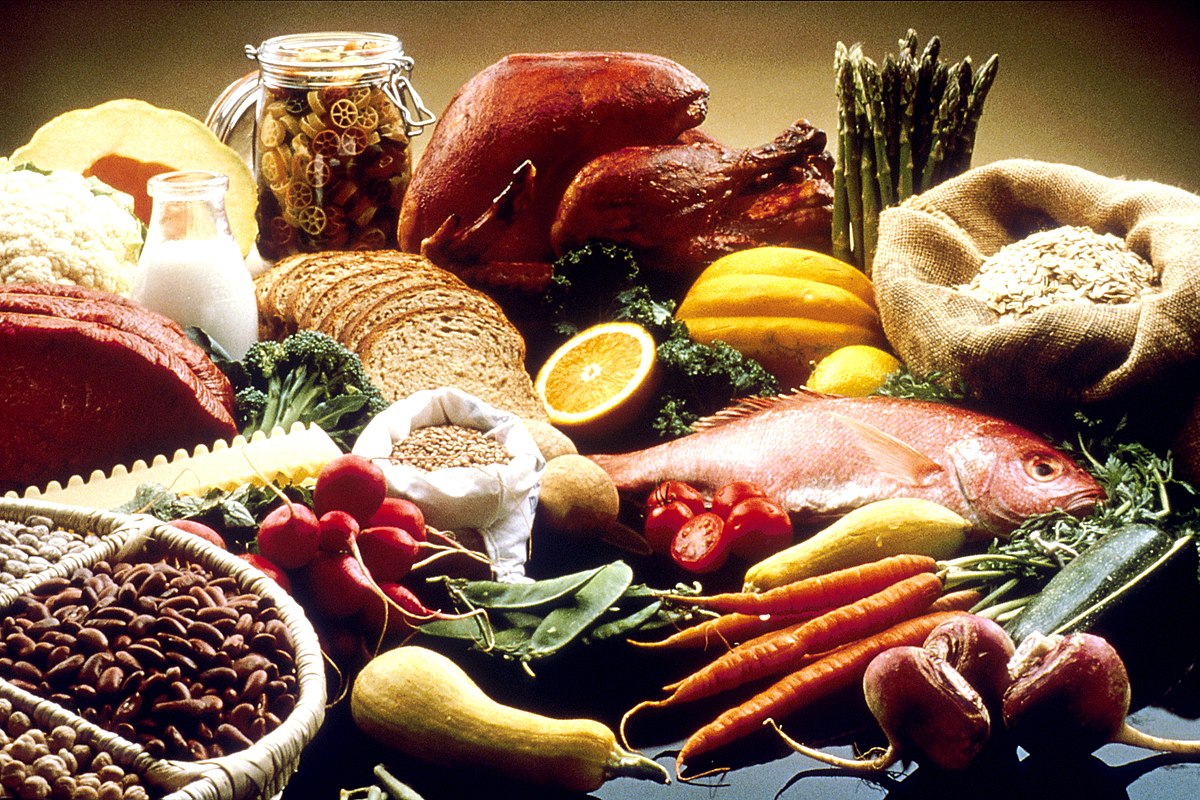
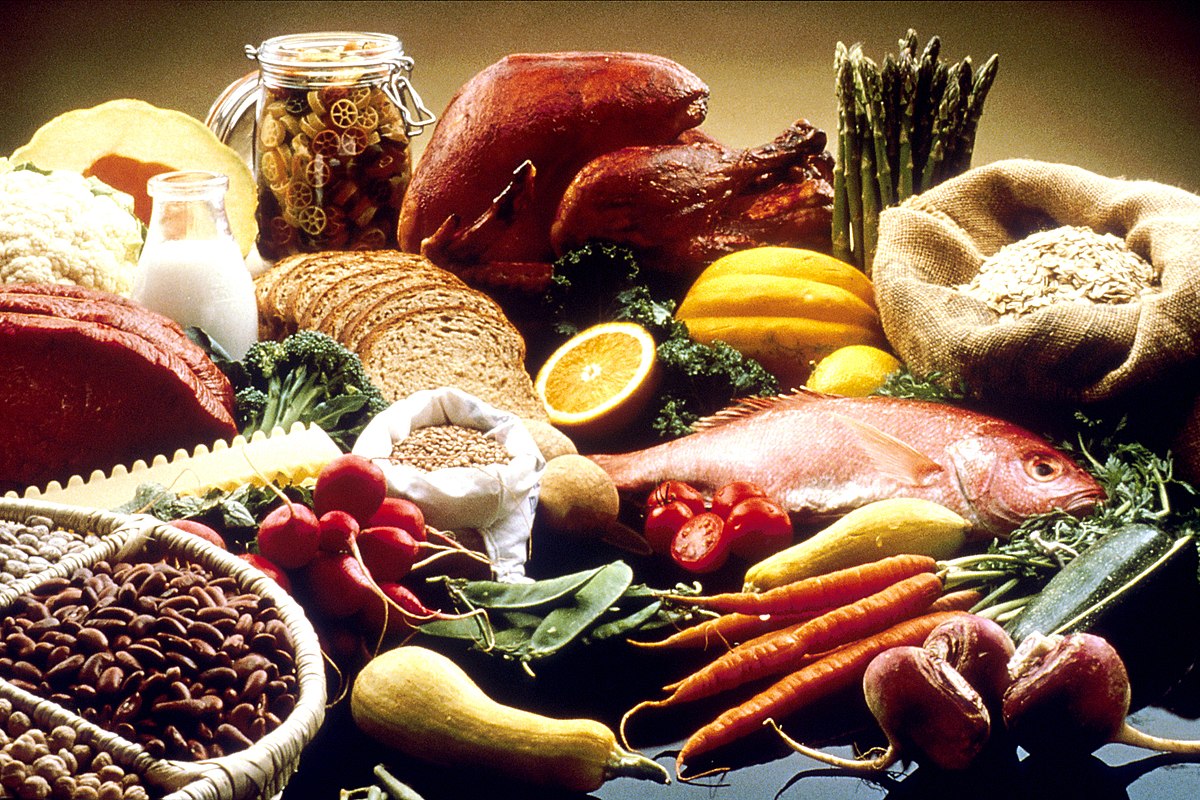
Food systems cover every step from field to fork: cultivation, harvesting, processing, distribution, consumption, and the handling of leftovers. They are not only about supplying calories but also about supporting livelihoods, cultural identity, and planetary limits.
Why They Matter
Reliable food systems underpin several pillars of modern life:
– Economic Growth: Farming and related industries employ millions and stimulate trade.
– Public Health: Varied, wholesome diets strengthen communities and reduce disease.
– Environmental Stewardship: Thoughtful practices protect soil, water, and climate.
– Fair Access: Equitable systems help ensure that nutritious meals are within reach for everyone.
The Impact on Different Sectors

Economy
Agriculture and food businesses form a substantial segment of global commerce, supporting jobs from rural fields to urban markets. Innovations such as vertical farming, plant-based alternatives, and digital supply platforms continue to open fresh avenues for investment and entrepreneurship.
Health and Nutrition
Consistent access to balanced meals guards against both under-nutrition and diet-related illness. Rising availability of highly processed products, however, has contributed to increased rates of obesity and associated conditions. Encouraging minimally processed, nutrient-dense choices remains a public-health priority.
Environment

Food production is a major user of land, water, and energy, and a notable source of greenhouse gases. Techniques such as crop rotation, agroforestry, and precision irrigation can lower emissions, rebuild soils, and safeguard biodiversity. Cutting household and retail waste further eases pressure on natural resources.
Social Equity
When healthy food is scarce or unaffordable, disparities in health and opportunity widen. Community gardens, school-meal programs, and support for small-scale growers are among the tools used to narrow these gaps and foster inclusion.
Challenges and Solutions
Key hurdles include unequal access, climate-related supply shocks, and large volumes of avoidable waste. Promising responses include:
– Scaling up resilient farming methods that adapt to changing weather.
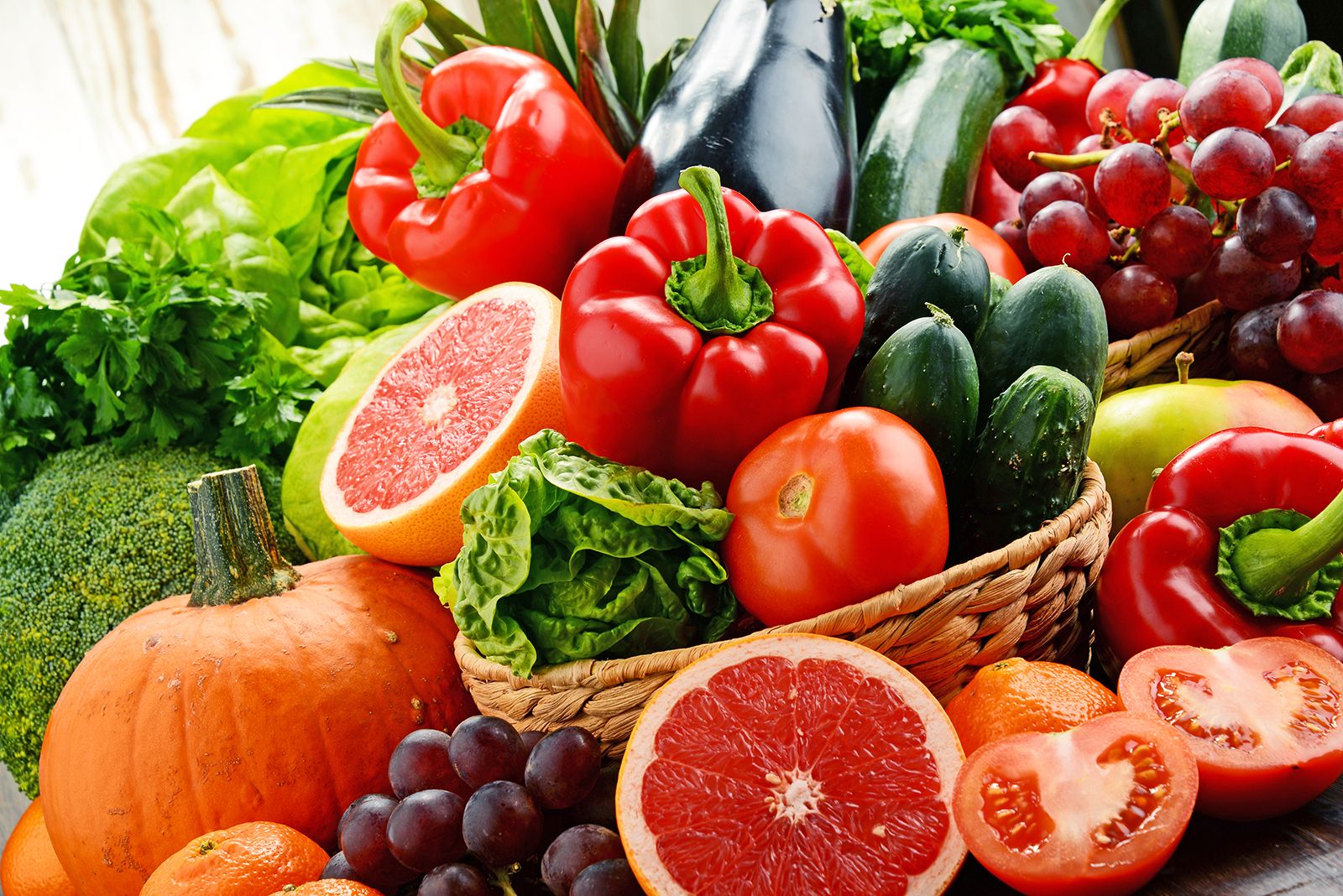
– Strengthening local distribution networks so fresh produce reaches underserved neighborhoods.
– Educating consumers and businesses on storage, portioning, and donation practices to curb waste.
Conclusion
Integrated food systems touch every aspect of life. By recognizing their far-reaching influence and acting on proven solutions, societies can move toward outcomes that are healthier for people, economies, and the planet alike.
Recommendations and Future Research
Continued progress will benefit from:
– Cross-disciplinary studies that blend agronomy, economics, nutrition, and ecology.
– Policies that reward sustainable production, facilitate food recovery, and protect the most vulnerable.
– Public campaigns that highlight how daily choices collectively shape the future of food.

Through shared responsibility and ongoing innovation, we can cultivate systems that nourish both current and future generations.

