

Title: How Online Kitchen Portals Shape Today’s Home Interiors
Introduction:
Digital kitchen platforms have quietly become one of the strongest forces guiding the look and feel of contemporary homes. By gathering countless images, tutorials, and product insights in one place, they allow anyone to explore fresh layouts, finishes, and eco-minded upgrades before picking up a paintbrush. This piece looks at how these portals influence style choices, day-to-day practicality, and greener living.

The Evolution of Kitchen Websites
In the early days of the internet, kitchen sites were little more than digital brochures for appliances. Two decades later, they have blossomed into interactive showrooms where visitors can compare finishes, watch install videos, and save mood boards in a single session.
Rising homeowner interest in kitchen makeovers has fueled this growth. Surveys repeatedly show that the kitchen remains the room most people want to refresh first, prompting developers to create ever-richer platforms tailored to that priority.
Aesthetics and Design Inspiration
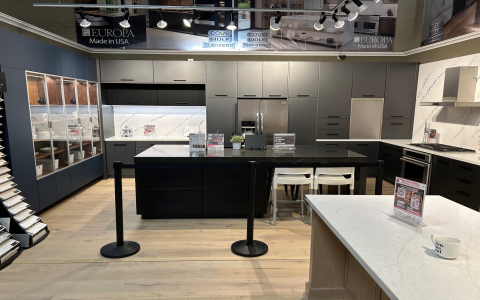
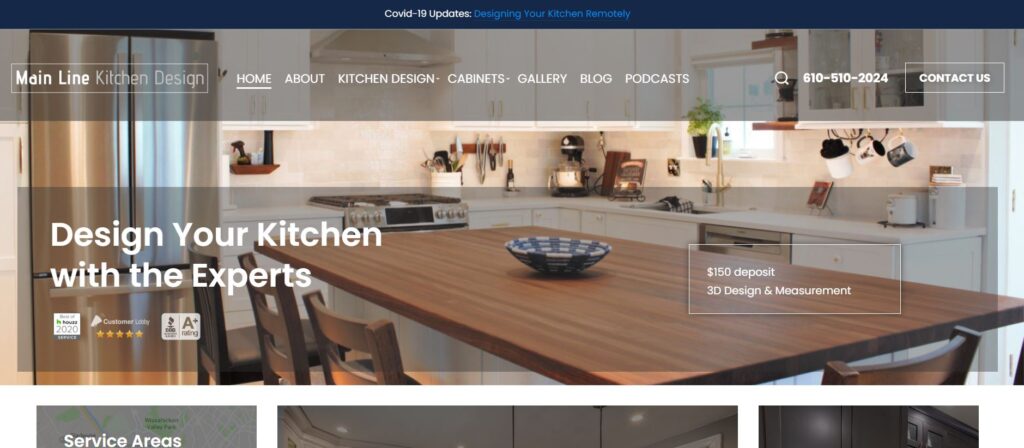
Scrolling through curated galleries is now the fastest way to discover emerging color palettes, mixed-material counters, and clever storage tricks. High-resolution photos and short reels let users test-drive a Scandinavian minimalist look or a cozy farmhouse vibe before committing.
Many sites also provide drag-and-drop planners that turn rough sketches into 3-D walkthroughs, narrowing the gap between daydream and workable floor plan.
Functionality and Product Reviews
Beyond good looks, these hubs help shoppers judge how appliances perform in real households. Side-by-side spec sheets, longevity polls, and video demos reveal which induction tops boil fastest or which quiet-close drawers survive a busy family breakfast rush.
Community reviews add another layer, flagging small annoyances—like hard-to-clean knobs or noisy compressors—that glossy ads rarely mention.
Sustainability and Eco-Friendly Options
Environmental filters now sit alongside price and brand filters, steering users toward low-energy refrigerators, recycled-tile backsplashes, and water-saving pull-down faucets. Background articles explain certifications to watch for, making it simpler to shrink both utility bills and carbon footprints.
The Role of Professional Advice
Expert columns decode trends such as hidden hood vents or fluted glass, while Q&A forums connect DIY renovators with certified designers for quick feedback. Some platforms even schedule one-on-one video chats, offering tailored layout tweaks without the cost of a full commission.
Conclusion
Online kitchen libraries have redefined renovation culture, placing professional-grade research and inspiration within reach of any smartphone owner. As technology advances, expect deeper personalization—perhaps AI mood boards or augmented-reality placement—that will keep these sites at the center of tomorrow’s home-design conversations.
Their lasting value lies in turning overwhelming choice into manageable, confident decisions, guiding homeowners toward kitchens that are beautiful, practical, and kinder to the planet.
Looking ahead, continuous updates and immersive tools will ensure these resources evolve alongside changing tastes, remaining an essential companion for anyone ready to reimagine the heart of the home.
In short, digital kitchen portals have already transformed how we plan, shop, and dream; they will remain pivotal as sustainability, smart tech, and personal expression shape the next wave of interior design.


