

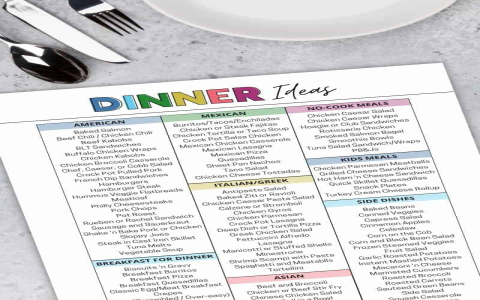
How Evening Meals Shape Health and Well-being
Introduction
The last meal of the day quietly sets the tone for overnight recovery and the following morning’s energy. Thoughtful choices at dinner can steady blood sugar, support muscle repair, and even influence mood. This overview looks at balanced options for evening plates, outlines their benefits, and flags common pitfalls, helping readers craft meals that nourish without overloading the body before sleep.
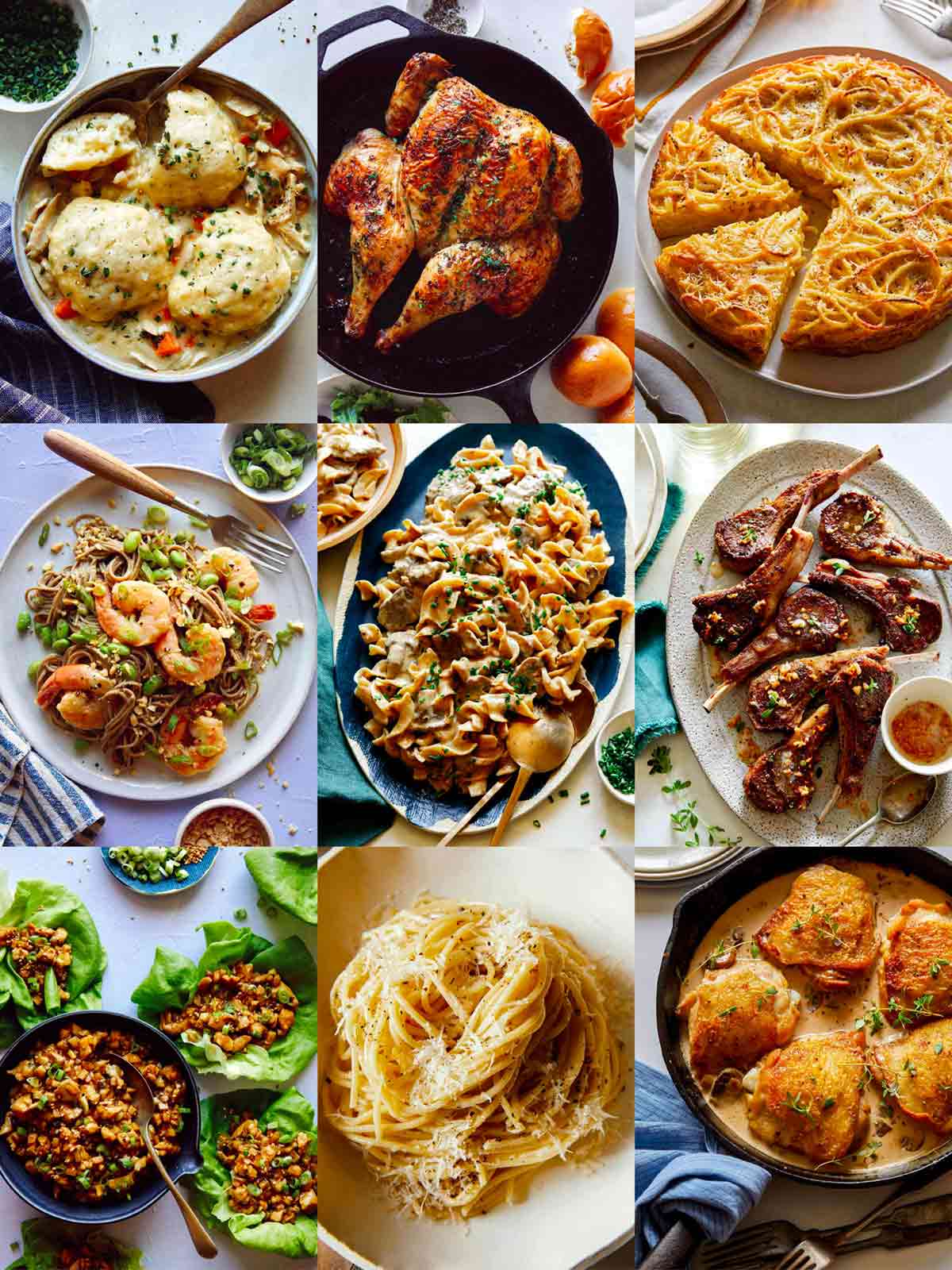
Nutritional Benefits of Different Food Types for Dinner
1. Lean Proteins
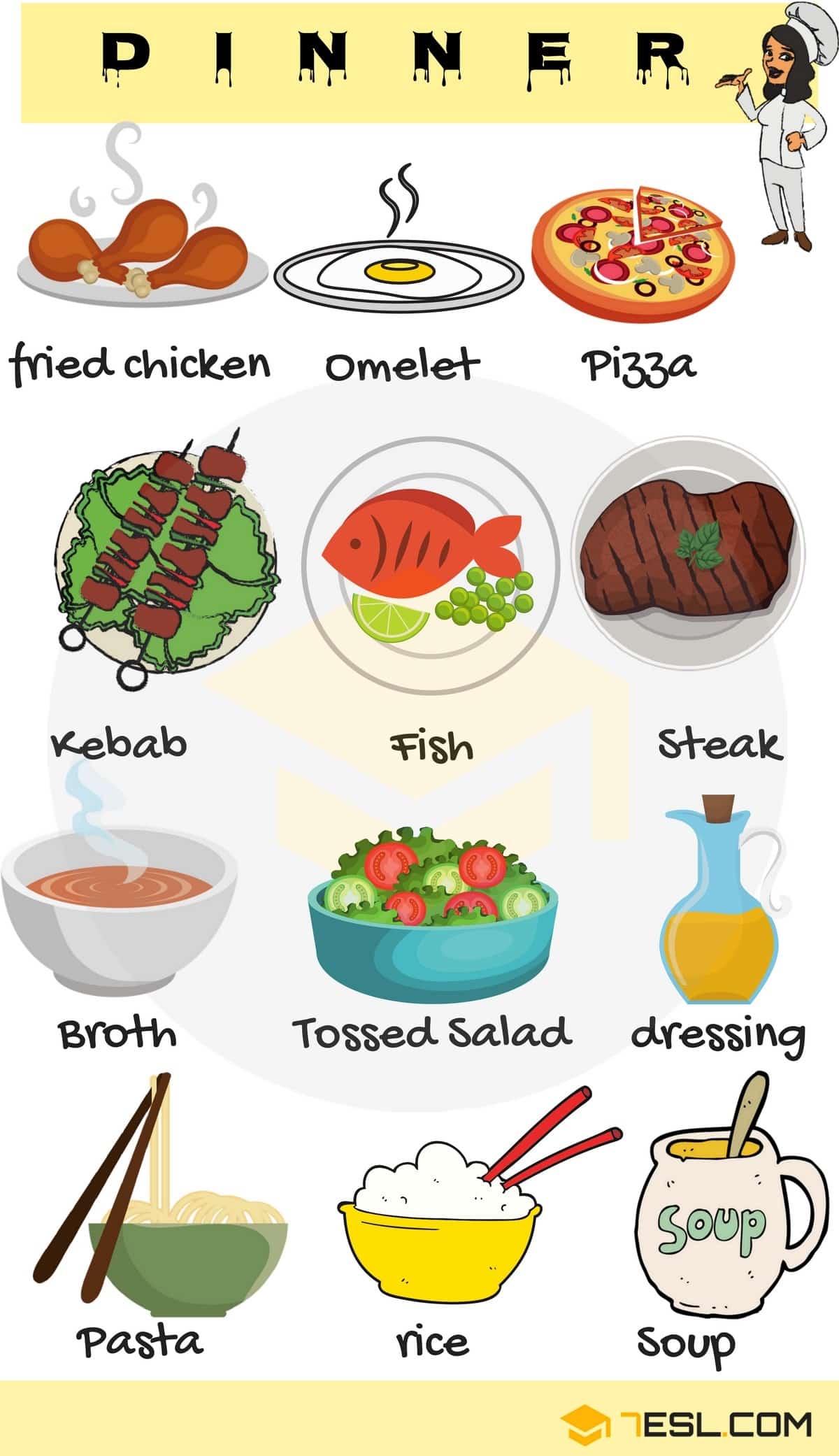
Skinless poultry, fish, beans, or plant-based alternatives supply amino acids the body uses overnight for tissue maintenance. Including a palm-sized portion can curb late-night cravings and promote restful sleep by stabilizing overnight glucose levels.
2. Whole Grains
Brown rice, quinoa, or whole-wheat pasta add fiber and B vitamins that slow digestion and keep blood sugar on an even keel. A modest scoop at dinner can extend satiety through the night and reduce the likelihood of early-morning energy dips.
3. Fruits and Vegetables
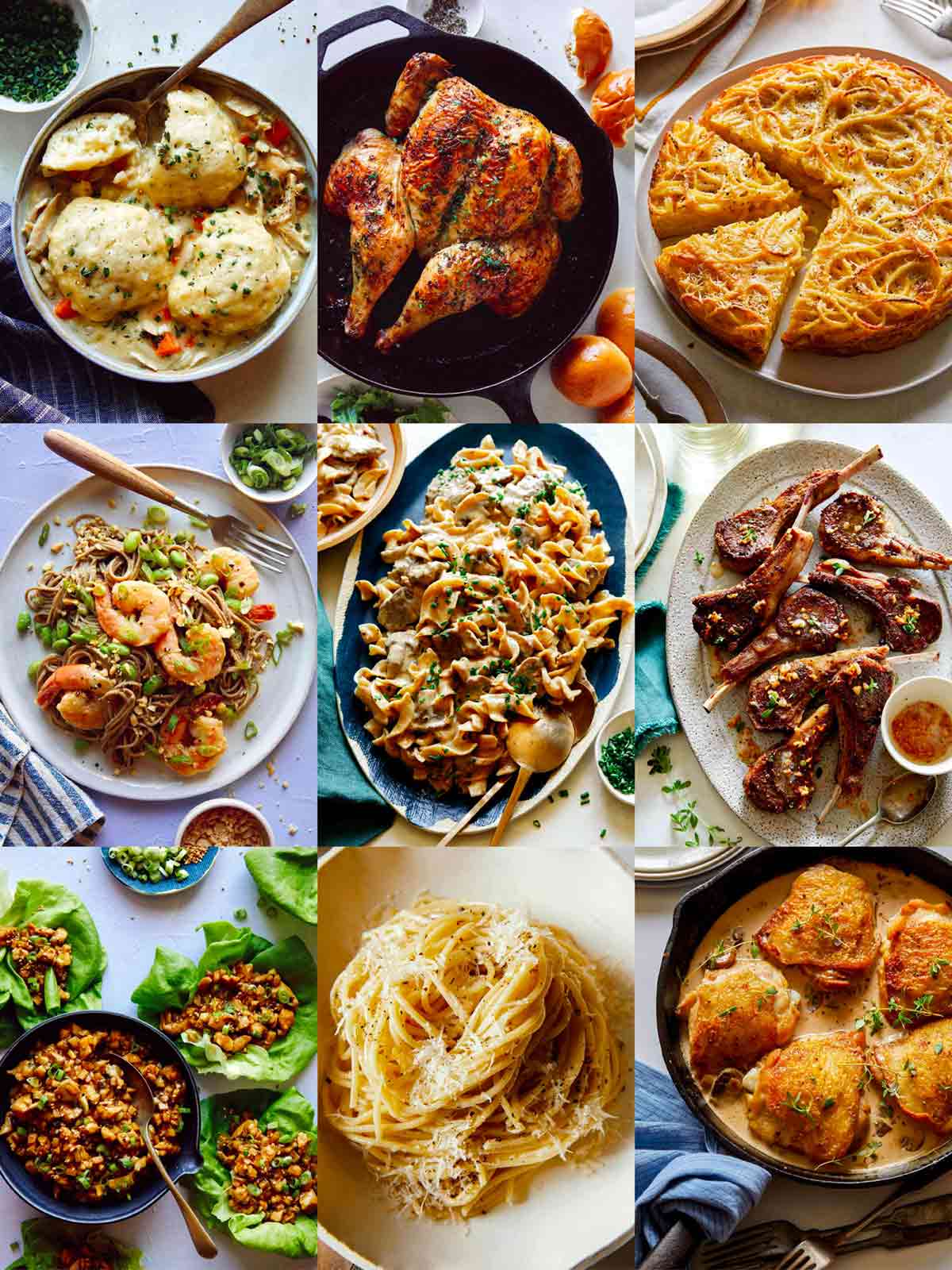
Colorful produce delivers antioxidants, potassium, and water that aid hydration and cellular repair. Aim to fill half the plate with steamed, roasted, or raw varieties to boost fiber intake without heavy calories.
4. Healthy Fats
A drizzle of olive oil, a sprinkle of nuts, or a few slices of avocado help absorb fat-soluble vitamins and support brain function during sleep. Keeping the portion to about one tablespoon keeps calories in check while still providing benefits.
Potential Risks of Certain Food Types for Dinner
1. High-Sugar Foods
Sweets and sugary beverages spike glucose and insulin, which can disrupt sleep cycles and encourage fat storage. Swapping dessert for fresh fruit or spiced yogurt satisfies the sweet tooth with fewer metabolic consequences.
2. Processed Foods
Ready-made entrées, cured meats, and packaged snacks often hide excess sodium and trans fats that promote bloating and overnight water retention. Preparing simple homemade versions allows control over salt and additives.
The Role of Food Types for Dinner in Cultural Practices
1. Mediterranean Diet
Evening meals built around olive oil, vegetables, legumes, and seafood supply heart-friendly mono-unsaturated fats and polyphenols. Traditional patterns emphasize leisurely dining, which aids digestion and portion awareness.
2. Japanese Cuisine
A typical supper of grilled fish, miso soup, and seasonal vegetables offers lean protein, probiotics, and minimal added sugar. The modest serving sizes and variety encourage nutrient diversity without calorie excess.
Conclusion
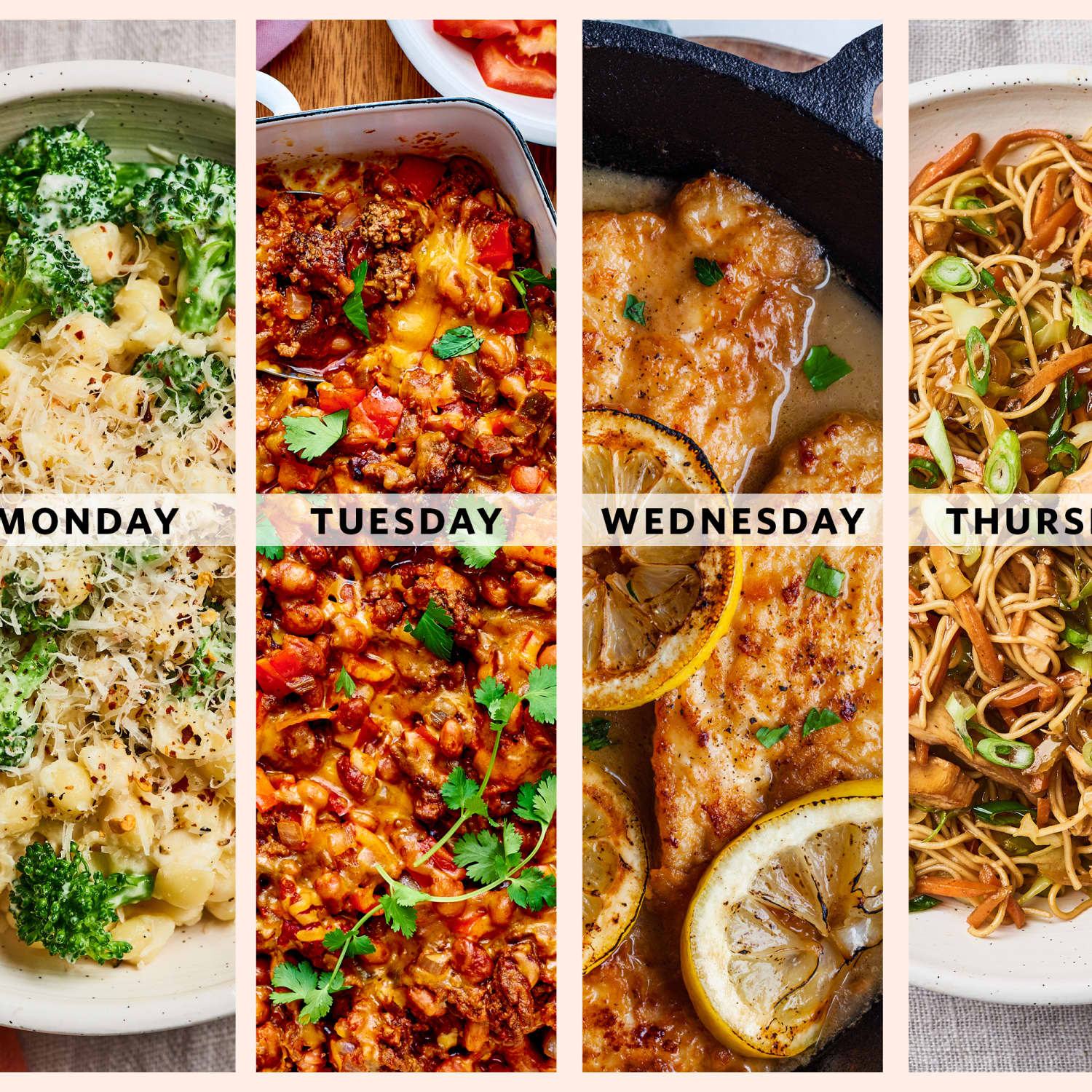
Balanced evening plates—rich in lean protein, whole grains, produce, and healthy fats—support overnight recovery and long-term wellness. Limiting added sugars and heavily processed items reduces strain on metabolism and sleep quality. Drawing inspiration from time-tested cultural patterns can keep dinner both interesting and health-focused.
Recommendations
To promote a healthy dinner routine, the following suggestions are offered:
1. Build meals around lean proteins, whole grains, generous vegetables, and a touch of healthy fat.
2. Keep sugary desserts and ultra-processed snacks as occasional treats rather than daily habits.
3. Experiment with Mediterranean or Japanese-style dinners to diversify flavors and nutrients.
4. Seek guidance from qualified nutrition professionals for advice tailored to personal health goals.
Mindful evening eating can improve sleep, steady energy, and contribute to lasting well-being.


