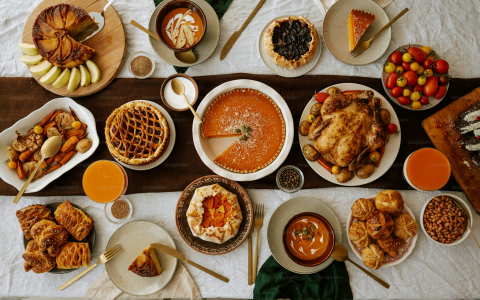
The Evolution and Impact of Culinary Styles: A Global Tasting Tour
Introduction
Culinary styles, the familiar groupings of dishes and techniques that define regional kitchens, have quietly guided the way we eat for centuries. From the comforting tomato-based stews of southern Europe to the bright, herb-heavy plates of Southeast Asia, each style offers a distinct rhythm of flavor. This brief tour looks at how these styles came to be, how they travel, and why they still matter at every table.

The Evolution of Culinary Styles
Ancient Roots
Long before written recipes, early farming communities began turning local grains, pulses, and orchard fruit into repeatable meals. In the warm belt that arcs from the eastern Mediterranean to the Persian Gulf, olive oil, wheat, and lentils became everyday staples, laying the groundwork for what we now call Levantine cooking.
Medieval and Renaissance Periods
As camel caravans and later cargo ships moved spices, sugar, and citrus across continents, cooks in castles and city markets experimented with new aromas. Techniques such as slow braising in sealed pots and the generous use of imported pepper helped shape the refined dishes that would later inspire classic European restaurant menus.

Modern Era
Steamships, refrigeration, and social media shrank the planet. Cooks in one hemisphere can now follow a live demo from another, blending miso with marinara or tacos with kimchi. The result is an ever-growing list of fusion dishes that borrow freely from multiple traditions.
The Impact of Culinary Styles on Global Cuisine
Cultural Identity
A bowl of noodle soup or a clay-pot curry carries stories of climate, language, and family ritual. The Japanese attention to brief cooking times and seasonal garnish, for example, mirrors wider cultural values of simplicity and respect for natural cycles.

Globalization
When people move, their pans and spice kits move with them. Neighborhoods once known for one cuisine suddenly offer banh mi next to baklava, creating edible maps of migration and trade.
Health and Nutrition
Traditional eating patterns built around vegetables, legumes, and olive or nut oils continue to attract nutritionists. Menus that lean on these ingredients often line up with modern advice to favor plants and unsaturated fats.
Factors Contributing to the Development of Culinary Styles

Climate and Geography
Mountain valleys perfect for hardy herbs encourage cured meats and long-simmered broths, while sun-drenched coasts yield abundant tomatoes and peppers that end up in quick, vibrant sautés.
Economic Factors
When imported spices were once worth their weight in silver, cooks learned to stretch a pinch of cinnamon or clove across an entire feast. Today, affordability still shapes whether a dish features prime cuts or humble offal.
Social and Historical Factors

Religious fasting days, royal decrees, and community celebrations have all left their mark. A region that avoids certain meats may instead perfect rich bean stews or delicate fish preparations, turning restriction into creativity.
Conclusion
Culinary styles are living records of geography, trade, and imagination. They connect weeknight dinners to ancient harvests and tomorrow’s fusion experiments. By tasting thoughtfully and cooking curiously, we keep those stories alive and allow new ones to emerge.
Recommendations and Future Research
Cooks, teachers, and curious eaters can keep the conversation going by documenting regional plant varieties, sharing sustainable techniques, and inviting students to trace a single ingredient from field to fork. The more we explore, the richer the shared pantry becomes.