

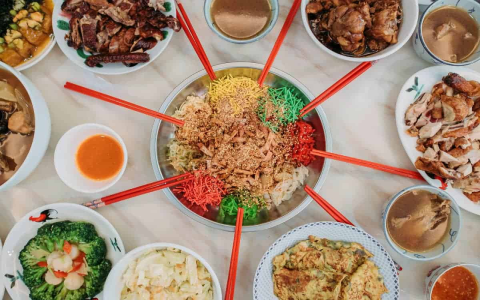
The Art of New Year Recipes: Celebrating Tradition and Innovation
Introduction
The New Year is a moment for celebration, reflection, and fresh beginnings. Across the globe, families and friends gather to mark the occasion with dishes that carry deep meaning. These recipes blend ancestral customs with contemporary creativity, offering a delicious bridge between past and future. This article highlights why these foods matter, how they evolved, and the many ways cultures welcome the calendar’s turn at the table.
The Significance of New Year Recipes
Holiday dishes are rarely just sustenance; they are edible wishes for happiness and success. Round fruits, long noodles, or hidden surprises inside cakes often symbolize continuity, longevity, or luck. Such symbolic ingredients turn the act of eating into a collective ritual of hope, shared by everyone present.
Historical Context of New Year Recipes
Centuries ago, households prepared special meals to honor seasonal cycles and spiritual beliefs. In East Asia, dumplings shaped like ancient currency promised wealth, while sweet rice cakes suggested rising fortunes. Mediterranean families counted twelve bites of fruit at midnight to secure twelve smooth months ahead. Over time, these customs traveled, adapted, and blended with local harvests, creating the rich patchwork we see today.
Diverse Culinary Traditions
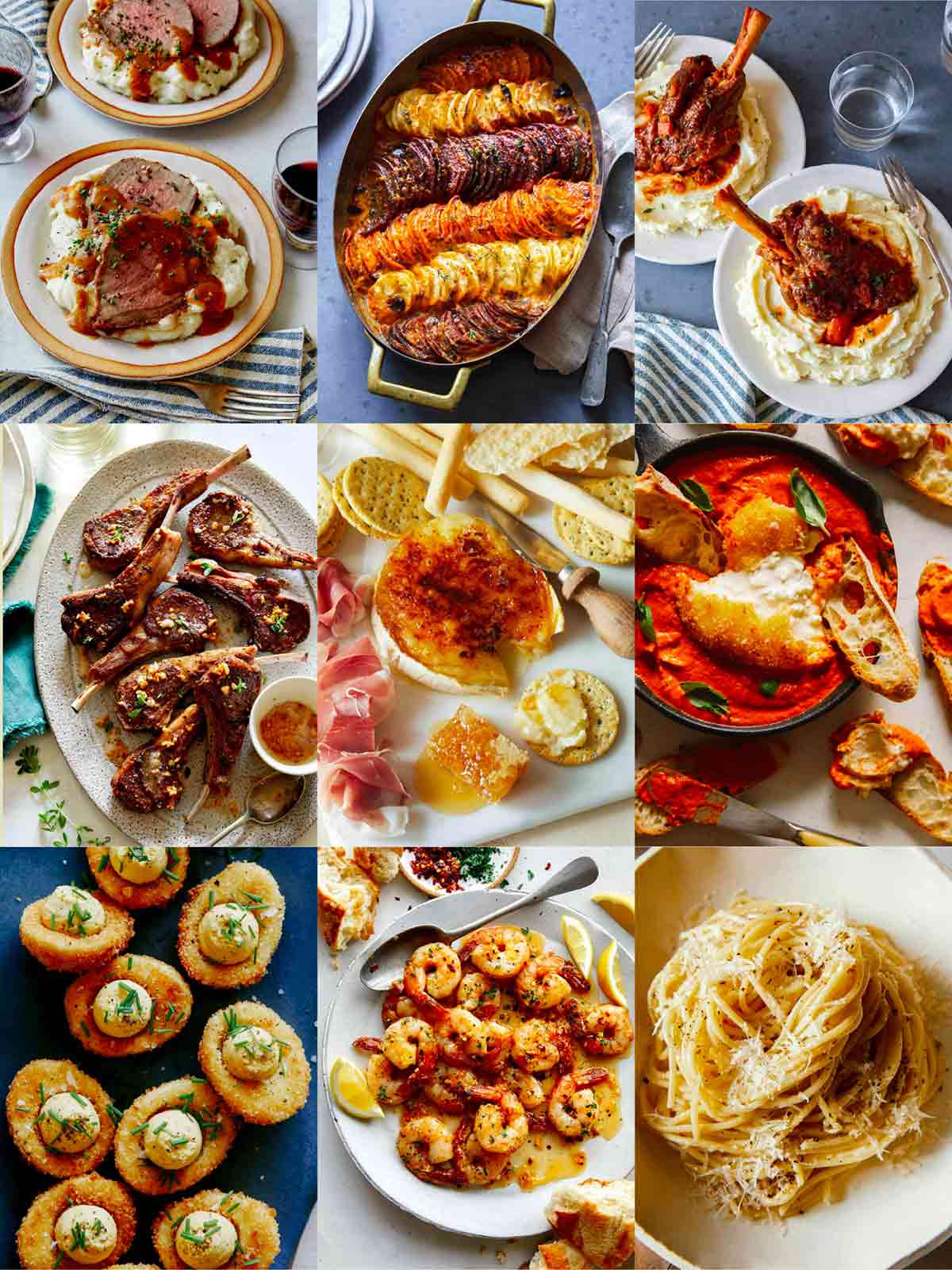
From hearty stews in mountain villages to brightly spiced coastal specialties, every region adds its own voice to the New Year chorus. Latin American tables might feature slow-cooked hominy soups, Nordic homes could offer almond-scented rice puddings, and Middle Eastern feasts may present fragrant rice mixed with herbs and legumes. Each recipe carries the climate, history, and soul of its birthplace.
The Role of Innovation in New Year Recipes
Tradition does not stand still. Modern cooks swap ingredients for healthier or more sustainable options, fuse flavors from other cuisines, or reinterpret classic shapes into elegant new presentations. Sous-vide eggs atop black-eyed-pea cakes or matcha-infused fortune cookies show how innovation keeps heritage alive and exciting.
The Importance of Sharing New Year Recipes
Passing a recipe from one set of hands to another is an act of storytelling. It invites younger generations to taste their roots and encourages neighbors to learn from one another. Whether written on a well-worn card or demonstrated in an online video, each shared dish strengthens community bonds and keeps cultural memory simmering.

Conclusion
New Year recipes are edible chronicles of human hope and creativity. They honor where we come from while making room for who we are becoming. By cooking, tasting, and sharing these foods, we weave ourselves into a timeless global tapestry of celebration that will warm hearts well beyond the next midnight countdown.
Recommendations and Future Research
To keep this culinary heritage vibrant, communities can:
1. Record family recipes in both written and visual formats for safekeeping.

2. Organize workshops that teach traditional techniques alongside modern twists.
3. Host multicultural potlucks where neighbors present their own lucky dishes.
Scholars and enthusiasts might next explore:
1. How migration and global trade reshape ingredient choices in festive meals.
2. Digital tools that archive oral histories linked to signature holiday foods.
3. The potential of food festivals to strengthen intercultural dialogue and sustainable tourism.


