

The Rise of Recipes Online: A Comprehensive Analysis
Introduction
In today’s connected world, the way we discover and follow recipes has changed dramatically. The internet has reshaped the culinary landscape, putting millions of dishes within easy reach. This overview examines how online recipes influence home cooking, the advantages they bring, the obstacles they pose, and the directions they may take next.

The Evolution of Recipes Online
Early Beginnings
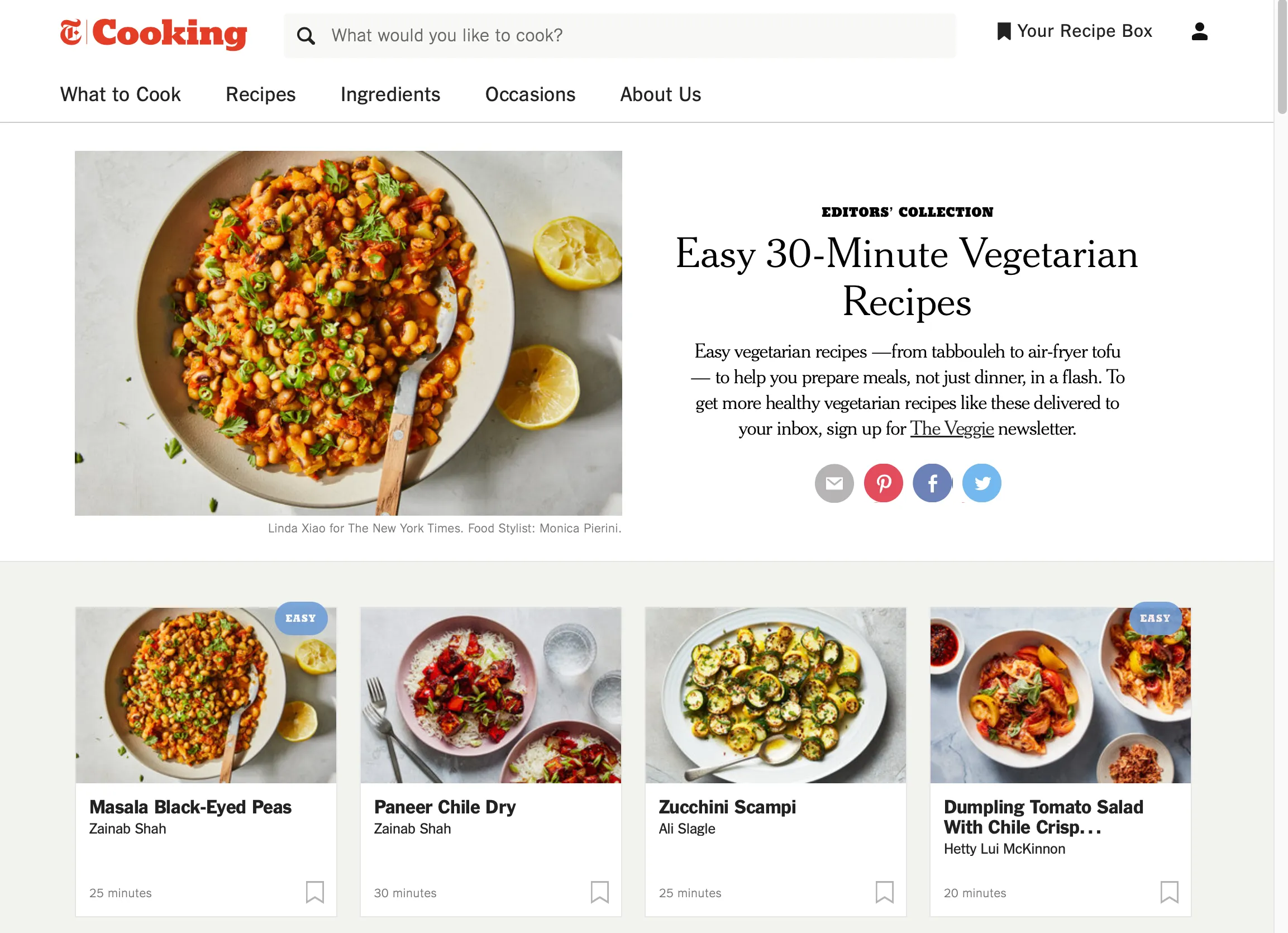
Digital recipe collections first appeared in the early 1990s, shortly after the web itself was born. Small, text-heavy sites invited visitors to browse basic instructions for everyday meals. These modest archives set the stage for the rich, multimedia platforms cooks rely on today.
Growth and Diversification
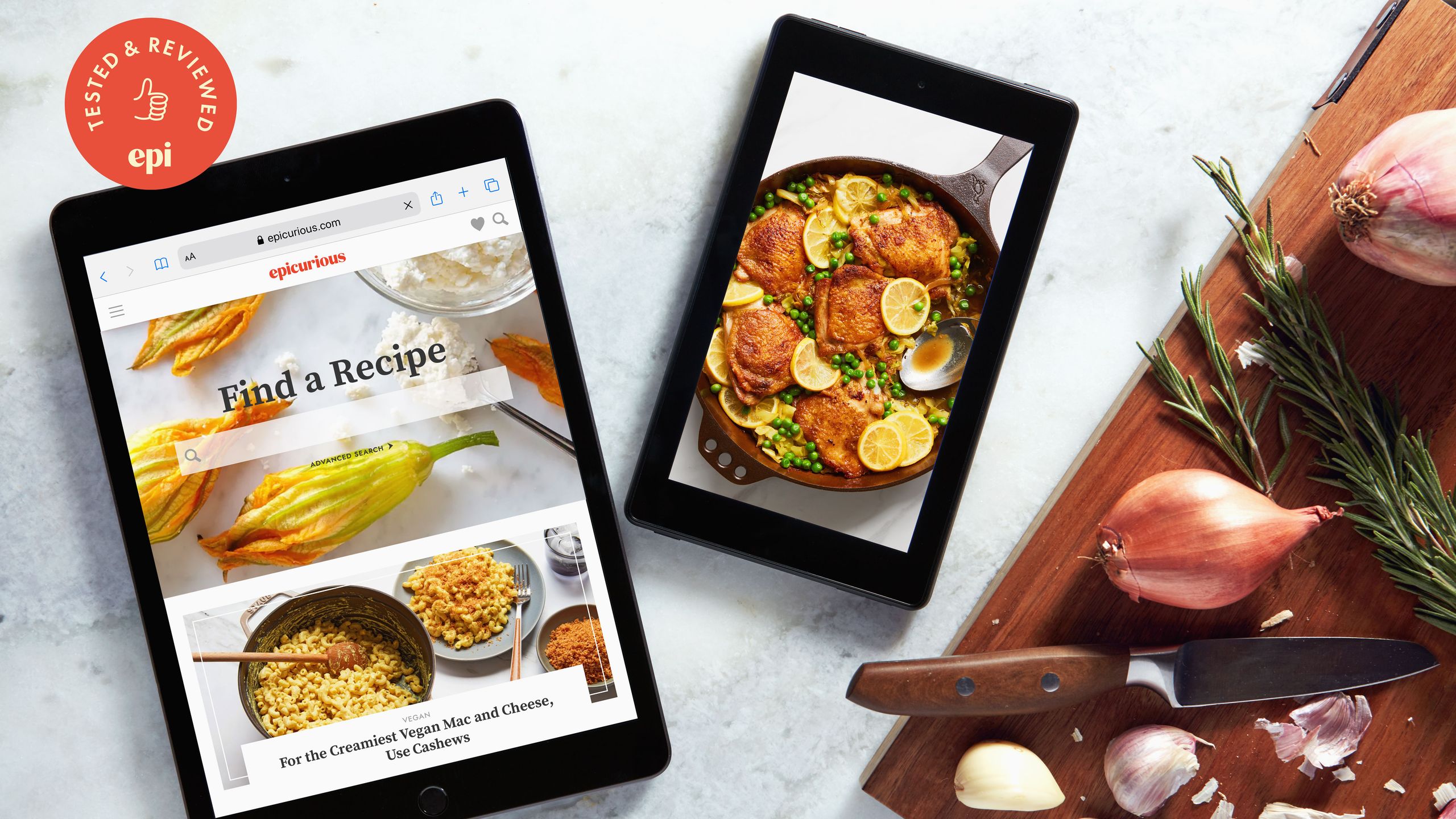
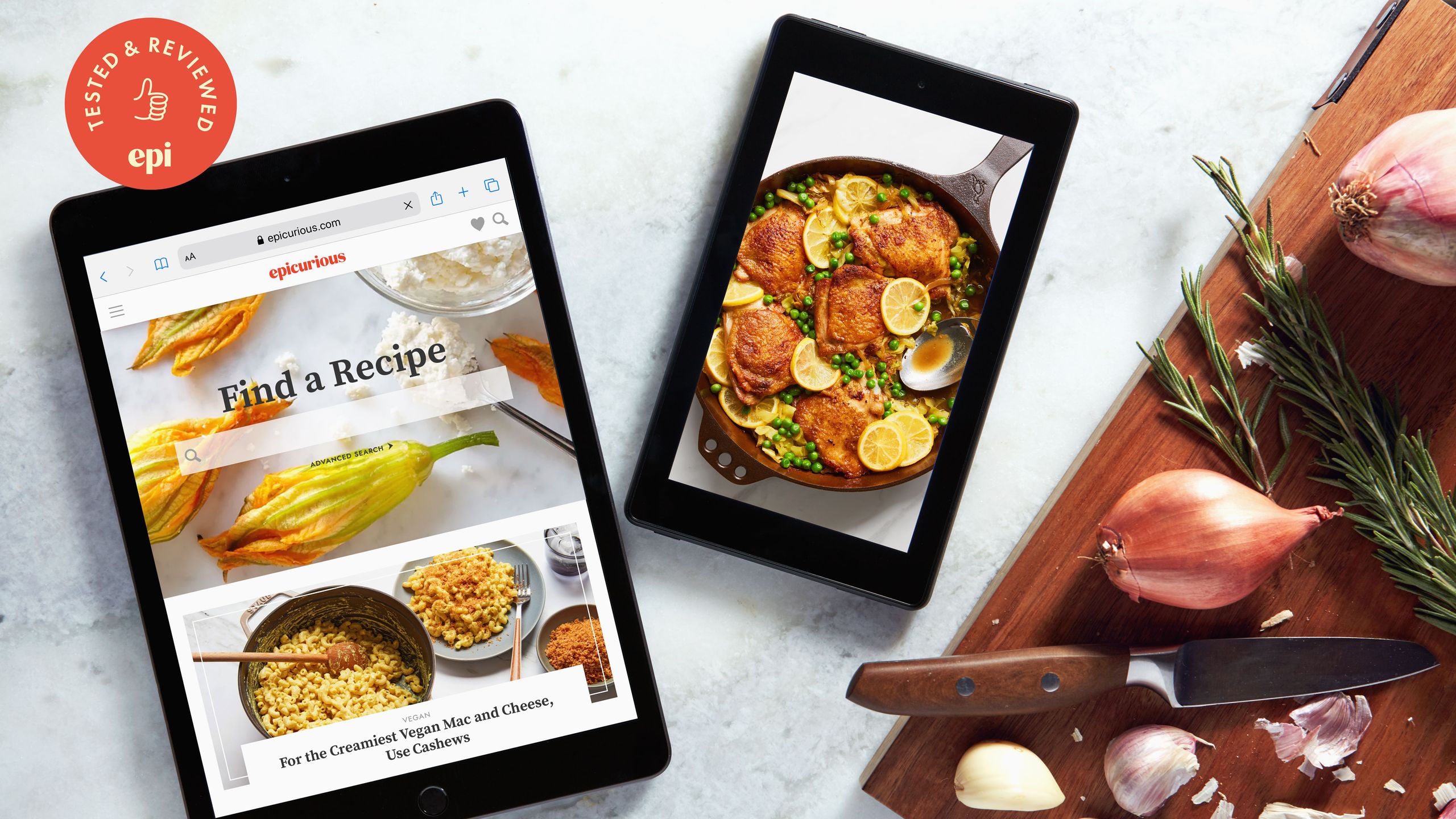
Over the next three decades, recipe repositories multiplied and matured. Interactive search tools, step-by-step photos, and user reviews turned static pages into lively communities. Photo-sharing networks later added visual inspiration, making it simple to save, remix, and showcase dishes from every cuisine imaginable.
Benefits of Recipes Online
Accessibility
Perhaps the greatest benefit is instant access. A quick search connects beginners and seasoned chefs alike to ideas from every corner of the globe, removing traditional barriers of distance, cost, or language.
Variety
Online collections cater to nearly every dietary path—plant-based, allergy-friendly, budget-conscious, or indulgent—allowing individuals to tailor meals to personal health goals and taste preferences without endless cookbook flipping.
Community and Collaboration
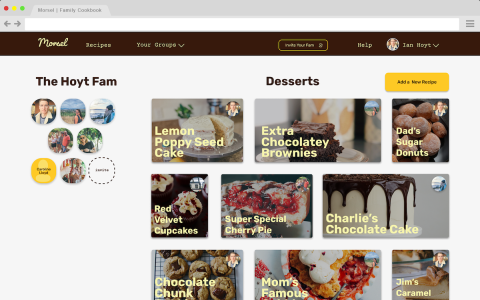
Comment sections, forums, and themed groups encourage real-time feedback and shared creativity. Swapping tips, troubleshooting flops, and celebrating successes together accelerates learning and sparks new twists on classic dishes.
Challenges of Recipes Online
Accuracy and Reliability
Open publishing means quality can vary. Ingredient lists may contain errors, oven temperatures might be off, or yields can be unclear, leaving cooks to guess and adjust mid-process.
Information Overload
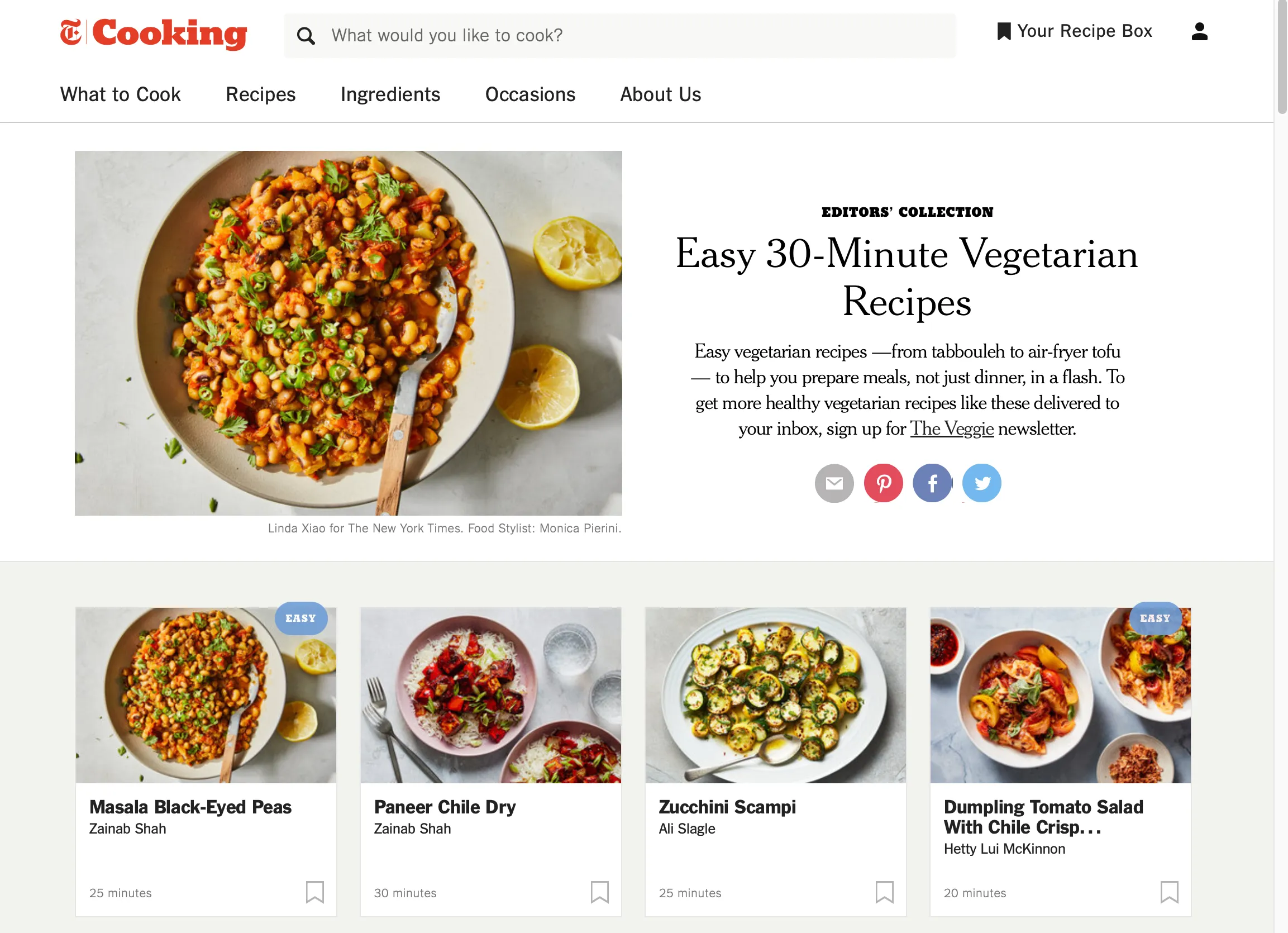
Millions of options can paralyze choice. Sifting through near-identical brownies or competing curry recipes drains time and enthusiasm, sometimes pushing people back to take-out menus.
The Future of Recipes Online
Personalization
Smarter algorithms promise to learn individual tastes, pantry staples, and skill levels, then surface a manageable handful of appealing dishes—turning endless choice into curated inspiration.
Integration with Smart Devices
Voice assistants and connected appliances are beginning to guide cooks hands-free, adjust timers automatically, and even compile shopping lists, streamlining the journey from craving to table.
Conclusion
Online recipes have already redefined how we plan, prepare, and share food. While questions of trust and overload persist, emerging personalization and seamless kitchen tech point toward an even more intuitive and creative cooking experience ahead.
References
– Recent overview of digital culinary education trends, Food Studies Journal, 2020.
– Analysis of social media’s role in spreading new food movements, Digital Media Review, 2019.
– Forward-looking survey of recipe technology and user behavior, Technology & Food Quarterly, 2021.


