

Title: The Art of Crafting: A Comprehensive Guide to Recipe Making
Introduction:
Cooking is a timeless human activity that bridges cultures and generations. A recipe distills experience into clear steps, guiding anyone toward a satisfying dish. This guide looks at why recipes matter, how they have changed, and what makes one reliable. We will examine the building blocks of a recipe, the value of precision, and the creative freedom that keeps cuisine vibrant.

The Evolution of Recipe Making
Early societies shared dishes through spoken word long before anything was written down. Once inscribed on tablets and scrolls, formulas shifted from tonics to everyday meals. Trade routes, seasonal harvests, and migrating cooks steadily widened the range of flavors on the table.
Medieval kitchens refined measurements and techniques, while the Renaissance welcomed new spices and tools. In the modern era, global travel and digital media allow ideas to circulate instantly, turning regional specialties into household staples almost overnight.
The Components of a Recipe
A clear recipe usually contains five elements:
1. Ingredients: Every item is listed in the order it is used, with concise descriptions of size or state—chopped, melted, room temperature, and so on.
2. Instructions: Short, active sentences describe what to do, keeping each step to a single action so the cook can stay focused.

3. Techniques: Simple verbs—whisk, fold, simmer—signal the method. When a special skill is required, a brief note explains how to judge readiness.
4. Equipment: Common tools appear first; anything unusual is mentioned early so the cook can prepare in advance.
5. Timing: Total duration is stated up front, while individual intervals sit beside the relevant step, helping the cook pace the work.
The Importance of Following Instructions
Sticking to the stated heat level, sequence, and portion size gives the best chance of replicating the intended taste and texture. Consistent practice builds intuition, turning novice cooks into confident ones who understand why each action matters.
Once the basics feel natural, small thoughtful tweaks become easier to manage without sacrificing safety or balance.
The Role of Experimentation
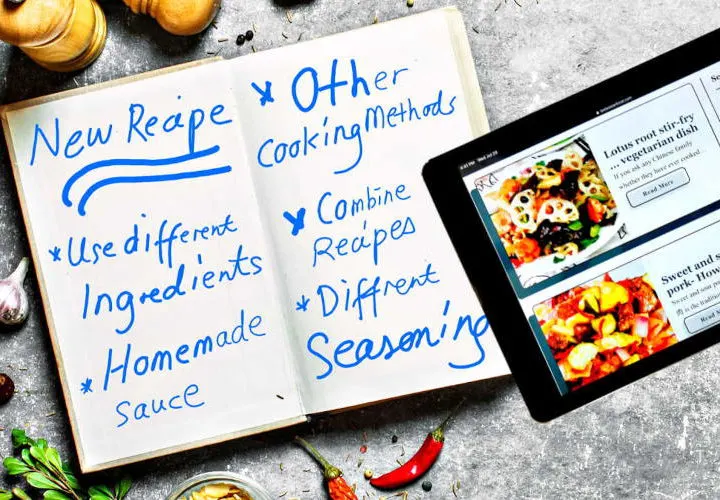
After mastering a dish, playful changes keep it exciting. Swapping herbs, adjusting sweetness, or trying a different cooking surface can reveal new favorites. Careful notes ensure successful variations can be repeated and shared, adding personal flair to the ongoing story of food.
The Importance of Recipe Making
Recipes serve several broad purposes:
1. Cultural Continuity: They carry stories, ingredients, and customs across time, letting each generation taste its heritage.
2. Health and Balance: Thoughtful choices about produce, grains, and proteins support varied, nutritious meals suited to different lifestyles.
3. Community and Connection: Cooking together or exchanging dishes strengthens bonds, turning meals into shared memories.
Conclusion:
Creating and sharing recipes is both practical and creative. By respecting fundamentals while staying open to change, anyone can turn raw ingredients into comforting, exciting food. Whether preserving tradition or inventing something new, the simple act of writing a recipe keeps culinary knowledge alive and invites others to gather around the table.


