The Art of Crafting Restaurant Menu Ideas and Recipes
Introduction
The restaurant world is fast-moving and crowded, and the menu often decides whether tables stay full or empty. A thoughtfully planned lineup of dishes can turn first-time guests into regulars. This piece explores how to dream up menu concepts and translate them into reliable recipes, balancing creativity with what today’s diners expect.
Understanding the Customer
Before any dish is sketched, it pays to picture who will eat it. Age range, lifestyle, and how often people eat out all shape the final list of offerings.
Demographics
Younger guests often chase novelty and Instagram-worthy plates, while older patrons may look for familiar comfort foods. Income level also guides portion size and price point.
Preferences
Plant-forward, gluten-free, and lower-carb requests keep rising. A flexible menu that quietly covers these needs widens the net without cluttering the page.
Dining Habits
Weekday lunch crowds want speed; weekend diners want an experience. Noting the rhythm of service helps decide where to place quick bites versus slow-savor dishes.
Menu Design Principles
Once the audience is clear, the physical or digital menu should invite, not overwhelm. A few guiding ideas keep it friendly.
Clarity and Simplicity
Short descriptions, consistent fonts, and logical groupings let eyes travel naturally from appetizers to desserts.
Visual Appeal
A handful of well-shot photos can spark appetite, but restraint prevents a catalog look. White space and color accents frame the food, not compete with it.
Pricing Strategy
Round numbers feel honest, while slightly smaller type or removing currency symbols softens sticker shock. Mix high-margin staples with signature splurges to balance checks and kitchen load.
Innovative Menu Ideas
Novelty keeps regulars curious and newcomers talking. Below are evergreen angles that still feel fresh.
Seasonal Dishes
Rotating items around produce peaks keeps food costs down and flavors up. A short footnote about the nearby farm or market adds story without sermon.
Global Flavors
A single sauce, spice, or cooking technique borrowed from another cuisine can refresh a familiar protein. Think miso-butter mash or chimichurri on roasted vegetables.
Healthy Options
Dishes that swap refined carbs for whole grains, or feature naturally vibrant colors, satisfy the “feel-good” order without tasting like sacrifice.
Signature Dishes
One or two plates that arrive nowhere else give marketing copy its hook and give chefs their creative flag. Make them memorable yet replicable night after night.
Crafting Recipes
Ideas on paper must survive the dinner rush. Precision and taste testing turn concept into consistency.
Quality Ingredients
Fresh produce, responsibly raised proteins, and aromatic spices build flavor before any technique enters the pan.
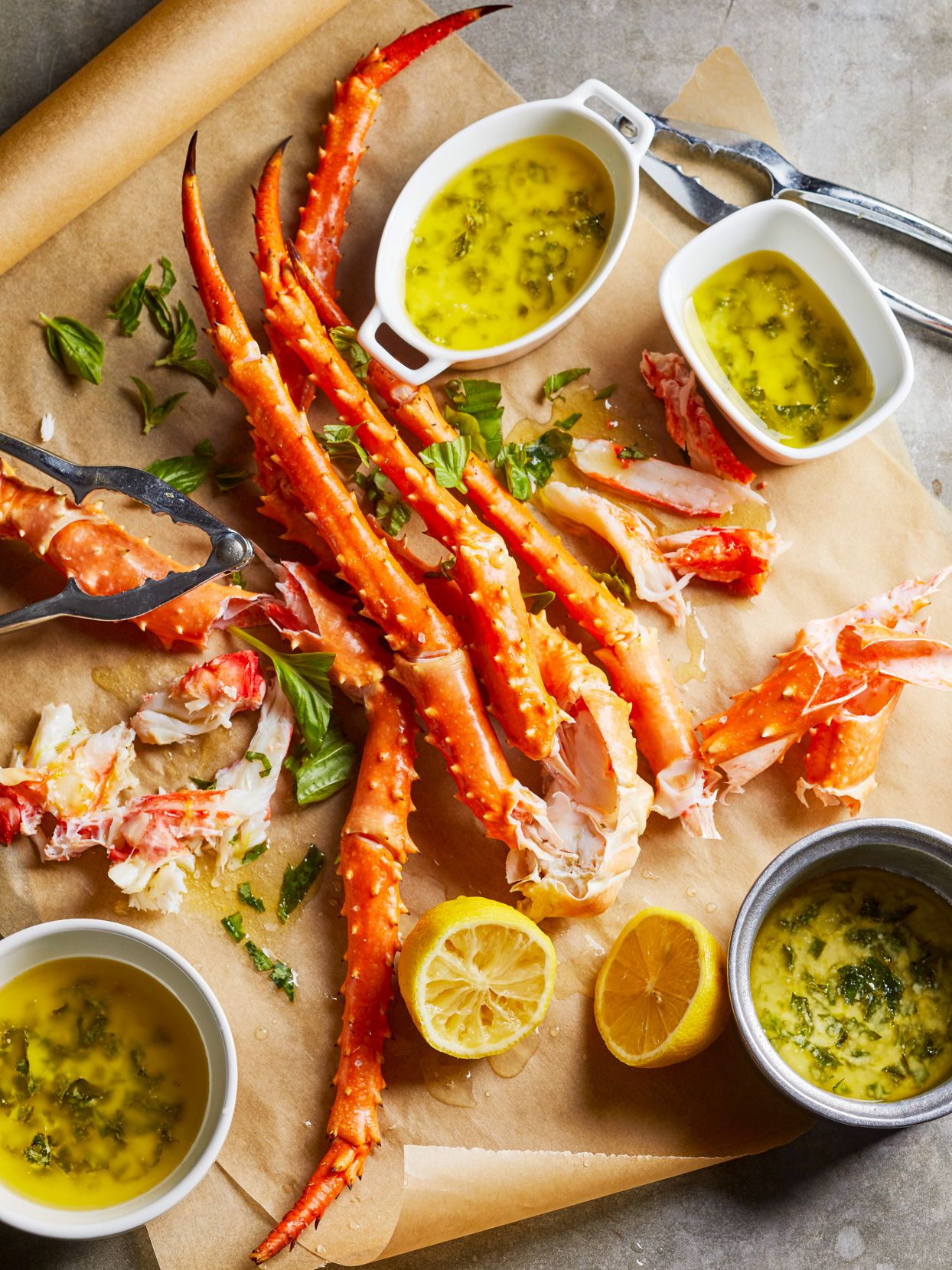
Recipe Development
Start with a flavor profile, then balance sweet, sour, salty, bitter, and umami. Record weights and times early; memories blur after the third tweak.
Consistency
Standardized prep sheets, tasting spoons at every station, and a short mid-shift check keep plates uniform even when lines get long.
Feedback and Adaptation
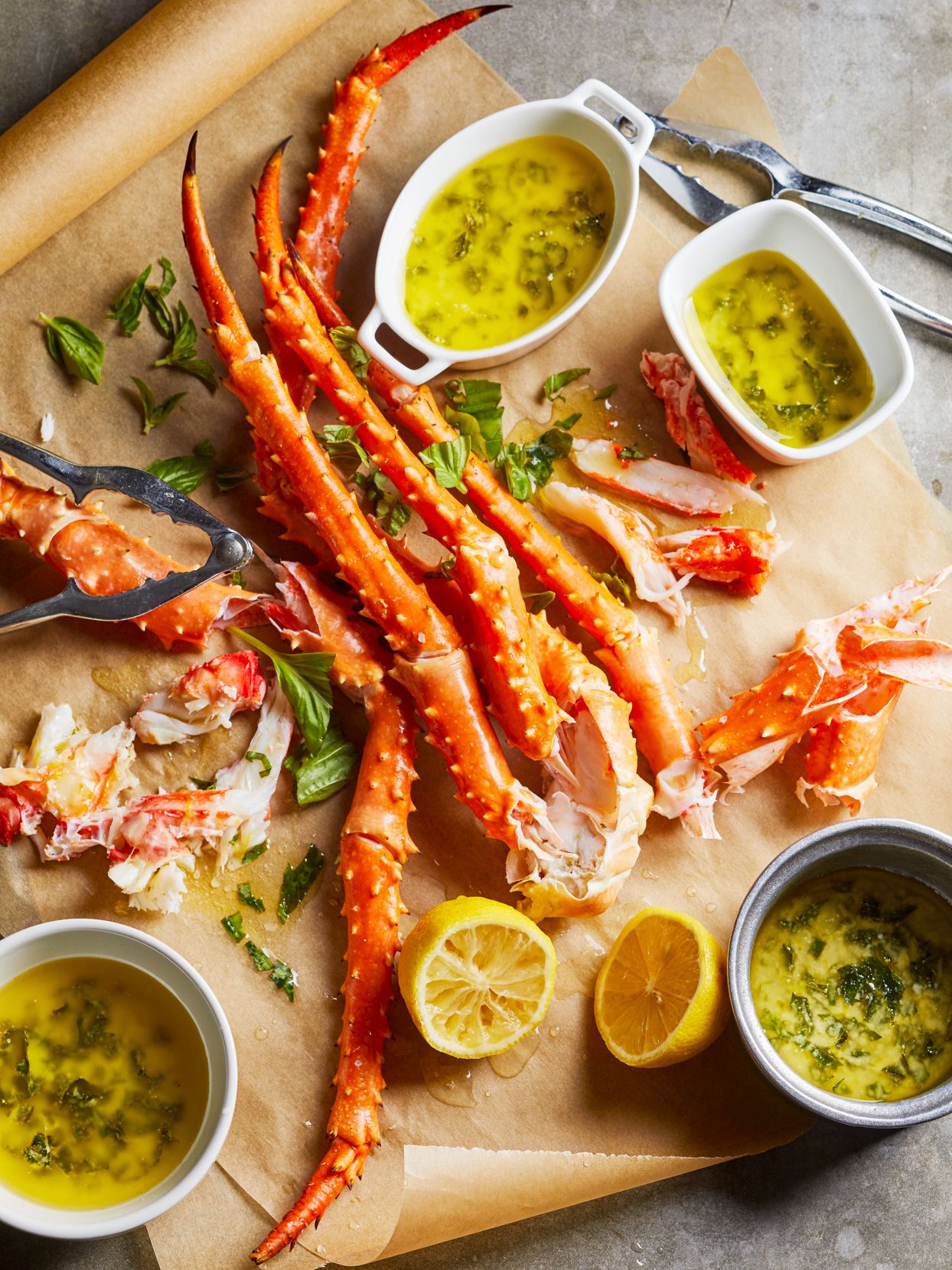
Encourage servers to relay guest comments and watch what returns half-eaten. Small seasoning or portion adjustments often rescue a dish from the chopping block.
Conclusion
A winning menu is equal parts psychology, seasonality, and solid cooking. By listening to diners, designing for clarity, and refining recipes until they run like clockwork, restaurants create experiences worth repeating—and sharing.
Future Directions
Tomorrow’s menus will bend with tech, values, and personal taste. Expect digital tablets that filter by diet, kitchens that track waste per gram, and specials tuned to real-time weather. Staying light on foot and open to change keeps the next service as exciting as the first.