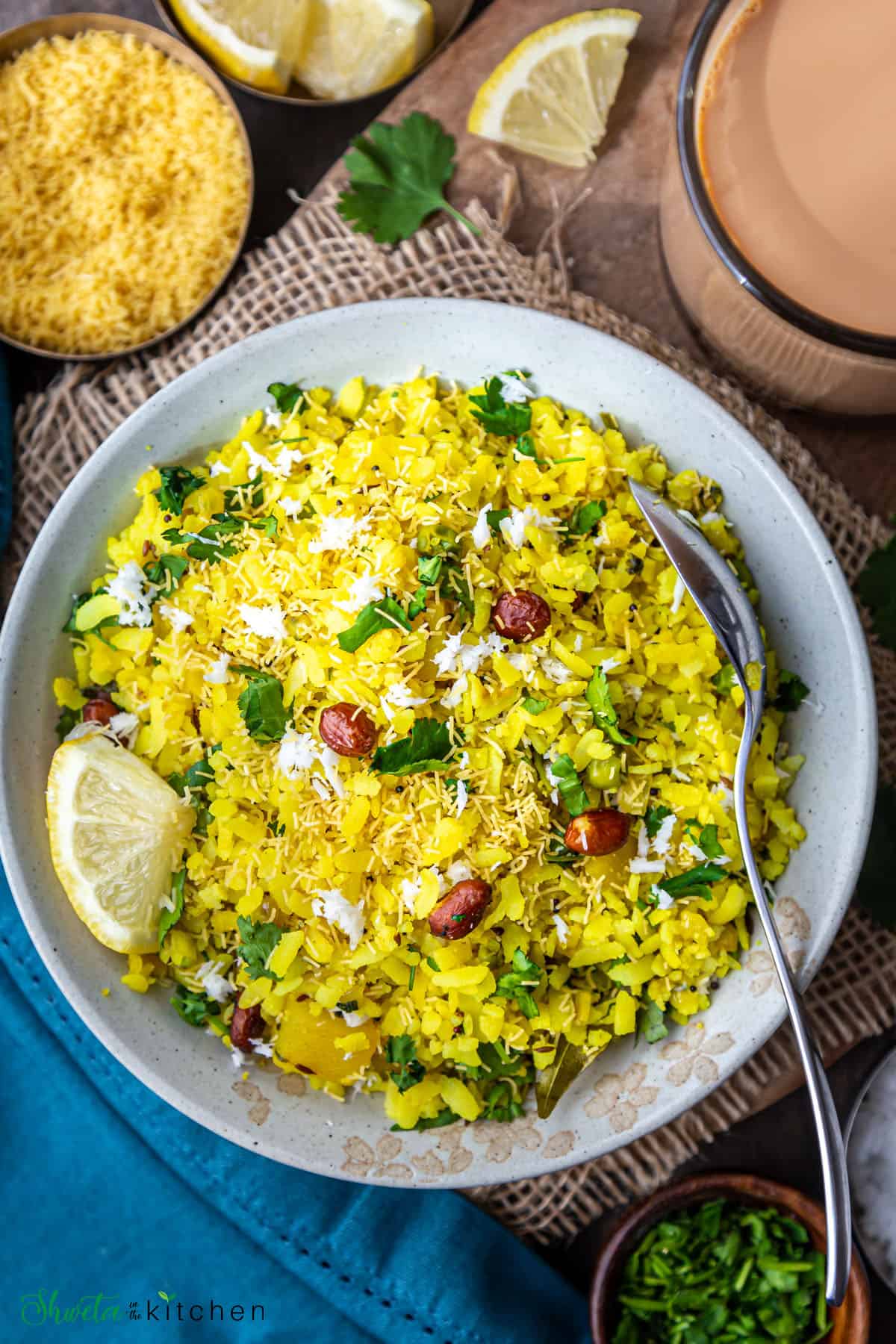
The Art and Science of Flattened-Rice Breakfast: A Culinary Journey
Introduction
Flattened rice, often called beaten rice, is a light morning staple enjoyed across South Asia. Its mild taste and quick cooking time have made it a go-to choice for busy households. This piece looks at how the dish is made, why it matters culturally, and the many ways cooks adapt it while keeping its comforting appeal.
The History of Flattened Rice Dishes
Versions of this recipe first appeared centuries ago in western India, where farmers needed a fast, filling start to the day. The technique of flattening par-boiled grains spread along trade routes, and soon each region added its own twist, turning a simple preserve-able grain into a beloved breakfast classic.
The Science Behind the Recipe
Producing flattened rice begins with soaking, steaming, then pressing grains until they form thin flakes. The increased surface area lets them rehydrate in minutes and pick up seasonings readily.
Typical steps are:
1. Brief rinse: Flakes are sprinkled with water to soften without turning mushy.
2. Draining: Excess moisture is shaken off so the grains stay separate while cooking.
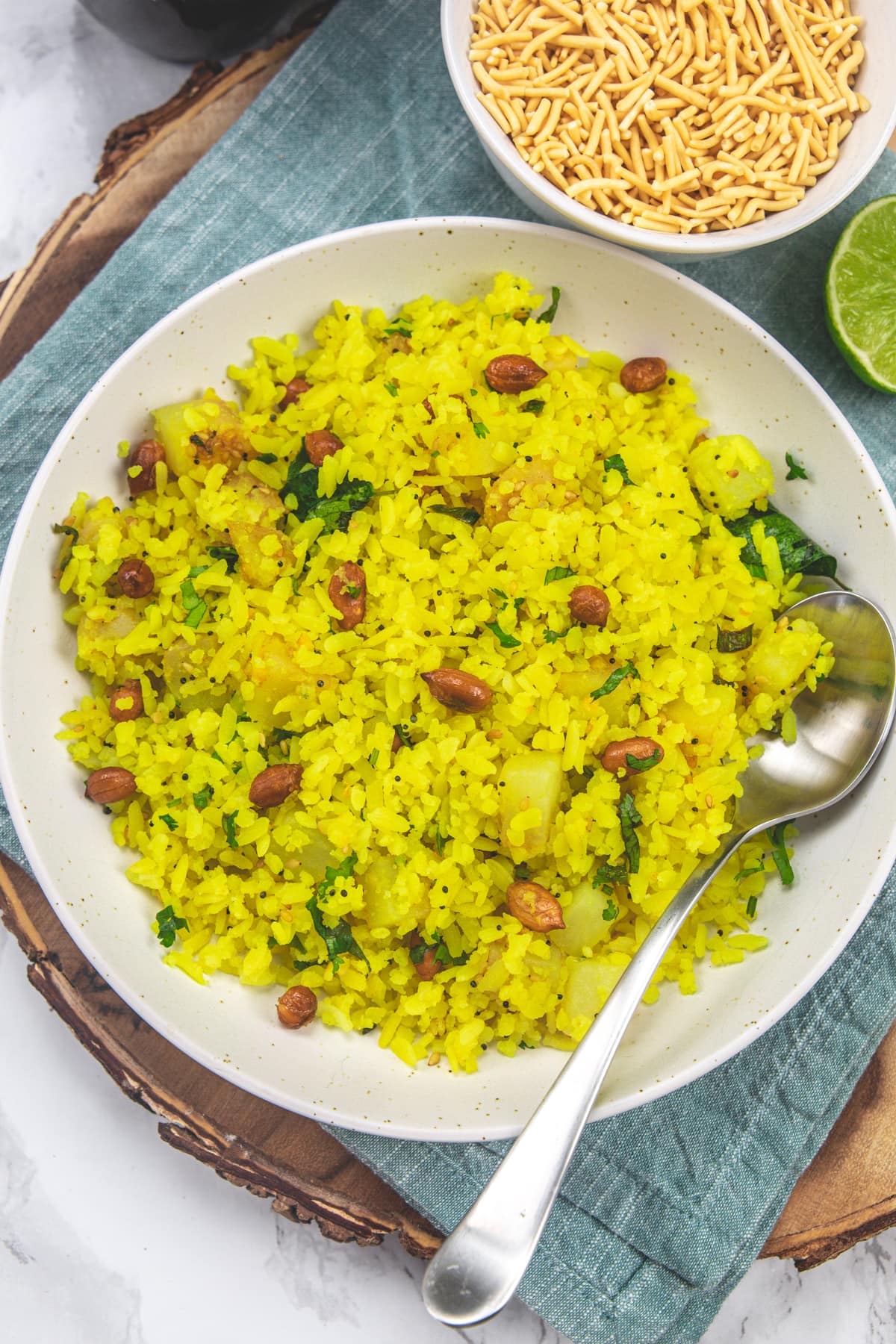
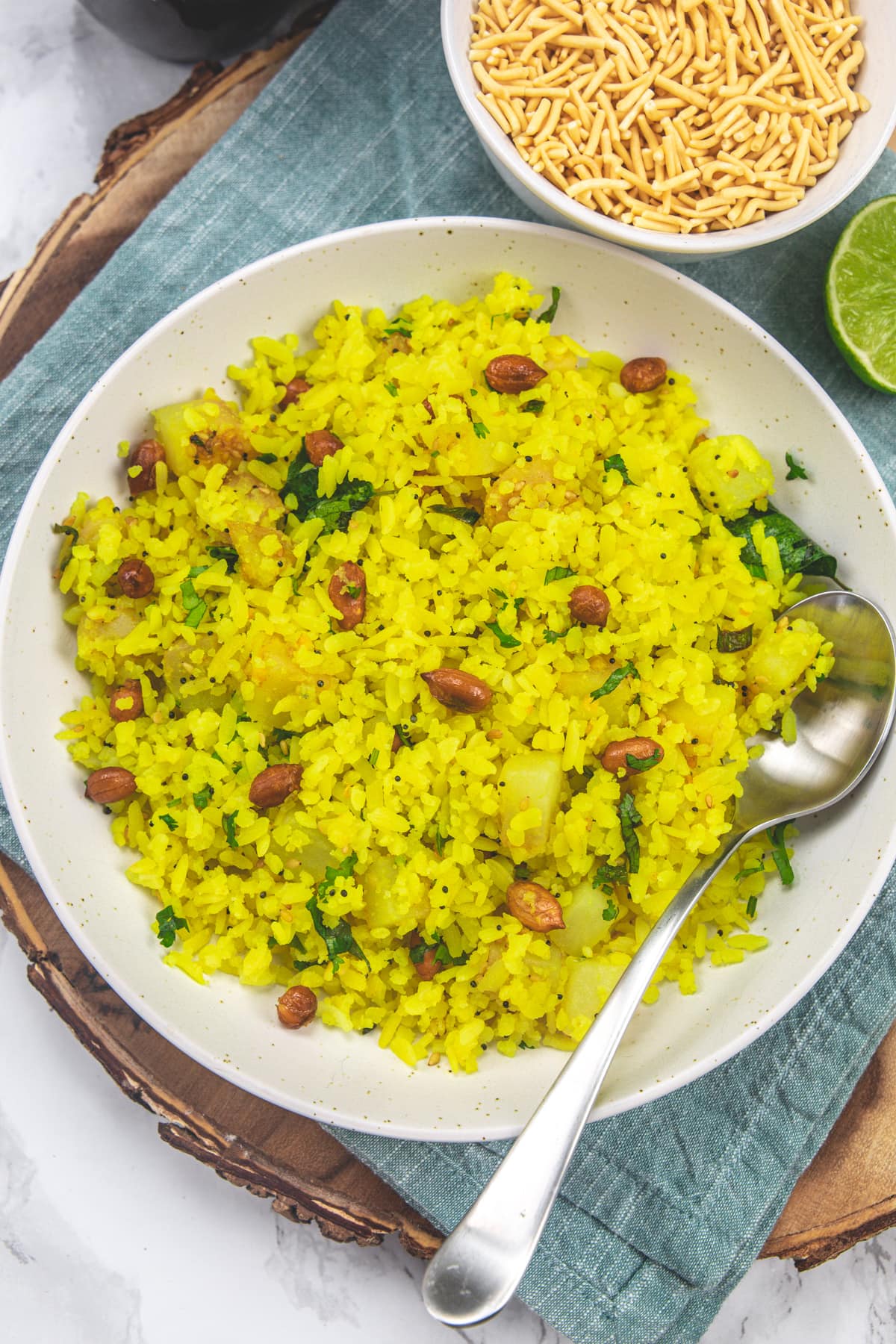
3. Tempering: Oil or clarified butter is heated with mustard seeds, curry leaves and turmeric to bloom flavor.
4. Tossing: The hydrated flakes are folded in gently, warmed through, then brightened with lemon juice and fresh herbs.
Heat gelatinizes the starches, creating a tender yet separate texture. A short cooking time keeps the dish fluffy and prevents it from becoming dense.
Nutritional Benefits
A serving delivers quick-release carbohydrates for morning energy, while remaining naturally low in fat. Because the grains are par-boiled before flattening, some micronutrients are retained that might otherwise be lost in refining.
Key points:
1. Carbs: Provide readily available fuel for brain and muscles.
2. Fiber: Aids gentle digestion and helps maintain steady blood-sugar levels.
3. Lightness: Easy on the stomach, making it suitable for both children and elders.
4. Pairing potential: Adding nuts, yogurt or seasonal fruit rounds out the amino-acid profile.
Diverse Variations
Cooks treat the flakes like a blank canvas, mixing in whatever is fresh or on hand.
1. Garden medley: Diced carrots, peas and bell pepper add color and crunch.
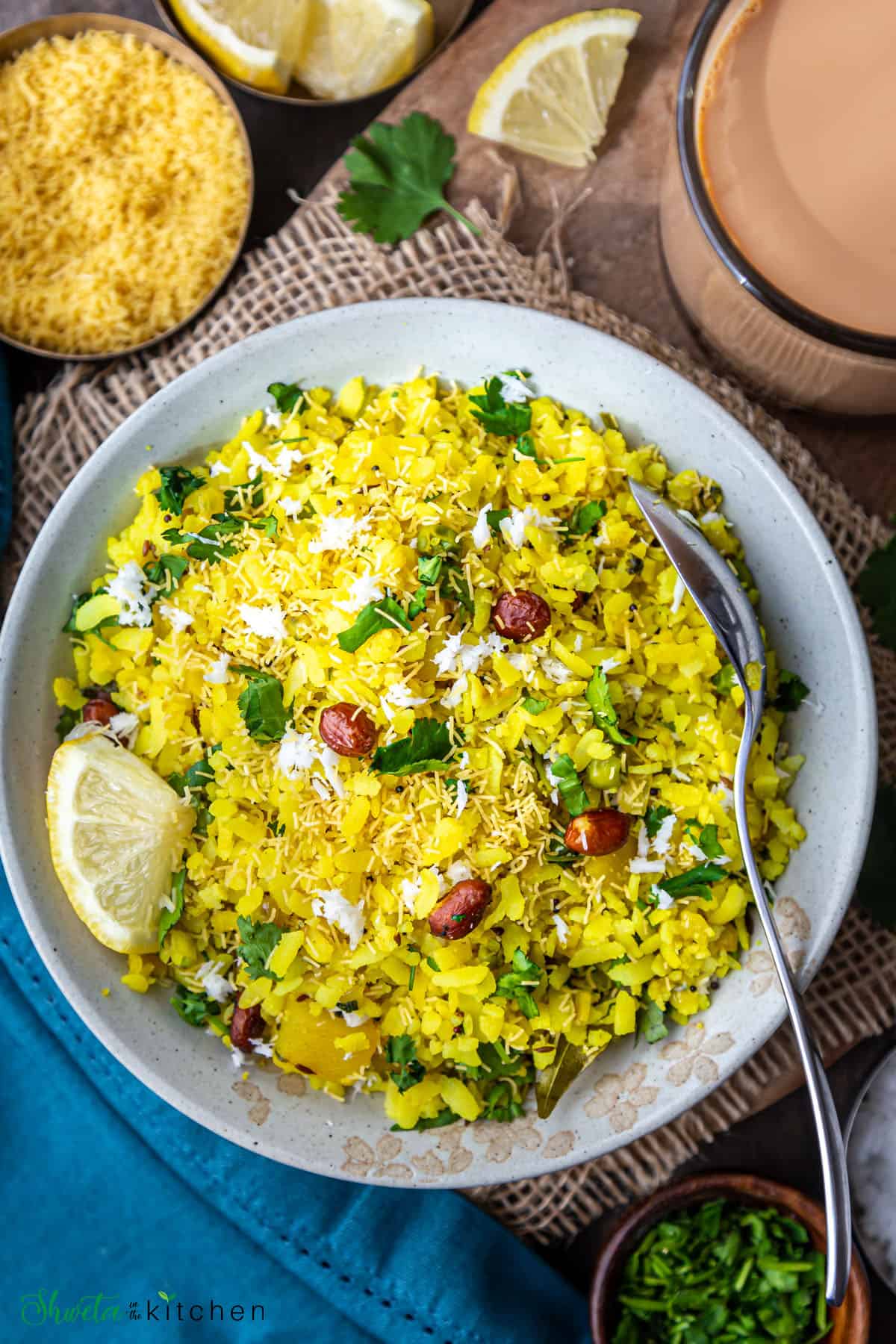
2. Protein boost: A handful of roasted peanuts or cashews supplies healthy fats.
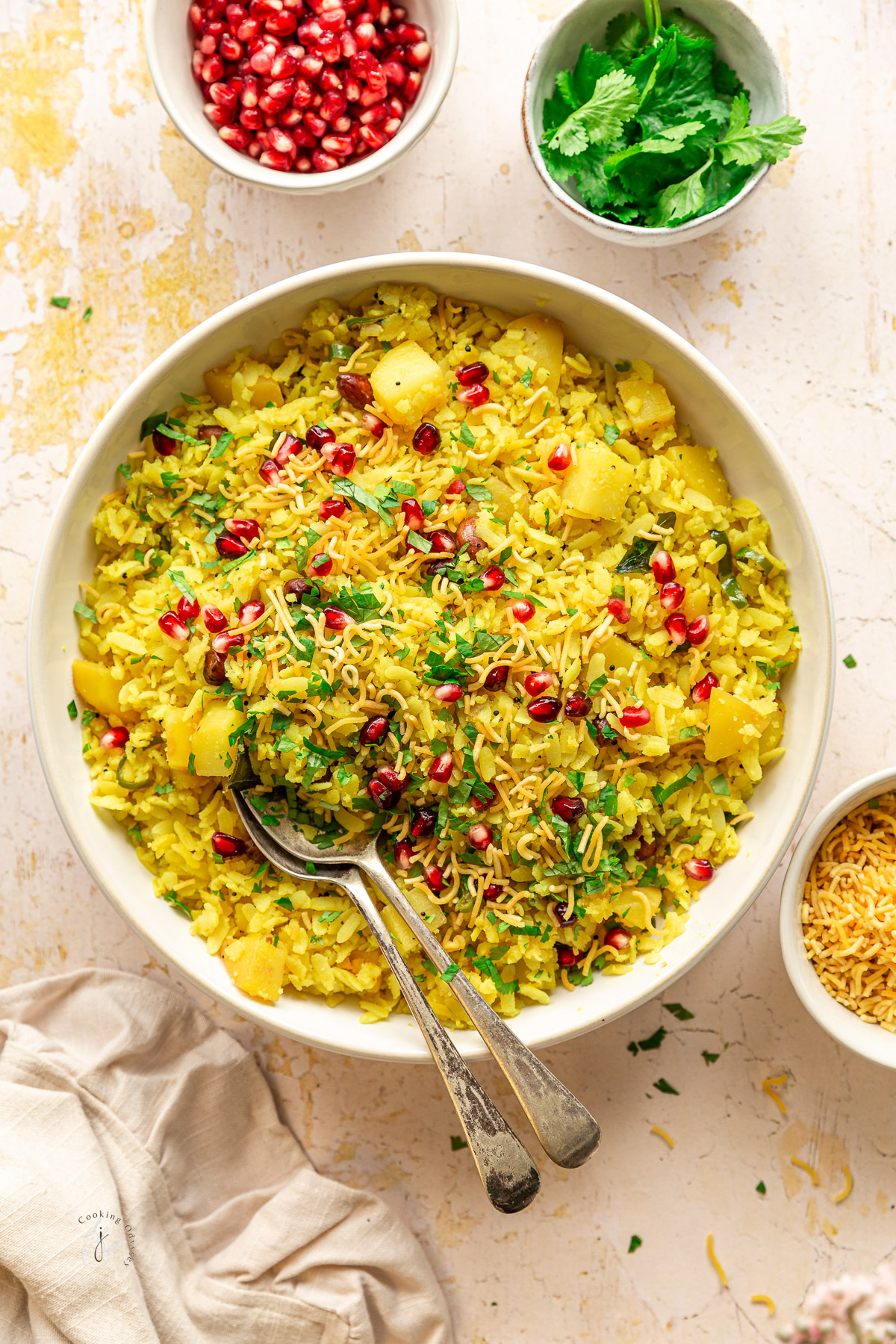
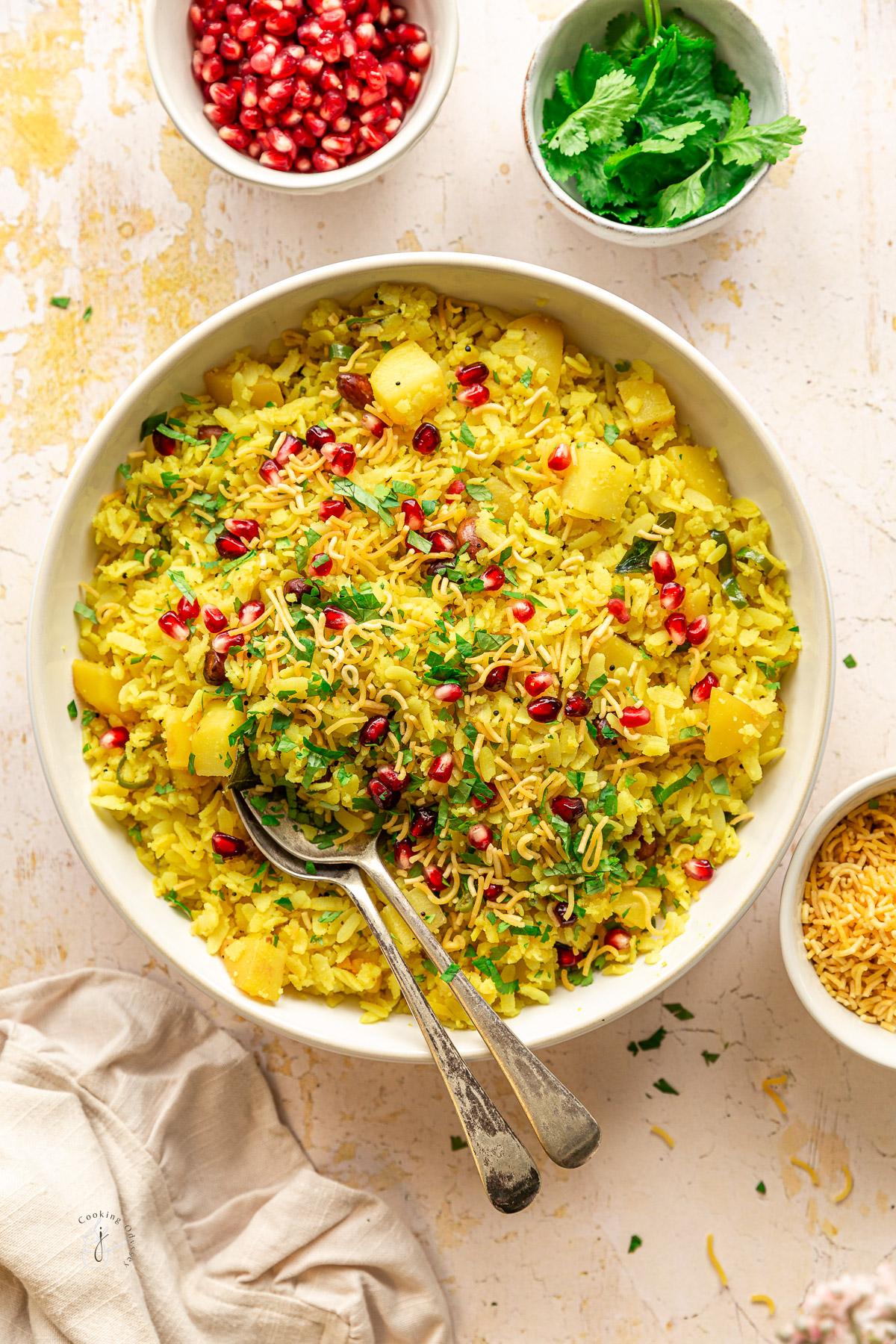
3. Tangy twist: A splash of pomegranate seeds or a squeeze of lime wakes up the palate.
4. Sweet version: For an afternoon snack, flakes are warmed with milk, cardamom and a touch of honey.
Conclusion
What began as a practical way to preserve and speed up rice cooking has become a cherished morning ritual. The dish’s neutral base invites creativity while its short prep time fits modern schedules. By appreciating both the technique and the flexibility of flattened rice, home cooks can keep a wholesome, comforting breakfast on the table with minimal effort and endless variety.