

The Diverse World of Types of Cuisines
Cuisine, the art of cooking, mirrors culture, history, and geography. It speaks a universal language that crosses borders, uniting people through shared flavors and time-honored rituals. Across the planet, culinary styles are as varied as the landscapes that shaped them, offering endless choices for every palate. This article tours the major culinary families, highlighting what makes each distinct and why they matter.
1. Mediterranean Cuisine
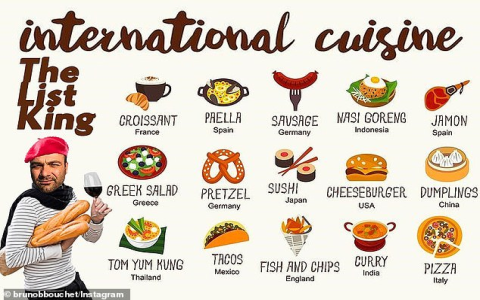
Mediterranean fare celebrates sun-kissed produce and generous pours of olive oil. Stretching from southern Europe to North Africa and the Levant, it leans on olives, tomatoes, garlic, fresh herbs, and the daily catch. Classics such as pasta, wood-fired pizza, Greek village salad, and saffron-scented paella need little introduction. Nutritionists often praise this pattern of eating for its potential to support heart health and graceful aging.

2. Asian Cuisine
Asian kitchens form a vast patchwork of tastes and techniques. From the soy-ginger balance of Chinese wok dishes to the pristine simplicity of Japanese sushi, the chili-fired curries of Thailand, and the spice-laden gravies of India, each region follows its own compass. Rice, noodles, coconut, lemongrass, turmeric, and umami-rich condiments appear in countless guises, making the continent a playground for balanced, vegetable-forward meals.
3. European Cuisine
Europe’s tables blend centuries-old regional pride with refined technique. French cooks prize butter, wine, and patient reduction; think coq au vin or silky crème brûlée. Germans reach for comfort in crusty breads, tangy sauerkraut, and grilled sausages. Italian kitchens honor wheat, olive oil, and seasonal produce in everything from al dente pasta to creamy risotto. Shared themes—respect for fresh produce and moderate portions—tie the continent together.
4. African Cuisine
African cooking pulses with color, aroma, and communal spirit. North African tagines perfume the air with cinnamon and preserved lemon, while West African jollof rice turns simple grains into party fare. Staples such as millet, sorghum, plantain, and cassava anchor meals from the Sahel to the Cape. Spice blends like berbere and ras el hanout reveal a continent-wide love for layered heat and fragrance.
5. Latin American Cuisine
Latin American pots stir together indigenous heritage and colonial echoes. Corn, beans, and chili peppers form the holy trinity across much of the region. Argentines sear grass-fed beef over open flames, Peruvians ceviche the morning’s catch in lime, and Mexicans fold soft tortillas around endless fillings. Tropical fruits, aromatic cilantro, and smoky chipotle keep the flavor dial firmly set to bold.
6. American Cuisine
American food tells a story of convergence. Native corn and berries, European breads and pies, African okra and frying techniques, and later Asian stir-fries all merged on one vast table. Regional icons—New England clam chowder, Louisiana gumbo, Texas brisket, Pacific Northwest salmon—show how local ingredients and immigrant ingenuity keep reinventing the plate.
Conclusion
The world’s cuisines are edible postcards from distant corners of human experience. Each bite carries whispers of climate, trade routes, celebration, and survival. Tasting them widens our worldview, reminding us that difference is delicious and common ground can be as simple as a shared meal.
Continuing to explore global kitchens deepens both palate and perspective. It encourages curiosity, sparks conversation, and nurtures respect for the countless hands that stir the pot. As we savor new flavors, we also sow seeds of connection—one recipe, one table, one welcoming bite at a time.


