

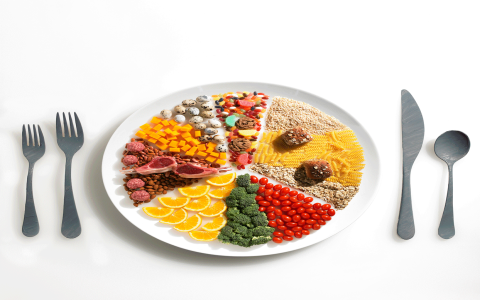
The Diverse Types of Food: A Comprehensive Exploration
Introduction
Food is a universal cornerstone of daily life, shaping routines, celebrations, and identities. The sheer range of edible choices found worldwide mirrors centuries of adaptation to climate, trade, and taste. This overview surveys major food categories, highlighting their traits, nutrients, and the roles they play on the table and in tradition.
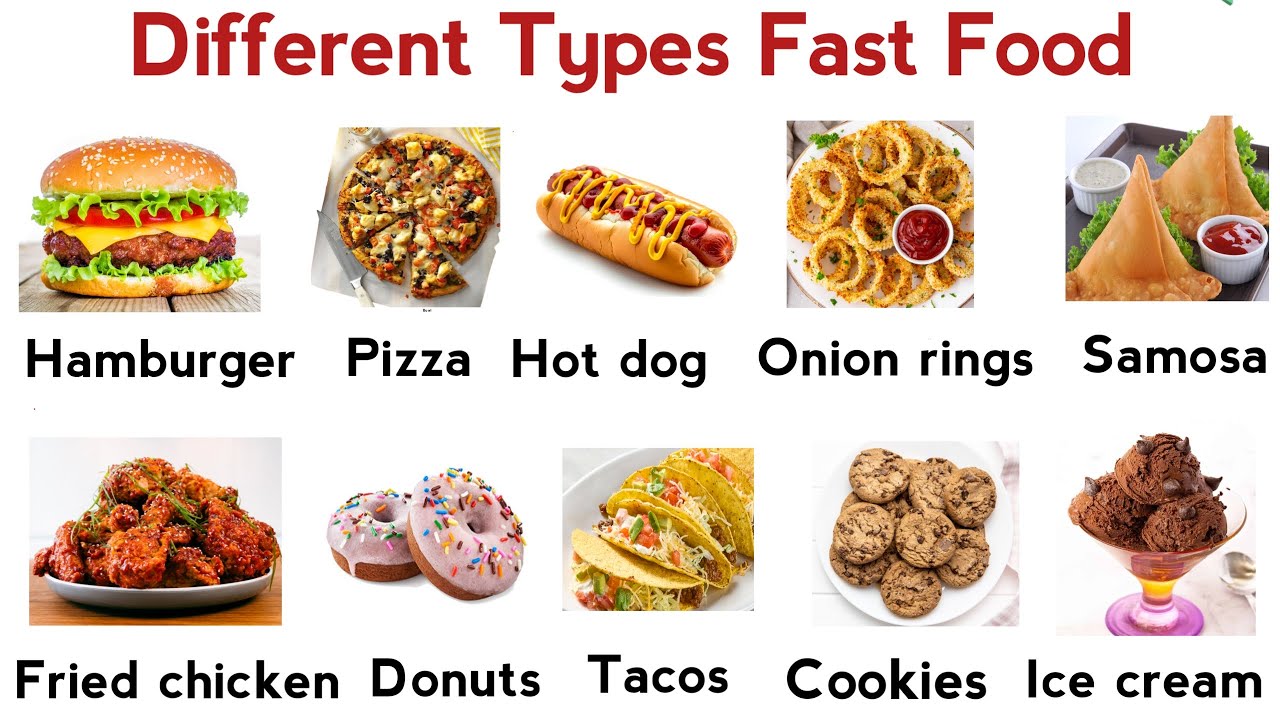
Types of Food
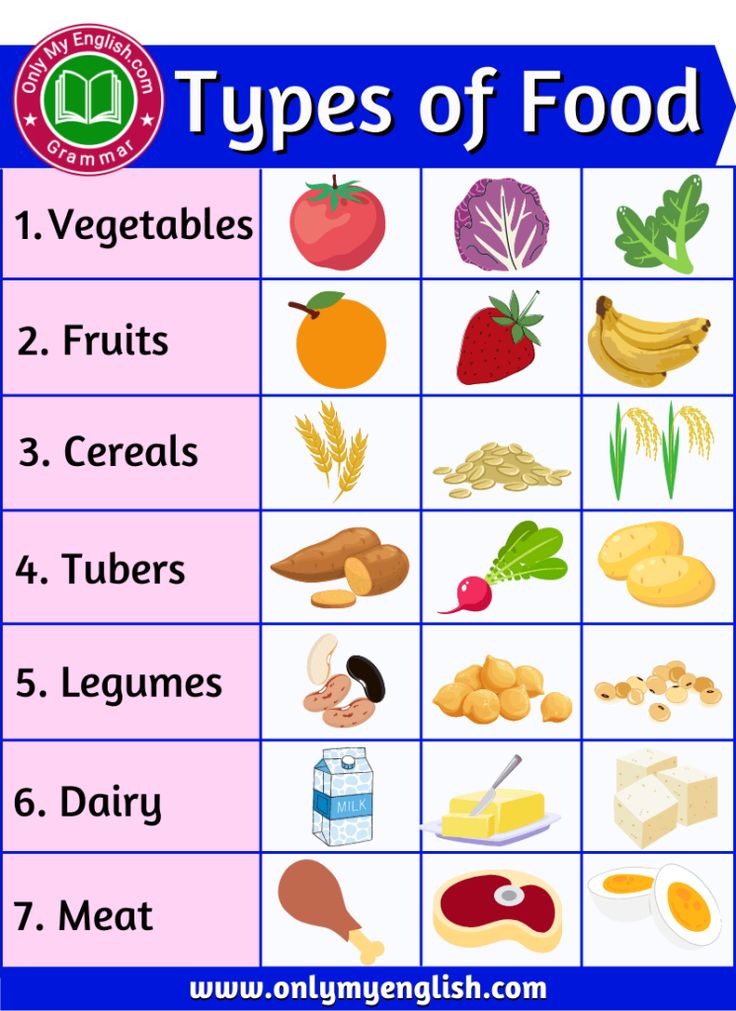
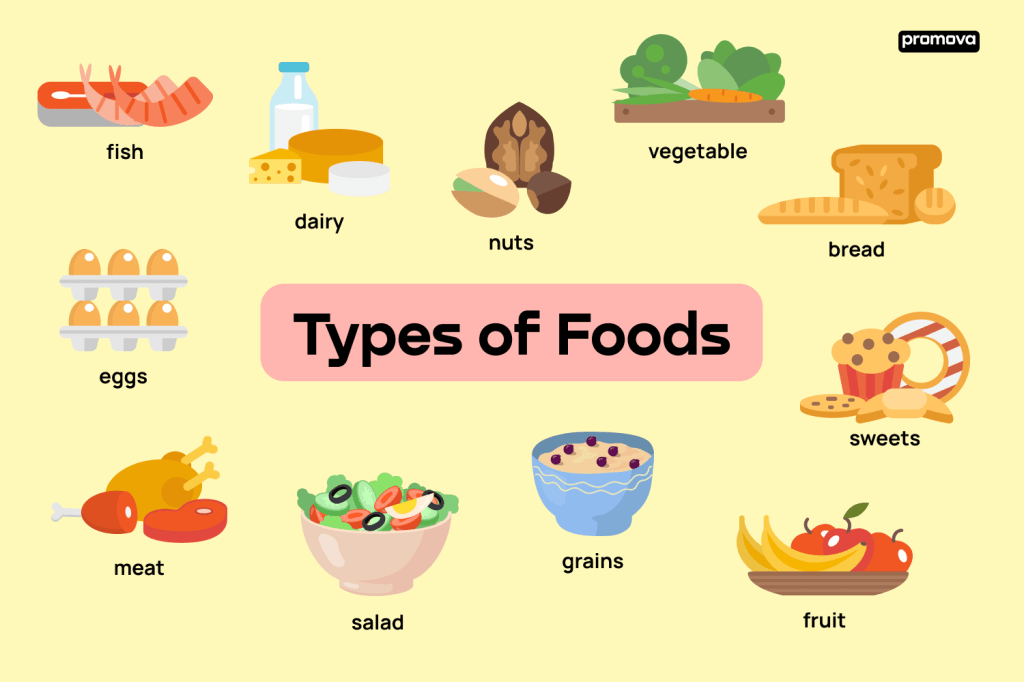
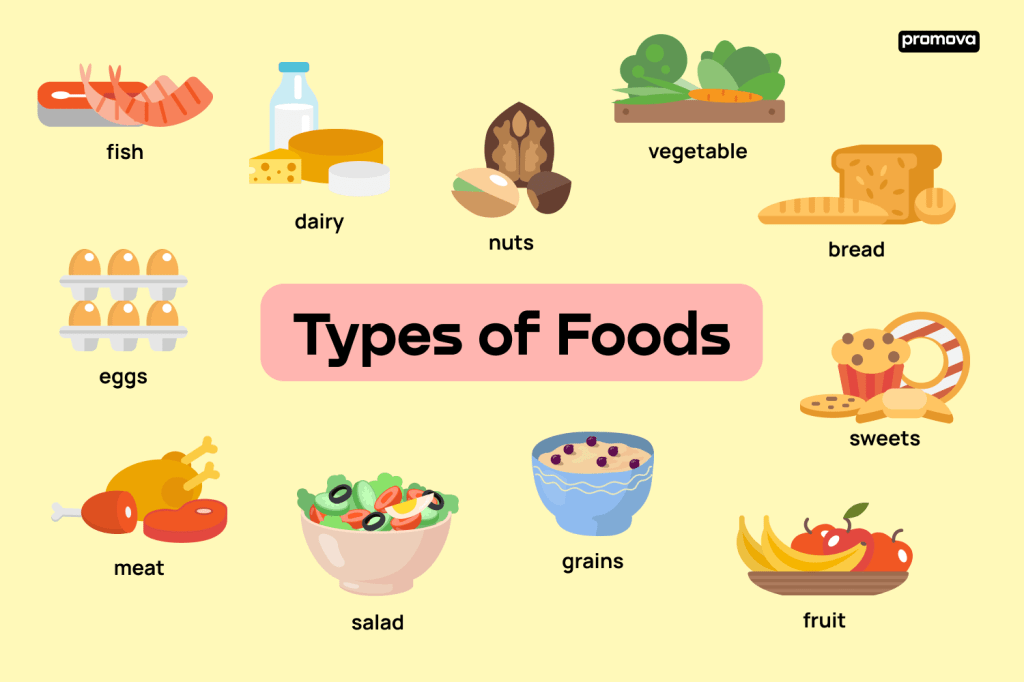
1. Cereals and Grains
Grains supply the bulk of the world’s energy through complex carbohydrates, fiber, and B-vitamins. Staples such as wheat, rice, maize, barley, and oats appear as bread, porridge, noodles, or flatbreads, forming the backbone of countless diets.
2. Fruits and Vegetables
Colorful produce delivers vitamins, minerals, and antioxidants that support immunity and overall wellness. Seasonal offerings run from crisp apples and leafy greens to juicy berries and root vegetables, inviting endless culinary creativity.
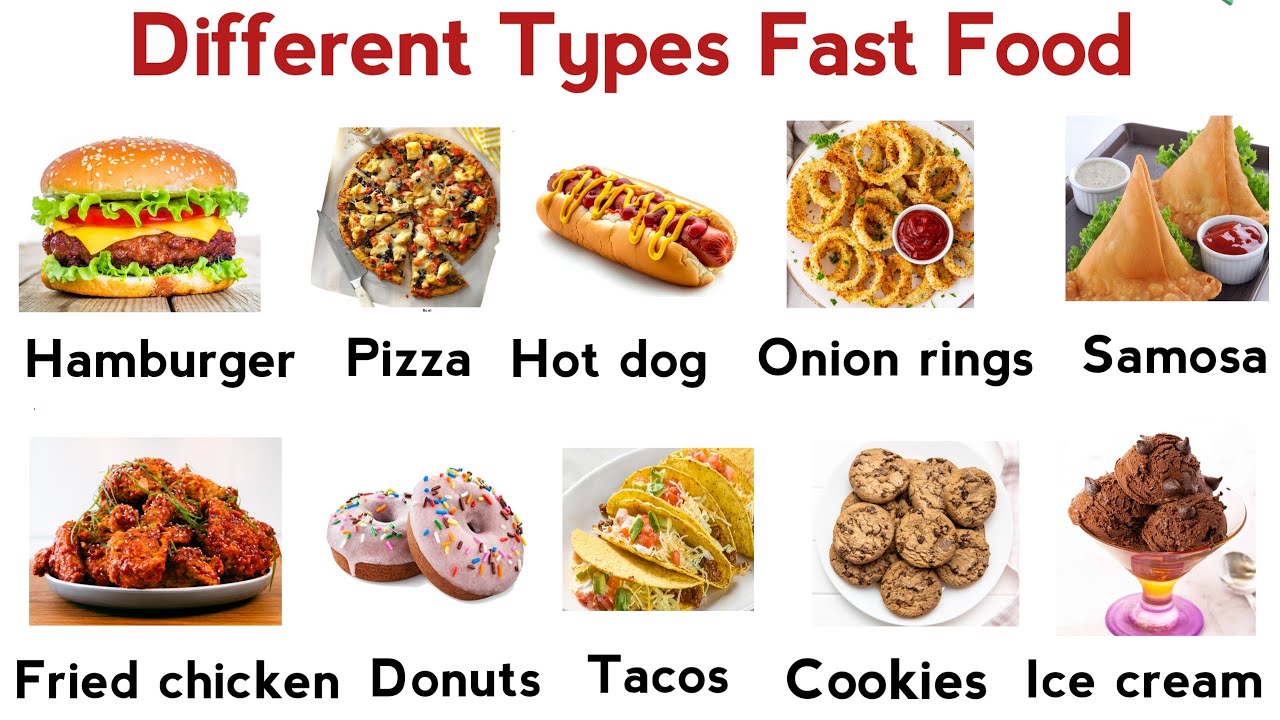
3. Meat and Poultry
Animal proteins provide complete amino acids, iron, and zinc. Lean cuts of beef, pork, lamb, or chicken, prepared simply or as part of complex dishes, remain central to many eating patterns.
4. Fish and Seafood
Marine foods contribute lean protein and heart-friendly omega-3 fats. Choices such as salmon, sardines, shrimp, or mussels can be grilled, steamed, or tossed into stews for lighter, nutrient-dense meals.
5. Dairy Products
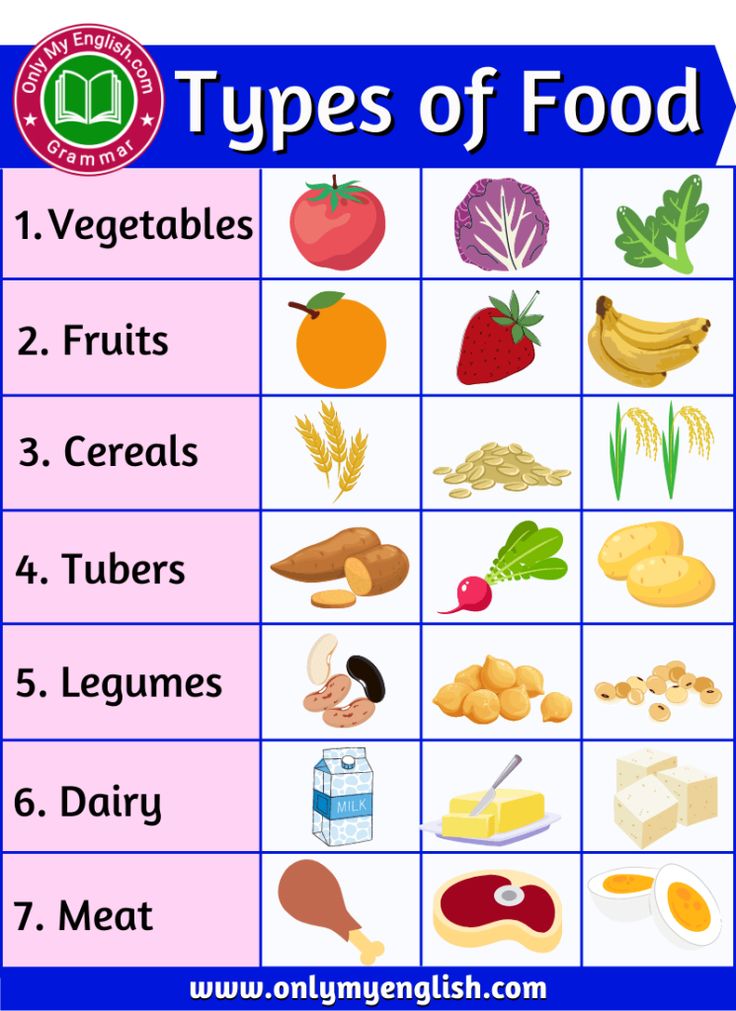
Milk, yogurt, and cheese offer calcium, high-quality protein, and vitamins D and B12. Fermented versions also provide probiotics that support digestive balance.
6. Legumes and Nuts
Beans, lentils, chickpeas, almonds, and seeds deliver plant protein, fiber, and healthy fats. They work in salads, spreads, or meat-free entrées, adding texture and satiety.
Nutritional Value and Health Implications
How foods affect health depends on variety, portion size, and cooking style. Key considerations include:
1. Cereals and Grains
Whole-grain options help regulate digestion and steady blood sugar, whereas heavily refined versions may contribute to energy spikes and unwanted weight gain when eaten in excess.
2. Fruits and Vegetables
A rainbow of produce is linked to lower risk of chronic illness. Different hues signal distinct antioxidants, encouraging broad selection over the week.
3. Meat and Poultry
Moderate servings of lean meat supply vital micronutrients; however, charring or heavy processing can introduce compounds best limited for long-term wellness.
4. Fish and Seafood
Two servings of fish weekly are widely advised for cardiovascular benefits, yet balance is needed to avoid pollutants that accumulate in larger species.
5. Dairy Products
While calcium-rich dairy strengthens bones, those who are lactose-intolerant can turn to fortified plant alternatives without sacrificing nutrition.
6. Legumes and Nuts
Regular consumption supports heart health and glycemic control, making these foods valuable pillars of plant-forward eating.
Cultural Significance
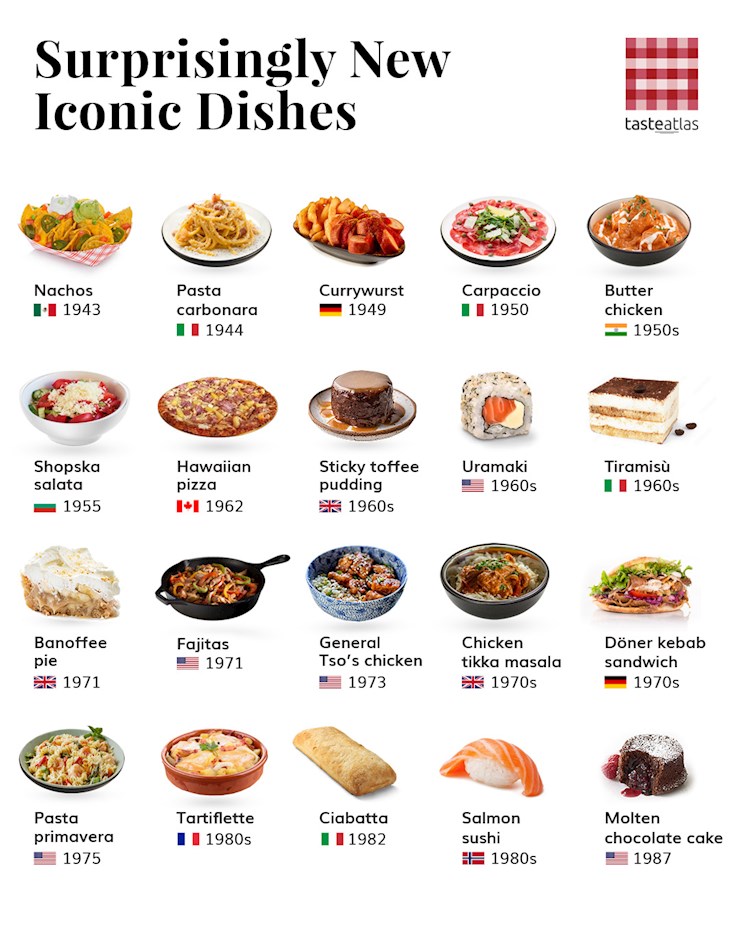
Regional cuisines tell stories of geography, history, and shared values. A few snapshots illustrate this diversity:
1. Italian Cuisine
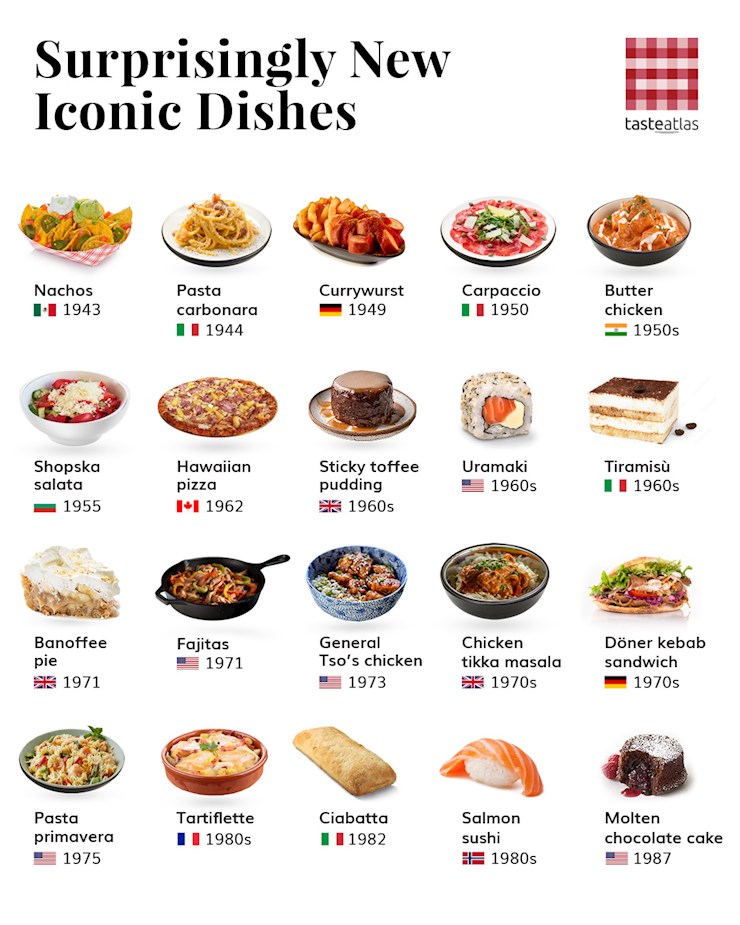
Emphasis on olive oil, ripe tomatoes, aromatic herbs, and artisanal breads showcases a farm-to-table spirit that prizes freshness and simplicity.
2. Japanese Cuisine
Seasonal ingredients, minimal fat, and umami-rich seasonings reflect a philosophy of balance, restraint, and respect for natural flavors.
3. Indian Cuisine
A vast spice spectrum produces dishes from hearty lentil stews to fragrant rice specialties, revealing layered influences of trade routes and local harvests.
Conclusion
From staple grains to ocean harvests, the edible world offers endless combinations that nourish body and culture alike. Appreciating each category’s benefits encourages thoughtful choices, fostering both personal health and culinary curiosity.
Recommendations and Future Research
To keep expanding knowledge of food and well-being, several avenues deserve attention:
1. Long-term studies comparing varied eating patterns can clarify how specific food groups influence chronic disease risk.
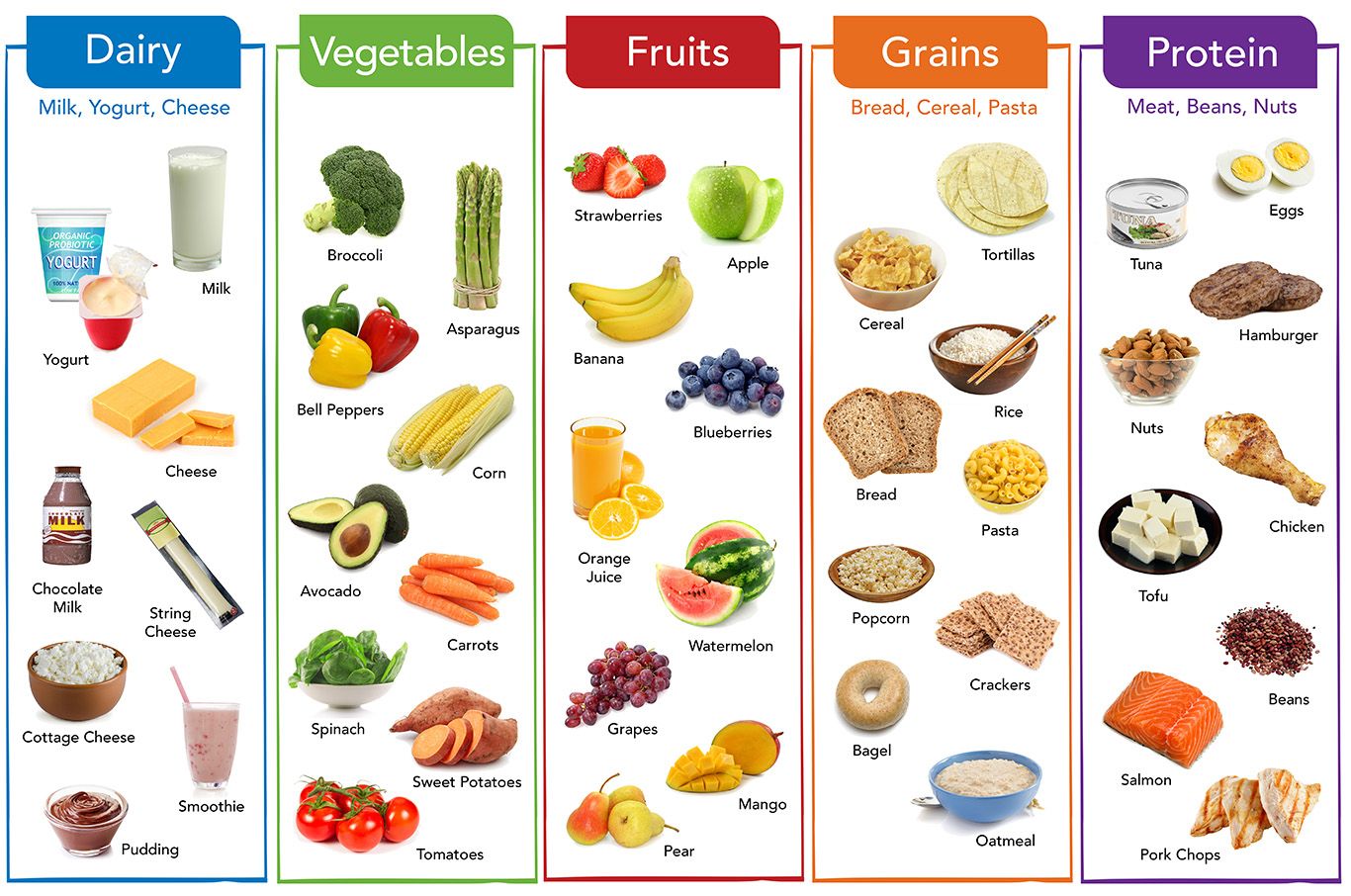
2. Public messaging should continue to promote balanced plates that integrate whole grains, produce, lean proteins, and healthy fats.
3. Sustainable farming and fishing practices need support to safeguard biodiversity and ensure future food security.
4. Documenting traditional foodways helps preserve cultural heritage while inspiring modern, health-conscious adaptations.
Pursuing these directions will deepen global appreciation of food’s central role in health, community, and the environment.


