

Building a Recipe with Ingredients: A Comprehensive Guide to Culinary Creativity
Introduction
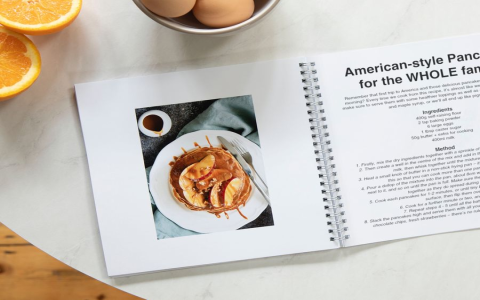
Cooking is a universal language that brings people together across cultures. At the center of every memorable dish is a thoughtfully composed recipe, a balance of ingredients, methods, and intuition. This guide explores how to construct a recipe from the ground up, focusing on choosing components wisely, understanding their behavior, and combining them into plates that delight. By the end, you will feel confident designing dishes that brighten any table.
The Importance of Ingredients
Quality over Quantity
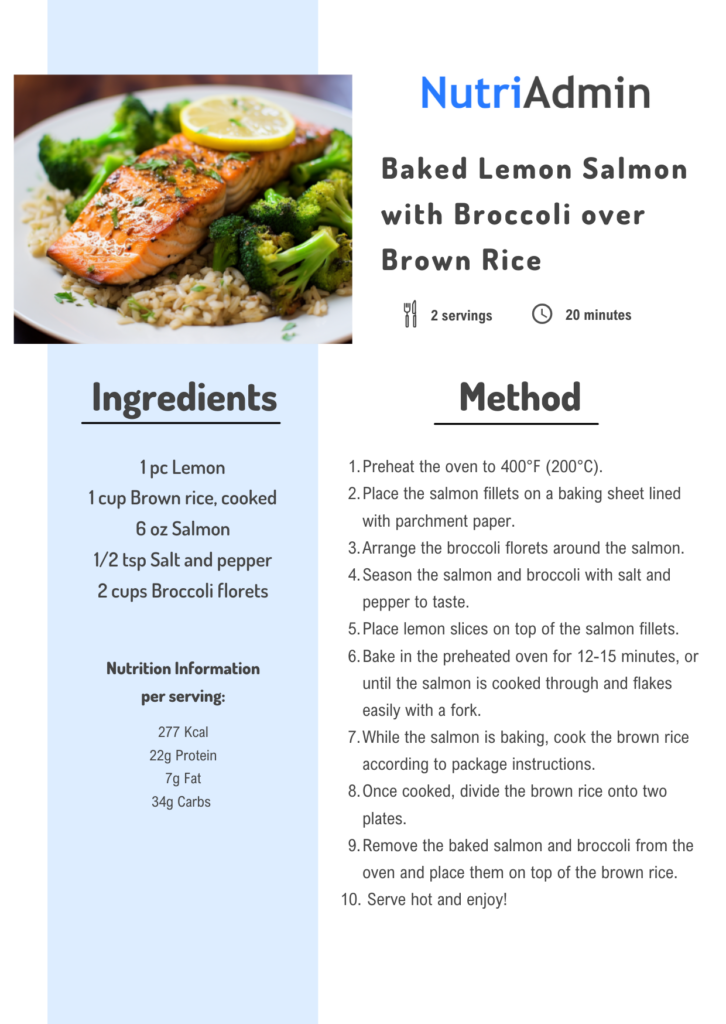
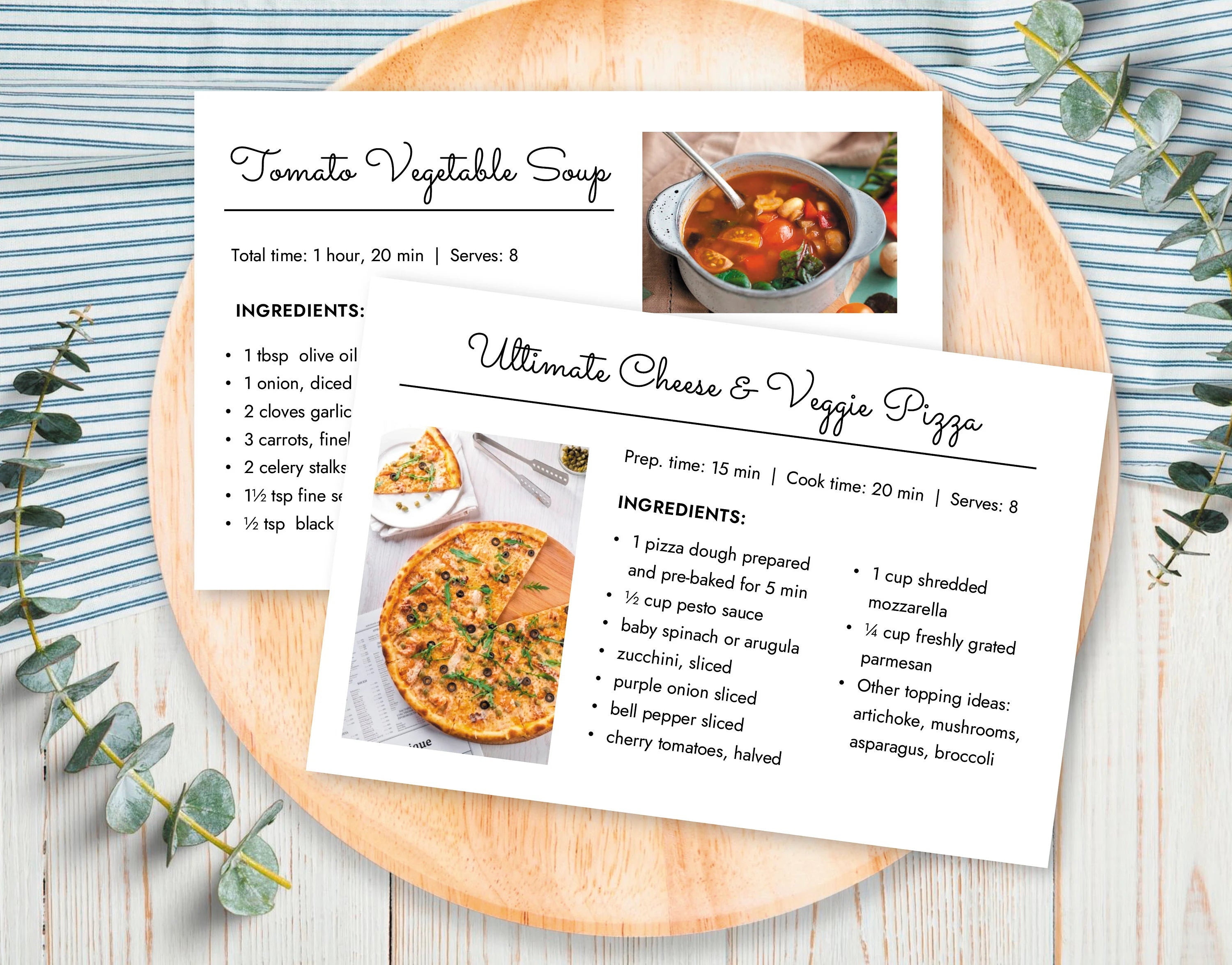
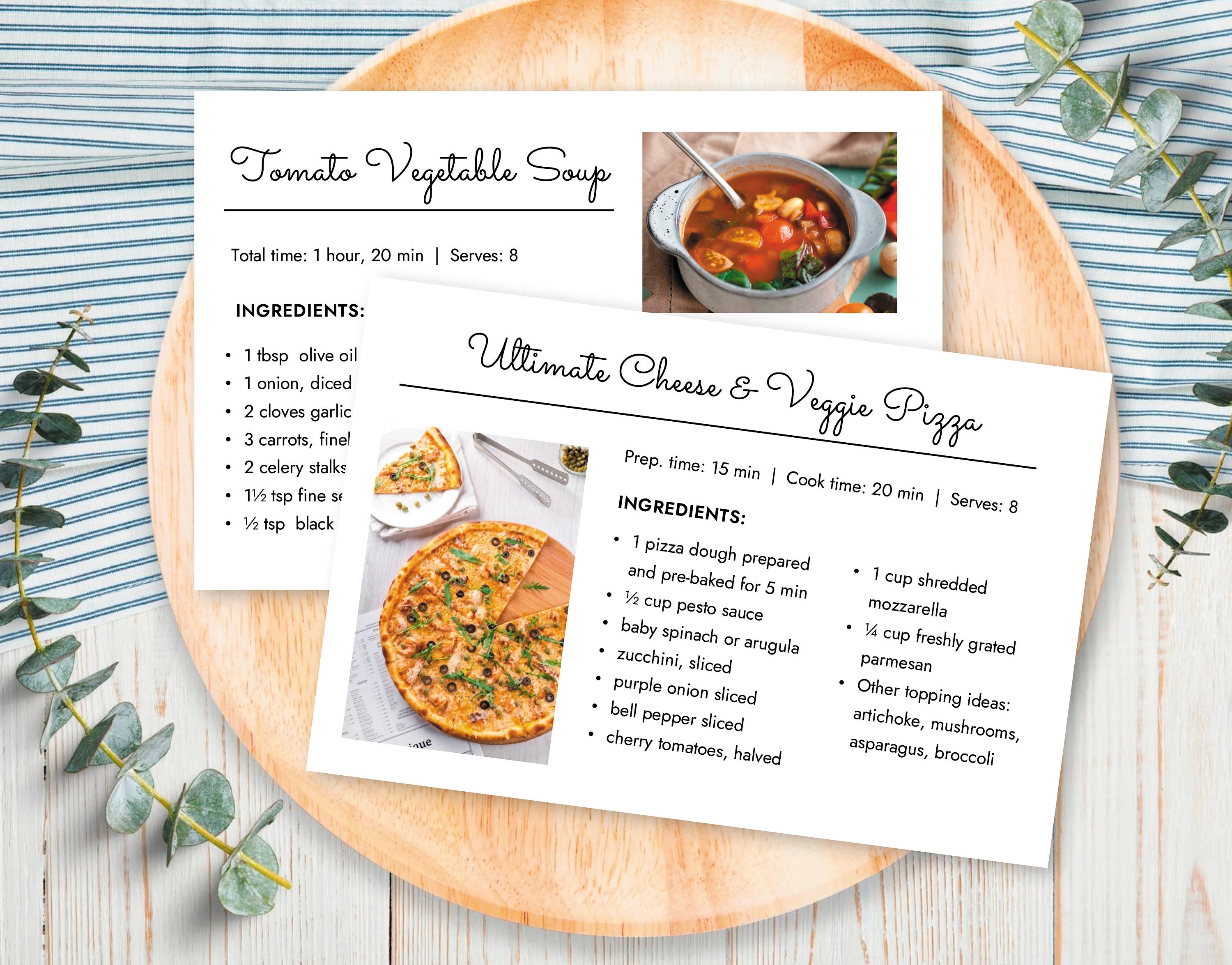
Great cooking starts with great ingredients. Fresh, vibrant produce, fragrant herbs, and well-stored staples give dishes a head start before the stove is even lit. A simple tomato sauce, for example, becomes extraordinary when the tomatoes are ripe and fragrant, showing how ingredient choice can elevate the everyday into the exceptional.
Seasonality and Sustainability
Choosing produce in its natural season rewards you with peak flavor and texture. It also supports local growers and reduces the environmental cost of long-distance transport. By favoring sustainable options, cooks help preserve soil health and biodiversity, ensuring future harvests remain plentiful and varied.
Understanding Ingredient Properties
Flavors and Textures
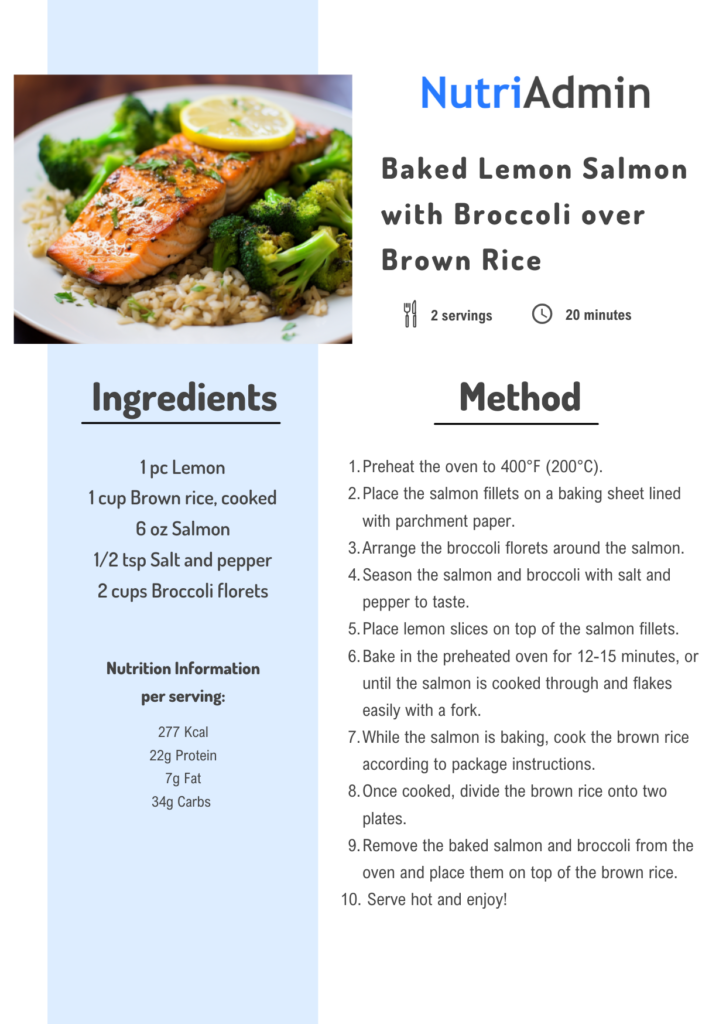
Every ingredient brings its own voice to the plate. Herbs may whisper freshness, spices can sing with warmth, and vegetables offer crunch or silkiness. Learning these traits lets you orchestrate a dish where each note complements the others, creating a pleasant, balanced experience from first bite to last.
Chemical Reactions
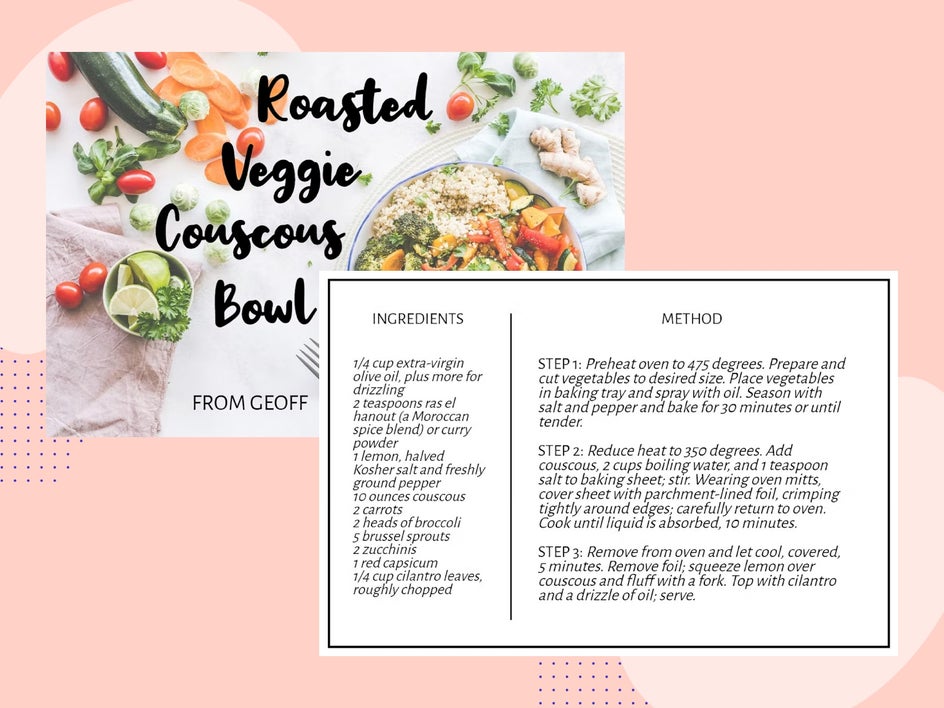
Heat triggers fascinating changes: sugars caramelize, proteins firm, starches swell. Recognizing these transformations helps you control color, aroma, and mouthfeel. A gentle simmer keeps vegetables bright, while a hot sear develops deep, toasted flavors through browning reactions.
Combining Ingredients
Balancing Flavors
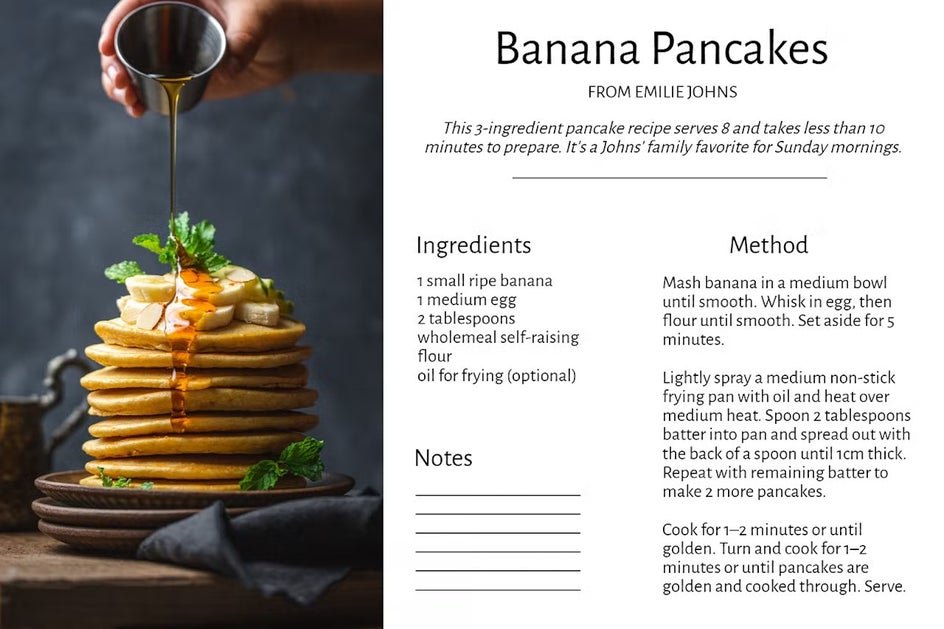
A satisfying dish usually weaves together five taste elements: sweet, sour, salty, bitter, and umami. A drizzle of citrus can lift a rich stew, a pinch of salt can round out sweetness, and a touch of umami can deepen vegetarian plates. Adjusting these dimensions is like tuning an instrument until the melody sounds just right.
Texture and Color
Contrast keeps eating exciting. Pair crisp with creamy, pale with vivid, soft with crunchy. A sprinkle of toasted seeds over smooth soup or a handful of berries against creamy custard adds visual spark and tactile surprise, inviting diners to take another spoonful.
Techniques and Tips
Proper Preparation
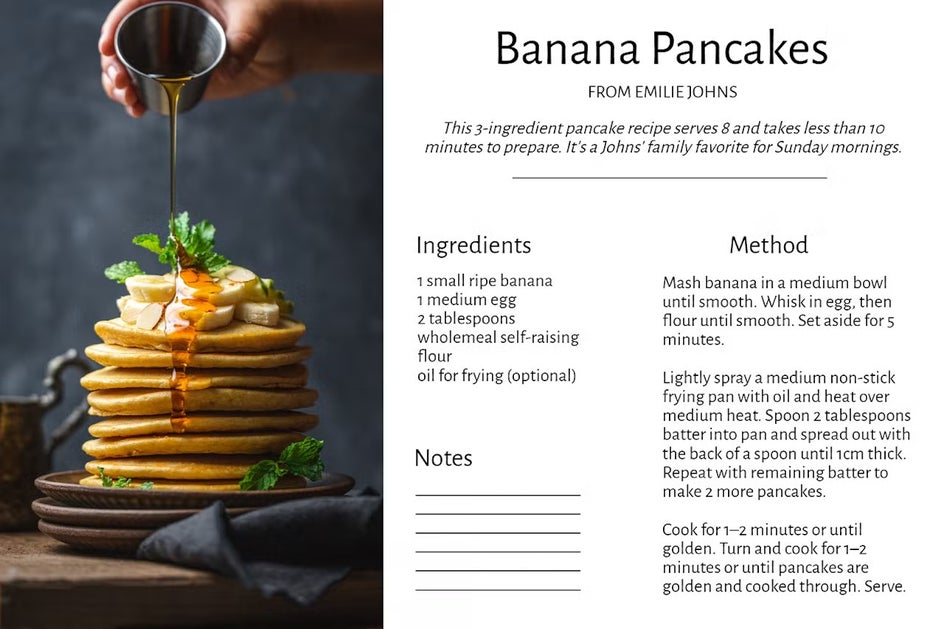
Mise en place matters. Washing greens, dicing vegetables to even sizes, and marinating proteins ahead of time streamline cooking and improve final results. Uniform pieces cook at the same rate, and a brief marinade can season food throughout rather than just on the surface.
Cooking Methods
Each technique tells a different story. Steaming preserves delicate flavors, roasting concentrates sweetness, and quick sautéing seals in brightness. Switching methods can transform the same set of ingredients into entirely new dishes, encouraging endless experimentation in the kitchen.
Conclusion
Constructing a recipe is part science, part art. By respecting ingredient quality, understanding how elements interact, and balancing taste, texture, and appearance, you can craft meals that nourish both body and spirit. Keep tasting, adjusting, and exploring; every experiment adds another brushstroke to your personal culinary canvas.
Future Research and Recommendations
Further exploration in culinary arts could focus on:
1. How different growing conditions influence flavor and nutrient content.
2. Emerging kitchen technology that aids precision and creativity.
3. The cultural stories ingredients carry and how they shape global cuisines.
To deepen your skills, consider:
1. Joining local or online cooking classes to learn from seasoned professionals.
2. Reading widely—cookbooks, food science journals, and reputable blogs—to expand your knowledge base.
3. Setting aside time each week to test unfamiliar produce or techniques, documenting what works and what surprises you.


