


The Role and Impact of Community Meal Programs
Introduction
Community meal programs have long served as a safety net, offering nourishment and connection to people facing hard times. Acting as both a dining space and a gateway to wider support, these initiatives tackle hunger while strengthening social bonds. This article outlines why such programs matter, how they shape neighborhoods, and what makes them work well.
The Concept of Community Meal Programs
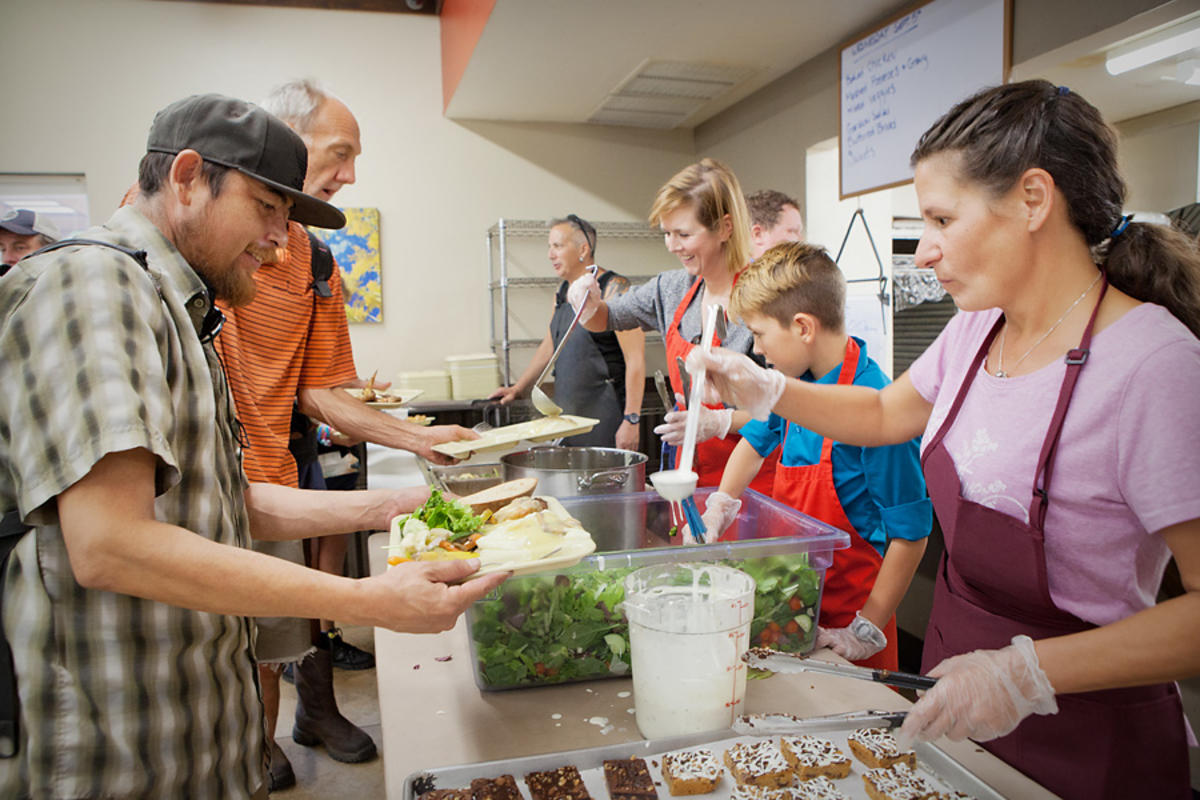
Often called soup kitchens or food halls, these initiatives serve free, balanced meals to anyone who walks through the door. They are usually found in busy urban districts and welcome guests without paperwork or questions. The tradition began generations ago, rooted in the simple belief that no one should go hungry.
The Importance of Community Meal Programs
Relieving Hunger
First and foremost, these programs put food on the table. Millions around the world skip meals because they cannot afford them. By offering dependable breakfast, lunch, or dinner, community kitchens ease immediate hunger and help stabilize health.
Fostering Belonging
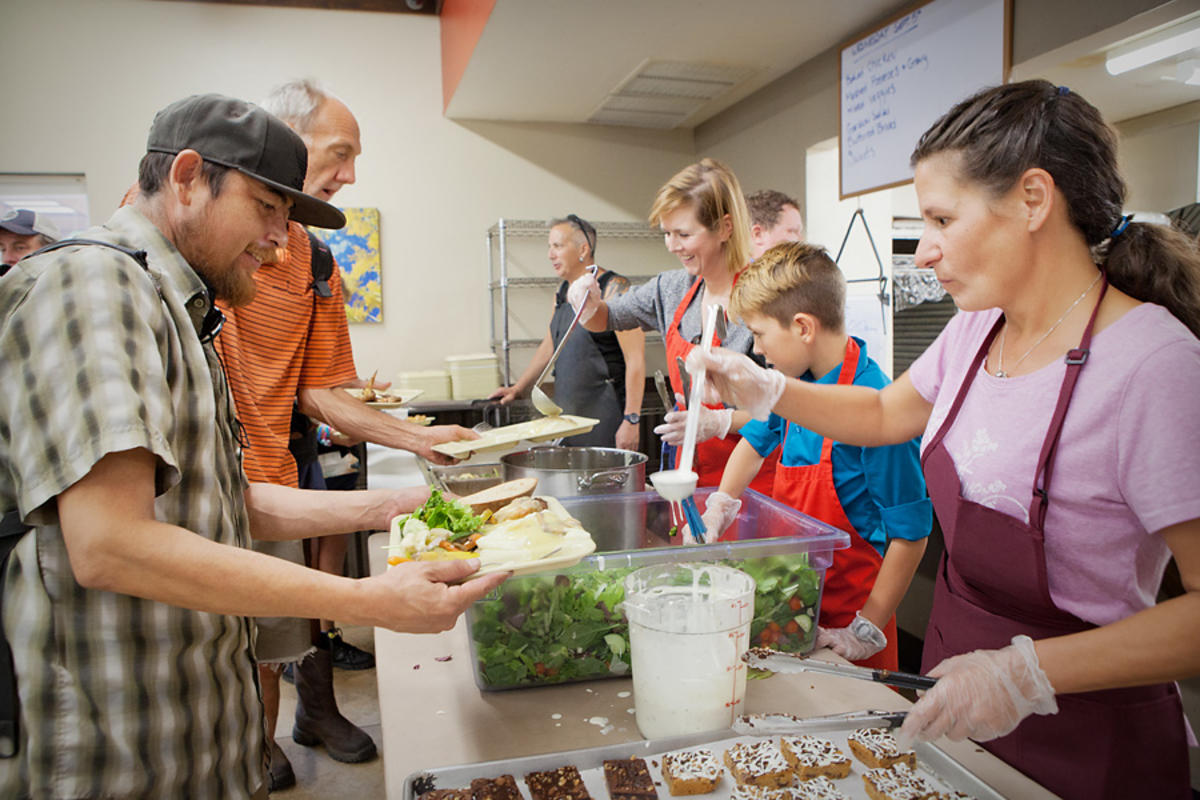
A shared meal does more than fill the stomach; it creates a sense of belonging. Guests sit side by side, exchange stories, and discover that they are not alone. This friendly atmosphere reduces isolation and nurtures mutual respect among neighbors from every background.
Supporting Local Economies
Free meals free up scarce household income for rent, medicine, or school supplies. Healthier residents are better able to work, study, and care for their families. Many programs also buy produce from nearby farms or bakeries, circulating money within the local economy.
The Structure and Operation of Community Meal Programs
Funding and Supplies
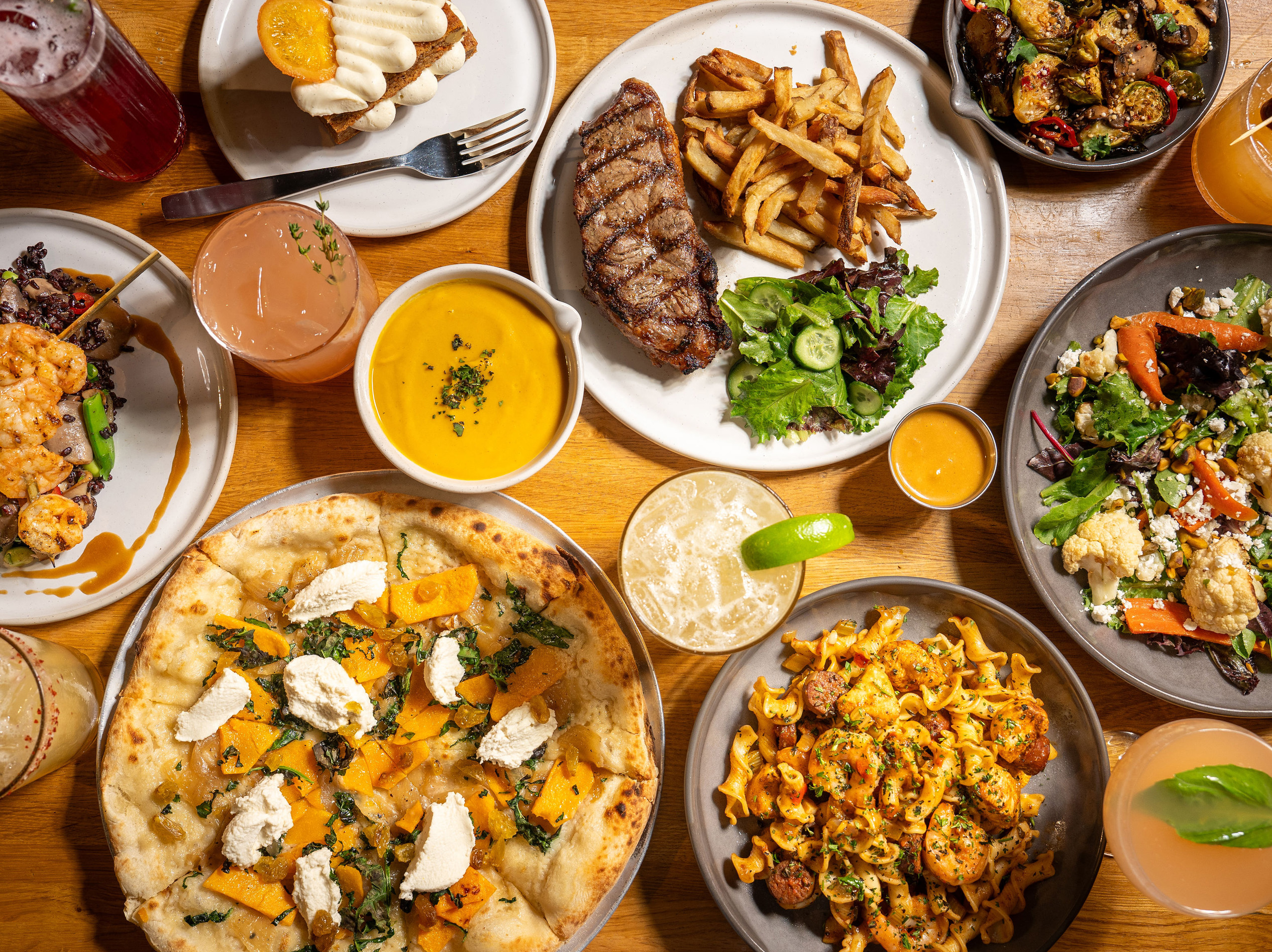
Operating costs are met through a mix of modest municipal grants, charitable gifts, and in-kind donations. Area grocers, restaurants, and farmers frequently contribute surplus ingredients, cutting waste while stocking pantries.
Volunteer Power
Volunteers chop vegetables, ladle soup, wipe tables, and greet guests by name. Their energy keeps costs low and spirits high, turning strangers into teammates united by a common cause.
Partnerships
Many kitchens team up with shelters, clinics, and job centers to create one-stop hubs where guests can find housing leads, medical check-ups, or résumé help. Cooperation multiplies impact and tackles hunger’s underlying causes.
Case Studies: Success Stories
Downtown Community Table
In a large West-Coast city, a volunteer-run dining hall serves over a thousand plates daily. Beyond meals, it offers culinary training that equips participants with marketable kitchen skills and references for future employment.
Historic Neighborhood Kitchen
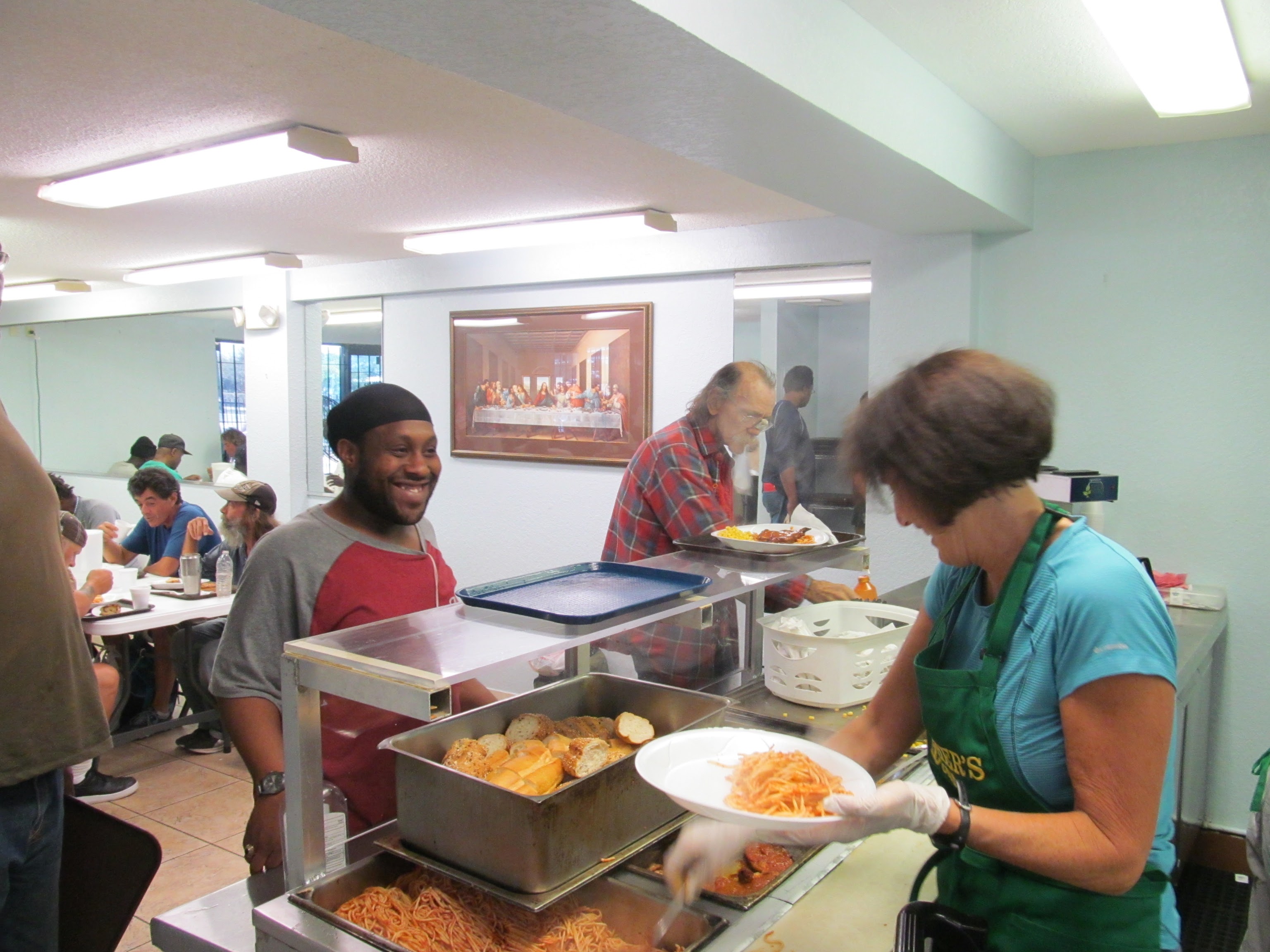
On the East Coast, a century-old parish kitchen pairs hot dinners with counseling, clothing closets, and literacy classes. Its holistic model has become a blueprint for integrating food aid with wider social services.
Challenges and Solutions
Budget Gaps
Rising ingredient prices strain limited budgets. Programs counter this by cultivating diverse donor networks, hosting benefit events, and using simple technology to track inventory and curb waste.
Volunteer Turnover
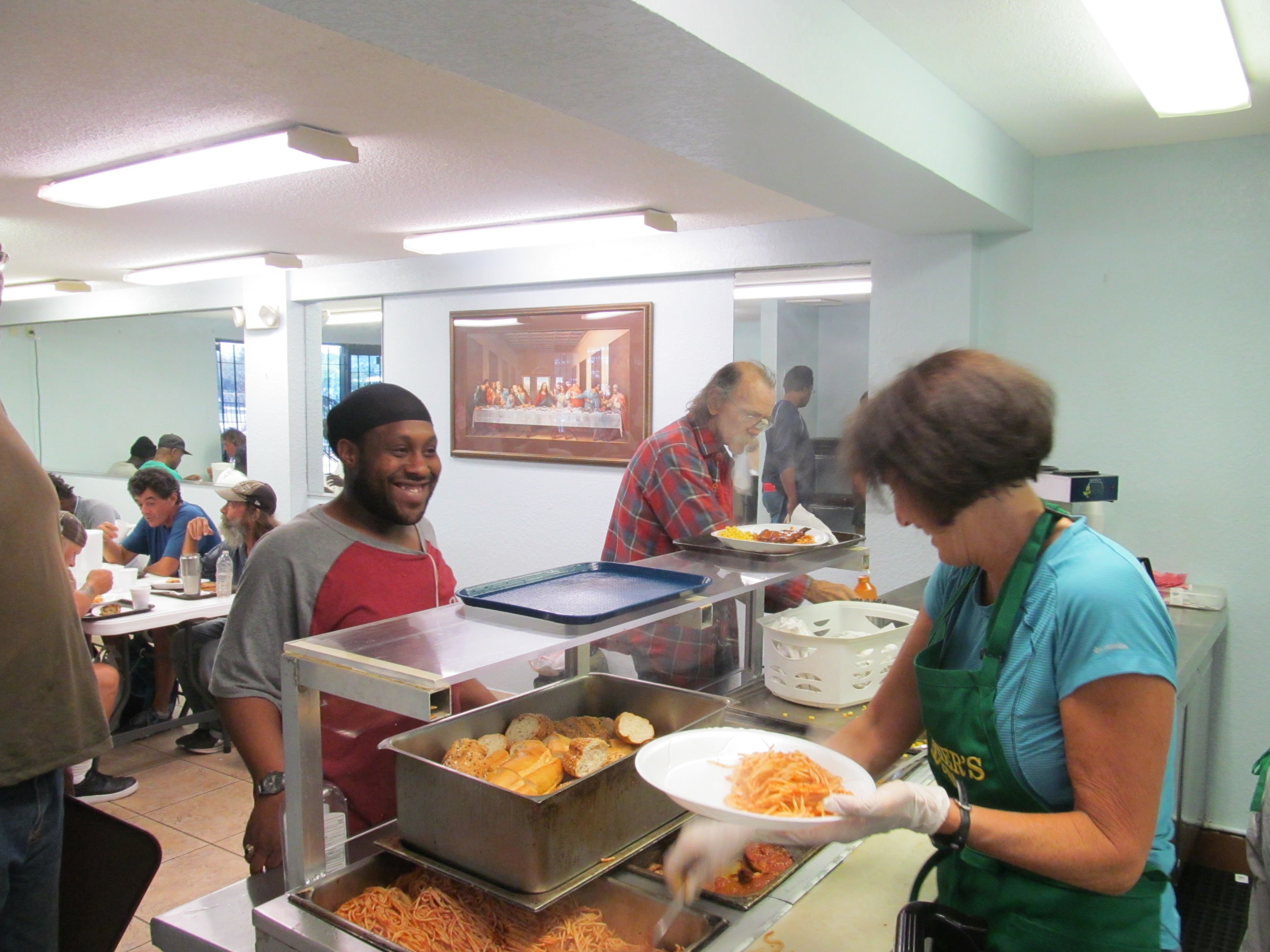
Keeping helpers engaged can be tough. Recognizing volunteers publicly, offering flexible shifts, and providing short training sessions build loyalty and ensure consistent staffing.
Conclusion
Community meal programs do far more than feed people; they knit neighborhoods together, safeguard health, and open doors to opportunity. Continued support—financial, volunteer, and collaborative—will allow these vital spaces to keep nourishing bodies and hopes for years to come.
Recommendations and Future Research
To strengthen their impact, stakeholders should:

1. Expand reliable funding streams so kitchens can meet rising demand without interruption.
2. Invest in training that upgrades culinary safety, nutrition knowledge, and volunteer leadership.
3. Deepen cross-sector partnerships that link meals to housing, education, and employment services.
Future studies could explore:
1. Long-term health outcomes for regular guests.

2. Which fundraising models prove most sustainable over time.
3. How digital tools can streamline scheduling, inventory, and outreach without losing the personal touch.


