

The Role of Oatmeal Imagery in Contemporary Nutrition and Wellness
Introduction
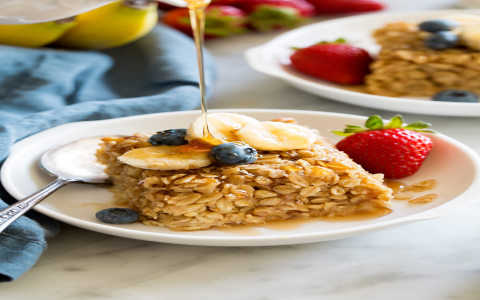
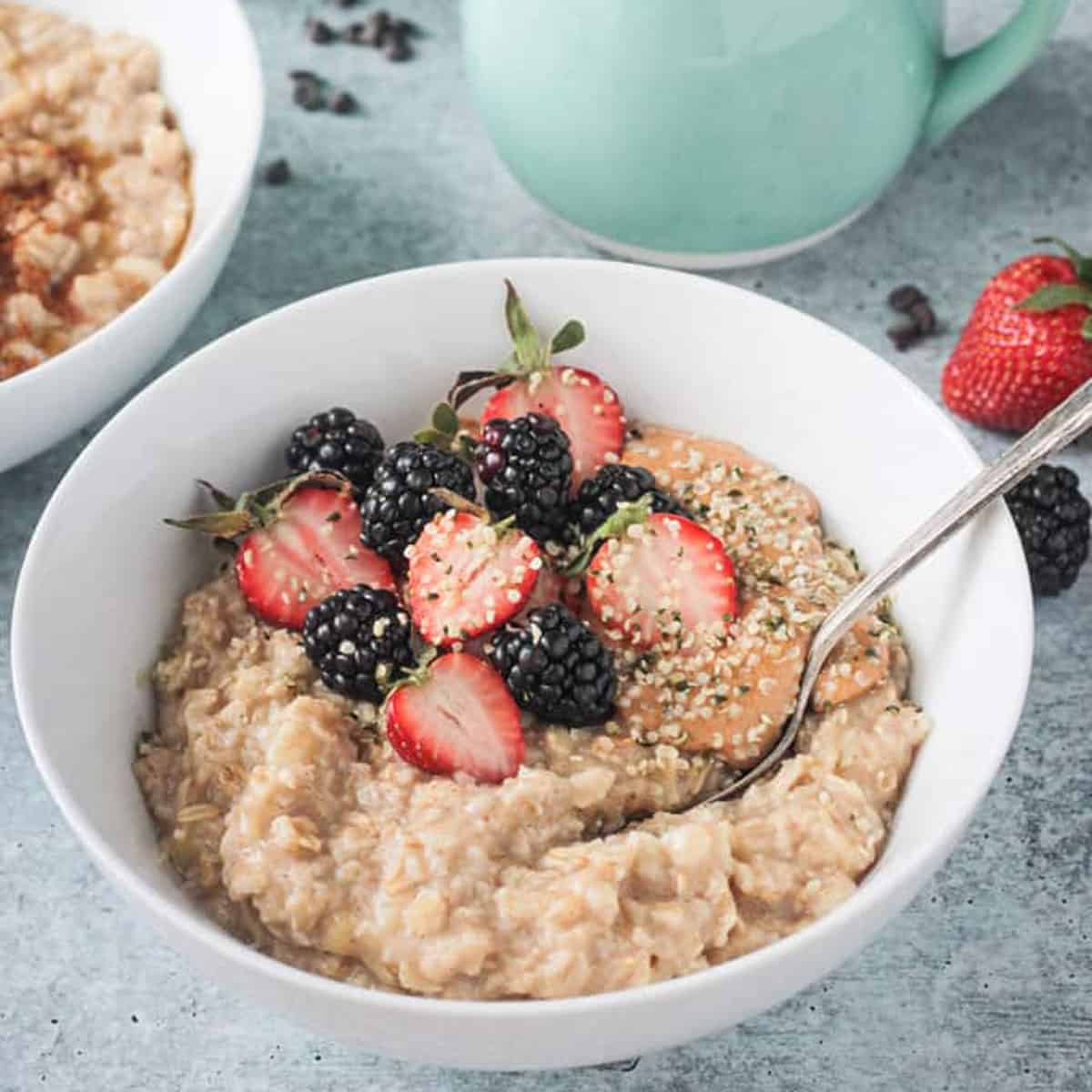
Oatmeal has long been a breakfast favorite, valued for its wholesome qualities. Recently, photo-sharing platforms have sparked a new trend: artistic shots of oatmeal bowls topped with colorful fruits, seeds, and spices. These images circulate widely on visual networks, inspiring viewers to rethink the humble grain. This article examines how such pictures shape modern attitudes toward nutrition, encourage balanced choices, and reframe the grain’s reputation.
The Nutritional Benefits of Oatmeal
A single serving of oats delivers soluble fiber, B-vitamins, and essential minerals. Regular intake is associated with healthier cholesterol profiles, steadier energy release, and prolonged fullness, all of which support weight-management goals. The beta-glucan fiber in oats also nurtures beneficial gut bacteria, adding another layer of wellness value.
The Rise of Oatmeal Imagery
Several forces have turned oatmeal into a social-media star. First, a growing focus on preventive health has nudged consumers toward nutrient-dense breakfasts. Second, the neutral color of oats provides a blank canvas for vibrant toppings that photograph beautifully. Finally, endless topping combinations keep content fresh, encouraging daily posts and shares.
Oatmeal Imagery as a Tool for Health Promotion
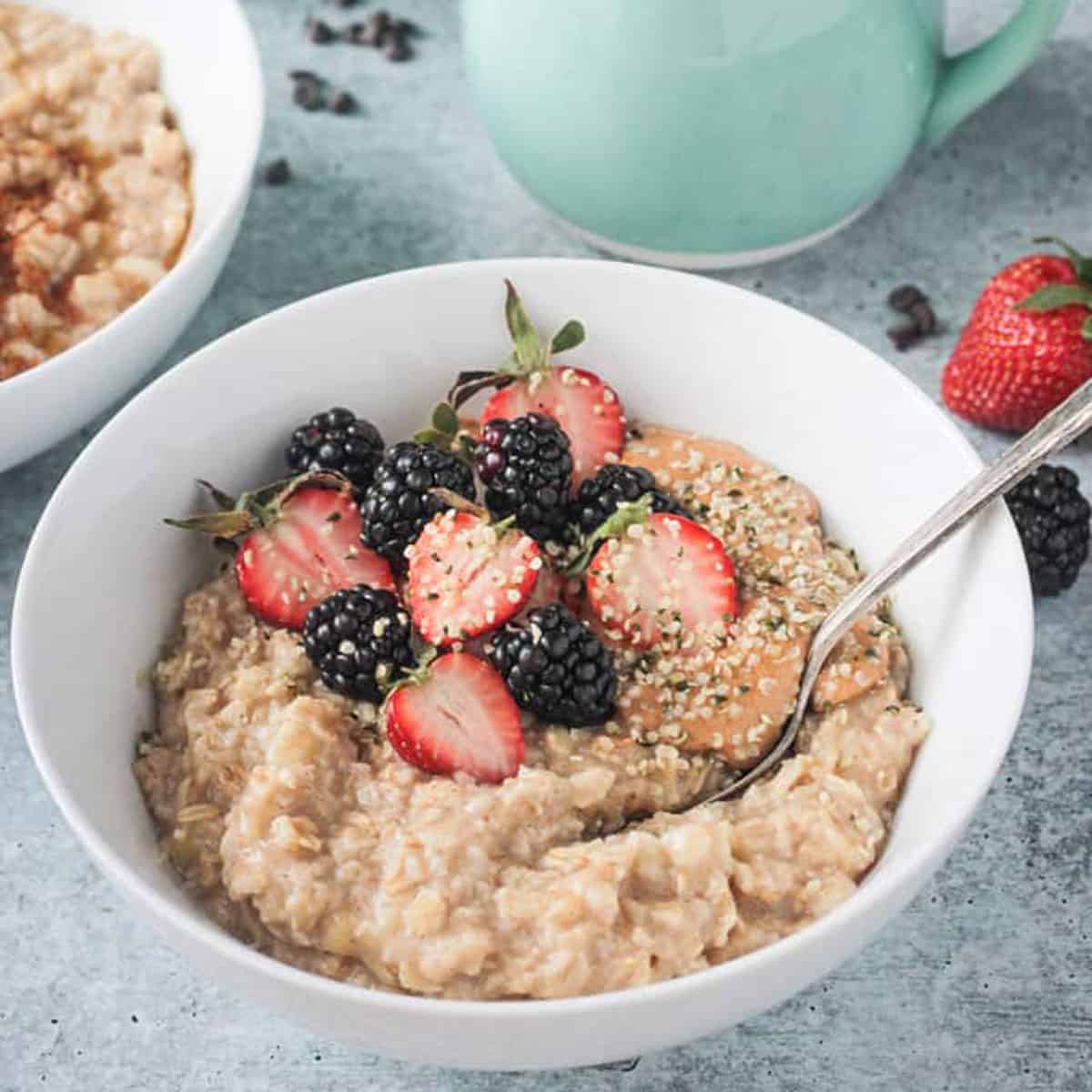
Scrolling through stylized oatmeal feeds can spark kitchen creativity. Seeing blueberries paired with flax or cacao nibs with pear motivates viewers to try new ingredients, broadening the spectrum of vitamins and antioxidants on their own plates. Over time, this visual nudge can translate into consistent, balanced morning routines.
Influencing Dietary Choices
Repeated exposure to wholesome oatmeal photos normalizes nutritious breakfasts. When users notice that vibrant bowls receive more likes than pastries, the reward mechanism of social platforms quietly reinforces better choices. Peer recipes shared in comment threads further lower the barrier to entry, making healthy switches feel approachable rather than restrictive.
Shaping Public Perception
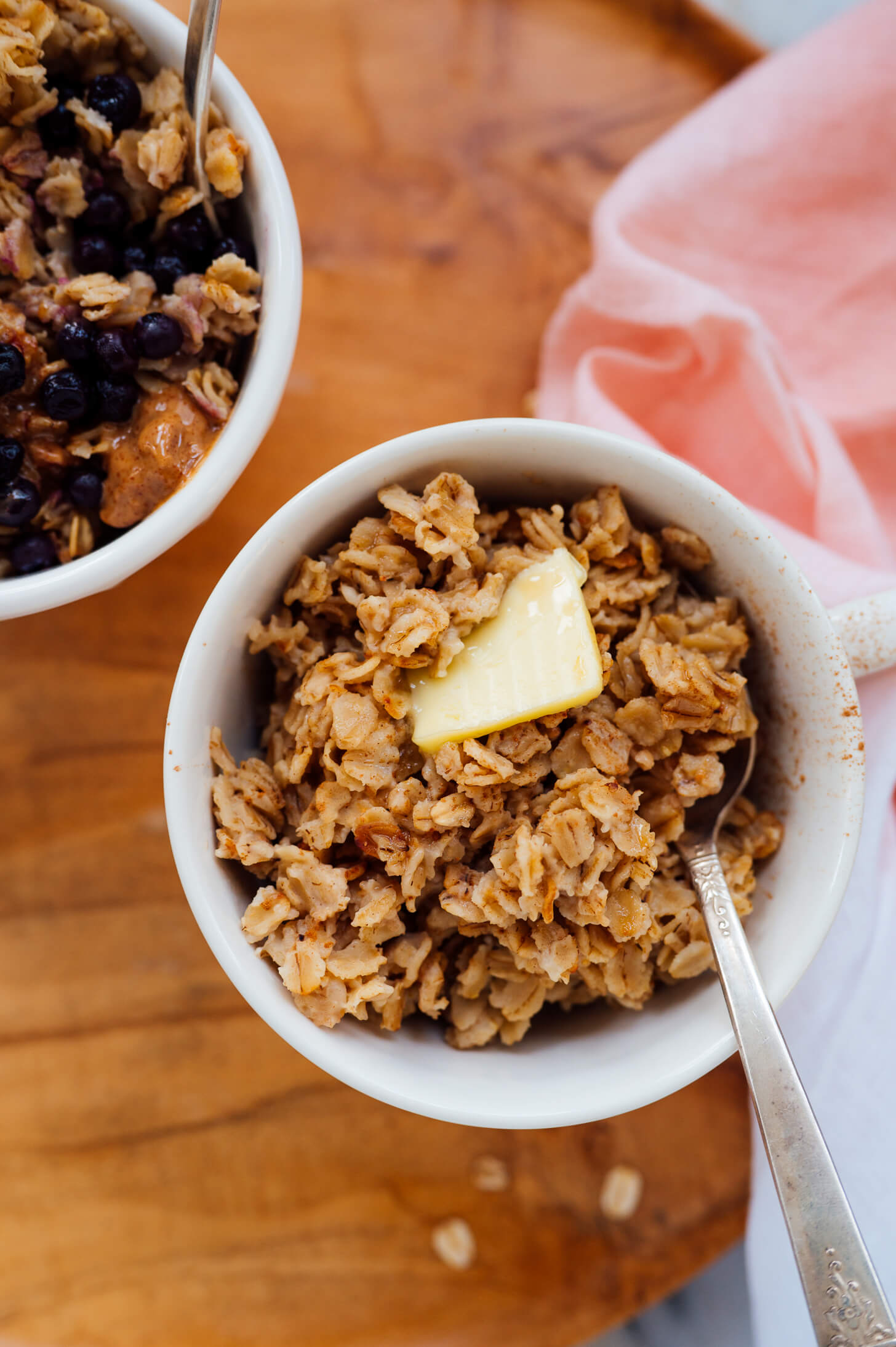
Once labeled as bland hospital fare, oatmeal is now framed as a versatile comfort food. Images of savory oats with avocado or spiced versions with chai seeds showcase adaptability across cuisines and seasons. This refreshed narrative invites wider demographics to embrace the grain without feeling confined to traditional sweet preparations.
The Role of Influencers
Food-focused creators accelerate the trend by posting step-by-step stories and quick reels. Their genuine enthusiasm—tasting spoon in hand—translates abstract health advice into relatable moments. When a trusted voice highlights affordable, pantry-friendly toppings, followers gain practical ideas that fit busy lifestyles and modest budgets.
Challenges and Concerns
Not every oatmeal photo tells a balanced story. Some bowls hide sizable portions of syrups, candy pieces, or whipped toppings that tip the sugar scale. Viewers must remember that images prioritize aesthetics; mindful portion control and whole-food add-ins remain key to keeping the meal aligned with wellness intentions.
Conclusion
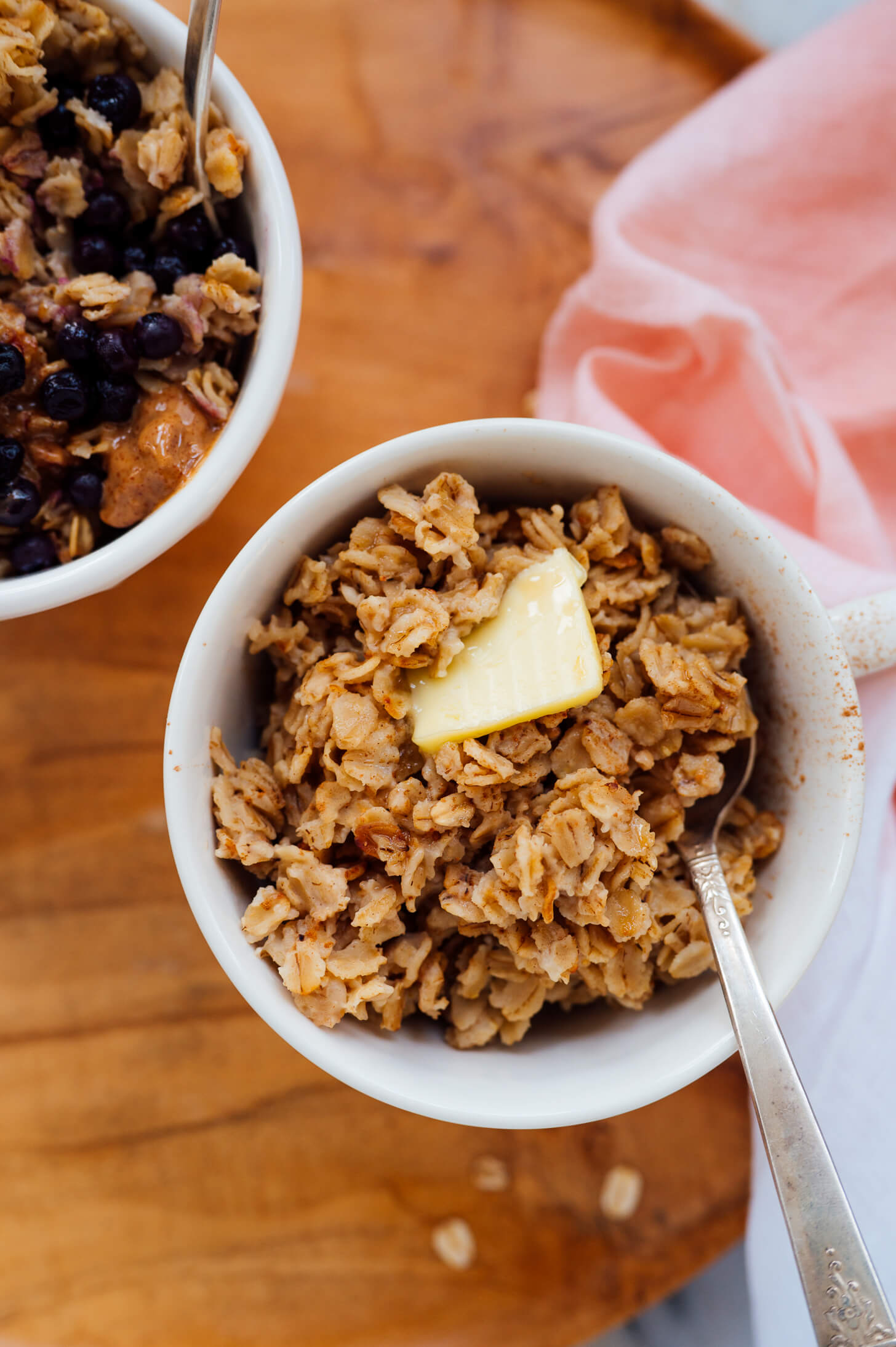
Oatmeal imagery has evolved into a quiet catalyst for healthier mornings. By celebrating color, texture, and global flavors, these pictures invite experimentation while honoring the grain’s intrinsic benefits. Conscious ingredient choices ensure the trend supports, rather than undermines, long-term well-being.
Future Research Directions
Long-term studies could track whether frequent exposure to health-oriented food imagery correlates with sustained dietary improvements. Investigations might also explore how virtual recipe exchanges perform across age groups, income levels, and cultural backgrounds. Additional inquiry into partnerships between health agencies and content creators could reveal scalable ways to amplify evidence-based nutrition messages.
In conclusion, oatmeal imagery offers an engaging, low-cost avenue to inspire nutritious breakfasts. As the visual movement grows, balancing creativity with evidence-based guidance will help maintain its positive impact on everyday eating habits.


