The Art and Science of Cooking: A Comprehensive Cooking List Guide
Introduction
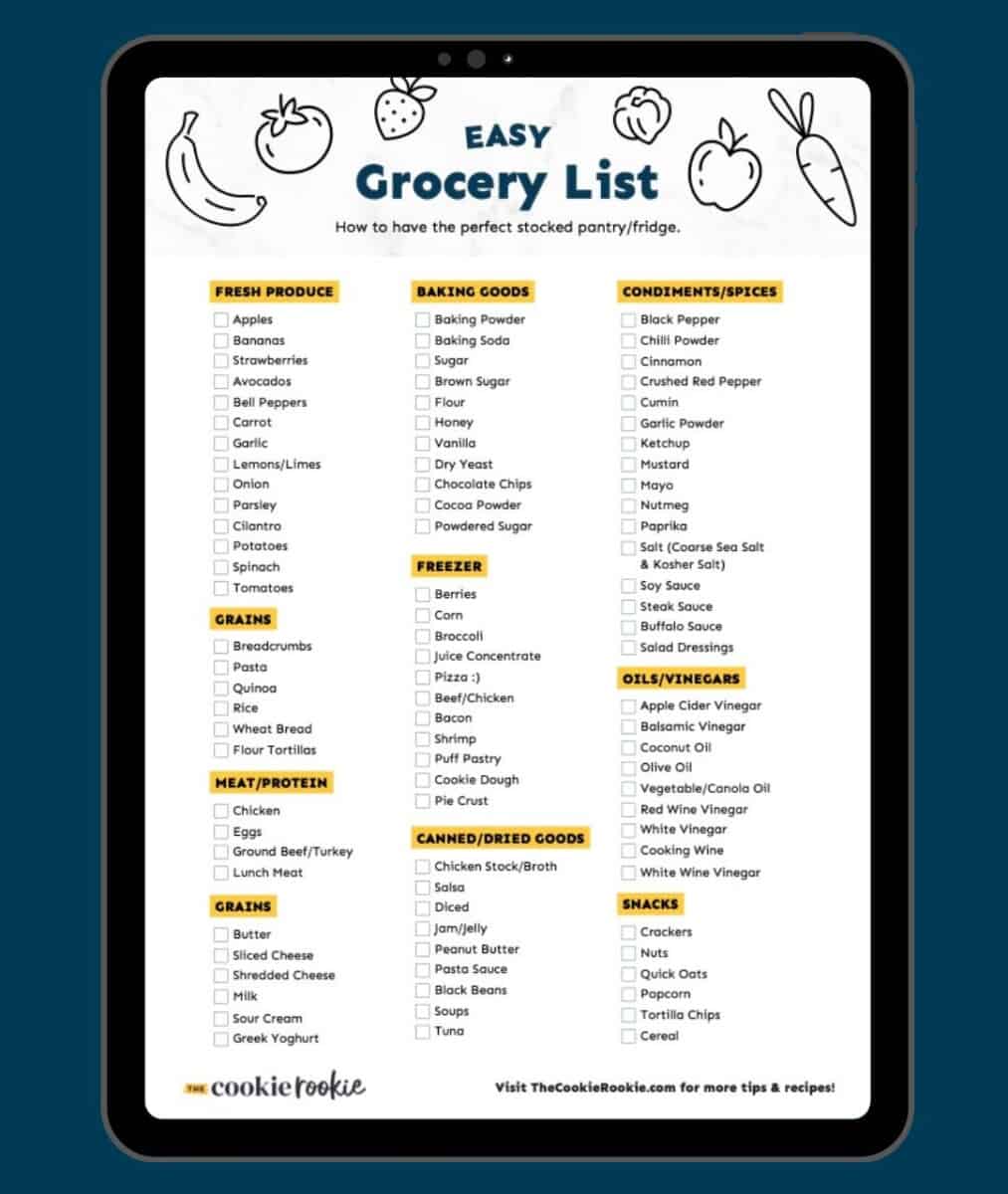
Cooking is a universal language that bridges cultures and generations. A thoughtfully prepared cooking list acts as both compass and canvas, guiding creativity while ensuring every dish turns out as intended. This guide explains why such a list matters, what it should contain, and how a pinch of science can turn everyday ingredients into memorable meals.
The Significance of a Cooking List
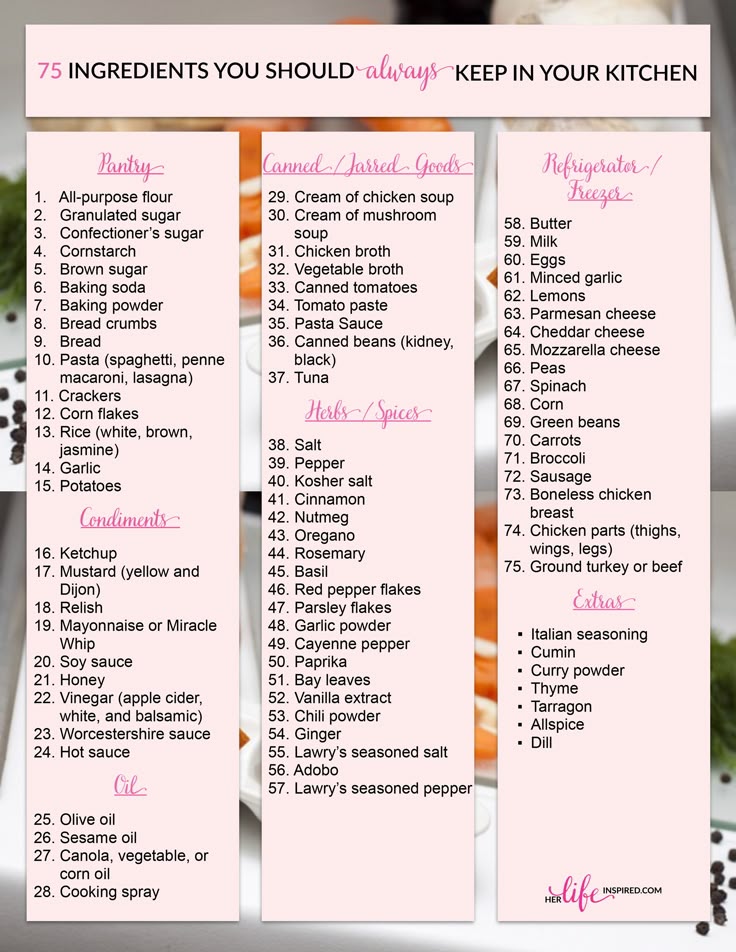
Think of a cooking list as a quiet sous-chef: it gathers everything you need before the first pan is warmed. By mapping out ingredients and steps in advance, it prevents last-minute grocery runs, lowers kitchen stress, and keeps the focus on flavor rather than frantic searching.
Ensuring Proper Ingredients
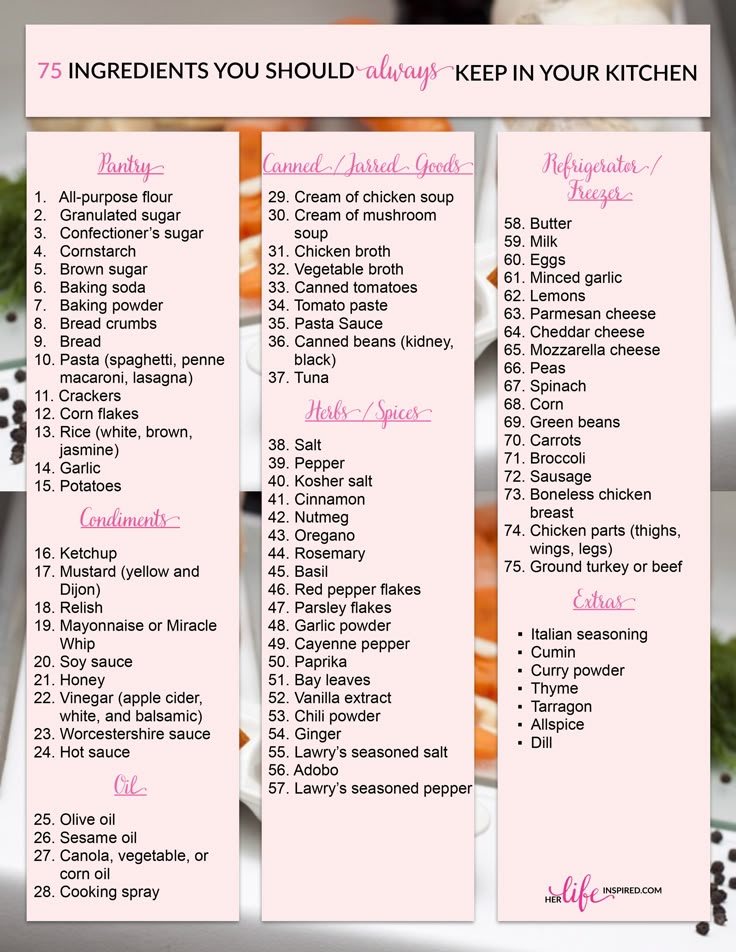
A complete list captures both headline ingredients and the quiet supporters. A chocolate cake, for instance, relies on flour, cocoa, and sugar, but also on baking powder, eggs, and a whisper of vanilla. Forgetting any one of them can flatten both batter and mood.
Reducing Culinary Disasters
Notes about oven temperature, resting time, or the exact moment to fold egg whites can live right beside the ingredient names. These gentle reminders reduce the chance of overbaked edges or under-risen centers, especially when recipes grow more ambitious.
Streamlining the Cooking Process
When everything is measured, peeled, and within reach, the rhythm of cooking becomes almost musical. A clear list lets you move from chopping to sautéing to plating without the discord of rummaging through cupboards mid-recipe.
Components of a Cooking List
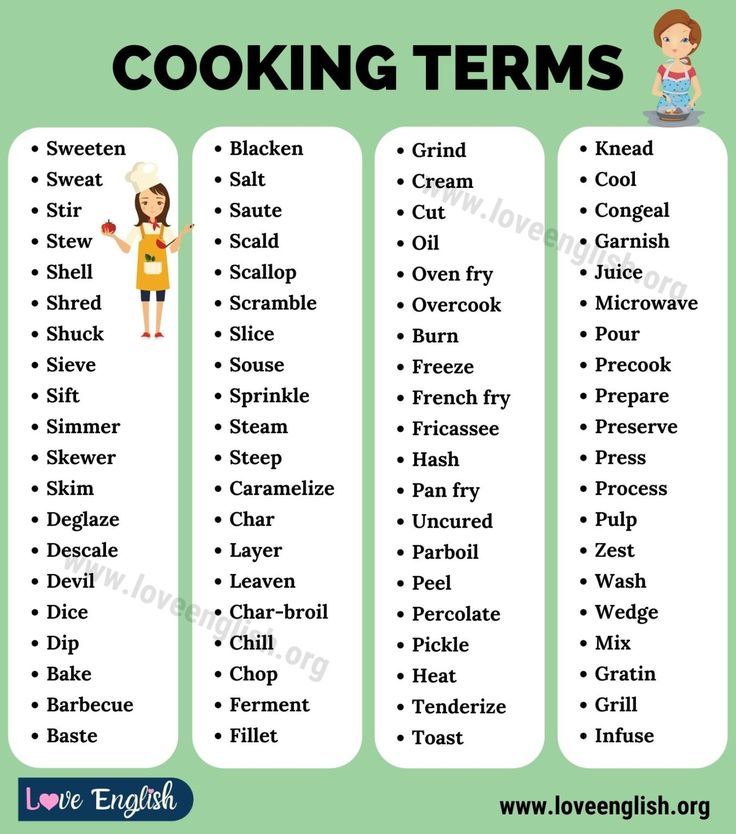
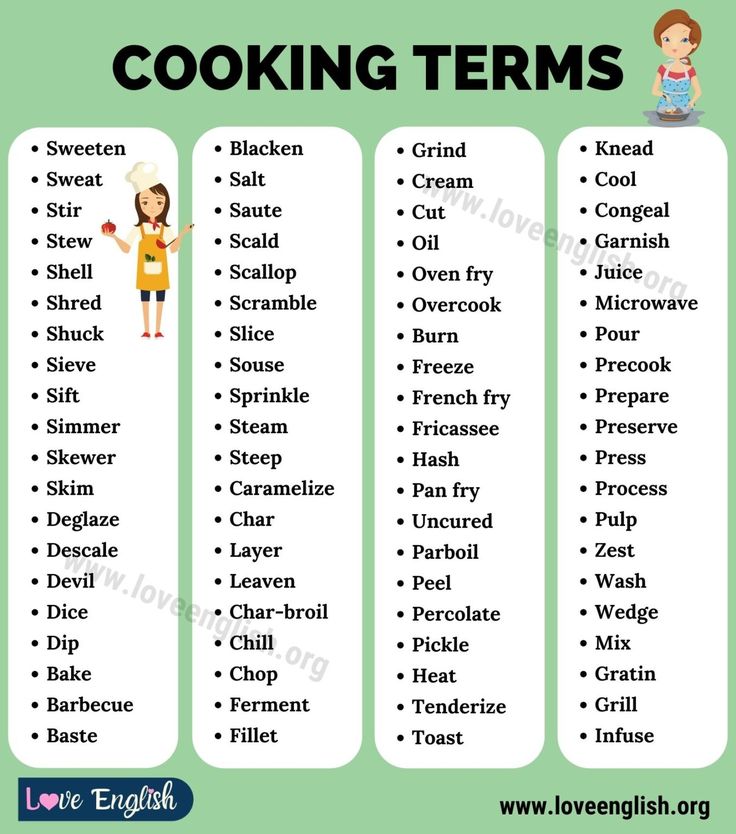
An effective list balances detail with readability. Divide it into simple sections so nothing is overlooked.
Main Ingredients
These are the stars of the plate: the beef in a stew, the tomatoes in a sauce, the lentils in a curry. List them first so you can build the rest of the meal around their quantities and cooking times.
Auxiliary Ingredients
Herbs, spices, stocks, and citrus fall here. Though smaller in volume, they shape aroma and depth. A sprig of thyme or a squeeze of lemon can be the difference between good and unforgettable.
Equipment and Utensils
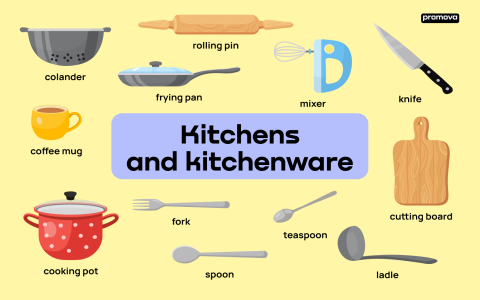
Jot down the right-sized pot, the sharp knife, or the food processor bowl. Discovering you need a rolling pin after the dough is mixed adds unnecessary tension to an otherwise pleasant afternoon.
Cooking Instructions
A concise timeline keeps you on track. Phrases like “simmer 20 min” or “rest 10 min before slicing” fit neatly beside ingredients and act as quick reference when hands are busy.
The Science Behind Cooking
A few scientific basics turn intuition into repeatable success.
Heat Transfer
Whether heat travels by direct contact (conduction), through moving air or liquid (convection), or via radiant energy (radiation), choosing the matching method protects texture and flavor. A gentle steam keeps fish silky; a roaring sear builds crust.
Chemical Reactions
Browning vegetables or caramelizing onions involves the Maillard reaction, where heat coaxes new, nutty flavors from simple sugars and amino acids. Recognizing when color equals taste helps you judge doneness with your eyes as well as a timer.
Food Safety
Keep cold foods cold, hot foods hot, and cutting boards separate. These small habits guard the pleasant memories of a meal from being spoiled later.
The Benefits of Following a Cooking List
Organization in the kitchen ripples outward in surprising ways.
Improved Efficiency
With decisions made in advance, your energy goes into technique rather than problem-solving, trimming minutes off prep and hours off cleanup.
Reduced Waste
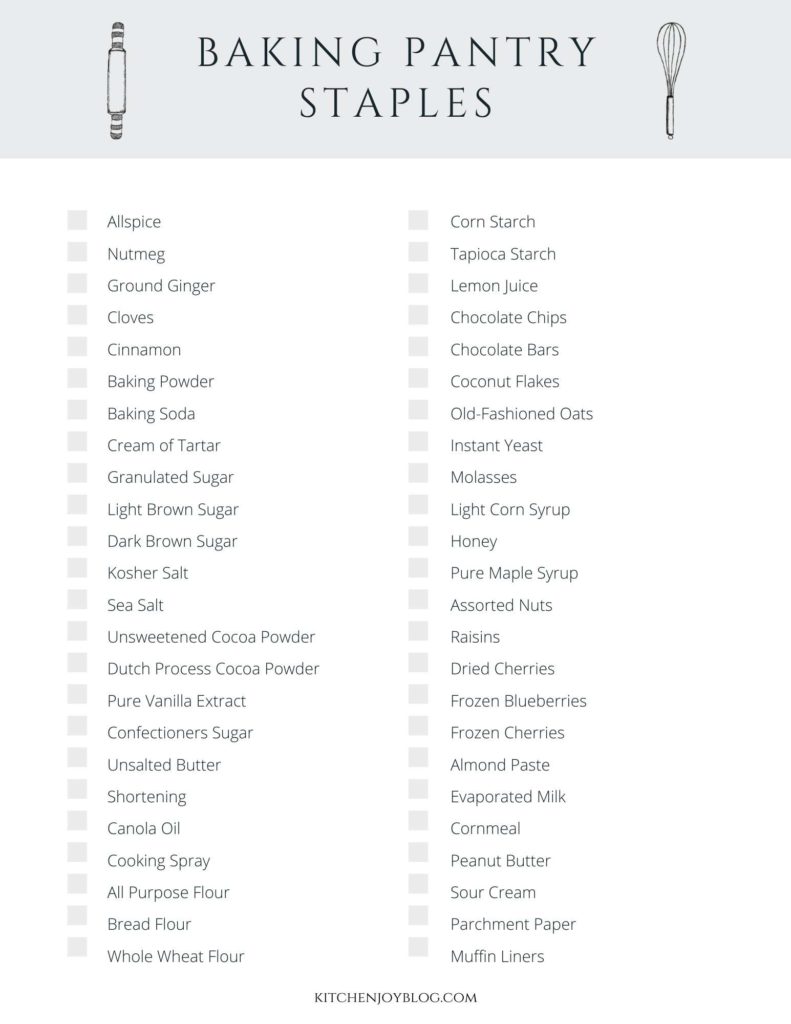
Buying only what the list calls for means fewer forgotten herbs wilting in the fridge and less guilt when the trash bin fills.
Enhanced Flavor
Balanced shopping leads to balanced plates. When every element is accounted for, seasonings layer instead of clash, and textures contrast instead of compete.
Creating an Effective Cooking List
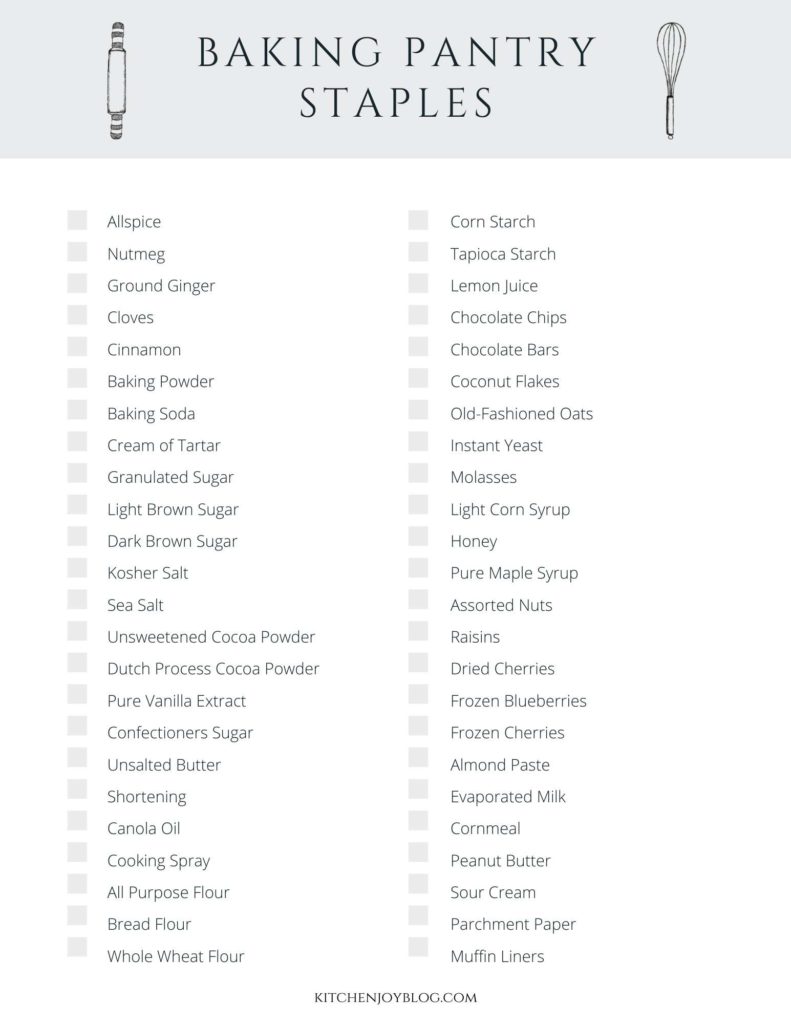
Build your roadmap in five quick steps:
1. Start with the Recipe: Read it fully, noting every ingredient and tool.
2. Check Your Pantry: Cross off what you already own; circle what you lack.
3. Make Adjustments: Swap items for dietary needs or seasonal availability.
4. Organize the List: Group items by store section—produce, dairy, dry goods—for swift shopping.
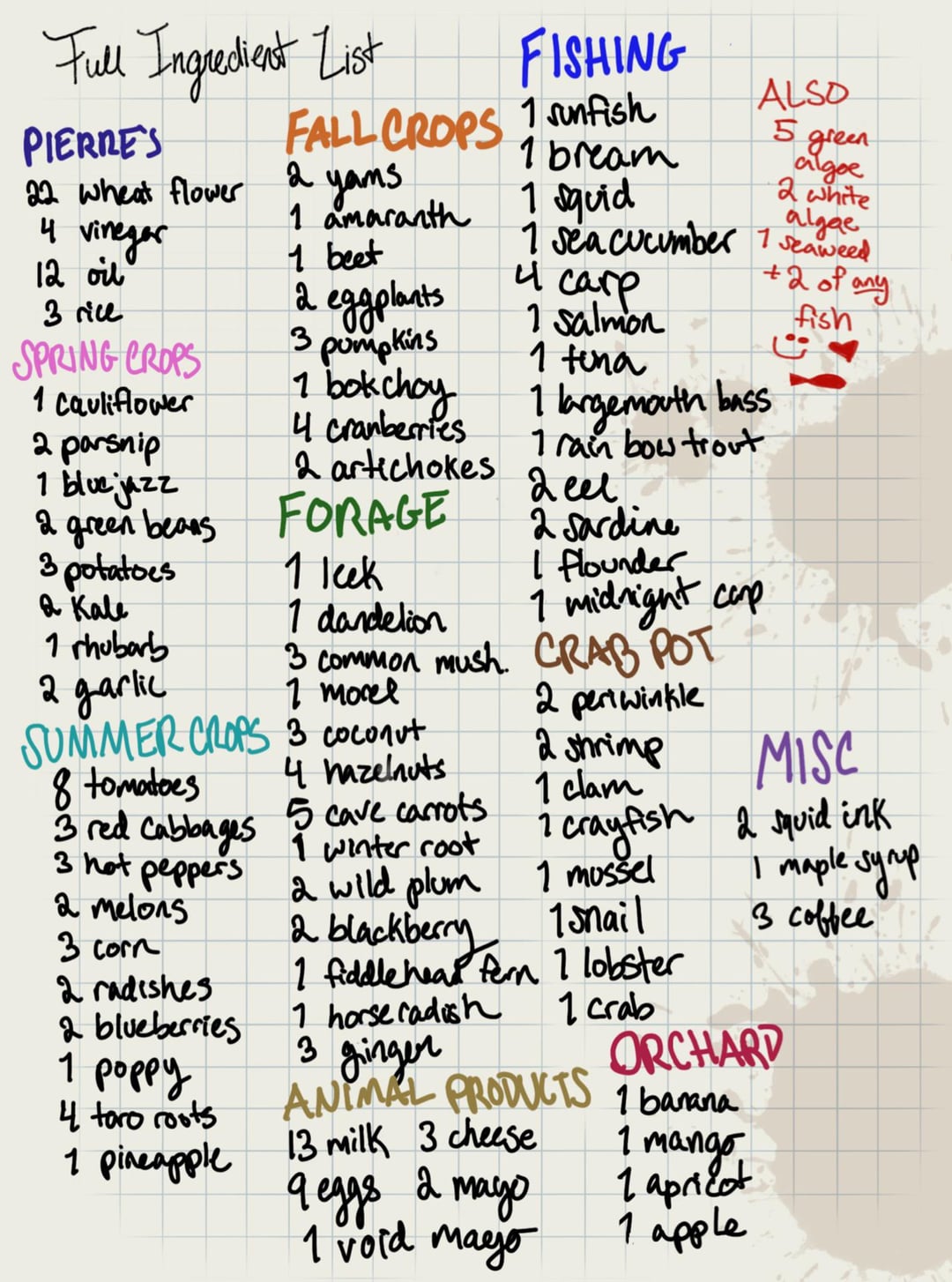
5. Review the List: A final glance prevents that “I forgot the garlic” moment at checkout.
Conclusion
A cooking list is more than paper and pen; it is the quiet architect of confident cooking. By pairing thoughtful planning with a dash of science, you invite consistency, creativity, and calm into every kitchen session.
In the dance between art and science, the list sets the tempo. Let it lead, and every meal becomes both an expression of care and a small triumph of organization.
Recommendations and Future Research
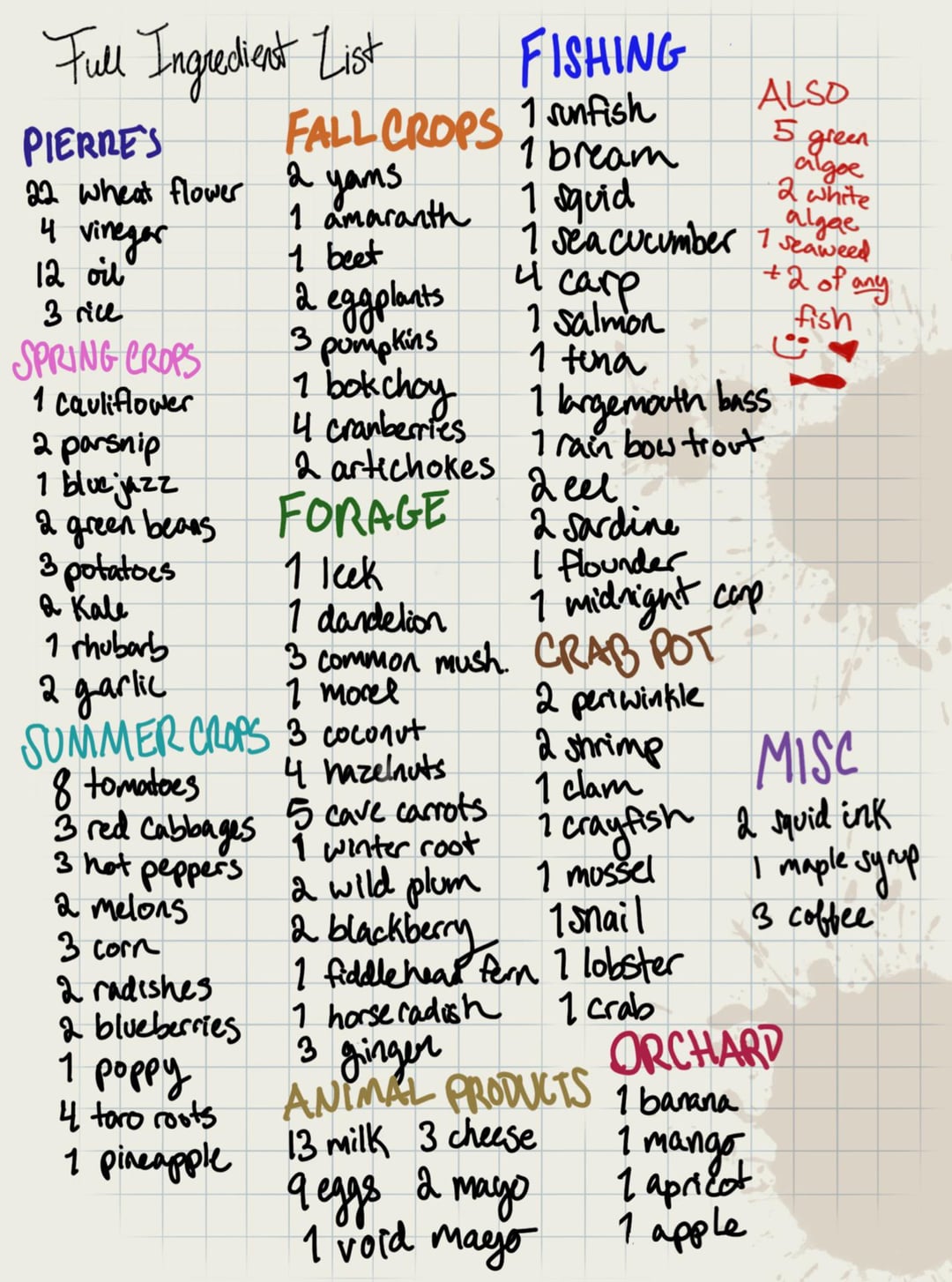
Looking ahead, several paths promise even smarter lists:
1. Technology Integration: Apps that auto-build lists from chosen recipes, adjusting for allergies or pantry scans.
2. Sustainability: Algorithms suggesting portion sizes that trim waste and packaging.
3. Cultural Diversity: Databases that translate global ingredients into local substitutes, keeping regional flavors accessible everywhere.
As these ideas evolve, the humble cooking list will continue to nourish both people and the planet, one well-planned dish at a time.