

The Enigma of Chicken Tikka Masala: A Culinary Journey
Introduction
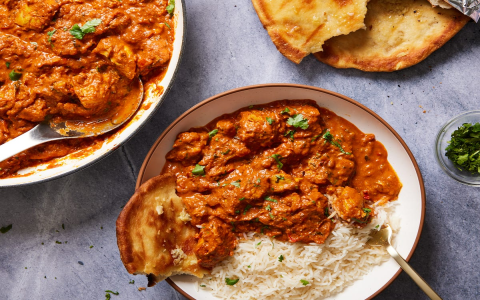
Chicken Tikka Masala has crossed borders and become a favorite on tables far from its birthplace. This article traces how the dish came to be, how it has changed over time, and why it matters to so many diners. Drawing on food history and kitchen wisdom, it offers a clear look at the forces that turned spiced chicken in velvety sauce into a worldwide comfort food.
The Birth of Chicken Tikka Masala
Origins and Evolution
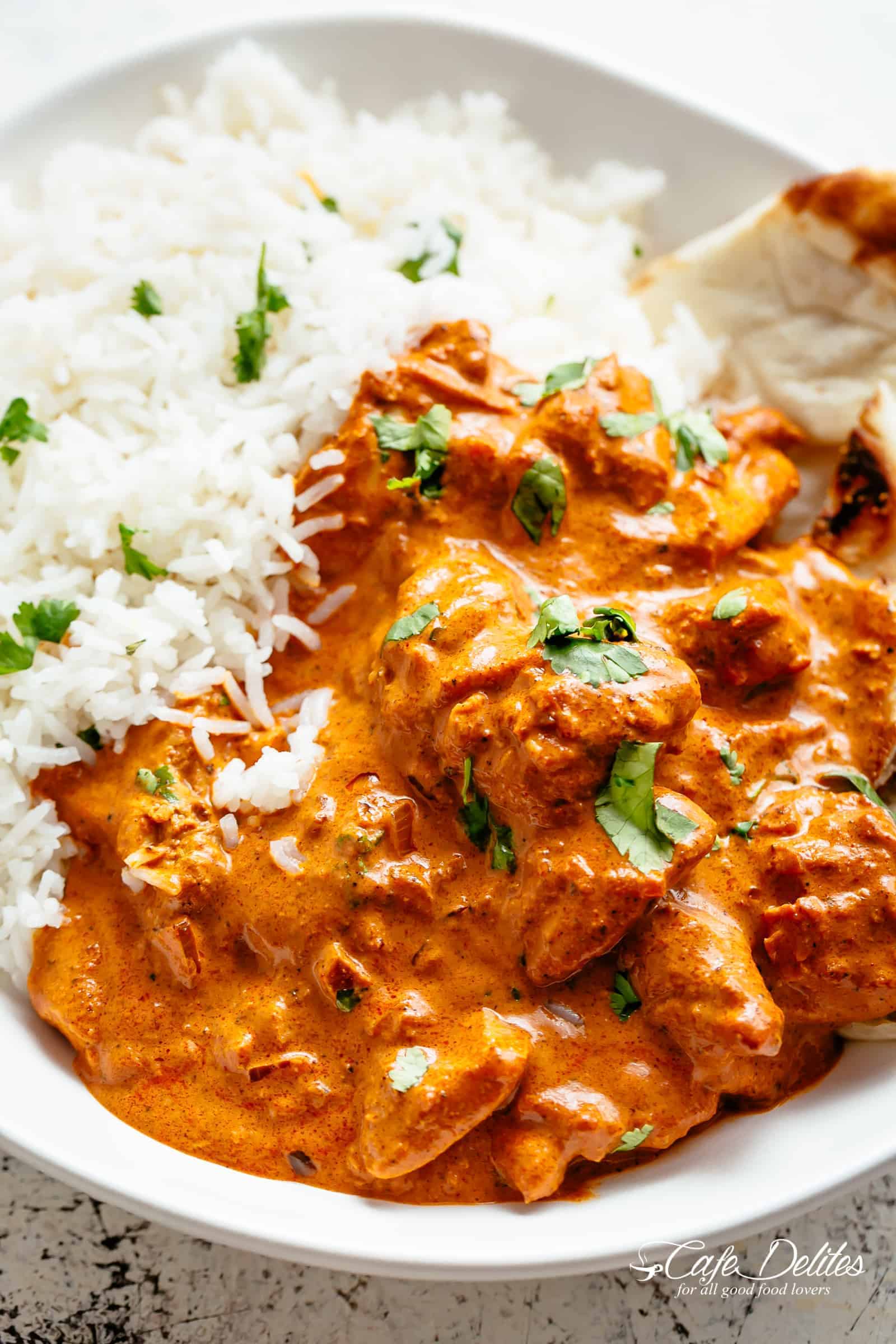
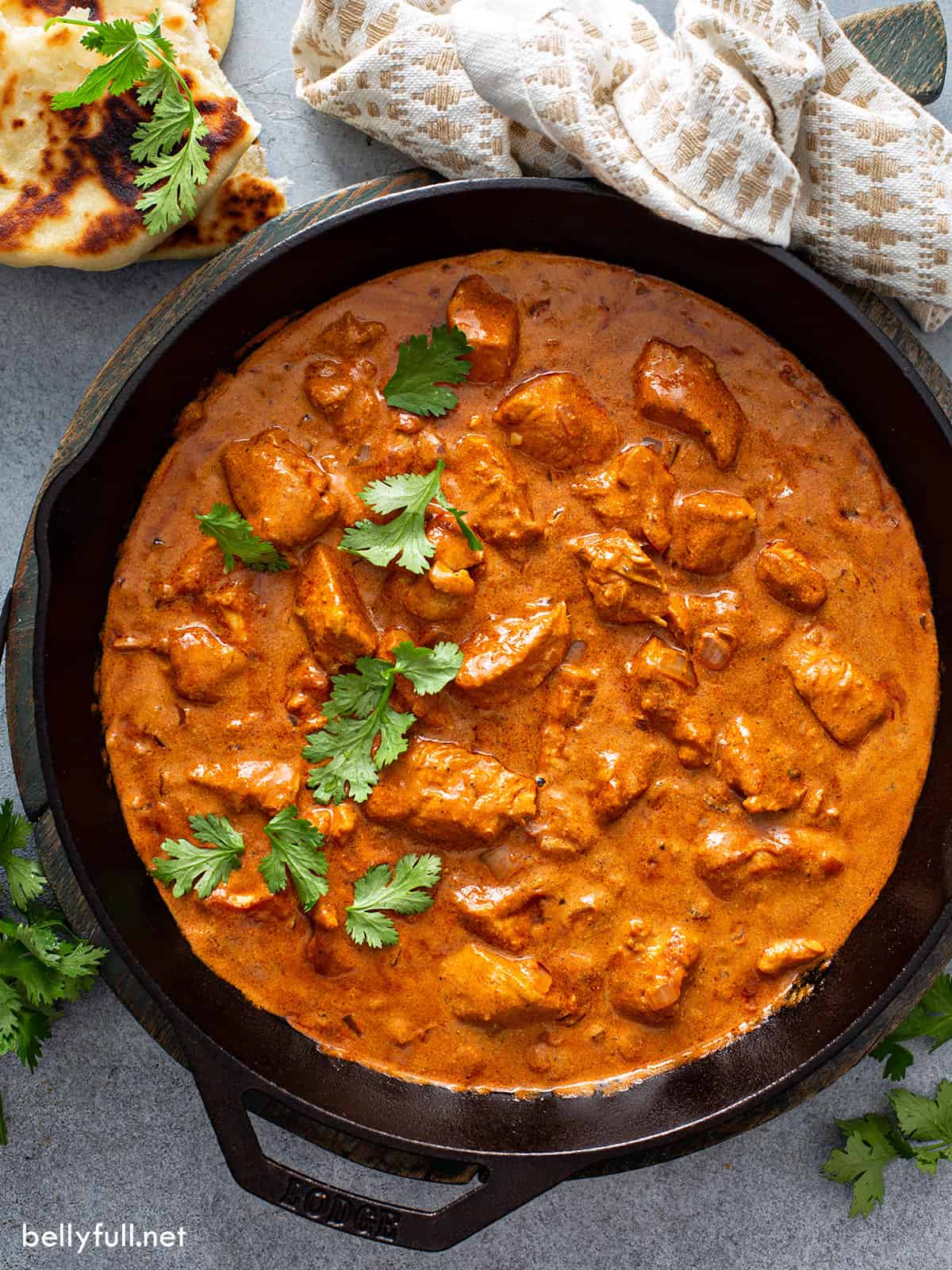
Most food historians agree that the recipe took shape in the mid-twentieth century, when South Asian cooks began adjusting classic chicken tikka for guests who preferred a saucier meal. By letting grilled chunks of marinated chicken simmer in a fragrant tomato-cream blend, they created a new classic that kept the smoke of the tandoor but added the richness of a curry.
The British Connection
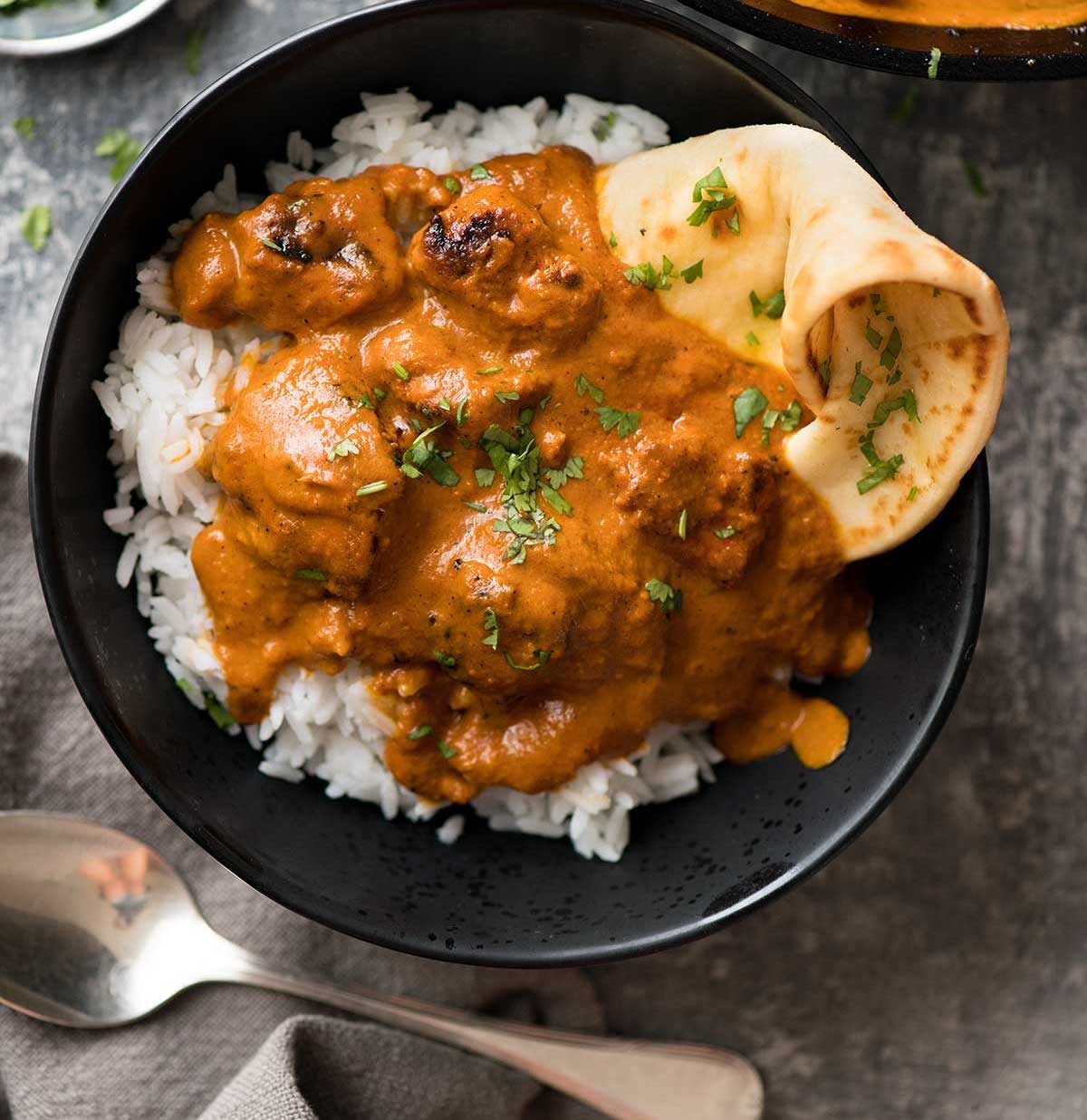
During the restaurant boom of the 1970s, British diners embraced the dish, asking for extra sauce to spoon over rice or naan. Chefs answered the call, refining the gravy until it became milder, smoother, and tinged with a gentle sweetness. Word spread quickly, and soon the bright-orange entrée was a menu staple from London to Glasgow, later traveling to every continent.
The Ingredients and Preparation
Key Ingredients
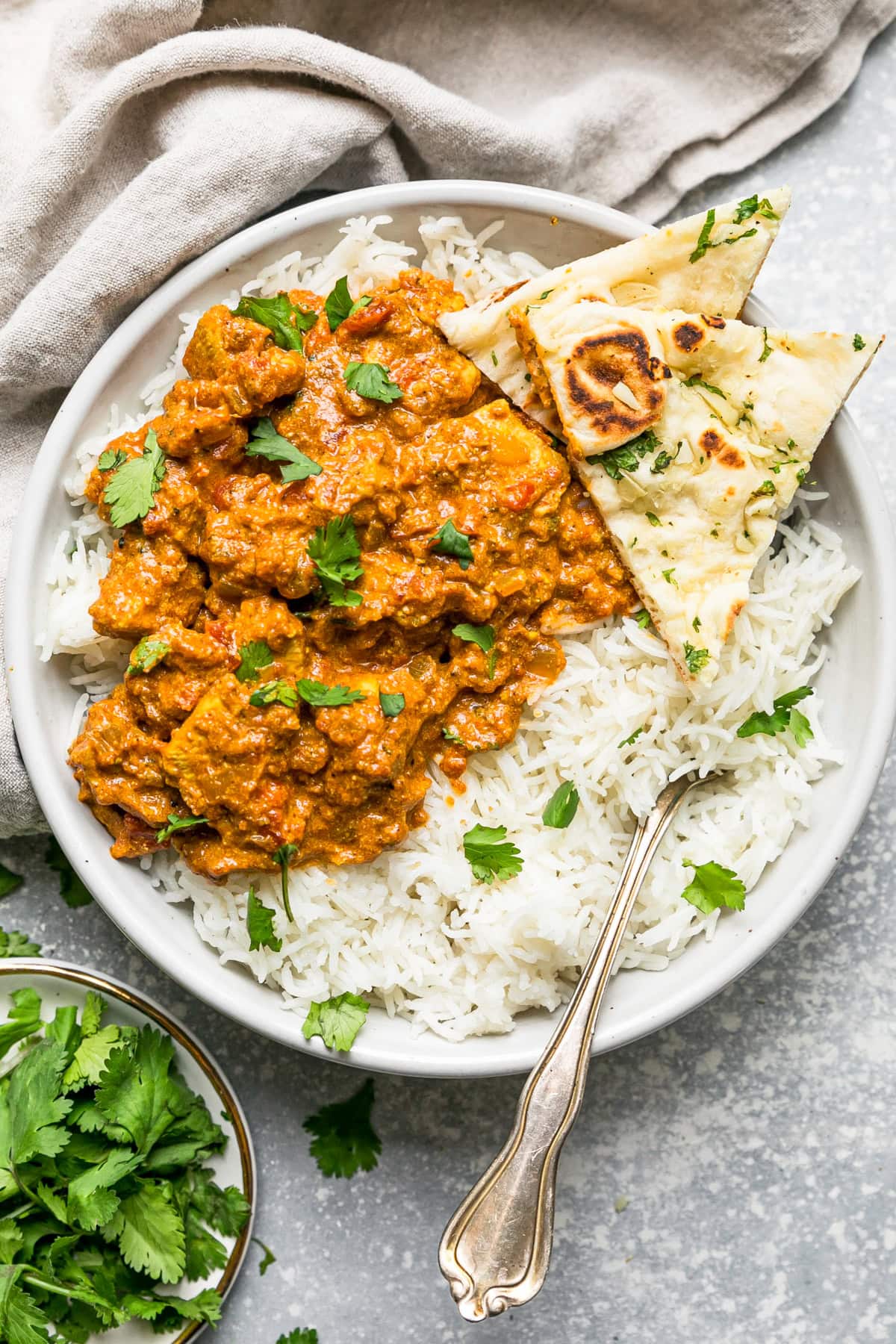
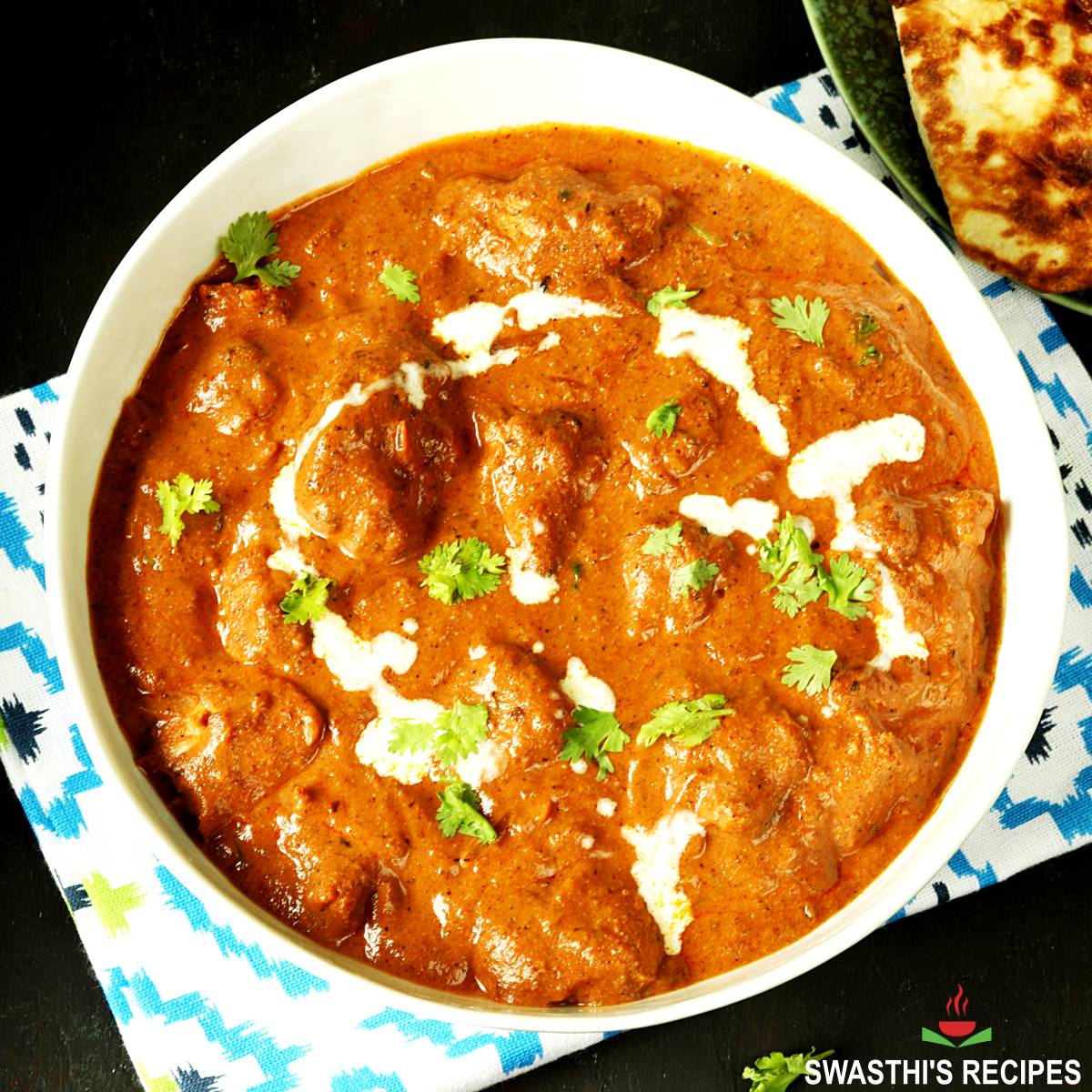
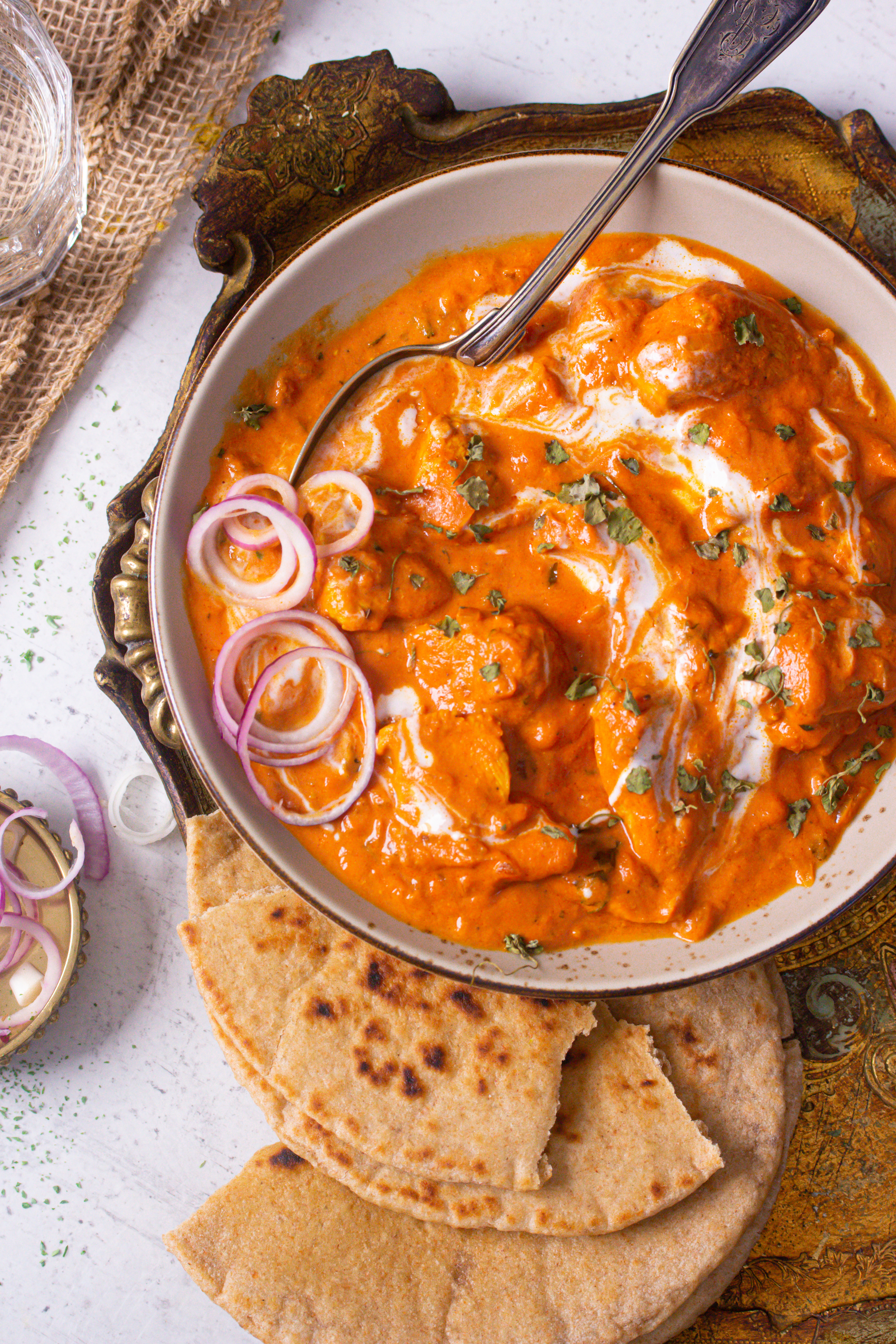
Good Chicken Tikka Masala starts with yogurt-marinated poultry. Garlic, ginger, citrus, and a balanced mix of ground spices coat the meat for hours, tenderizing it and sealing flavor. The hallmark sauce relies on ripe tomatoes, a splash of cream, and a chorus of spices—cumin, coriander, turmeric, and a touch of chili—simmered until thick and glossy.
Preparation Techniques
Cooks grill or roast the marinated chicken until the edges char slightly, then set it aside. Separately, they reduce tomatoes with aromatics, stir in cream, and let the mixture bubble slowly. Once the gravy reaches a silky consistency, the grilled chicken is folded in, allowed to rest over low heat, and finished with a sprinkle of fresh cilantro or crushed fenugreek leaves.
The Cultural Significance of Chicken Tikka Masala
A Symbol of Fusion
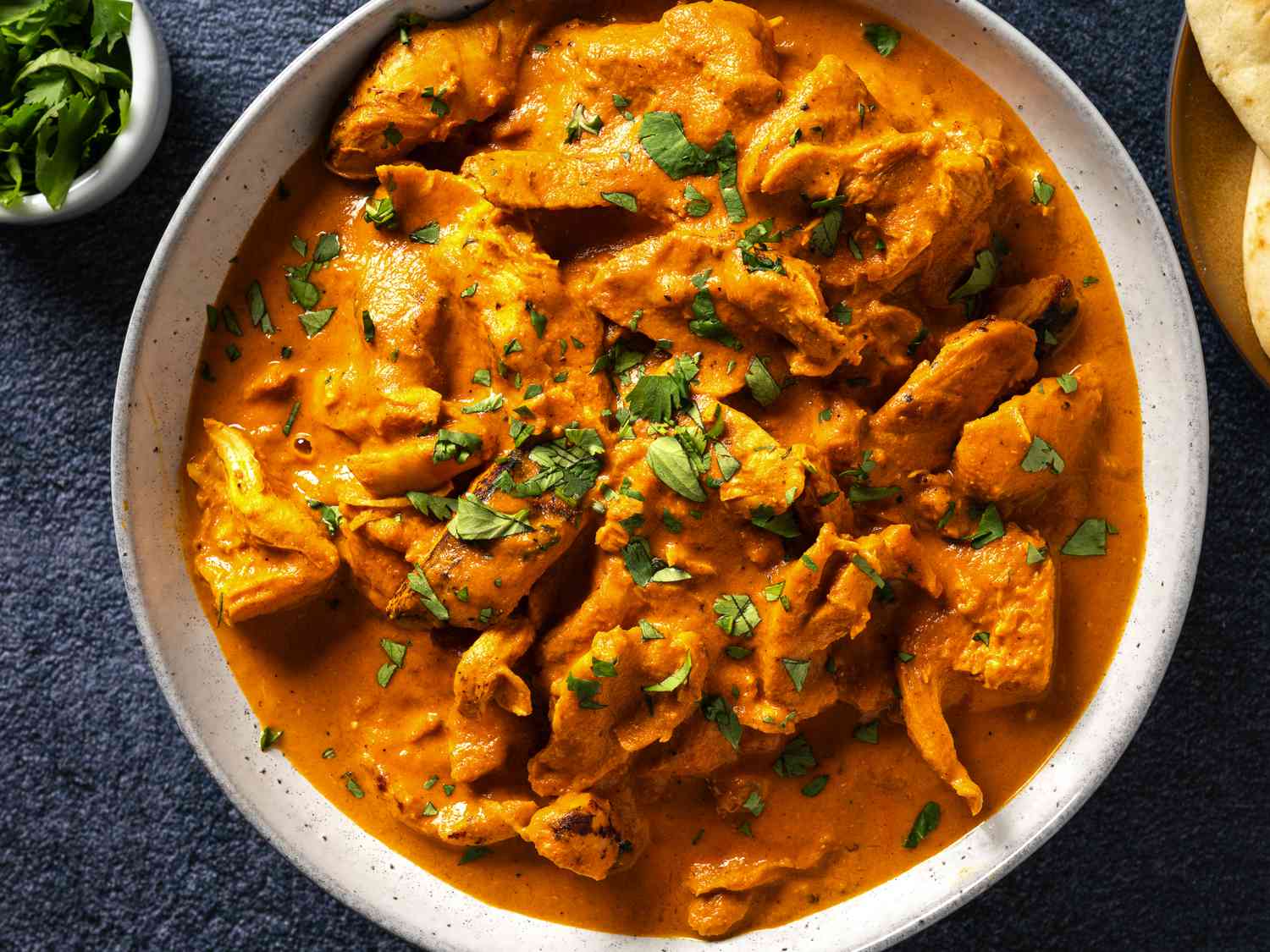
The plate embodies culinary dialogue: tandoor techniques meet pantry staples favored farther west, proving that adaptation can give birth to beloved classics. Each bite carries the story of cooks who listened to their guests, blended traditions, and built bridges one curry at a time.
A Global Icon
Today the entrée appears in school cafeterias, airport lounges, and home kitchens that have never used a tandoor. Its familiar color and comforting aroma signal warmth and welcome, making it an edible passport shared by countless cultures.
The Impact of Chicken Tikka Masala on the Food Industry
Economic Impact
Restaurant owners report that the dish anchors sales, encouraging expansion and employment. Supermarkets stock ready-made sauces, while spice companies market special blends, creating a ripple effect that supports farmers, factory workers, and exporters alike.
Culinary Innovation
Creative chefs swap cream for coconut milk, smoke the sauce with cloves, or fold in seasonal vegetables, showing how one recipe can seed an entire family of new ideas. Food trucks and pop-ups continue to riff on the formula, keeping menus fresh and diners curious.
Conclusion
Chicken Tikka Masala stands as proof that food evolves whenever people meet, share, and taste together. Its journey from improvised diner request to global staple reminds us that the kitchen is a meeting place where cultures mingle and something delicious is always possible.
References
1. General culinary texts on Anglo-Indian fusion cuisine.
2. Peer-reviewed articles exploring post-colonial food adaptation.
3. Trade publications documenting restaurant trends since the late twentieth century.
Future Research Directions
Further research could explore the following topics:
1. The impact of Chicken Tikka Masala on the global food industry.
2. The role of Chicken Tikka Masala in promoting cultural exchange and understanding.
3. The evolution of Chicken Tikka Masala in different regions and countries.


