

The Impact of Snack Menus on Consumer Choices and Health Outcomes
Introduction
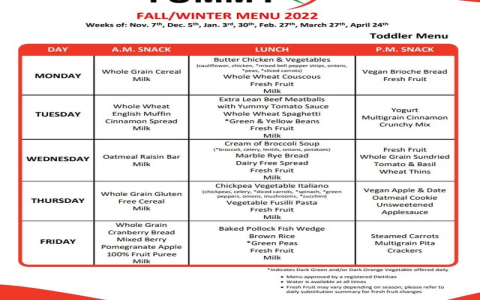
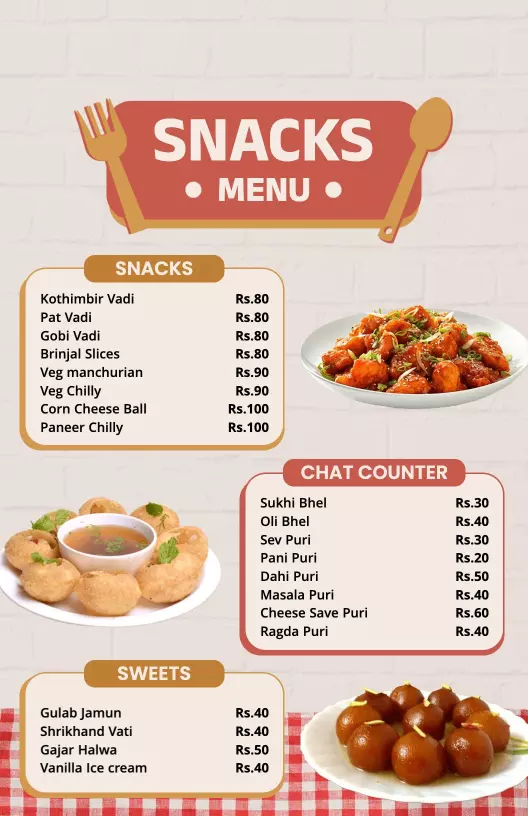
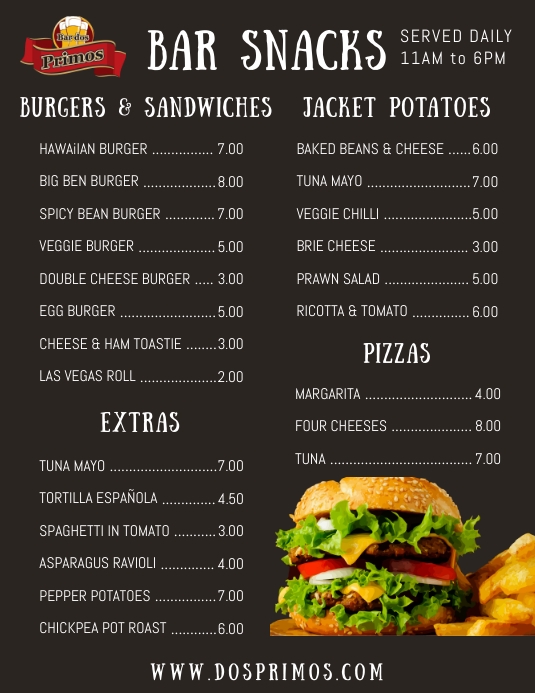
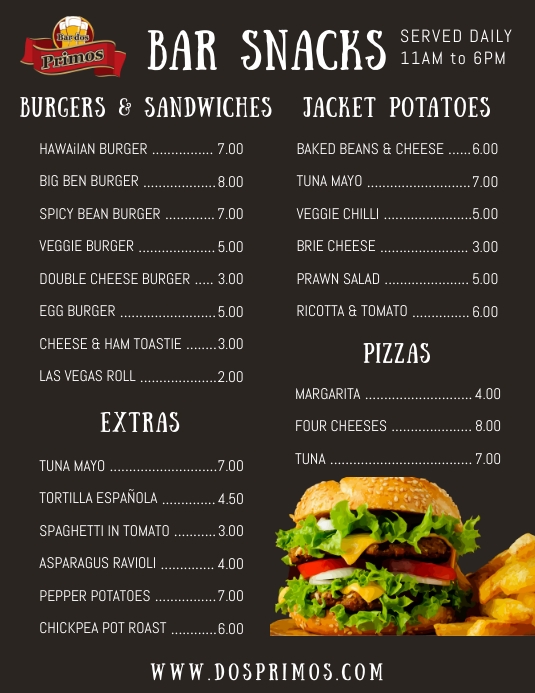
Snack menus have become a staple of the food-service industry, meeting rising demand for quick, varied bites. This article examines how these menus shape what people choose and how those choices may affect well-being. By looking at menu design, promotional tactics, and typical buying patterns, we gain a clearer picture of snacks’ role in today’s eating habits.
The Evolution of Snack Menus
The Evolution of Snack Menus
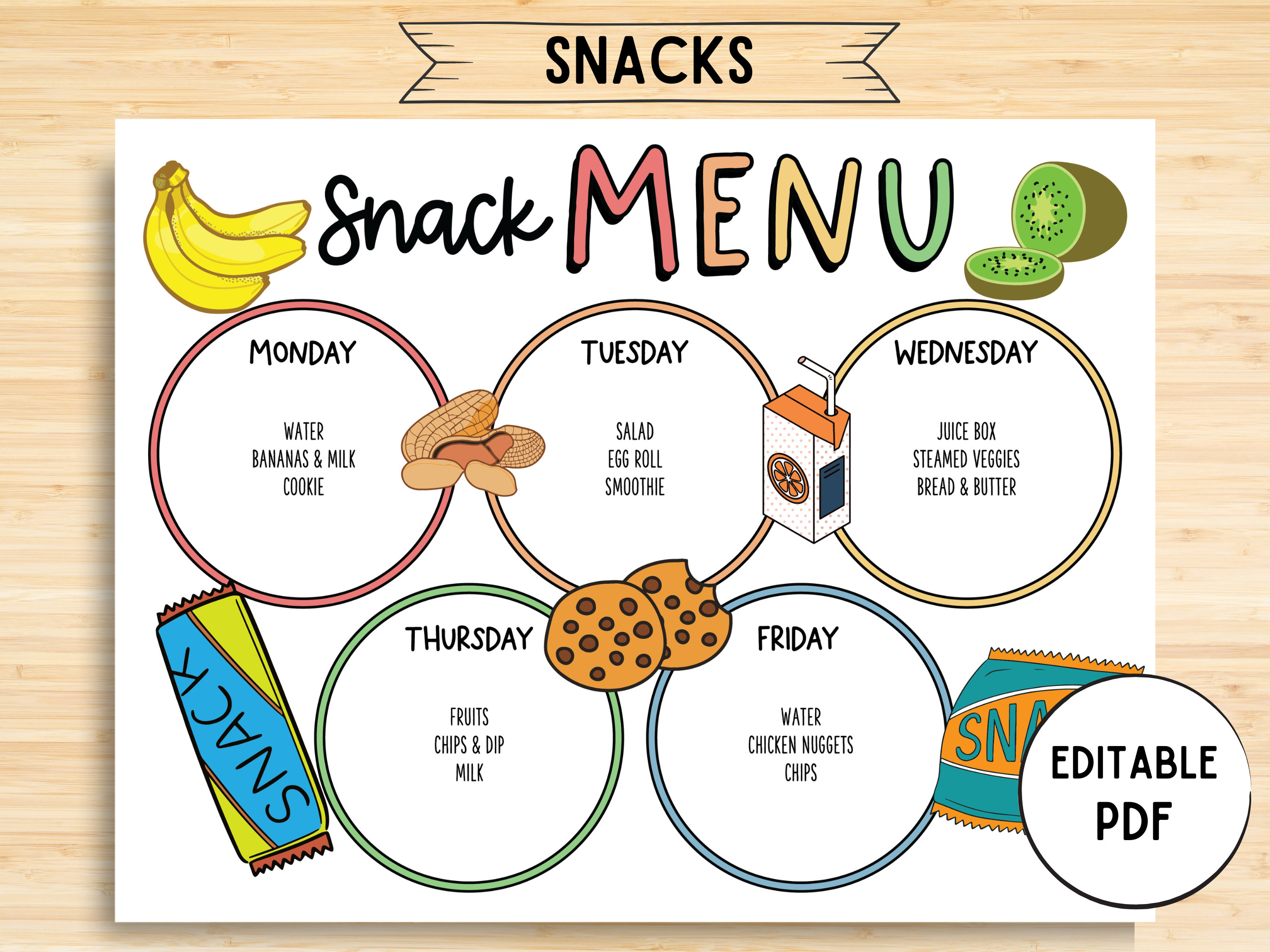
Once limited to simple items such as chips or candy, snack offerings have expanded alongside shifting tastes and health trends. Modern lists now span fresh fruit cups, roasted nuts, yogurt parfaits, and occasional indulgences like artisanal chocolates. Greater convenience, wider retail channels, and lively food media have all fueled this diversification, giving shoppers an ever-growing range of mini-meals.
The Influence of Snack Menus on Consumer Choices
The Influence of Snack Menus on Consumer Choices
How snacks are displayed and described can steer decisions. Several factors stand out:
Visual Appeal
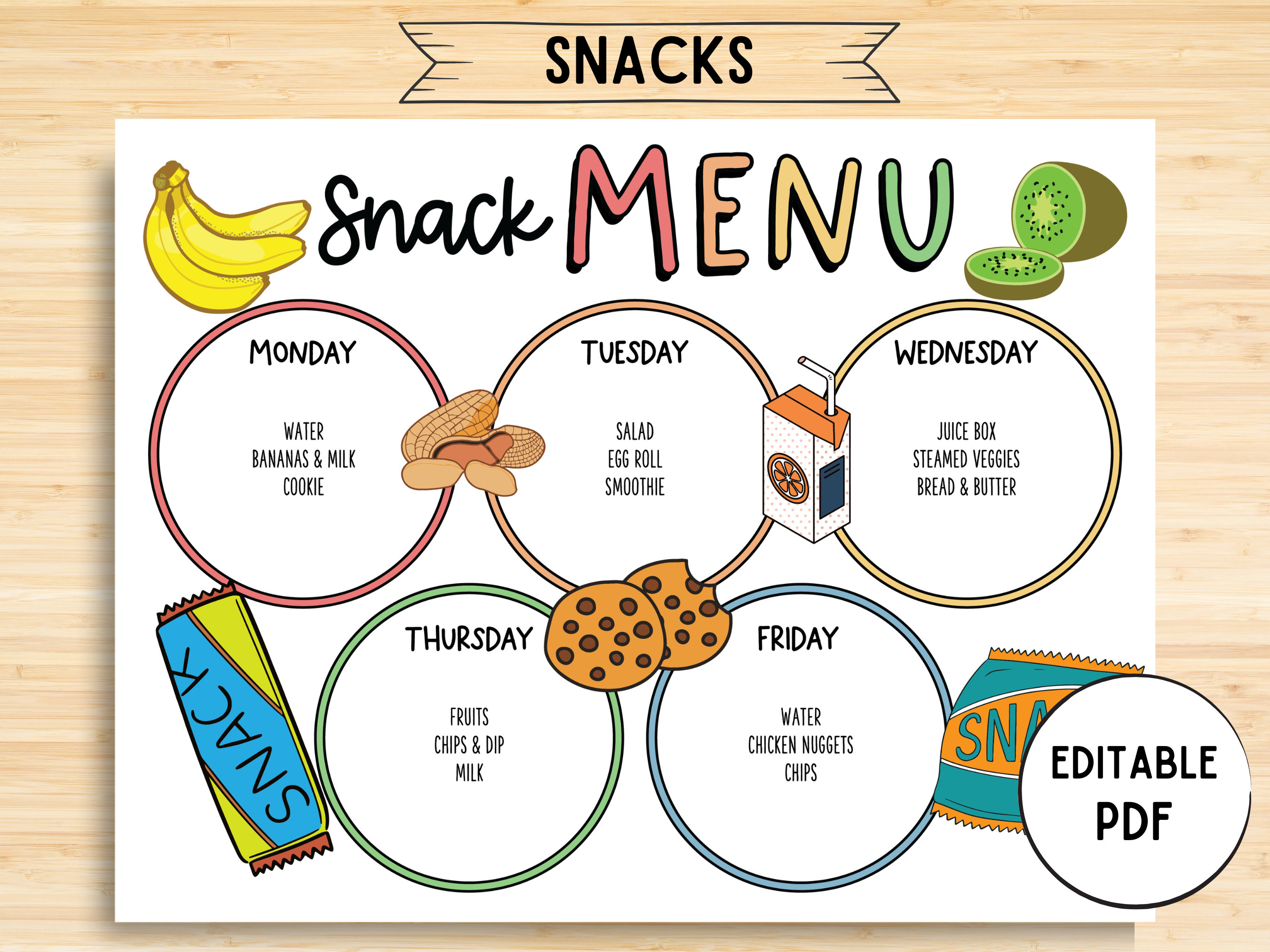
Bright photos, colorful packaging, and artful plating draw attention. A vibrant berry cup or neatly stacked whole-grain bites often outsells plain, ungarnished options.
Health Claims
Labels such as “high-fiber,” “source of protein,” or “no added sugar” resonate with wellness-minded guests and can lift sales of those items.
Price and Value
Mixing premium and budget-friendly choices lets every customer find a satisfying pick without stretching the wallet.
Marketing Strategies
Limited-time flavors, seasonal themes, and bundle deals spark curiosity and encourage trial.
Health Outcomes and Snack Menus
Health Outcomes and Snack Menus
What appears on a snack list can either support or hinder balanced eating. Key points include:
Nutritional Content
Options rich in vitamins, minerals, and fiber add positive nutrients, while frequent offerings high in added sugar or saturated fat may work against health goals.
Portion Sizes
Clearly labeled snack packs help guests enjoy treats without unintentional over-consumption.
Consumer Education
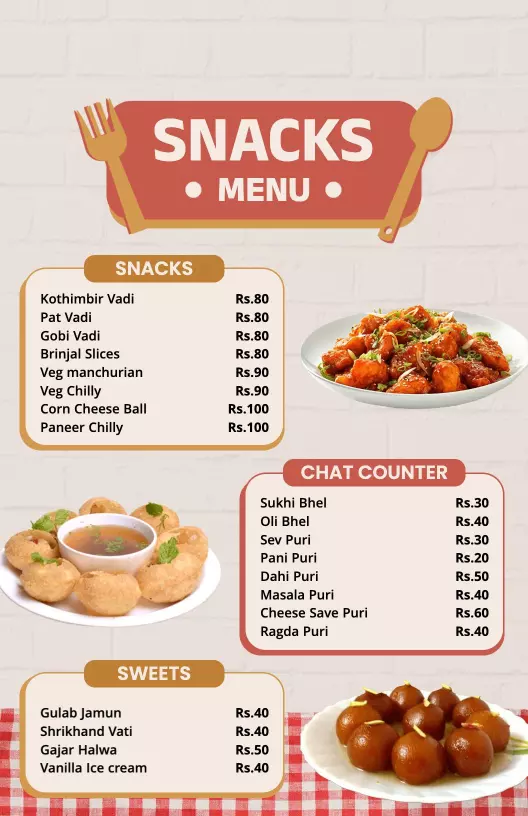
Easy-to-read calorie counts and nutrient highlights empower patrons to compare items quickly and choose what best fits their needs.
Case Studies and Research Findings
Case Studies and Research Findings
Recent academic work illustrates these dynamics:
– Field experiments show that placing fruit or nut mixes at eye level on menus raises their selection rate.
– School-based observations indicate that prominent promotion of sugary snacks can increase their intake among students.
– A quick-service pilot that swapped in lighter sides reported a measurable drop in average calories per transaction.
Conclusion
Conclusion
Snack menus strongly influence what people eat and, by extension, their overall nutrient intake. Operators who balance variety with thoughtful nutrition can satisfy cravings while supporting customer wellness. Continued study of long-term health effects and best promotional practices will help refine these offerings further.
Recommendations and Future Research
Recommendations and Future Research
To encourage smarter snacking, consider the following:
1. Give equal prominence to nutrient-dense choices alongside indulgent treats.
2. Display concise nutrition data so guests can decide at a glance.
3. Run occasional awareness campaigns that highlight the benefits of balanced mini-meals.
Future studies could explore:
1. Extended health outcomes tied to frequent snack-menu exposure.
2. Which communication styles most effectively nudge customers toward healthier picks.
3. How apps or digital kiosks might tailor snack suggestions to individual dietary goals.
By implementing these steps and investing in targeted research, the industry can craft snack menus that delight taste buds while fostering better public health.


