The Art and Science of Recipe Creation: A Comprehensive Overview
Introduction
In the culinary world, a recipe is more than a list of steps; it is the link between a chef’s vision and the diner’s palate. Crafting a recipe blends creativity, science, and sensory insight. This article explores why recipe creation matters, the forces that shape it, and its influence on modern cuisine. We also look at how digital tools are reshaping the process and the emerging trends guiding tomorrow’s kitchens.
The Importance of Recipe Creation
The Role of Recipe Creation in Culinary Innovation
New dishes drive the evolution of food culture. By pairing familiar ingredients with novel methods or reimagining classics, chefs expand flavor boundaries and set fresh trends that ripple across restaurants, media, and home kitchens alike.
The Impact on the Consumer Experience
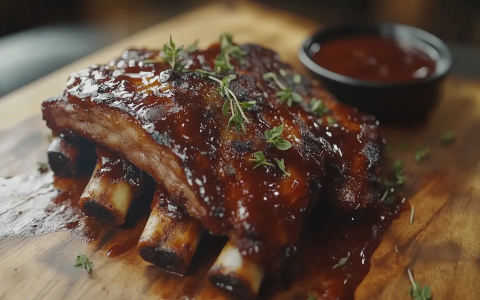
A carefully balanced recipe guarantees consistent quality, turning first-time guests into loyal fans. Memorable flavors and reliable execution remain the surest path to positive word-of-mouth and repeat business.
Factors Influencing Recipe Creation
Ingredients and Their Properties
Every component brings distinct flavor, texture, and nutritional traits. Understanding how seasonal produce, spice potency, or fat content behaves allows chefs to build harmony on the plate while supporting sustainability goals.
Techniques and Methods
Skills such as precise knife work, controlled fermentation, or gentle sous-vide cooking determine whether an idea becomes a showpiece or a disappointment. Technique translates concept into reality.
Cultural Influences
Global pantry staples and time-honored traditions offer endless inspiration. Thoughtful fusion respects origins while inviting diners to taste something refreshingly new.
The Science Behind Recipe Creation
Flavor Chemistry
Balancing sweet, sour, salty, bitter, and umami requires an grasp of how molecules interact. Acidity can brighten fat; heat can mute sweetness; careful layering builds depth without clutter.
Texture and Mouthfeel
Contrasts—creamy against crunchy, airy against dense—keep each bite engaging. Temperature and viscosity also steer perception, turning simple elements into multisensory experiences.
The Role of Technology in Recipe Creation
Computer-Aided Recipe Development
Software now predicts nutrient retention, cost fluctuations, and flavor synergy before a single pan is heated. Virtual simulations reduce waste and speed up trial-and-error cycles.
Online Recipe Sharing Platforms
Digital communities connect professionals and hobbyists across continents, sparking collaboration and real-time feedback that refine dishes at record pace.
Future Trends in Recipe Creation
Personalization
Algorithms may soon adjust seasoning, portion size, and macro ratios to suit individual health profiles, making bespoke meals as accessible as today’s daily specials.
Sustainability
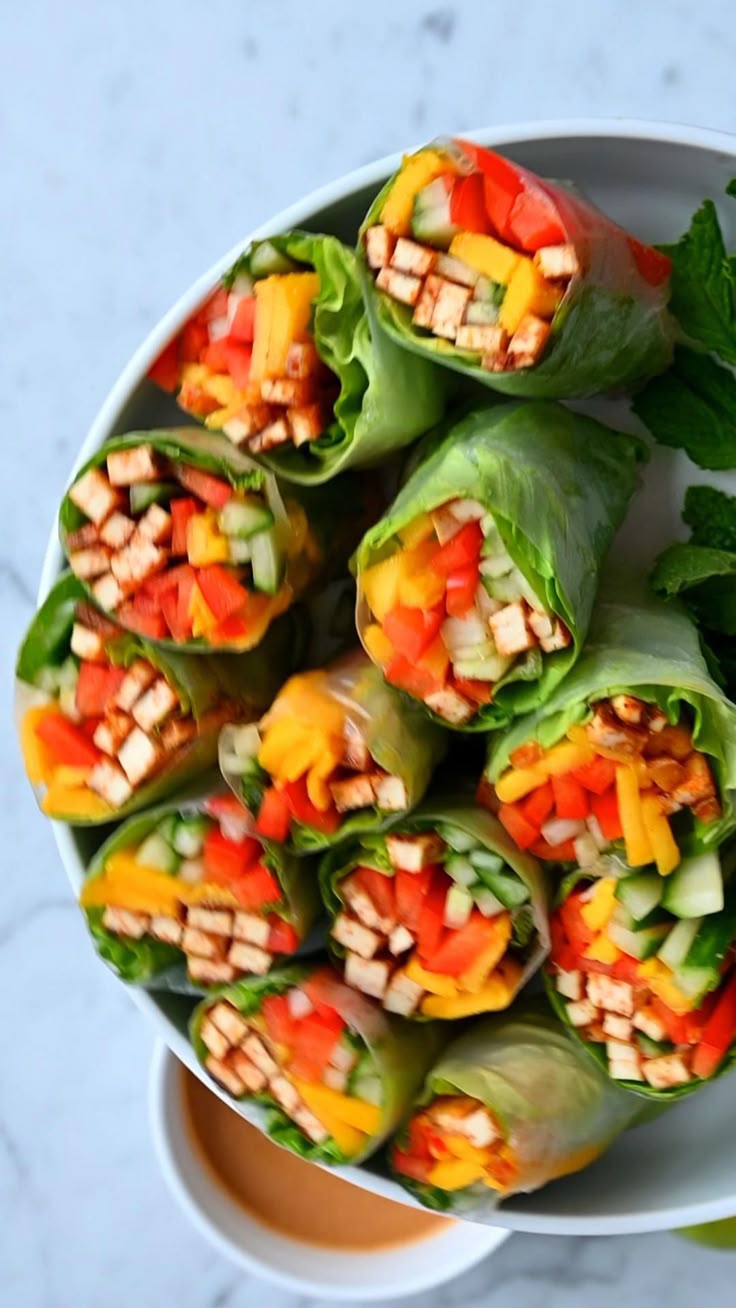
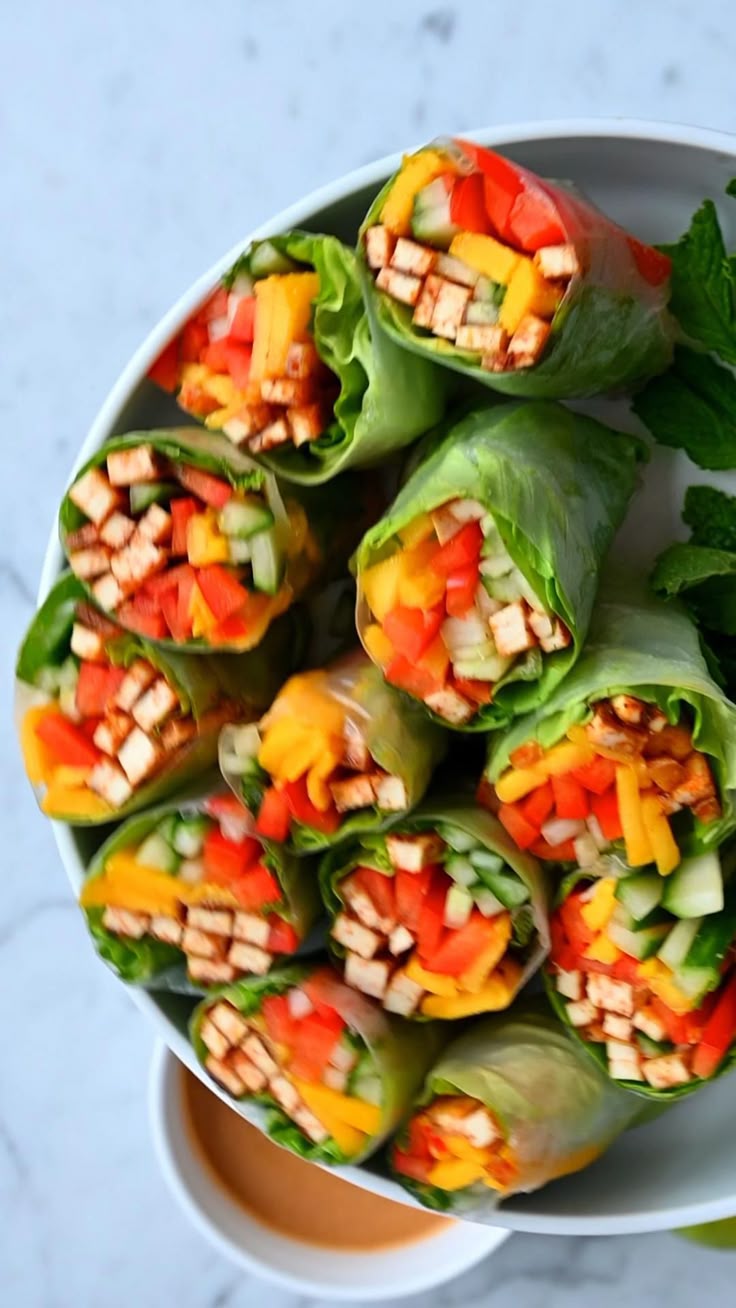
Plant-forward plates, low-impact proteins, and zero-waste techniques are moving from niche to norm, guiding chefs toward menus that nourish both people and planet.
Conclusion
Recipe creation sits at the crossroads of artistry and analysis. Mastering ingredients, methods, and cultural context remains vital, even as digital tools and ethical imperatives reshape the landscape. Continual learning ensures the next generation of dishes will surprise, comfort, and sustain diners worldwide.
Recommendations and Future Research
Culinary educators are encouraged to expand modules on flavor science, texture manipulation, and eco-conscious sourcing. Meanwhile, interdisciplinary studies exploring consumer response to customized meals and emerging optimization technologies can accelerate innovation while keeping sustainability at the forefront.