

The Value of Simple Home Cooking
In today’s busy world, ready-meals and delivery apps promise instant convenience, yet more people are rediscovering the rewards of preparing simple dishes in their own kitchens. This shift toward effortless home cooking is about more than just food—it touches health, budget, and relationships. The following paragraphs outline why keeping meals uncomplicated at home matters and how anyone can make it part of daily life.
Healthier Plates, Simpler Ingredients
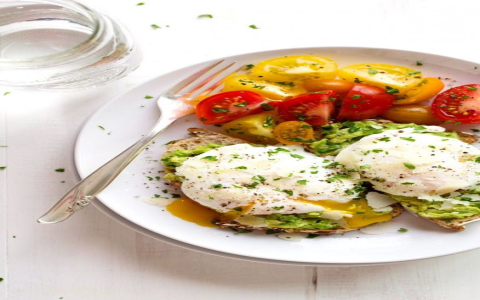
When you cook yourself, you decide what goes into each bite. That usually means more produce, lean proteins, and whole grains, and less salt, sugar, and refined fat. Over time, these choices support steady energy, easier weight management, and a lower chance of common chronic conditions.

Even small swaps—grilling instead of frying, seasoning with herbs instead of salt—add up. The result is food that nourishes without excess, helping everyone at the table feel better after the meal ends.
Friendly to the Wallet
Every grocery bag holds several meals for the price of a single restaurant entrée. Staples such as beans, pasta, eggs, and seasonal vegetables stretch the budget while still offering variety. Planning a loose menu before shopping prevents impulse buys and cuts waste, so ingredients end up on plates instead of in the trash.
Leftovers become tomorrow’s lunch, and surplus produce can be frozen for future soups or smoothies. Over a month, these habits free up cash for savings, hobbies, or an occasional treat.
Time Together at the Table
Simple recipes invite participation: one person chops, another stirs, someone sets the table. These shared tasks spark conversation and create low-pressure moments to connect after hectic days. Friends can join in too—host a build-your-own taco night or a one-pot tasting where each guest brings a favorite garnish.
Because the food is uncomplicated, attention stays on laughter and stories rather than on perfection. The kitchen becomes a social hub instead of a solitary workspace.

Overcoming Common Hurdles
“I don’t have time” tops the list of worries. Batch-cooking grains, washing greens in advance, or keeping a reliable 15-minute recipe folder softens the weeknight rush. A slow cooker or pressure cooker can handle dinner while you finish emails or help with homework.
Skill gaps shrink quickly. Free videos, library cookbooks, and community classes break techniques into manageable steps. Starting with one base—say, a simple stir-fry sauce—builds confidence to branch out. Mistakes along the way are edible experiments, not failures.
Conclusion
Effortless home cooking is a quiet powerhouse: it trims grocery bills, supports well-being, and deepens relationships. The barriers that look large—time, talent, planning—melt once a few flexible habits take root. As lives grow ever faster, the humble act of turning fresh ingredients into a quick, shared meal becomes a daily anchor worth protecting.
Ways to Keep the Momentum
Spreading the word can turn individual habits into community norms:
1. Local groups can host tasting events that showcase five-ingredient dishes anyone can replicate.
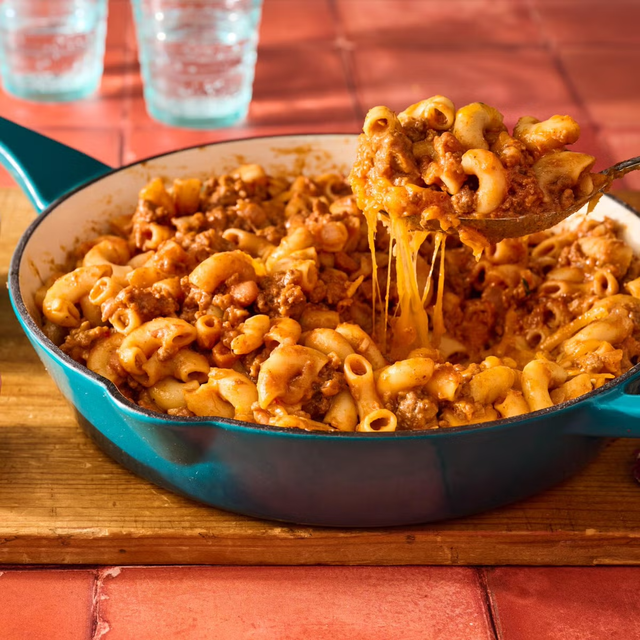
2. Schools can weave basic food prep into science or math lessons, giving pupils practical know-how.
3. Food businesses can offer meal kits with pre-measured staples and clear pictorial guides.
Areas worth exploring next:
1. Long-term health patterns among regular home cooks compared with frequent diners-out.
2. Links between hands-on cooking and reduced stress or improved mood.
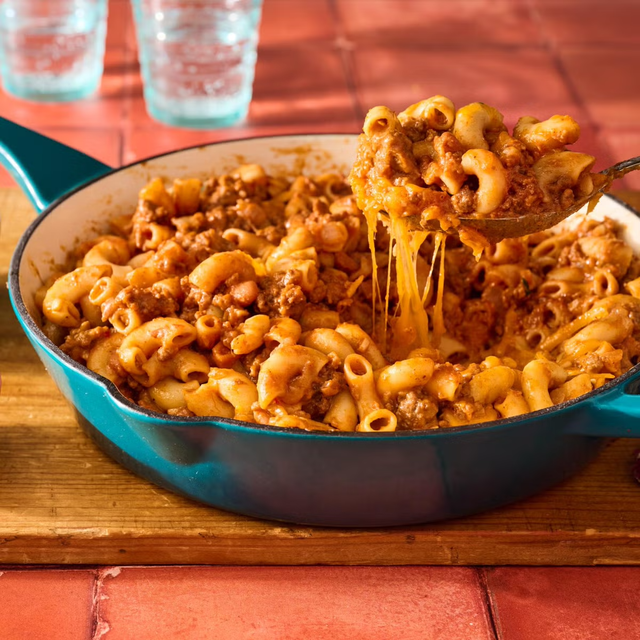
3. Tools that adapt recipes to the equipment, budget, and time each household actually has.


