


Title: The Art and Science of Recipe Reviews: A Comprehensive Analysis
Introduction:
Recipe reviews quietly shape the way we cook and eat, offering snapshots of flavor, texture, and emotion that no ingredient list can capture. This article explores why these miniature stories matter, how they ripple through kitchens both home and professional, and what makes a review genuinely useful. By looking at the habits of reviewers and the reactions of readers, we can see how a few honest sentences can refine a dish, boost a cook’s confidence, or even redirect food trends.
Understanding the Significance of Recipe Reviews
At their core, recipe reviews are shared moments around a virtual table. They translate taste into words so others can anticipate joy or avoid disappointment. Key reasons they matter include:
1. Guided Choices: A quick scan of comments helps home cooks decide whether a chocolate cake leans fudgy or airy, or if a week-night curry is mild enough for children.
2. Cookbook Corrections: Cooks often revisit their own published recipes after readers flag typos, timing issues, or missing steps, leading to quieter, continual refinements.
3. Community Trust: When many voices repeat the same praise or caution, transparency grows, encouraging everyone—from bloggers to bistros—to keep standards high.
The Impact of Recipe Reviews on the Food Industry
Reviews travel faster than any marketing campaign, steering appetites and budgets alike. Their influence shows up in several ways:
1. Menu Shifts: A sudden surge of “too salty” notes can push a café to reduce sodium across the board, while rave reviews about a vegan special might earn it permanent placement.
2. Ingredient Trends: Home cooks mention swapping kale for spinach or adding miso to mashed potatoes; suppliers notice, stock adjusts, and suddenly these items appear in every aisle.
3. Reputation Velocity: A consistent pattern of thoughtful praise builds goodwill that outlives any single meal, whereas repeated warnings about slow service or uneven seasoning can erode years of goodwill within weeks.
Factors Contributing to Effective Recipe Reviews
Not all comments are equally helpful. The most valued reviews tend to share these traits:
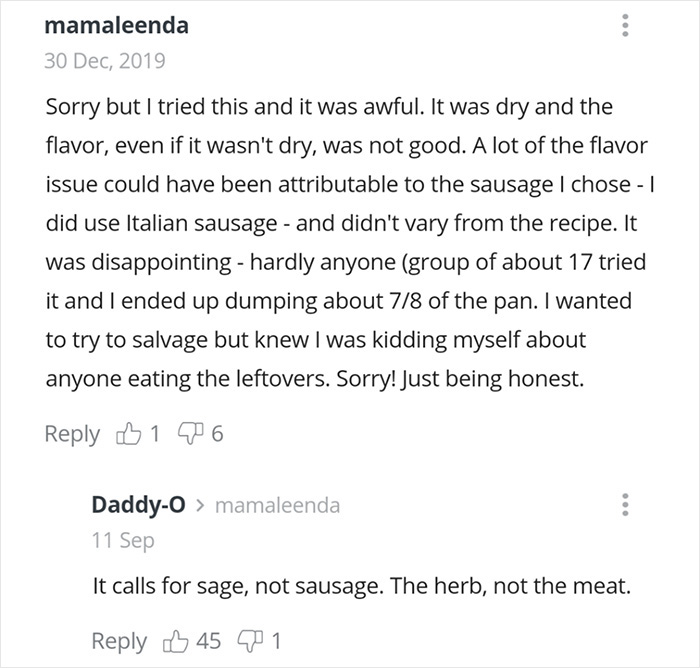
1. Balanced Tone: Stating both delights and drawbacks keeps advice credible and prevents overly glowing or harsh extremes.
2. Sensory Detail: Mentioning aroma, color changes, or the exact crunch of crust gives future cooks a vivid preview.
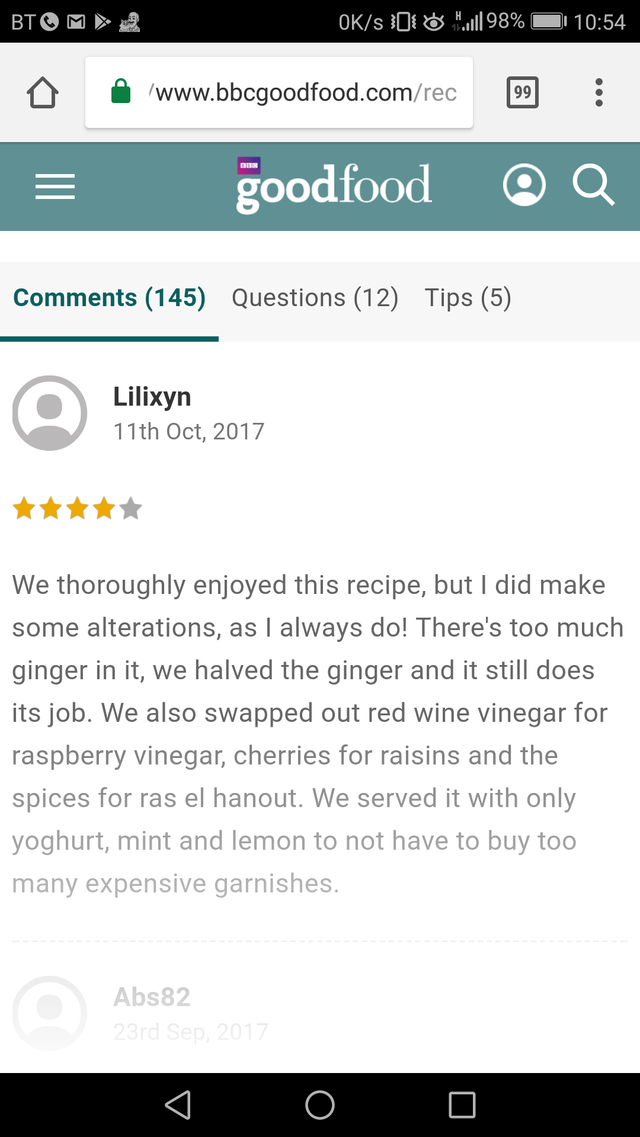
3. Adaptation Notes: Explaining how altitude, pan size, or a dairy-free swap affected results turns a static recipe into a living guide.
4. Context Clues: Sharing skill level, kitchen equipment, or occasion (week-night dinner versus birthday centerpiece) helps readers calibrate expectations.
Case Studies: The Power of Recipe Reviews
Real-world snapshots show how a paragraph can redirect culinary fate:
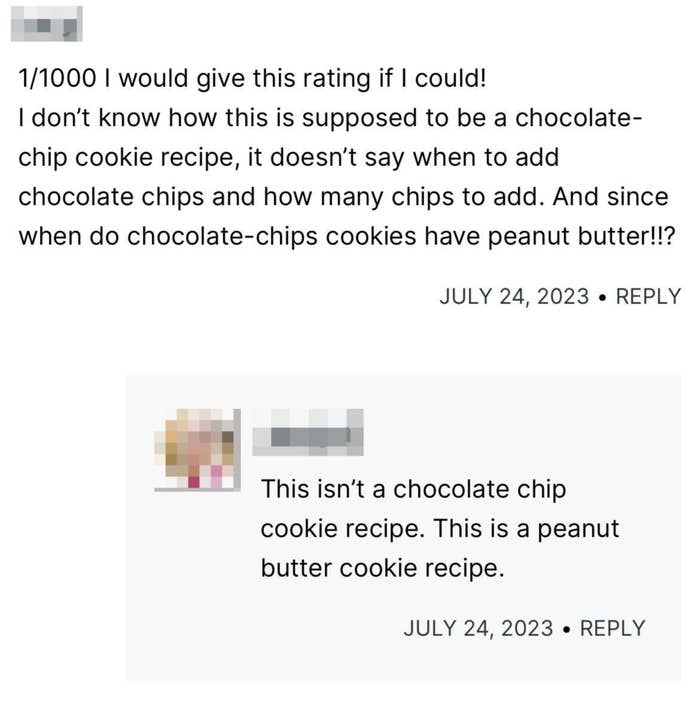
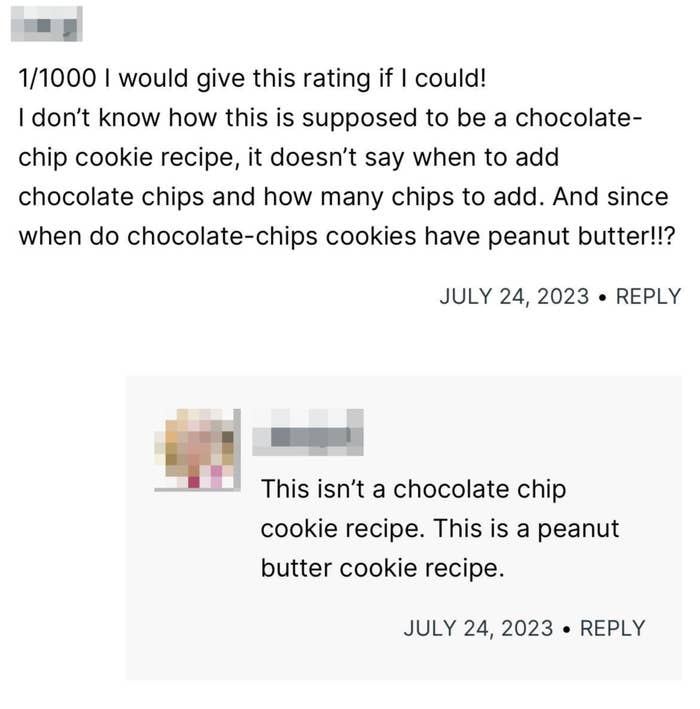
1. The Viral Cookie: A simple mention by a popular streamer that a certain peanut-butter cookie stays chewy for days triggered a run on parchment paper and brown sugar in multiple regions.
2. The Comeback Curry: After early reviews criticized a restaurant’s curry as one-dimensional, the chef doubled the aromatics and added a bright finish of fresh herbs; follow-up posts celebrated the transformation and traffic rebounded.
3. The Quiet Launch: An unknown baker posted a gluten-free lemon loaf recipe, and a steady stream of five-star reviews sprinkled with photos caught the eye of a small publishing house, leading to a debut cookbook deal.
Challenges and Future Directions
Despite their benefits, open review platforms wrestle with ongoing issues:
1. Herd Mentality: Early negative posts can snowball, discouraging impartial later voices; rotating featured reviews or verified-tester badges may balance the narrative.
2. Review Bombing: Coordinated piles-on, sometimes unrelated to food, can distort scores; moderation teams increasingly watch for sudden spikes and off-topic language.
3. Guidance Gap: New reviewers often wonder how much detail is enough; concise tip sheets or short tutorial videos could raise overall quality without stifling spontaneity.
Conclusion:
Recipe reviews are more than post-meal footnotes; they are collaborative seasonings that refine dishes and reputations alike. By writing with clarity and reading with discernment, we keep this feedback loop healthy, ensuring the next pan of brownies—or the next neighborhood bistro—benefits from shared experience. As cooking continues to blend tradition with technology, thoughtful reviews will remain the bridge between what a recipe promises and what the fork ultimately delivers.


