

The Role of Sea Bass in Farming and Ocean Health
Introduction
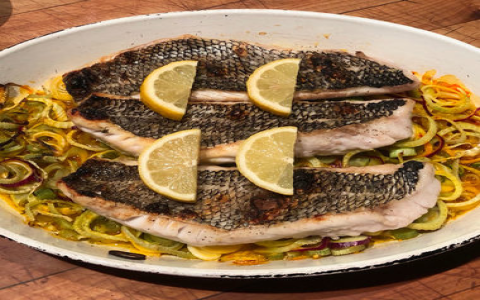
Sea bass is prized for its mild taste and firm flesh, making it one of the most popular choices on seafood menus. Rising consumer interest has placed increasing pressure on wild stocks, prompting growers and scientists to look for balanced ways to supply the market while safeguarding natural populations. This overview examines how farming initiatives and conservation programs are shaping the future of the species.
Why Sea Bass Matters
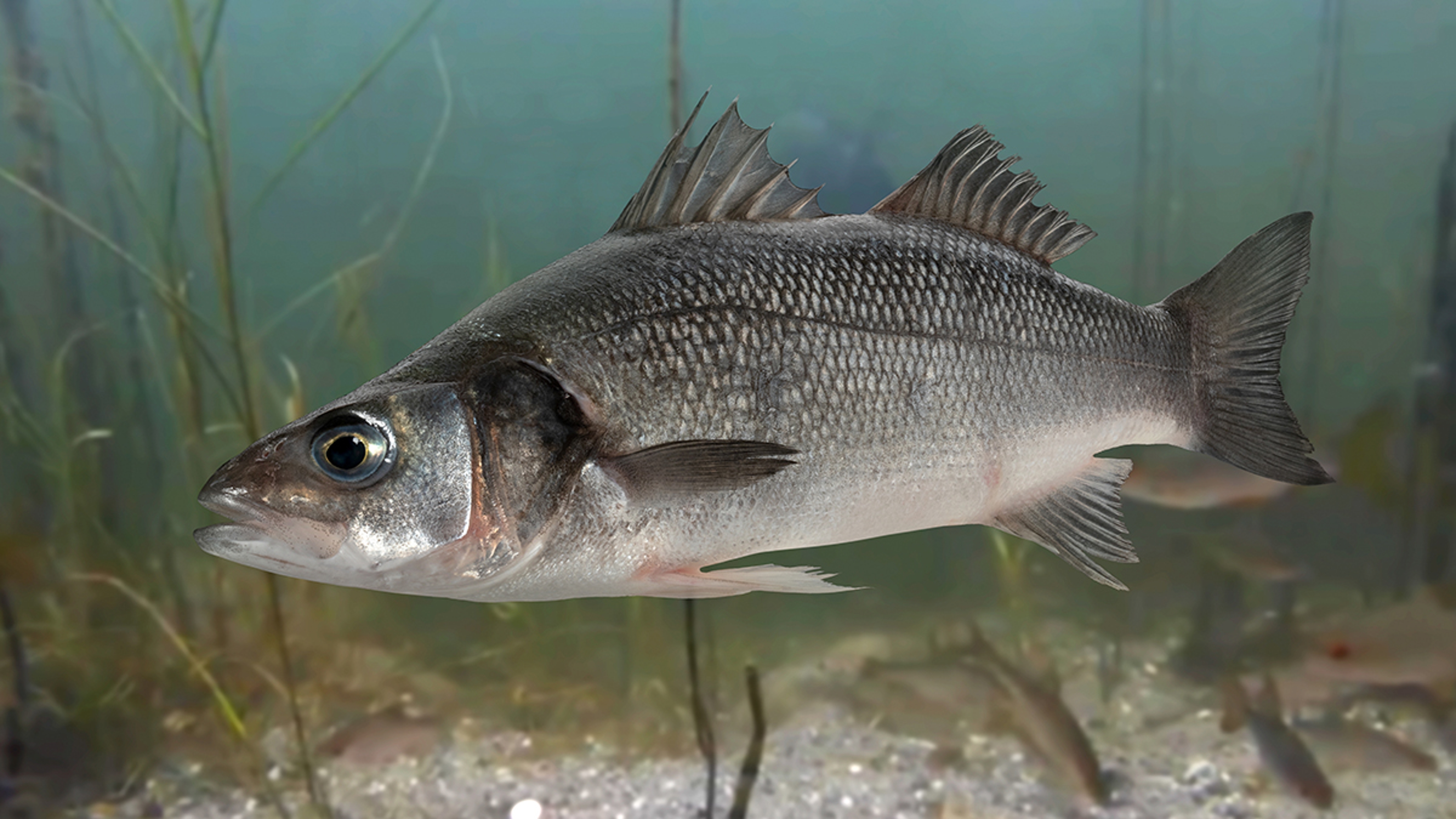
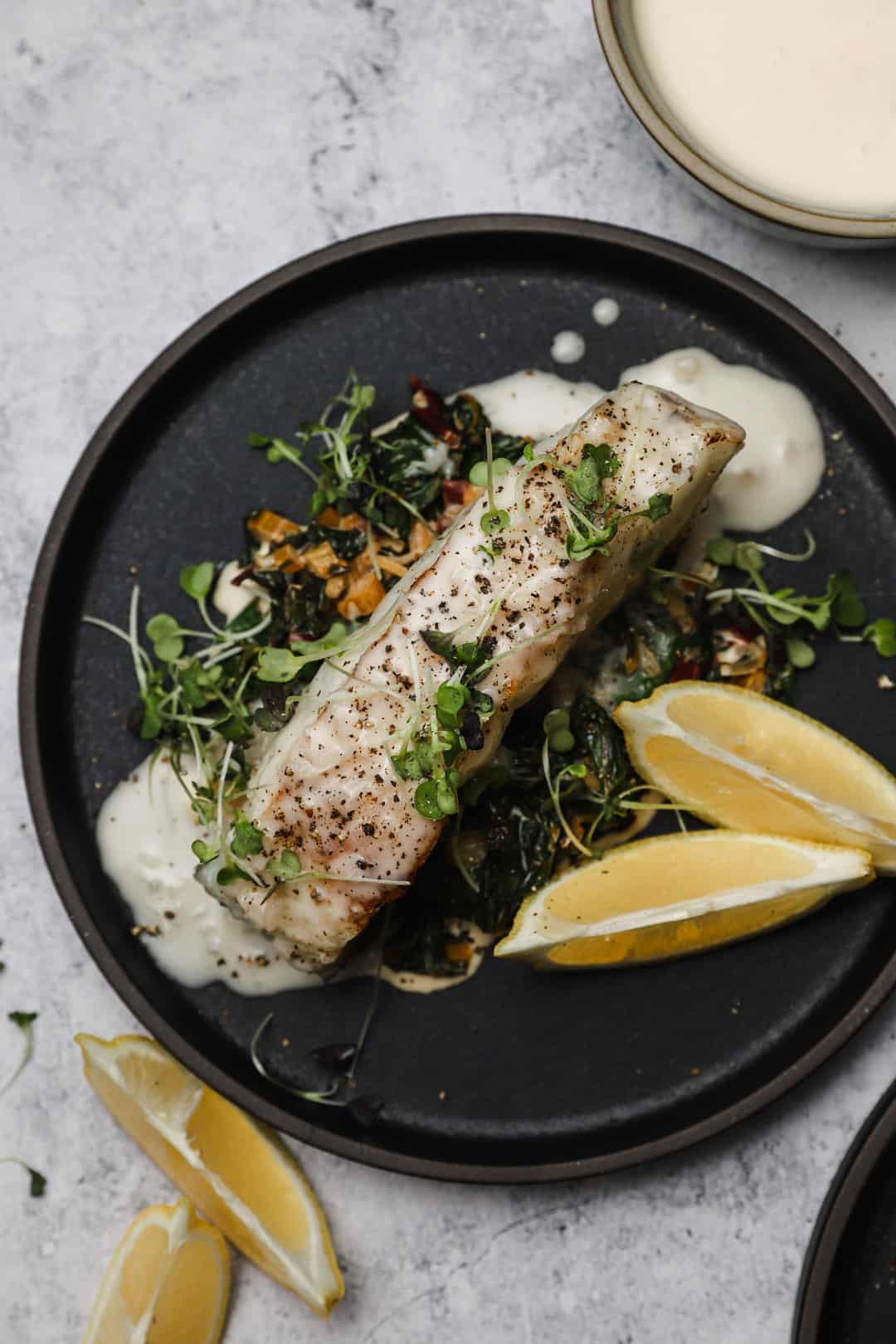
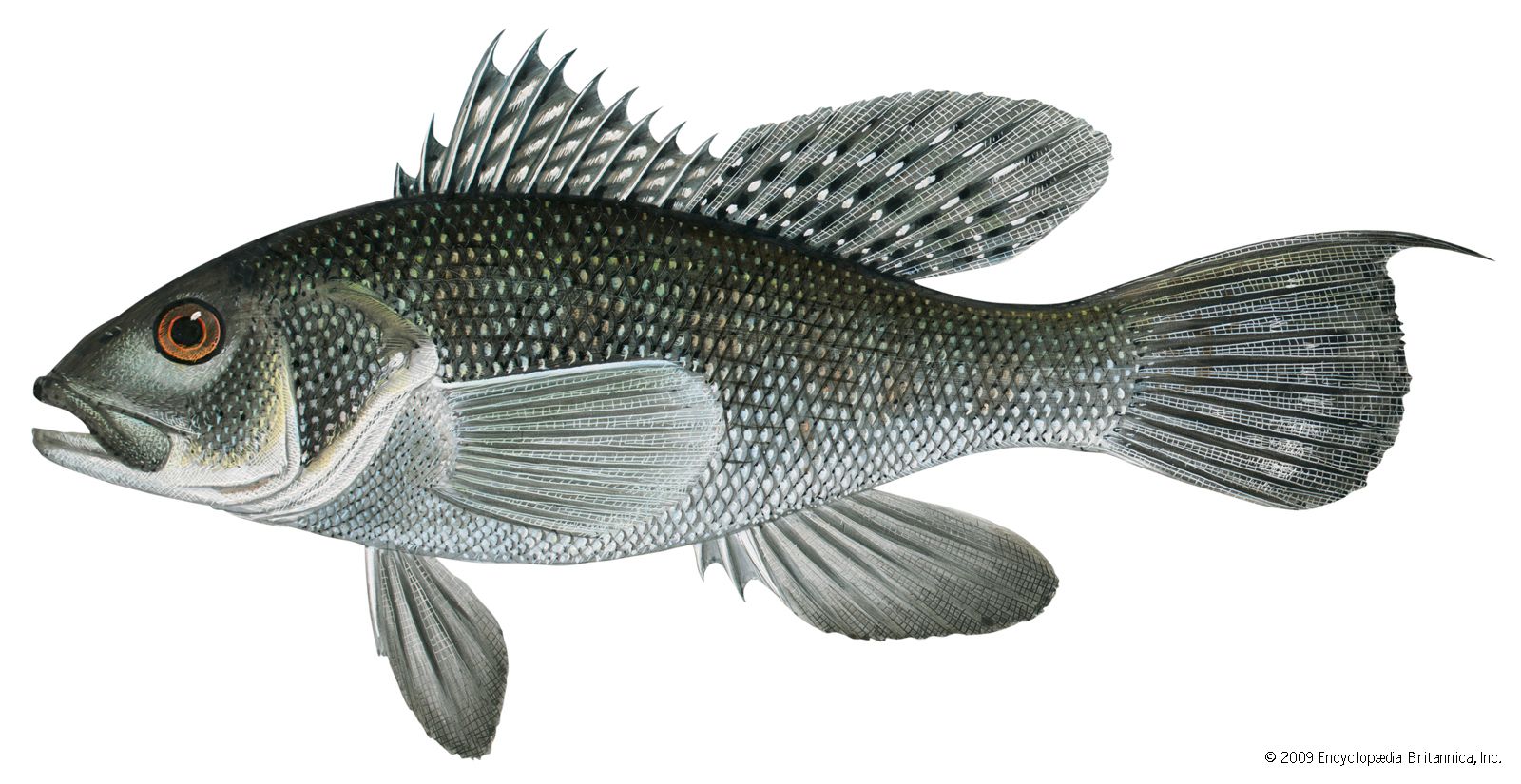
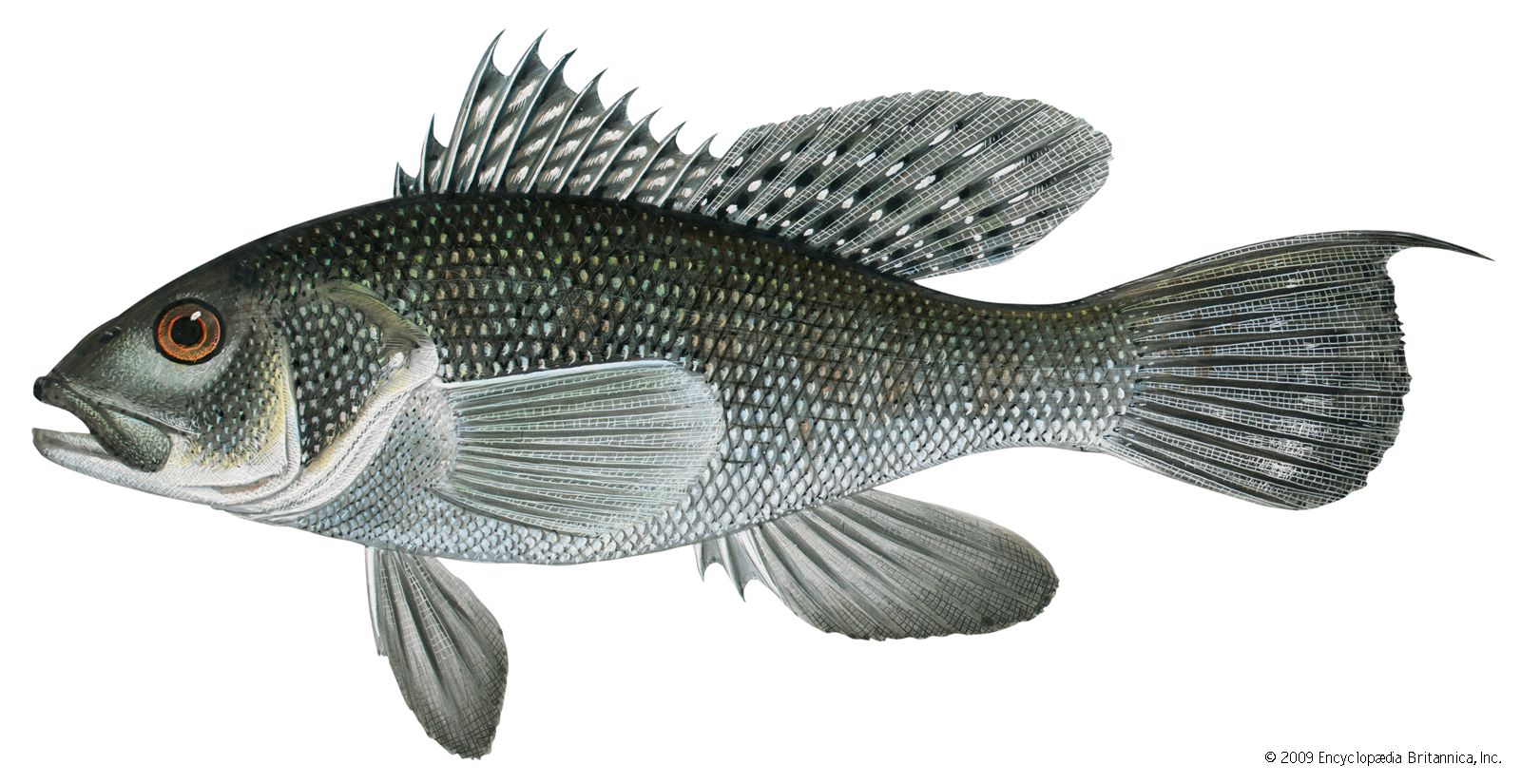
Belonging to a widely distributed coastal family, this fish supports livelihoods from small-scale fishers to large processing plants. Its lean, white fillets suit many cuisines, fueling steady demand in restaurants and home kitchens alike. As appetites grow, so does the need for responsible production methods that do not erode ocean health.
Economic Value
Farmed and wild-caught sea bass generate income along the entire supply chain, from hatchery technicians and feed suppliers to transport crews and retail outlets. Coastal communities often rely on these earnings for jobs and regional development, underlining the importance of stable, well-managed fisheries and aquaculture zones.
Ecological Place
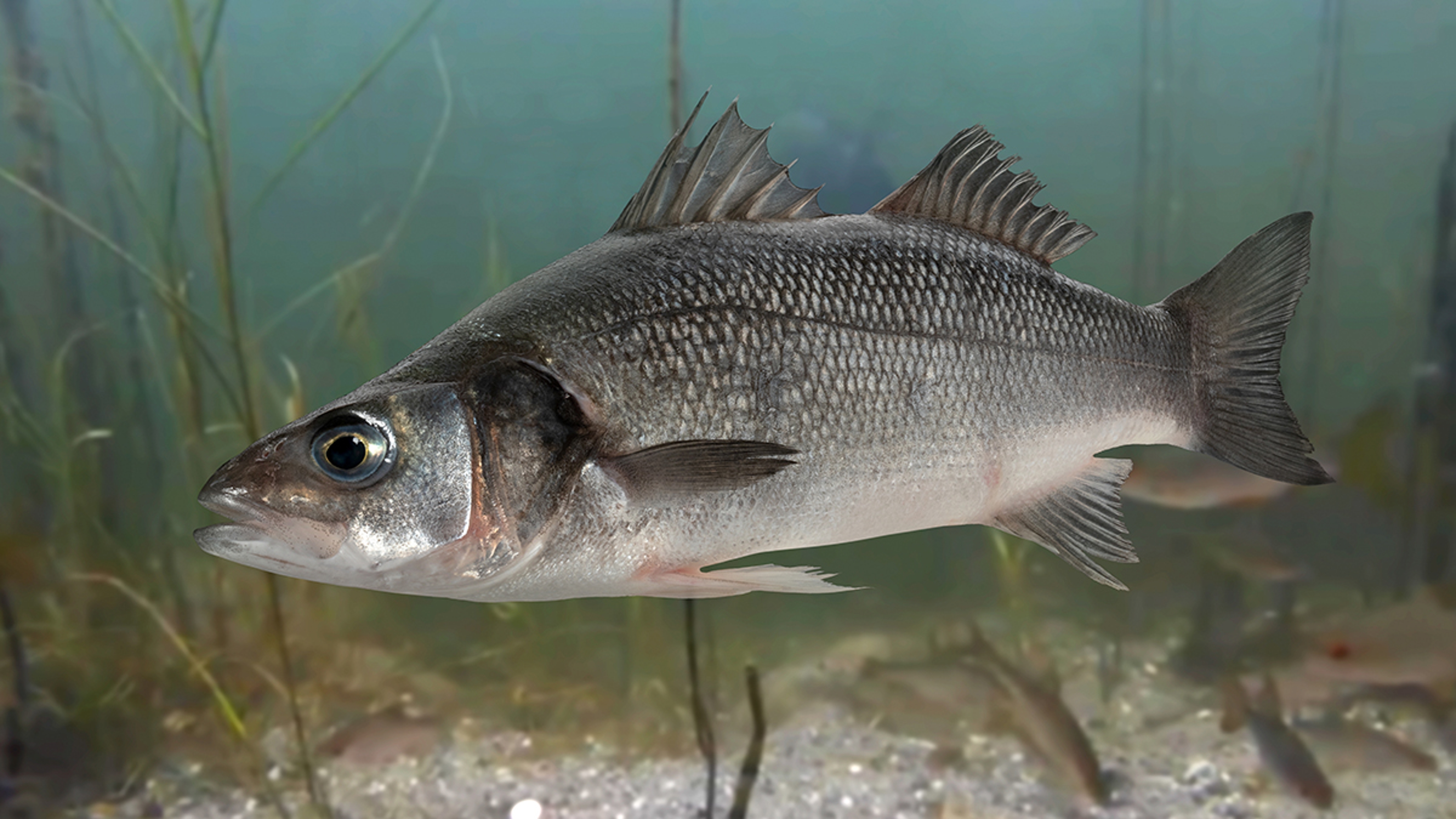
In marine food webs, adult sea bass act as mid-level predators that keep smaller fish populations in check. Maintaining their numbers helps preserve balanced ecosystems, which in turn supports biodiversity and resilience against environmental change.
Aquaculture: A Responsible Option?
Modern sea-cage systems and land-based tanks now provide a large share of the fish sold worldwide. When properly managed, farming can relieve fishing pressure on wild stocks and deliver a predictable product year-round. Yet poorly planned farms can create pollution, spread disease, or strain wild feed resources, so best practices are essential.
Benefits of Farming
Controlled rearing allows selective breeding for faster growth and stronger disease resistance, cutting the need for medical treatments. Traceable production chains also give buyers confidence in quality and safety, while steady harvests help stabilize market prices for producers and consumers.
Remaining Hurdles
High stocking densities can trigger outbreaks that threaten nearby wildlife. Some feeds still depend on ingredients harvested from other fisheries, raising questions about net ecological gain. Nutrient buildup beneath cages and the carbon cost of energy-intensive systems remain key issues for innovators to solve.
Conservation Actions
A blend of policy, science, and consumer engagement is guiding efforts to secure healthy sea bass populations for the long term.
Smarter Farming Standards
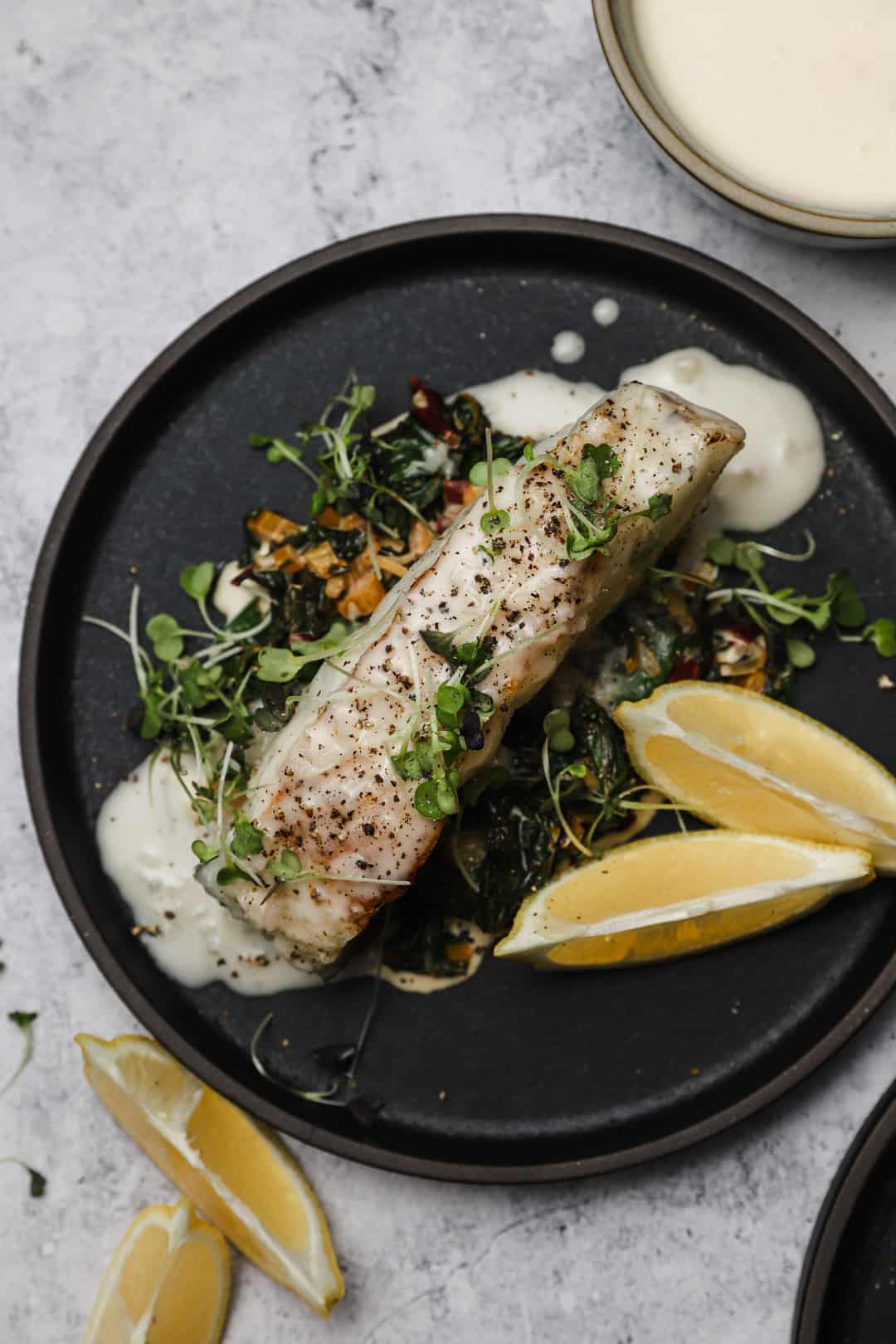
Certification programs now reward operators who cut antibiotic use, adopt non-lethal pest controls, and shift toward plant-based or recycled feed components. Ongoing trials with probiotics, vaccines, and recirculating water systems show promise for further reducing environmental footprints.
Spatial Planning and Protections
Governments are mapping sensitive habitats and rotating farm sites to let seafloor communities recover. Seasonal fishing pauses, minimum size rules, and gear restrictions add extra safeguards for wild breeders, helping maintain genetic diversity.
Outreach and Informed Choices
Labels, mobile apps, and restaurant guides make it easier for shoppers to pick seafood raised or harvested under credible sustainability schemes. Cooking demonstrations and school programs highlight the link between healthy oceans and everyday food decisions, encouraging responsible demand.
Conclusion
Sea bass illustrates the tight connection between human appetite and ocean stewardship. By refining farming techniques, enforcing science-based catch rules, and motivating mindful consumption, stakeholders can keep this valued species on dinner plates without pushing marine ecosystems past their limits.
Next Steps for Research
Priority areas include:
1. Engineering cost-effective, low-impact hatchery and grow-out technologies.
2. Assessing how warming seas and shifting currents affect growth, reproduction, and disease risk.
3. Testing network designs for protected zones that safeguard migration routes and spawning grounds.
4. Expanding educational tools that translate science into simple, actionable guidance for chefs, retailers, and the public.
Continued collaboration among scientists, farmers, managers, and consumers will be key to securing a resilient future for sea bass and the wider ocean community.


