


Exploring Alternatives to Hello Fresh: A Comprehensive Guide
Introduction
Meal kit delivery has become a popular solution for people who want fresh dinners without the hassle of grocery shopping. While one leading brand often grabs the headlines, a wide range of competitors now offer their own spin on pre-portioned cooking. This overview looks at comparable services, highlighting what sets each apart so you can decide which box, if any, best fits your kitchen routine.
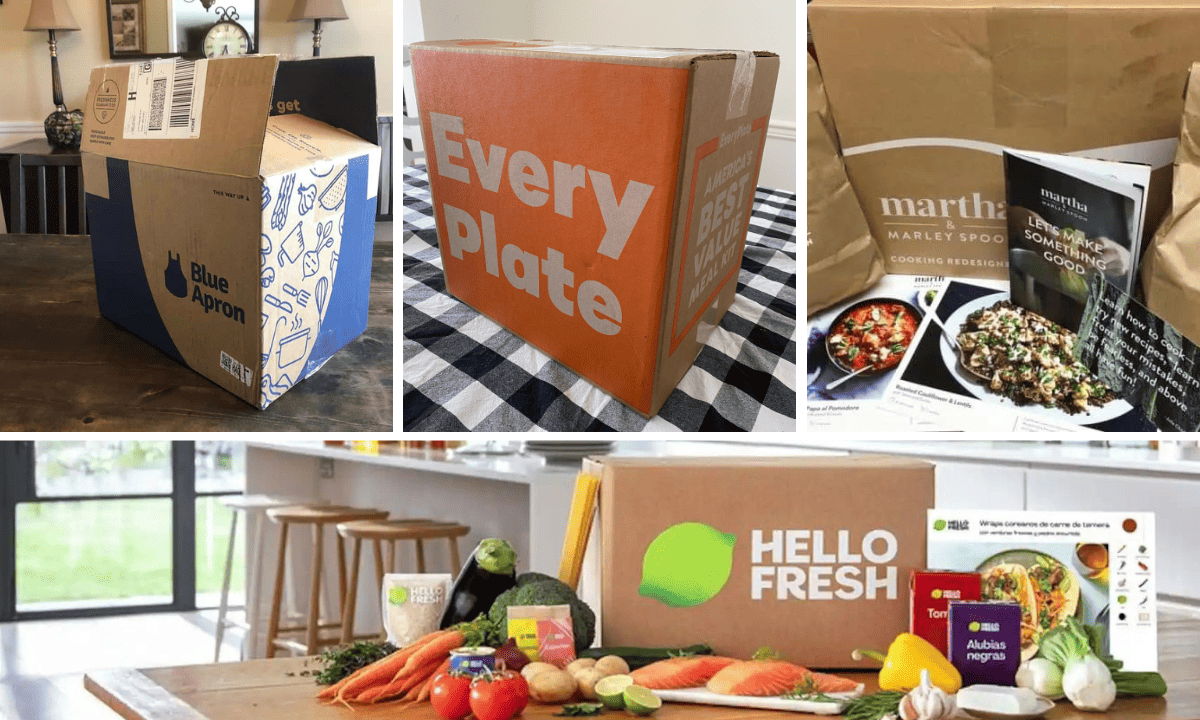
What is Hello Fresh?
At its core, the concept is simple: subscribers receive chilled, measured ingredients plus step-by-step cards to create dinner in about 30 minutes. Menus typically include vegetarian, family-style, and calorie-smart choices, all ordered through an easy online dashboard.
Similar Sites to Hello Fresh
1. Blue Apron
One of the earliest adopters of the model, this company focuses on classic culinary techniques and seasonal produce. Recipe cards often introduce gentle chef tricks, making the experience feel like a casual cooking class at home.
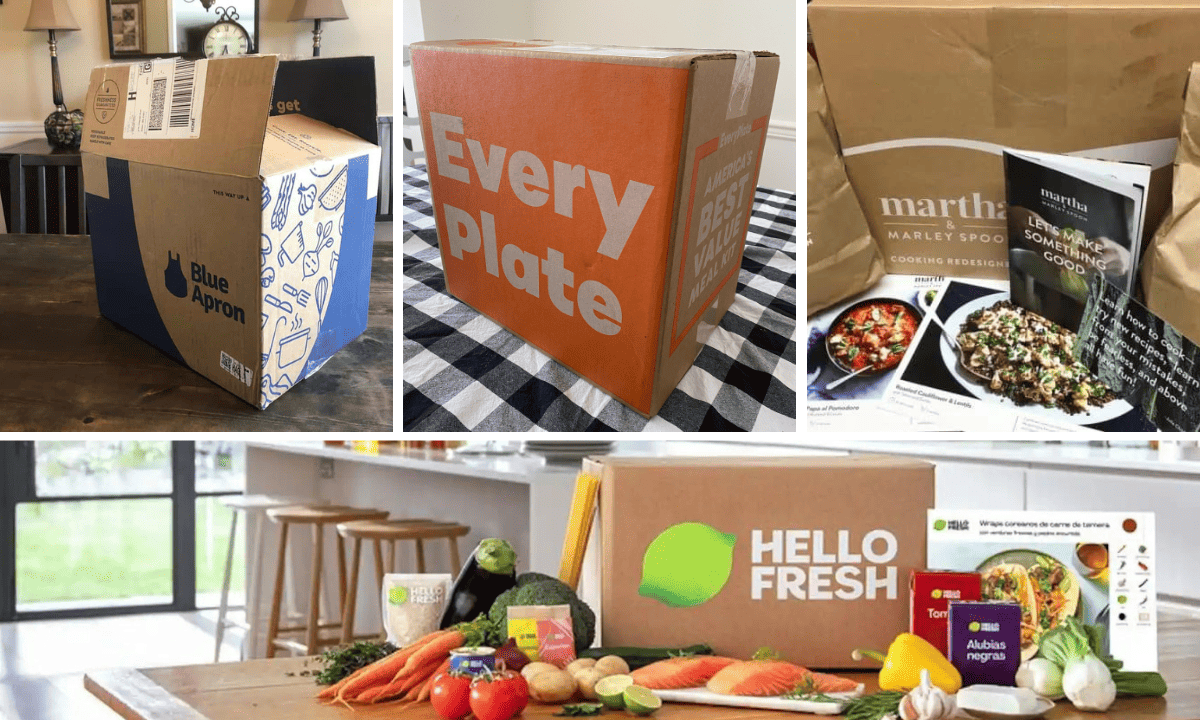
2. Plated
Here, flexibility is the draw. Diners can mix and match proteins, sauces, and sides each week, crafting a more personalized menu while still enjoying the convenience of pre-measured groceries.
3. Sun Basket
This box leans organic, offering paleo, carb-conscious, and plant-powered plans. Flavor profiles travel the globe—think Thai lettuce cups or Moroccan-spiced chickpeas—delivered in recyclable insulation.
4. Home Chef
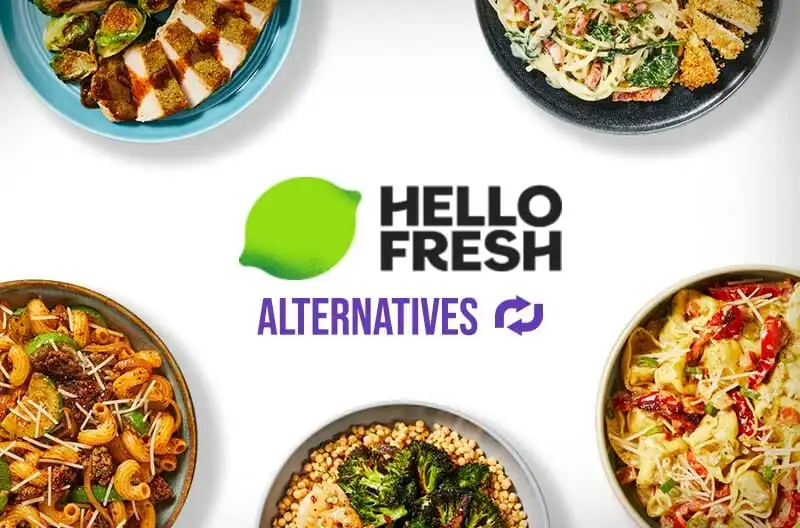
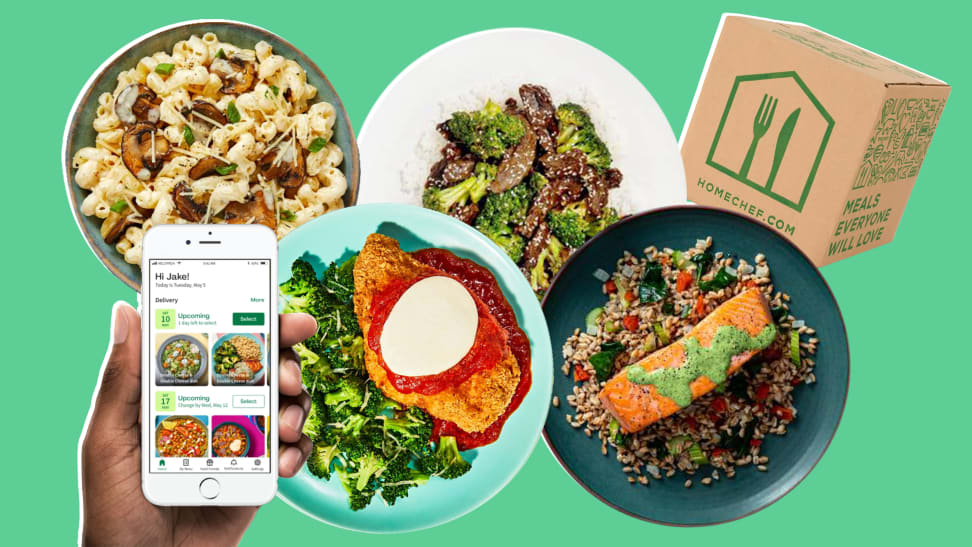
Designed for simplicity, the service lets you swap or double proteins, and many entrées cook on a single sheet pan, minimizing cleanup. Oven-ready and grill-ready bundles appeal to novice cooks.
5. Green Chef
Certified organic ingredients headline every shipment, with color-coded recipe components that streamline prep. Keto, vegan, and balanced-living tracks make specialty diets effortless.
Comparison of Features
1. Variety of Meal Plans
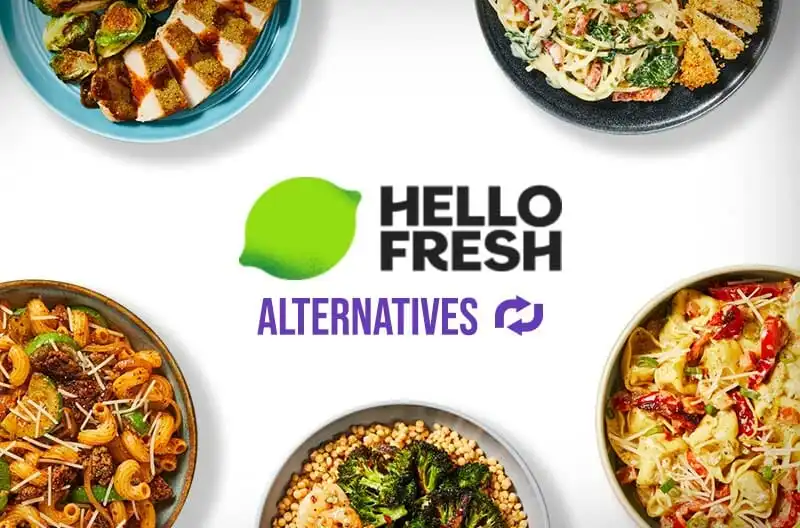
Most providers cover vegetarian, family, and wellness categories, yet the depth of choice differs. Some rotate 25 recipes weekly; others exceed 35, plus add-ons like smoothies or quick lunches.
2. Quality of Ingredients
Freshness is a shared promise, but sourcing philosophies vary. A few highlight all-organic produce and responsibly raised meats, while competitors balance quality with slightly lower pricing.
3. Cost
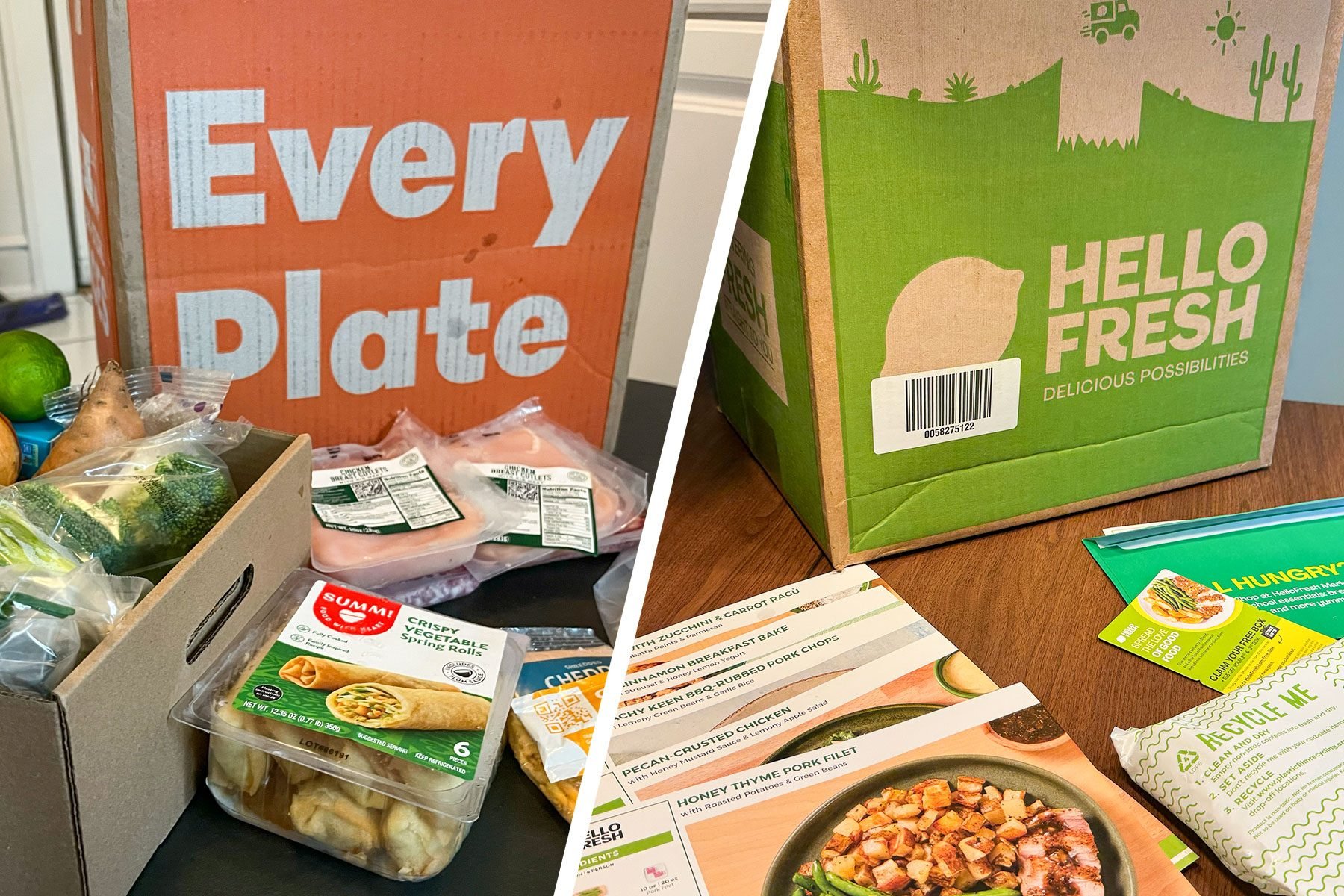
Per-serving prices generally sit between a fast-casual lunch and mid-range restaurant entrée. Premium plans—organic or specialty protein—inch higher, whereas introductory promos can slash the first box by half.
4. Convenience
Delivery windows, skip options, and app usability shape the overall experience. Some let you change your order up to 24 hours before shipment; others lock menus five days out, so planning ahead is key.
Benefits of Meal Kit Delivery Services
1. Time-Saving
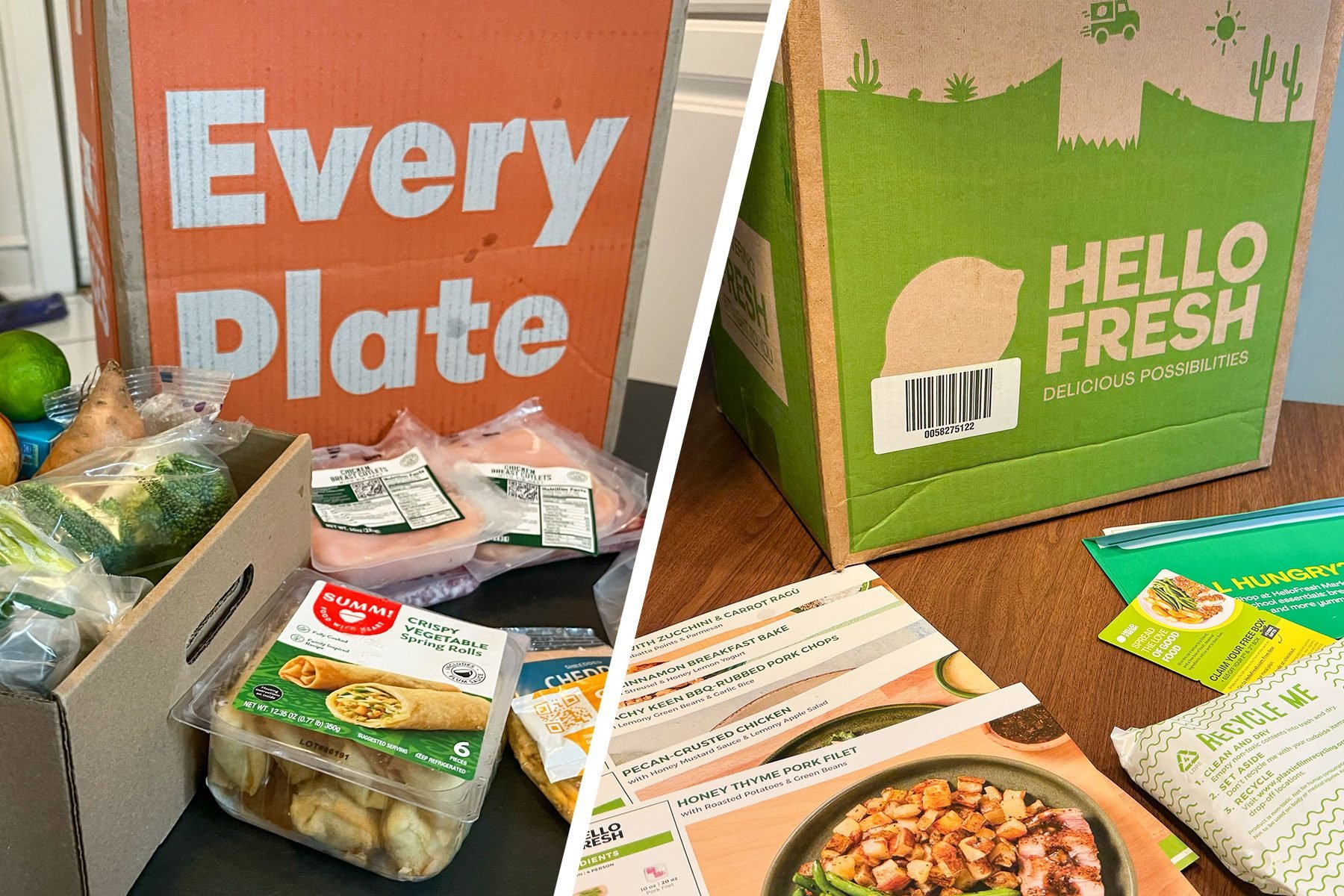
No grocery list, no aisle hunt, no measuring spoons—just open the box and start cooking. Most weeknight recipes land on the table in 25–40 minutes.
2. Improved Diet
Balanced macros and generous vegetables are built in, steering households away from takeout temptation and toward nutrient-dense plates.
3. Learning New Recipes
From miso-glazed salmon to cashew-pesto gnocchi, the cards teach new flavor combinations and basic techniques such as chiffonade or pan-searing.
Drawbacks of Meal Kit Delivery Services
1. Environmental Impact
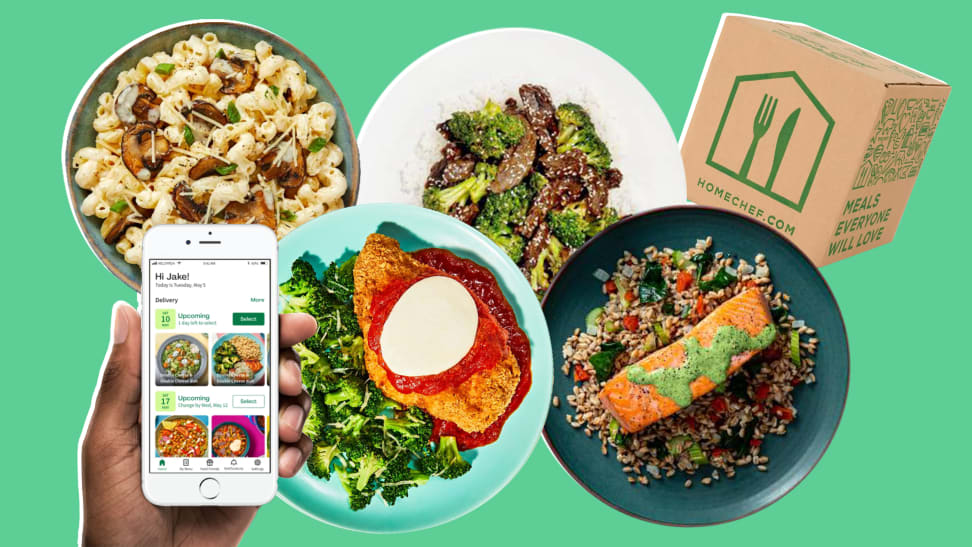
Ice packs, plastic pouches, and cardboard dividers add up. Though many liners are now curb-side recyclable, the footprint still exceeds buying loose produce with your own tote.
2. Cost
At roughly two to three times the price of cooking from scratch, the weekly bill can strain tight budgets once promotional discounts end.
3. Limited Flexibility
Craving grandma’s lasagna on a whim? The preset menu may not cooperate, and unused spice packets can accumulate in drawers if you dine out more than expected.
Conclusion
Meal kits can rescue hectic evenings, expand culinary horizons, and nudge healthier eating, but they are not a universal perfect fit. Weigh flavor variety, dietary goals, eco concerns, and monthly food budget before committing. Many companies offer trial discounts—take advantage, test a box or two, and keep the one that meshes with your lifestyle, taste buds, and conscience.
As competition grows, expect smarter packaging, greener logistics, and menus that cater to ever-more-specific wellness trends. Watching these innovations evolve may ultimately deliver the best of both worlds: convenience you can feel good about and dinners you can’t wait to share.


