


Smart Ingredient-Based Recipe Search: A Practical Guide to Easier Meals
Introduction
Cooking at home is rewarding, yet deciding what to make can feel overwhelming. Countless websites, apps and books promise the perfect dish, but narrowing the choices takes time. An ingredient-driven recipe search tool solves this dilemma: type in what you already have, set your dietary needs, and receive a shortlist of dishes that fit. This guide explains how these tools work, why they help, and the easiest ways to use them.
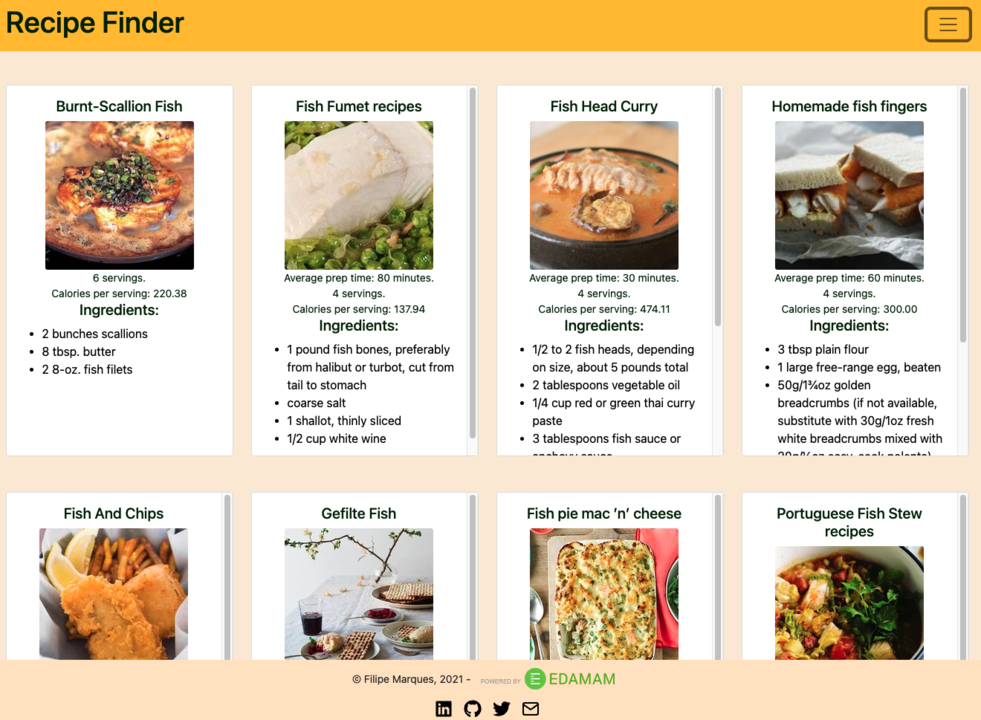
What Is an Ingredient-Based Recipe Search?
It is a search engine that returns recipes matching the items you list. Available on websites, mobile apps and desktop programs, it scans a database and shows meals you can cook without extra shopping. The goal is simple: turn existing groceries into breakfast, lunch or dinner while minimizing waste.
Benefits of Using an Ingredient-Based Recipe Search
1. Time-Saving
Instead of browsing endlessly, you receive a curated list in seconds. Busy parents, students and professionals can move straight from “What can I cook?” to “Let’s start.”
2. Reducing Food Waste
Using what is already on hand means fewer forgotten vegetables in the crisper and fewer expired packages in the pantry. That saves money and supports a greener kitchen.
3. Dietary Restrictions
Most tools let you exclude allergens, animal products, gluten or any other concern. The results list only dishes everyone at the table can enjoy.
4. Recipe Inspiration
Seeing new combinations sparks creativity. A handful of beans, a can of tomatoes and a few spices might become a stew you had never considered.
How to Use an Ingredient-Based Recipe Search
1. Choose the Right Tool
Look for an app or site with a clear layout, reliable database and filters that match your lifestyle. Reading recent reviews helps identify the most stable options.
2. Enter Your Ingredients
Type each item you want to use. Some platforms accept partial words like “tom” for tomato; others prefer full names. Quantities are optional but can refine results.
3. Filter and Sort
Apply filters such as prep time, cuisine style or calorie range. Sorting by popularity or quickest first keeps decision-making simple.
4. Explore and Select
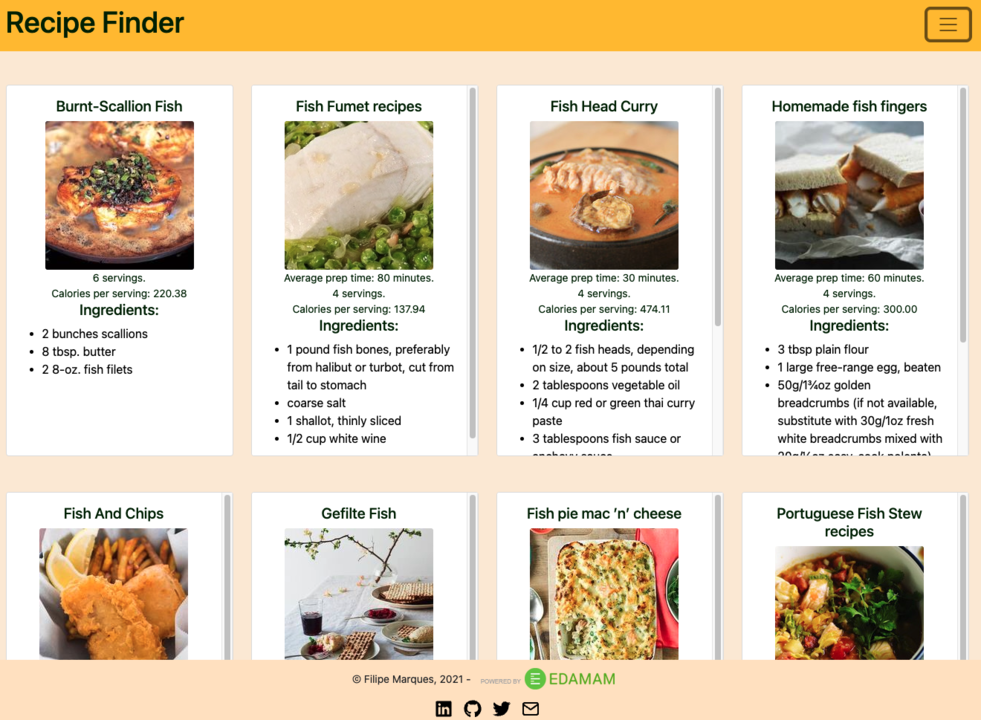
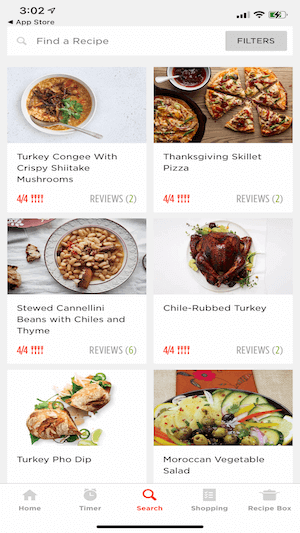
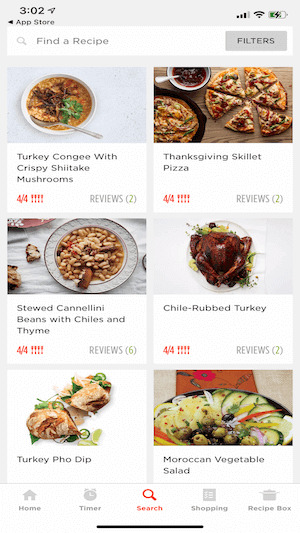
Scan the photos and titles, then open two or three finalists. Compare steps, cookware needed and reviews before picking the night’s meal.
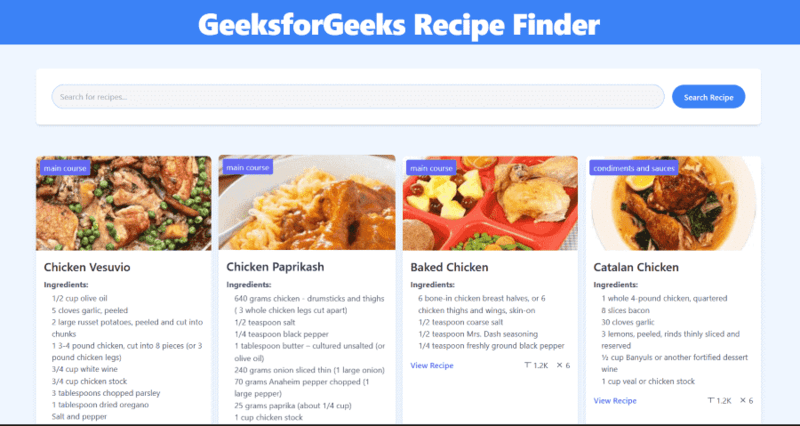
Examples of Ingredient-Based Recipe Platforms
1. Global Recipe Hub
This service combines millions of dishes from bloggers and magazines. Its smart filters handle allergies, cook time and even number of servings.
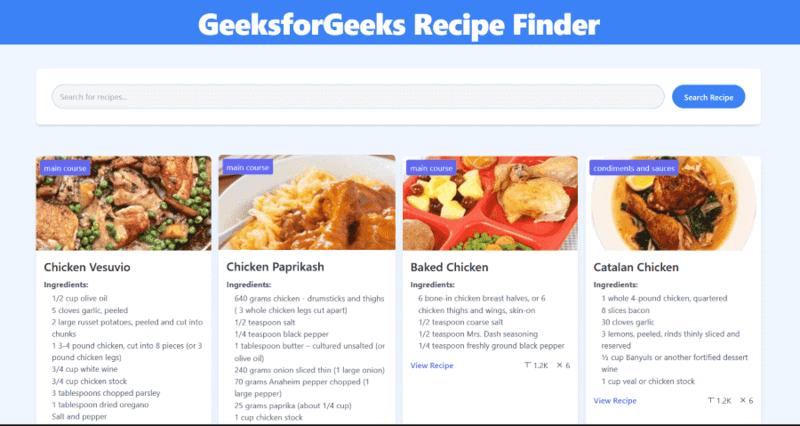
2. Community Cookbook Site
Home cooks upload personal recipes and rate others. The ingredient search links to these crowd-sourced dishes plus professional ones.
3. Quick Video Library
Short clips demonstrate fast weeknight dinners. Enter your staples and watch thirty-second previews to decide what looks doable.
Conclusion
An ingredient-driven search turns random fridge contents into planned meals, saving time, money and stress. As these tools grow smarter, home cooking becomes less intimidating and more sustainable for every skill level.
Future Research and Recommendations
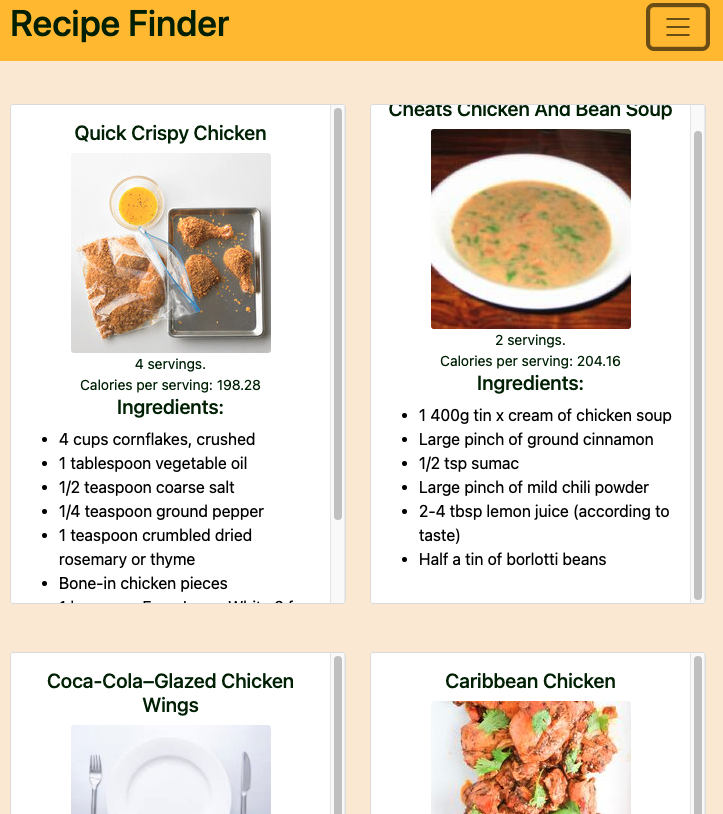
Developers can continue refining the experience. Priority areas include sharper search accuracy, personalized suggestions based on past likes, voice input for hands-free cooking, and partnerships with nutritionists to highlight balanced options. Continued innovation will keep the joy of cooking alive while fitting modern lifestyles.


