


Title: The Role of Shared Meals in Everyday Life: A Broad Overview
Introduction
Sharing meals is a daily ritual that reaches far beyond simple nourishment. It supports physical health, shapes mood, and knits together families and communities. This overview looks at why gathering around food matters, examining its nutritional, emotional, social, and economic dimensions so we can appreciate—and improve—this universal human practice.
The Nutritional Value of Shared Meals
Balanced plates supply the vitamins, minerals, and energy bodies need to thrive. Health authorities recommend filling half the plate with colorful produce, adding whole grains, lean proteins, and modest amounts of dairy or plant-based alternatives.

Consistent, varied eating patterns help maintain steady energy, support immunity, and lower the risk of long-term illness. Fiber-rich choices aid digestion, while antioxidants in fruit and vegetables protect cells from everyday wear and tear.
The Psychological Impact of Shared Meals
Eating in company often lifts mood and eases tension. The simple act of sitting together encourages conversation, eye contact, and a sense of belonging—small cues that signal safety and trust to the brain.
Familiar flavors and aromas can unlock comforting memories, reinforcing identity and continuity across life stages. A favorite childhood dish, for instance, may instantly evoke warmth and security, illustrating how food intertwines with emotion.
The Social and Cultural Significance of Shared Meals
From weeknight dinners to seasonal festivals, meals mark milestones and transmit heritage. Recipes passed down through generations carry stories, values, and regional identity, turning the table into an informal classroom.
Across cultures, offering food is a gesture of welcome and respect. Whether through a harvest celebration, a coming-of-age feast, or a simple invitation to tea, sharing food bridges differences and nurtures mutual understanding.

The Economic Impact of Shared Meals
Farming, distribution, cooking, and serving create livelihoods for a significant share of the global workforce. Each stage—from seed to plate—generates employment and stimulates local and international trade.
Innovation in storage, transport, and sustainable farming continues to expand access to safe, affordable ingredients. These advances reduce waste, stabilize supply, and help communities withstand economic or environmental shocks.
Conclusion
Thoughtful mealtime habits strengthen bodies, minds, and societies simultaneously. By valuing nutrition, connection, tradition, and responsible production, we turn an everyday necessity into a powerful tool for collective well-being.
Moving forward, a few shared priorities can guide us:
1. Choose diverse, minimally processed foods to support long-term health.
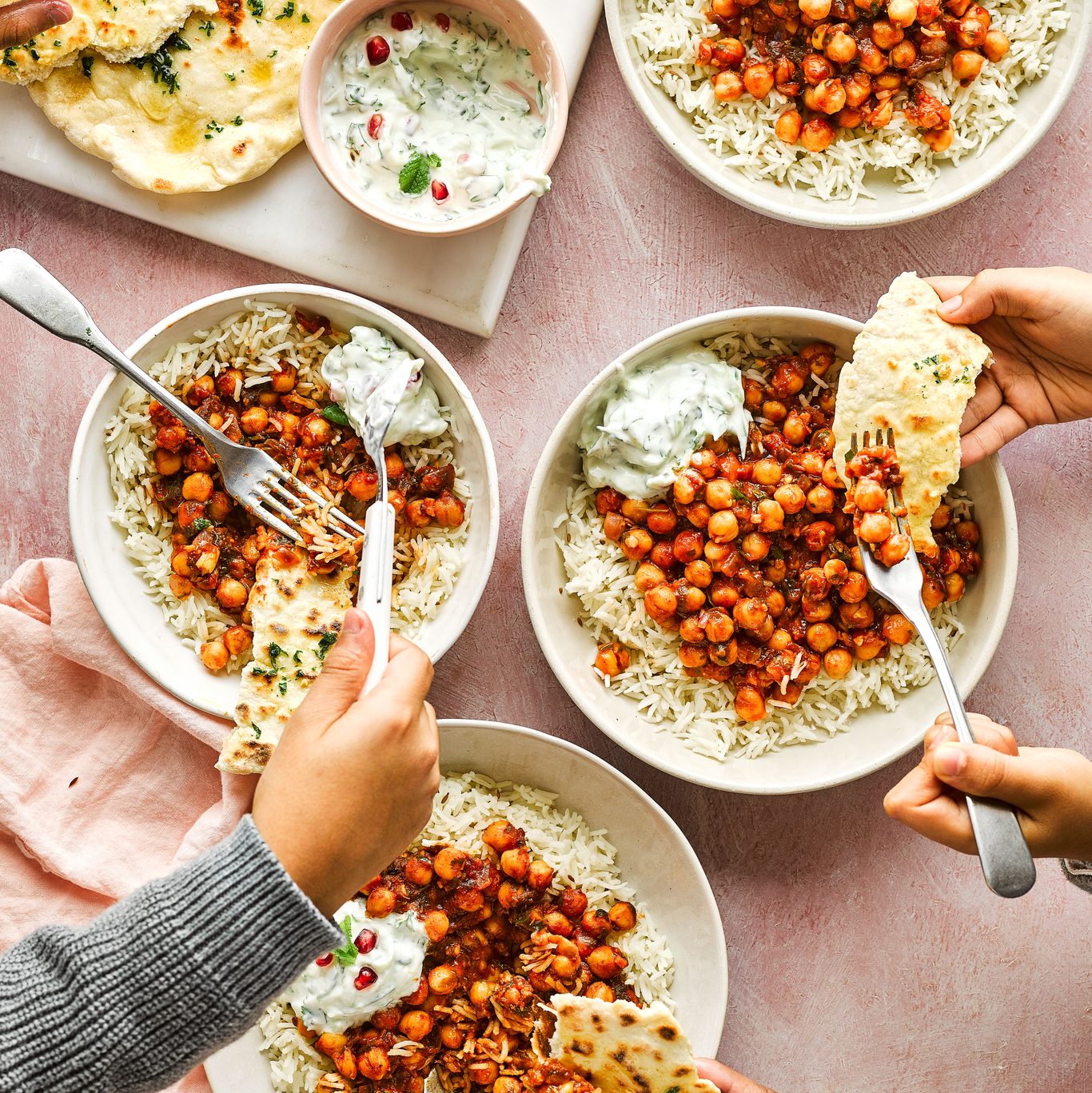
2. Schedule regular communal meals to deepen relationships and ease stress.
3. Honor culinary heritage while staying open to new, sustainable practices.
4. Back fair, resilient food systems that sustain both people and the planet.
When we gather with intention, every bite becomes an opportunity to nourish ourselves and the world we share.


