


Finding the Perfect Recipe: A Comprehensive Guide to Ingredients and Culinary Delights
Introduction
Cooking is a universal language that bridges cultures and generations. It invites creativity, nurtures connection, and delights the senses. At the heart of every memorable dish lies a well-chosen recipe. This guide walks you through the essentials of selecting ingredients that turn everyday meals into memorable experiences. We will look at why ingredient quality matters, how culinary heritage shapes flavor, and the rewards of cooking with fresh, local produce. By the end, you will feel confident choosing recipes that match your taste and lifestyle.
The Importance of Ingredients
Ingredients are the soul of any dish. Their freshness, variety, and seasonality determine aroma, texture, and nutrition. Understanding these factors helps you cook with intention and joy.
Quality Matters
Vibrant, just-picked produce tastes better and delivers more nutrients than items that have spent days in transit. A ripe tomato still warm from the sun needs little more than a pinch of salt to shine, while wilted greens can dull even the most elaborate sauce.
Variety is Key
Mixing colors, textures, and flavors keeps meals exciting. Combine crisp and creamy elements, sweet and tangy notes, or mild and pungent herbs to give each bite a new story.
Seasonality and Sustainability
Eating with the seasons supports the planet and your palate. Spring peas, summer berries, autumn squash, and winter citrus arrive at peak flavor, often requiring fewer resources to reach your kitchen.
The Role of Culinary Traditions
Traditional cuisines offer time-tested blueprints for pairing ingredients. They reveal how climate, geography, and history shape what tastes like home.

Cultural Influences
Mediterranean dishes celebrate olive oil, herbs, and bright citrus, while South-East Asian fare balances chilies, lime, and aromatic roots. Exploring these profiles expands your seasoning vocabulary.
Regional Variations
Even within one country, recipes shift with the landscape. Mountain regions may favor hearty grains and preserved meats, coastal areas lean on seafood and fresh herbs. Tasting these differences keeps cooking adventurous.
Finding a Recipe with Ingredients

A thoughtful approach turns the vast world of recipes into a manageable, delicious shortlist.
1. Identify Your Preferences
Note the flavors you crave and any dietary needs you follow. Perhaps you love gentle warmth rather than fiery heat, or you prefer plant-based proteins. Clarifying these points narrows the field instantly.
2. Research Ingredients
Let a single star ingredient inspire you. If you spot glossy eggplants at the market, search for dishes that showcase their silky texture—then check what herbs, spices, or sauces complement them.

3. Use Recipe Search Engines
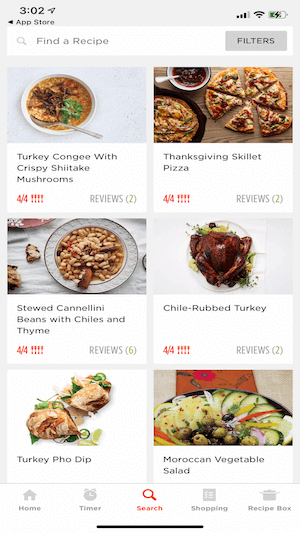
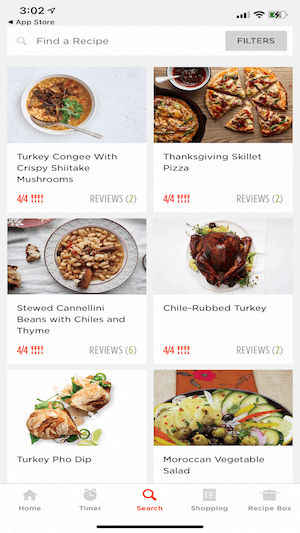
Reliable platforms allow you to filter by main ingredient, cooking time, and dietary tags. Enter “eggplant, vegetarian, under 45 minutes” and you will receive a curated list to match your schedule and taste.
4. Consult Cookbooks and Blogs
Well-tested cookbooks and enthusiastic food blogs offer step-by-step photos and troubleshooting tips. Seeing images of each stage builds confidence before you pick up a knife.
5. Experiment and Adapt

Swap quinoa for rice, adjust salt to suit your palate, or finish with lemon instead of vinegar. Small tweaks transform someone else’s recipe into your signature dish.
Benefits of Using Fresh and Local Produce
Choosing produce grown nearby delivers rewards beyond the plate.
Improved Taste and Nutritional Value
Shorter travel time means fruits and vegetables are harvested when ripe, retaining natural sugars and vitamins that make flavors pop.

Support Local Farmers
Buying directly at farmers’ markets or through community programs keeps regional agriculture alive and strengthens the local economy.
Economic Benefits
Money spent close to home circulates within the community, fostering jobs and reducing reliance on long supply chains.
Conclusion
Selecting the right recipe is less about perfection and more about curiosity. Prioritize fresh ingredients, borrow wisdom from culinary traditions, and allow room for playful adaptation. With these principles, every trip to the market becomes an opportunity to create food that nourishes both body and spirit. Happy cooking!


