

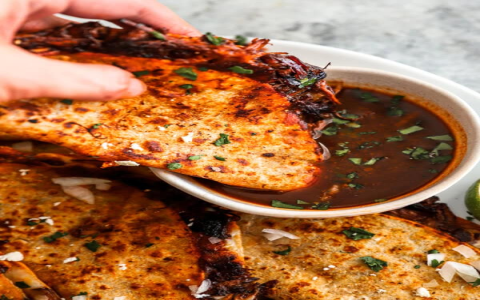
The Essential Things to Make Food: A Comprehensive Guide
Introduction
Cooking is a timeless craft that blends creativity with science. Across cultures and generations, a handful of core ingredients and tools have remained constant, quietly shaping every meal we share. This guide explores those universal building blocks—what they are, why they matter, and how they work together to turn simple ideas into memorable dishes.

The Basic Ingredients
Carbohydrates
Carbohydrates supply the body’s preferred fuel and form the comforting backbone of countless recipes. Grains, tubers, and legumes—think rice, pasta, potatoes, or oats—offer versatility that ranges from fluffy side dishes to hearty mains. Their ability to absorb flavors makes them ideal partners for herbs, spices, and sauces.
Proteins
Proteins give structure and satisfaction to a plate. Whether you favor beans, lentils, eggs, fish, or poultry, these foods deliver the amino acids needed for repair and growth. Cooking methods such as roasting, steaming, or quick searing highlight their natural textures while locking in taste.
Fats
Fats carry flavor and create the luscious mouth-feel that signals a well-made dish. A drizzle of olive oil, a pat of butter, or the creaminess of avocado can brighten vegetables, tenderize meats, and transform soups from thin to silky. Choosing the right fat for the right temperature keeps both flavor and nutrition in balance.
Vegetables and Fruits
Colorful produce adds vitamins, minerals, and a spectrum of textures. Raw, roasted, puréed, or pickled, fruits and vegetables introduce brightness and contrast. Seasonal choices keep meals affordable and exciting, inviting cooks to experiment with whatever looks freshest at the market.

Essential Cooking Tools
Knives
A sharp, balanced knife is the first step toward efficient, enjoyable prep. With a reliable chef’s knife and a small paring blade, you can tackle anything from fine herbs to sturdy root vegetables. Honing the edge regularly keeps cuts clean and safe.
Utensils
Wooden spoons, heat-proof spatulas, and sturdy tongs act as extensions of the cook’s hand. They fold delicate batters, flip sizzling fillets, and scrape every last bit of flavor from the bottom of a pan. Opt for materials that feel comfortable and withstand high heat.
Cookware
A thick-bottomed skillet and a heavy pot with a tight lid solve most everyday cooking tasks. Even heat distribution prevents hot spots, while a good sear or gentle simmer develops depth in sauces and stews. A single well-chosen piece often outperforms a cluttered cabinet of gadgets.
The Role of Seasonings
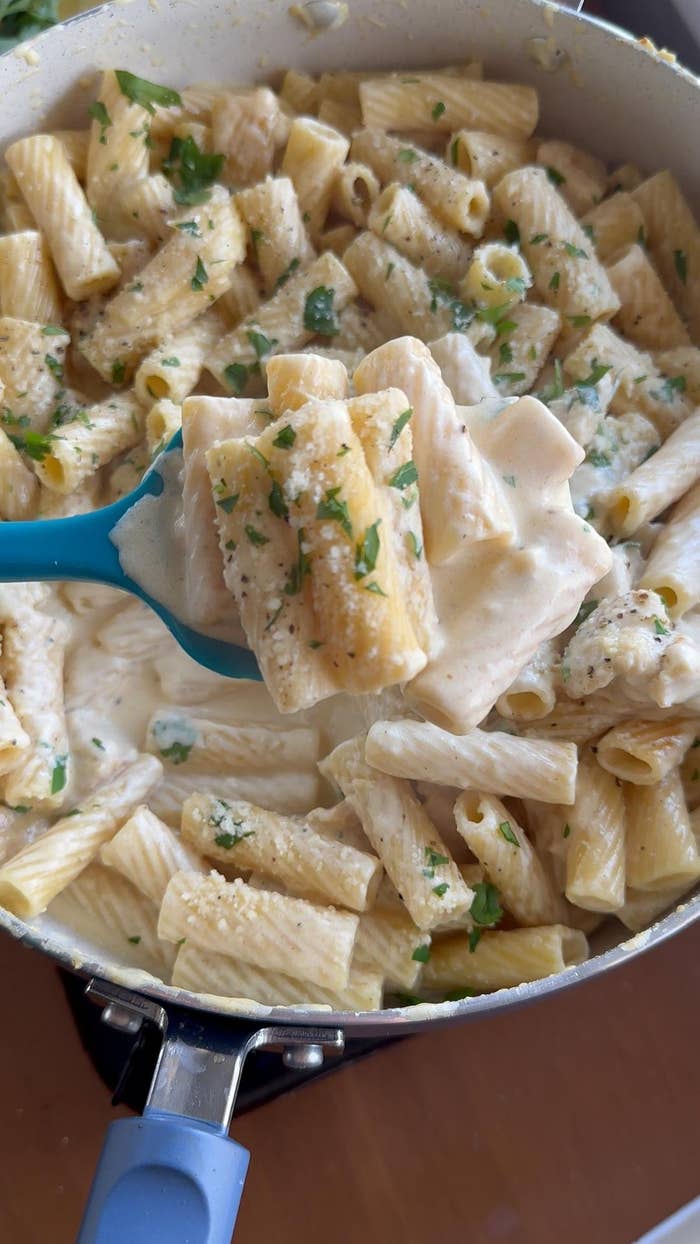
Salt awakens dormant flavors, pepper adds gentle heat, and fresh herbs contribute aromatic lift. Balancing these elements is less about precise measurements and more about tasting often, adjusting gradually, and trusting your palate.
The Impact of Technology
Modern Appliances
Convection ovens, induction hobs, and programmable slow cookers extend the cook’s reach, turning tough cuts tender and keeping delicate sauces at a steady simmer. Used thoughtfully, they free up time without sacrificing the personal touch that makes a meal feel handmade.
Smart Kitchen Devices
App-connected thermometers and precision cookers guide beginners and perfectionists alike toward consistent results. Yet the smartest tool remains curiosity—technology works best when it answers questions you already have, not when it replaces the joy of tasting and adjusting as you go.
Conclusion
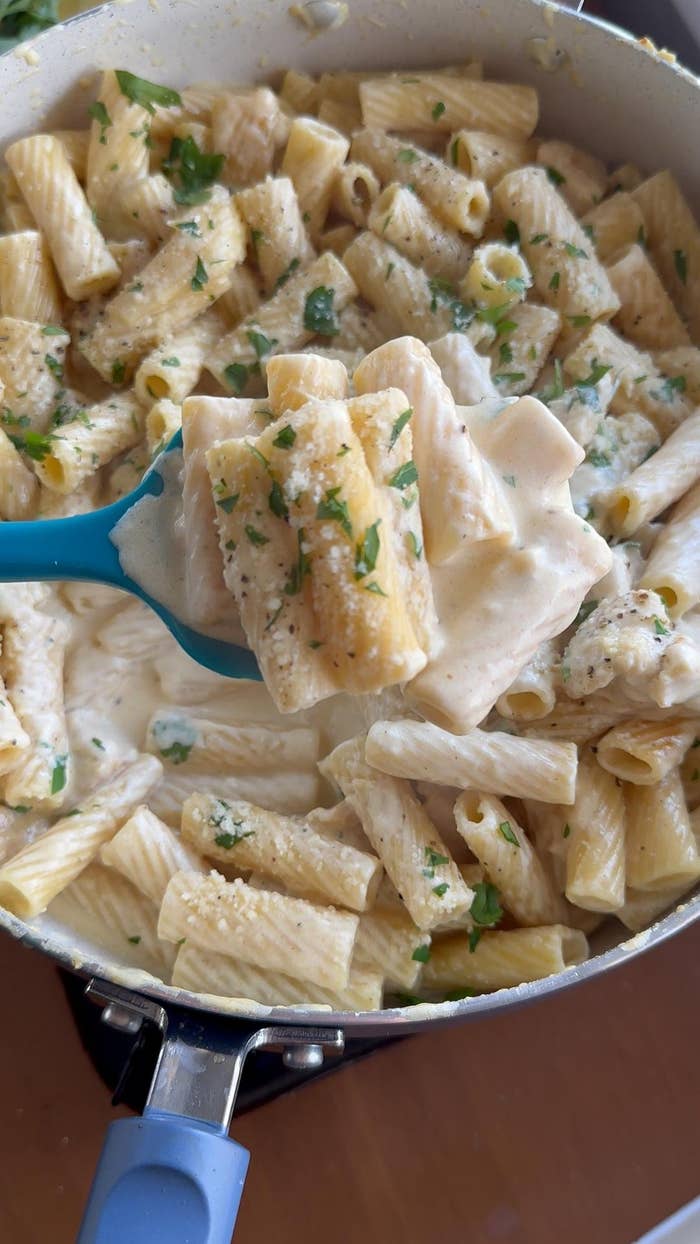
Great cooking begins with understanding a few timeless principles: choose good ingredients, respect their nature, and use reliable tools with care. Mastery emerges not from owning every appliance, but from practicing these basics until they feel instinctive. With each meal, the kitchen becomes a place of endless, delicious possibility.
Recommendations and Future Directions
Start by stocking fresh staples and sharpening one good knife. Explore a new herb or spice each month, noting how it changes familiar dishes. Stay open to gentler techniques—steaming, fermenting, or quick pickling—that preserve nutrients and deepen flavor. Above all, keep tasting, adjusting, and sharing; the next inspiring bite is rarely more than a simmer away.


