The Impact of Food Imagery on Consumer Choices
Introduction
In today’s marketplace, the way food looks—whether on packaging, in advertisements, or on social feeds—has become a decisive factor in what people buy. A single image can shape first impressions, trigger cravings, and even define how shoppers feel about an entire brand. This article examines why visual cues carry so much weight and how they steer everyday decisions at the shelf and online.
The Power of Visual Appeal
The Power of Visual Appeal
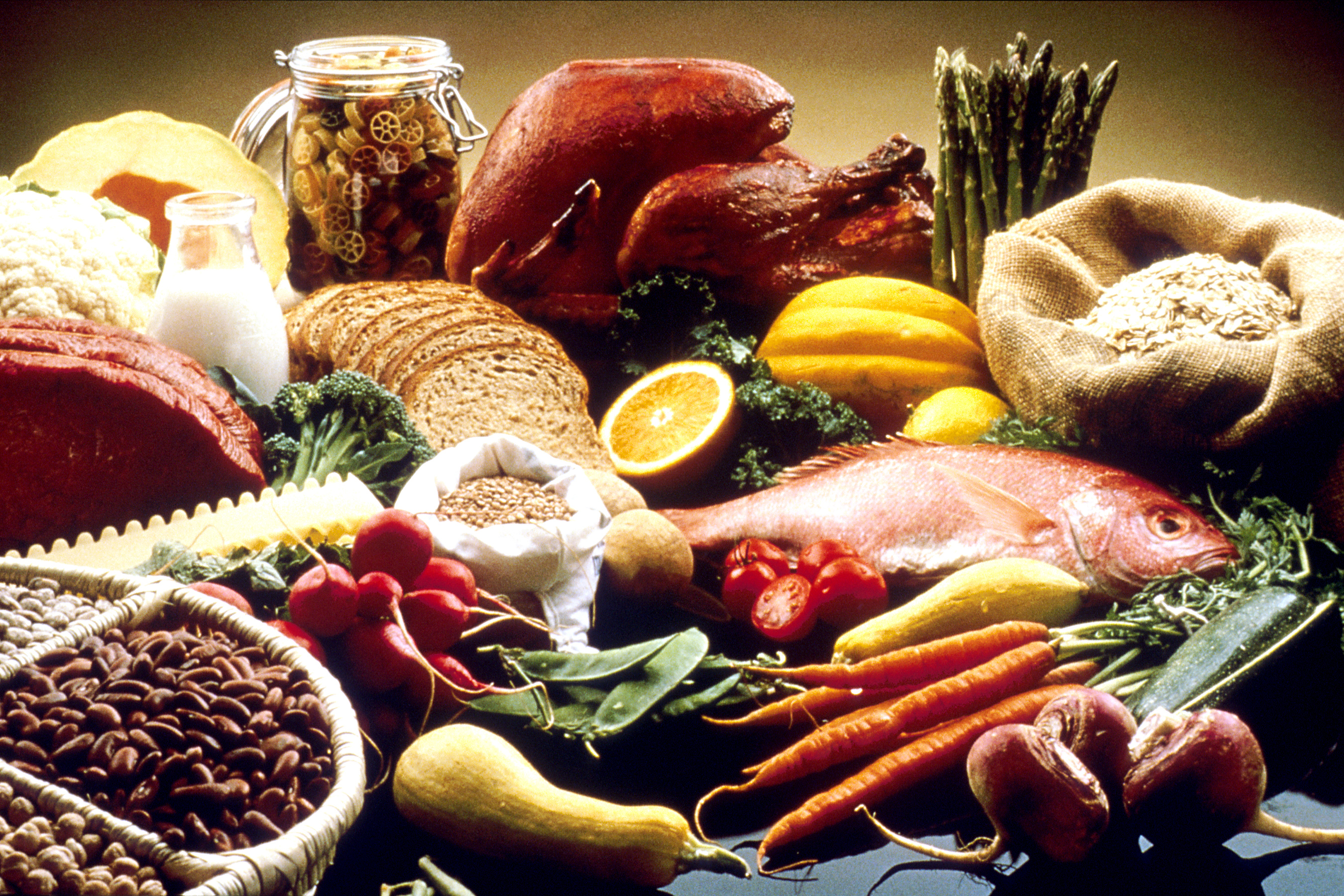
Attractive food photography consistently outperforms plain or poorly lit alternatives. Rich colors, balanced lighting, and appetizing styling spark positive emotions, nudging viewers toward a “yes” far more often than words alone. Eye-catching packs or posts can interrupt scrolling, create instant desire, and linger in memory long after the moment has passed.
When a dish is shown steaming, glistening, or surrounded by fresh ingredients, it hints at flavor and freshness before a single bite is taken. These subtle cues build anticipation and can turn casual interest into an immediate purchase.
The Role of Authenticity
The Role of Authenticity
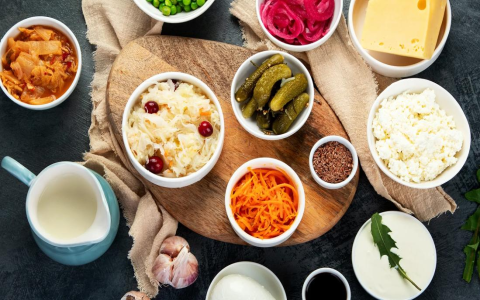
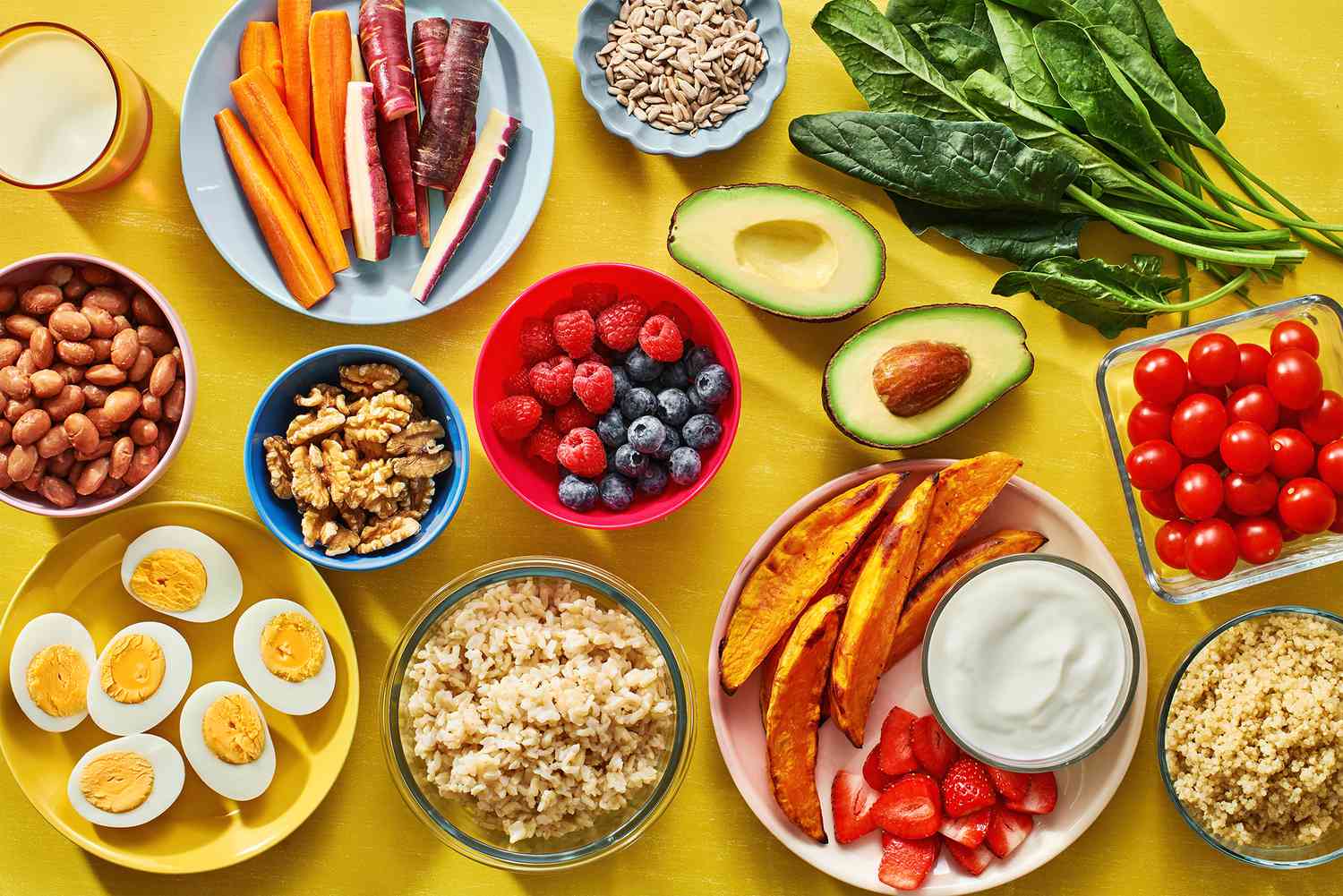
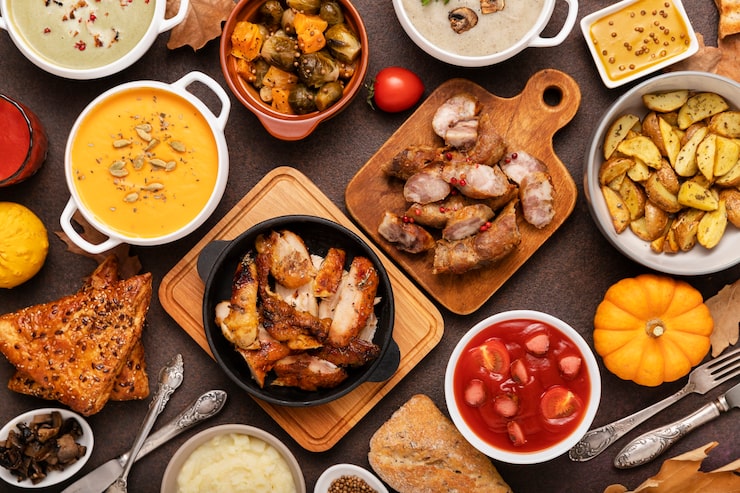
Modern shoppers gravitate toward foods that feel genuine. Images highlighting simple recipes, recognizable ingredients, or down-to-earth kitchen scenes signal honesty and transparency. Rustic props, natural daylight, and imperfect garnishes often feel more trustworthy than overly polished studio shots.
Brands that celebrate local roots, time-honored methods, or minimal processing frequently pair their stories with visuals of real cooks, open markets, or handwritten labels. This consistency between message and imagery fosters loyalty among consumers who value substance over flash.
The Influence of Health and Wellness
The Influence of Health and Wellness
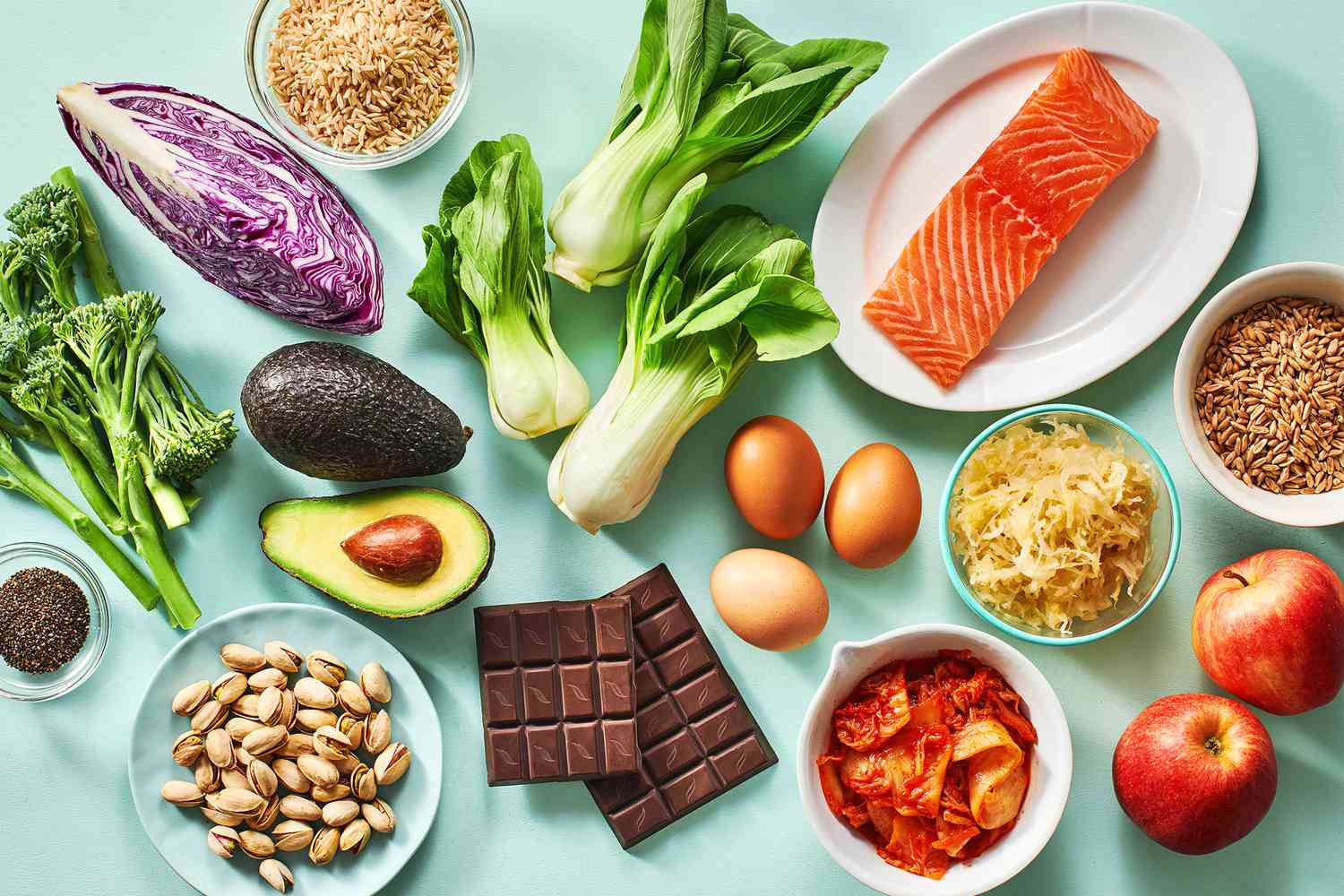
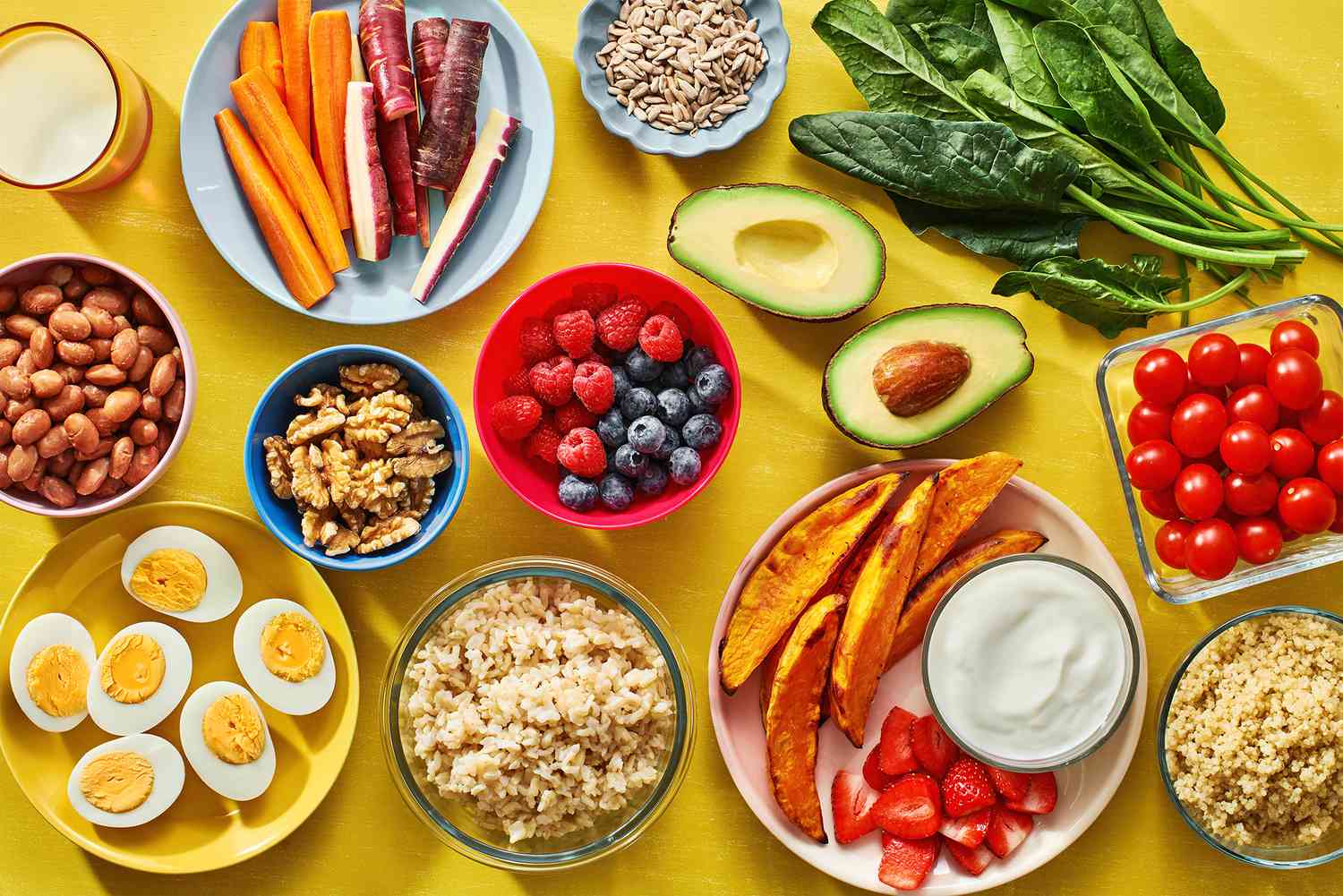
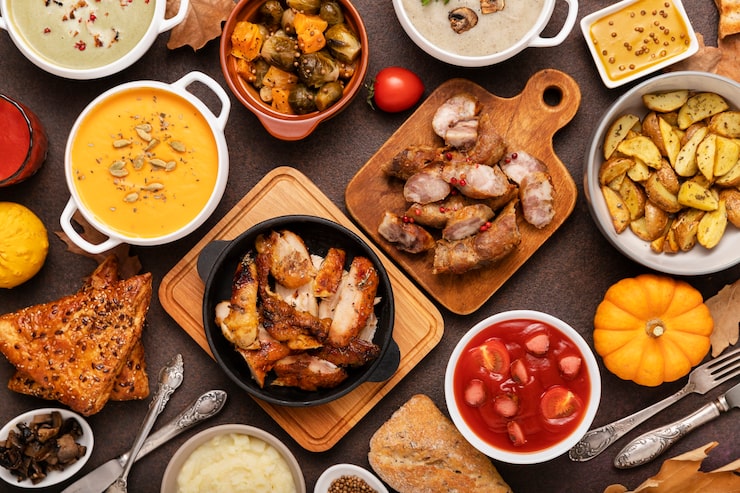
Clean eating trends have trained eyes to scan for “fresh” visual shorthand: crisp greens, vibrant fruit, whole grains, and lean proteins. When packaging or ads feature these elements, the product is instinctively coded as nutritious, even before the nutrition panel is read.
Active backgrounds—joggers on a trail, yoga mats at sunrise—further reinforce the promise of vitality. By linking food to energizing lifestyles, marketers transform ordinary items into partners of personal well-being.
The Role of Social Media
The Role of Social Media
Platforms built for sharing have turned meals into moments worth broadcasting. A well-framed brunch shot can travel worldwide in minutes, shaping cravings and restaurant waitlists overnight. Users trust peer-generated content more than brand copy, so everyday diners have become powerful tastemakers.
When creators tag a snack or reveal a quick recipe, their followers often replicate the experience, creating ripple effects that no traditional campaign could buy. Consistent color palettes, signature plating, or a memorable hashtag can anchor a product in collective memory after just a few appearances.
The Psychological Mechanisms at Play
The Psychological Mechanisms at Play
Repeated exposure to the same food image breeds familiarity, and familiarity breeds preference. Over time, a once-neutral snack can feel like an old friend simply because shoppers have seen it countless times while scrolling or strolling aisles.
Positive visuals also cast a halo over other qualities. A beautifully styled salad may be judged tastier, healthier, and higher quality—even without additional evidence—because the eye has already awarded it high marks.
Conclusion
From supermarket shelves to smartphone screens, imagery quietly guides what consumers notice, crave, and ultimately carry home. Visual appeal, perceived authenticity, health cues, and social proof converge to shape decisions in seconds. Recognizing these levers allows brands to communicate more effectively while respecting the intelligence of their audience.
With great influence comes responsibility. Striking a balance between inspiration and accuracy ensures that appetites are excited without setting expectations that reality cannot meet.
Recommendations and Future Research
To deepen insight into food imagery and its effects, the following avenues deserve attention:
1. Track how consistent exposure to specific visuals influences repeat purchases over multiple years.
2. Compare how cultural backgrounds alter the reading of color, portion size, and styling cues across regions.
3. Establish industry guidelines that distinguish enhancement from exaggeration, protecting consumer trust while still celebrating creativity.
Continued exploration of these questions will help marketers craft imagery that is not only persuasive but also transparent, fostering healthier relationships between people and the foods they choose.
References
Author, A. A. (Year). Title of article. Journal Name, Volume(Issue), pages.
Author, B. B. (Year). Title of book. Publisher.
Author, C. C. (Year). Report title. Organization.
Author, D. D. (Year). Title of study. Academic Journal, Volume(Issue), pages.
Author, E. E. (Year). Article on exposure effects. Journal Title, Volume(Issue), pages.