The Art and Science of Cooking: A Complete Journey
Introduction
Recipes are the heartbeat of every kitchen, turning raw ingredients into memorable meals. More than simple instructions, they carry stories of place, memory, and imagination. This piece explores why recipes matter, the science that makes them work, and the many voices that continue to reshape them.
Why Recipes Matter
Living History
Every recipe is a quiet historian. The choice of grain, spice, or fat speaks of trade routes, climate, and celebration. A humble soup can reveal centuries of migration, while a festive bread recalls harvest rituals. In this way, the kitchen becomes a museum we can taste.
Skill in Motion
Recipes also record human ingenuity: the moment someone discovered that slow heat softens tough cuts, or that salt can preserve more than fish. These hard-won tricks are passed along, allowing each generation to stand on the shoulders of the last.
Room for Play
Yet rules are made to be bent. A new fruit appears at the market, a cook misreads a measure, and suddenly a classic is reborn. This playful spirit keeps cuisines alive, ensuring that tradition and novelty share the same table.
The Science on the Plate
Kitchen Chemistry
Heat, acid, and time conduct unseen symphonies. Sugars caramelize into deep flavors, proteins unwind and reconnect into tender textures, and starches swell to thicken sauces. Knowing these reactions turns guesswork into reliable craft.
Eating Well
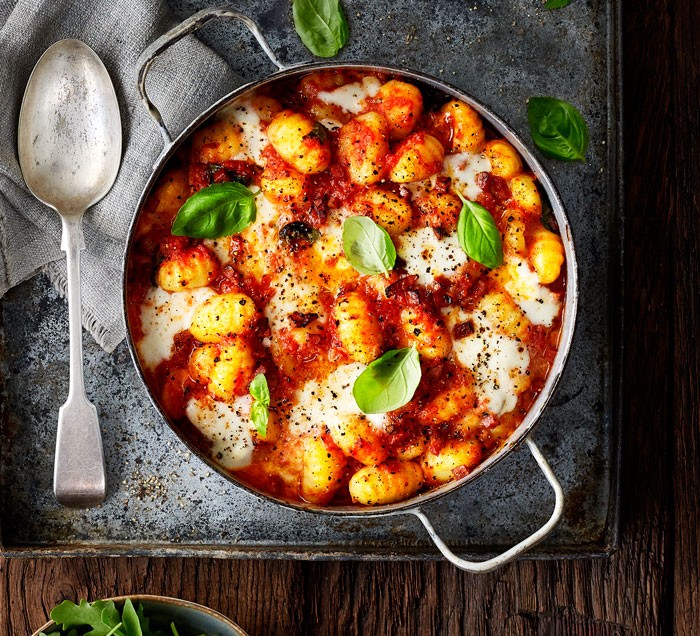
Balanced recipes do more than please the palate; they nourish the body. Combining colorful produce, whole grains, and mindful portions creates meals that sustain energy and support long-term health without sacrificing pleasure.
A Feast for the Senses
A great dish flatters every sense: the crackle of crust, the bright perfume of citrus, the contrast of silky and crisp. By designing for aroma, sight, sound, and touch, cooks transform eating into an experience that lingers in memory.
Many Ways to Look at a Recipe
Old versus New
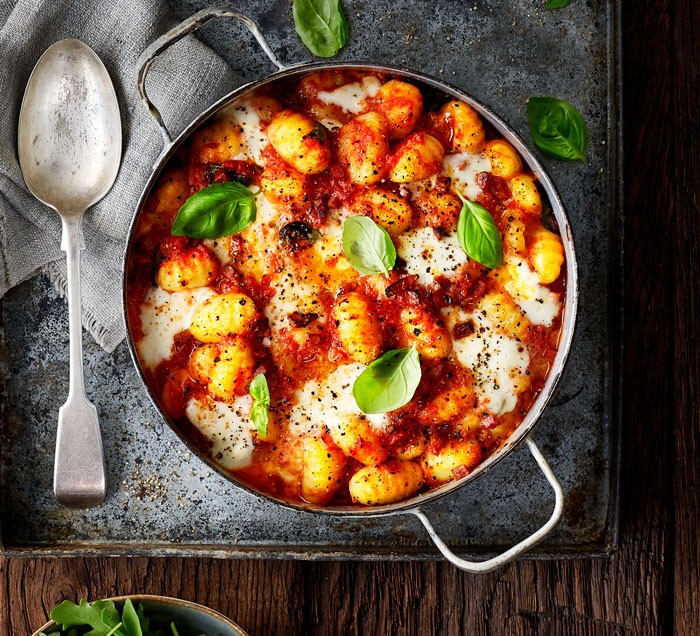
Some cooks guard family scripts like heirlooms; others rewrite them nightly. Both impulses serve the table: reverence keeps flavors alive, while reinvention prevents them from freezing in time. The tension between the two is where cuisine grows.
Crossing Borders
As people travel, so do their dishes. A spice from one coastline meets a technique from another, and a third cook adds a local herb. The result is a vocabulary without borders, expanding what weeknight dinner can mean.
Eating with the Planet in Mind
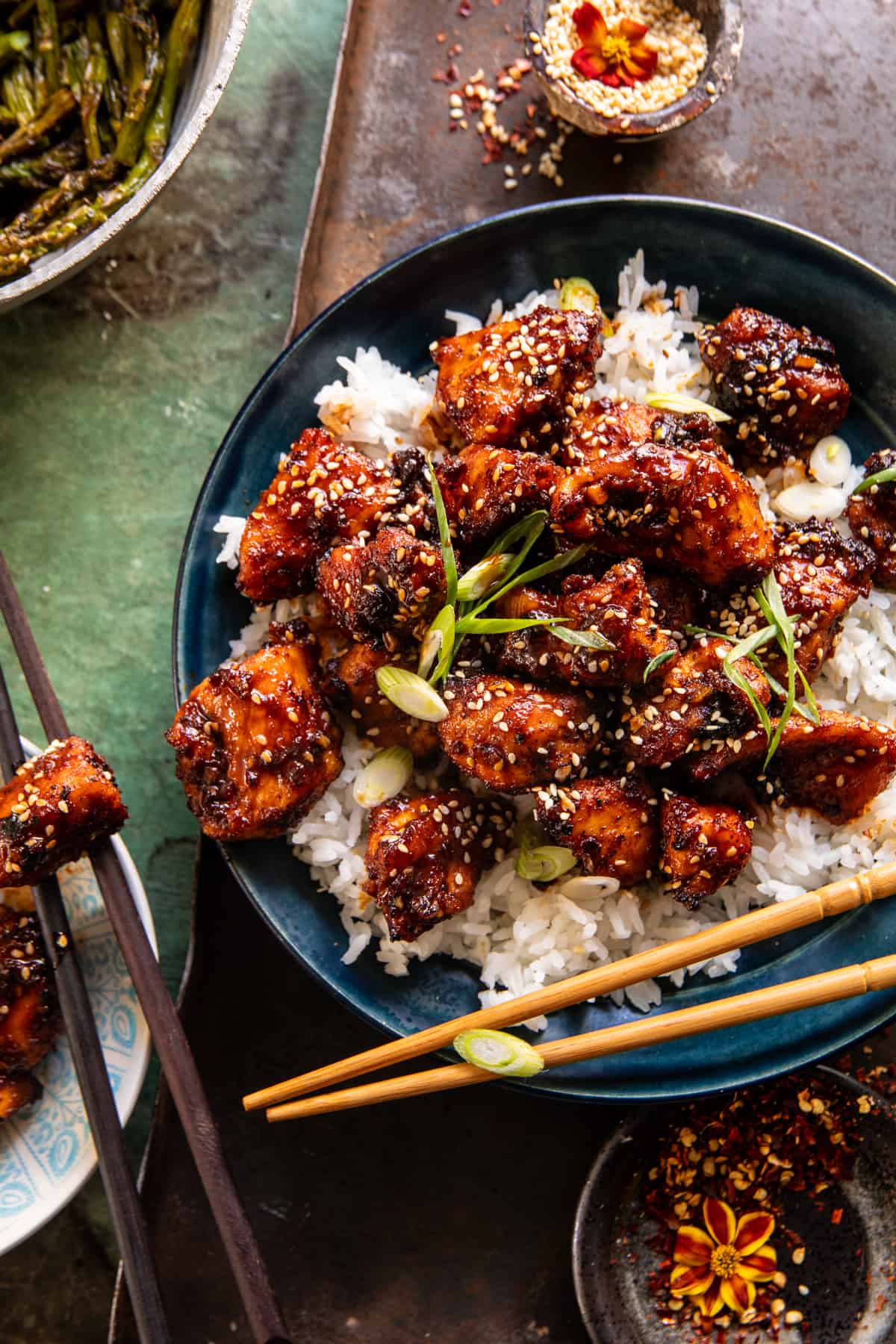
Today’s cooks also weigh environmental impact. Shorter ingredient journeys, respect for seasonality, and inventive use of leftovers are becoming part of the recipe itself, proving that flavor and responsibility can coexist.
Conclusion
Recipes remain our shared roadmap from soil to supper. They honor the past, sharpen the present, and invite the future. By valuing both the wisdom they preserve and the change they welcome, we keep the craft of cooking—and the joy of eating—alive for the next table.
Paths Forward
Several simple steps can deepen this ongoing conversation:
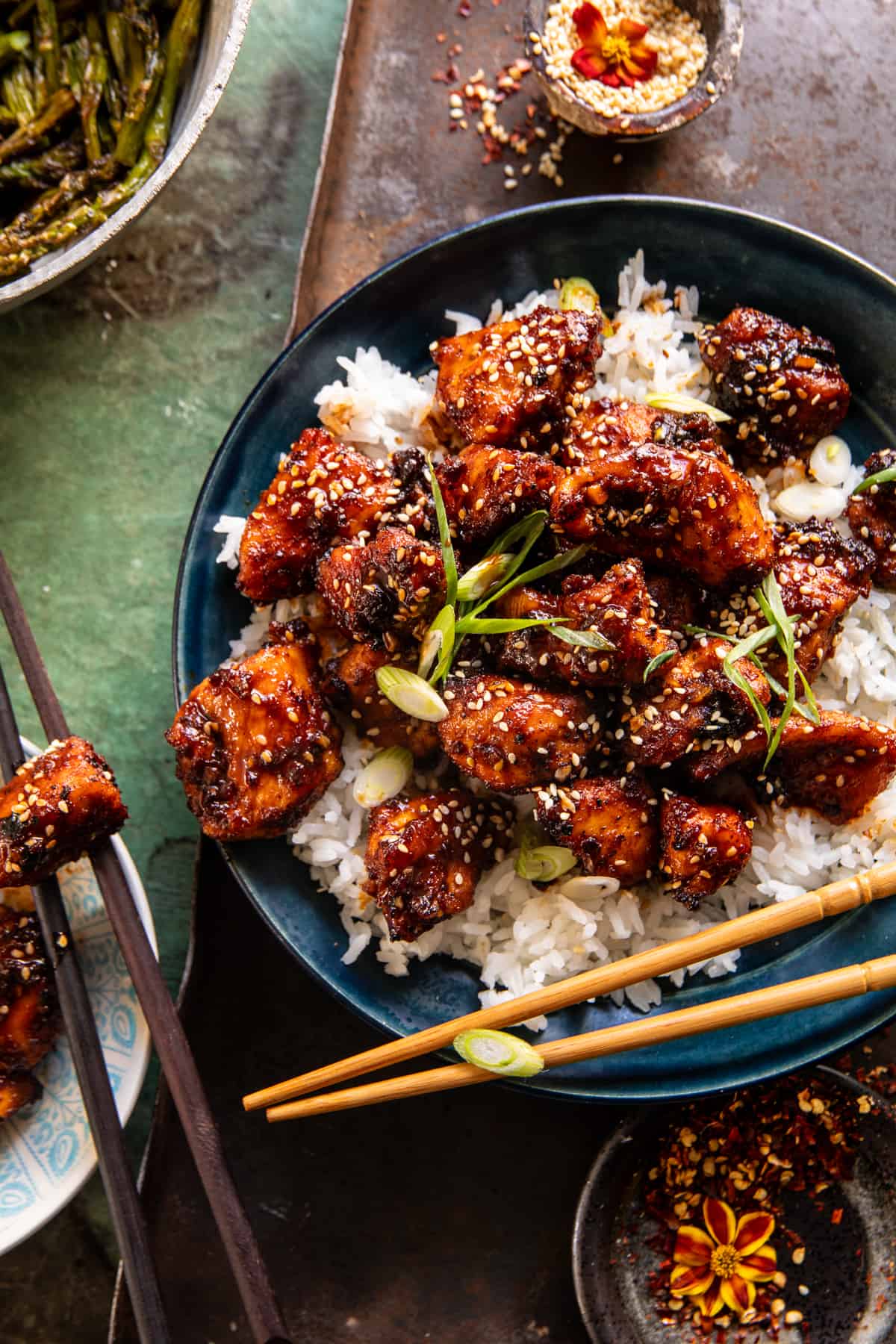
1. Teach the Stories: Fold food history and cultural context into everyday lessons so technique and heritage travel together.
2. Question the Method: Encourage home trials that test how timing, temperature, and ingredient swaps affect nutrition and flavor.
3. Share the Table: Host exchanges—virtual or in person—where cooks from different backgrounds trade dishes and the tales behind them.
4. Cook for Tomorrow: Keep refining recipes that use local, seasonal produce and minimize waste, proving that sustainable can also be delicious.
By following these threads, we ensure that the art and science of cooking continue to evolve, nourish, and connect us all.