

Title: How Meal Kits Are Redefining Everyday Cooking
Introduction
Over the past decade, the way people approach dinner has shifted dramatically, thanks to the surge of doorstep groceries and recipe-in-a-box solutions. One standout model delivers pre-measured ingredients and step-by-step cards that turn even novices into confident home cooks. This piece looks at how such services are quietly redesigning the modern kitchen, steering taste preferences, shopping habits, and the very rhythm of weeknight meals.
The Rise of Meal Kits
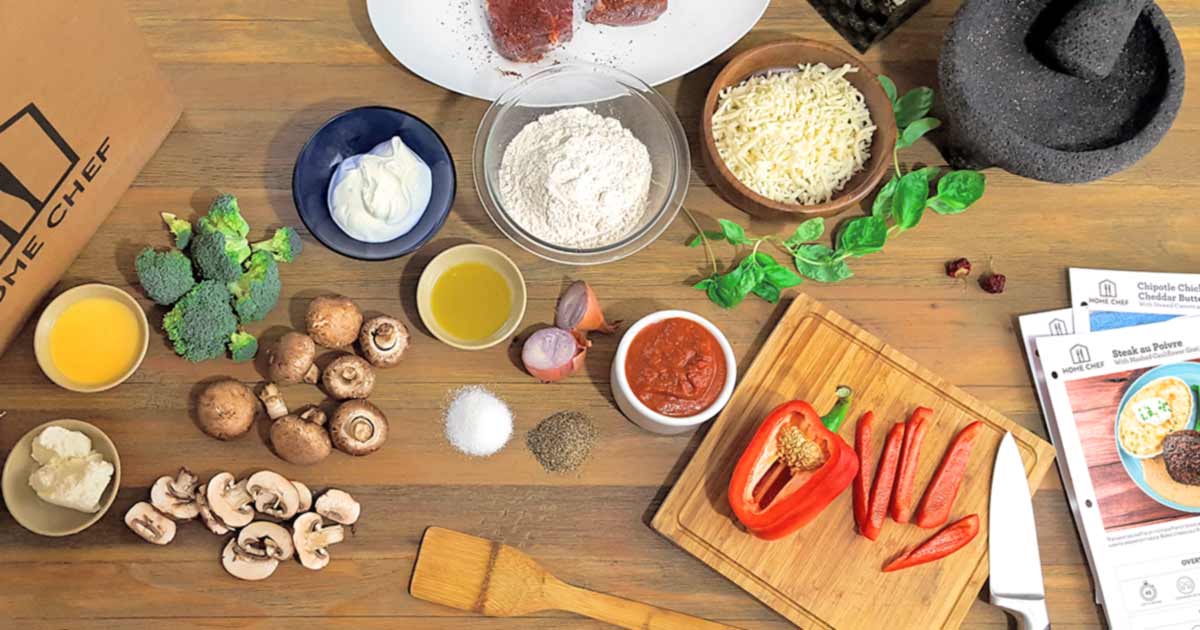
Since their debut, subscription-based cooking boxes have attracted millions by promising market-fresh produce without the supermarket queue. Colorful recipe cards, flexible dietary filters, and chilled, eco-friendly packaging have made the format especially appealing to households juggling work, parenting, and social calendars. A few taps on a phone replace the traditional grocery list, and the weekly menu arrives like clockwork.
Shaping Culinary Trends
By rotating dishes inspired by global cuisines, these kits invite eaters to try Korean gochujang or Moroccan ras el hanout long before those spices appear in neighborhood pantries. Exposure to new flavor profiles encourages home cooks to recreate similar meals on their own, gradually widening the nation’s collective palate. The focus on crisp vegetables and responsibly sourced proteins also reinforces the idea that taste and wholesomeness can coexist on the same plate.
Many subscribers report that cooking with measured, farm-fresh ingredients heightens their awareness of quality, prompting them to shop more selectively even when they skip the box. In effect, the service doubles as a weekly tutorial on ingredient seasonality and proper portion sizes.
Influencing Consumer Behavior
Convenience remains the biggest hook: no list-making, no impulse buys, and minimal cleanup. For people who once relied on takeout, the predictable 30-minute timeline makes homemade dinner feel achievable on busy Tuesdays. Over time, the habit sticks; stoves that used to stay cold now simmer several nights a week.
Beyond the plate, interactive livestreams and recipe forums foster a friendly community where home chefs trade plating photos and swap gluten-free hacks. This digital camaraderie keeps enthusiasm high and encourages continuous learning, turning solitary cooking into a shared pastime.
Reshaping the Traditional Cooking Experience
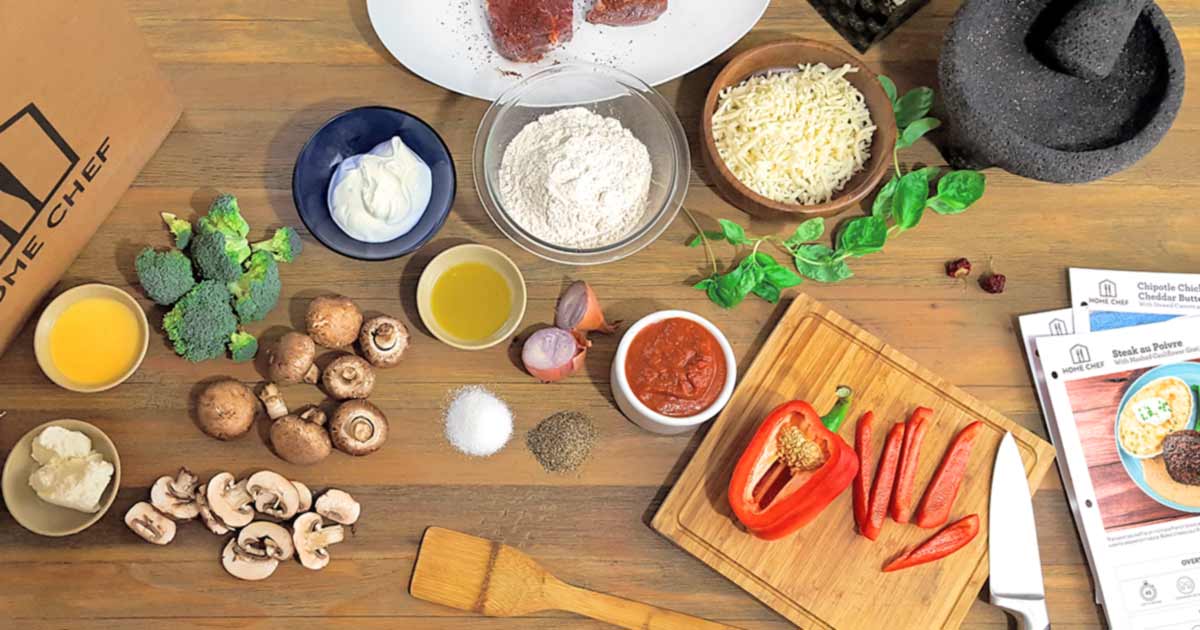
Pre-portioned parsley and single-use miso sachets remove guesswork, cutting both prep time and the perennial crisper-drawer waste. Freed from measuring and chopping excess, cooks gain extra minutes to sit with family or experiment with presentation. The streamlined workflow also invites kids or roommates to join without creating chaos.
Environmentally, tighter supply chains mean fewer surplus vegetables rejected for cosmetic quirks, and insulated liners increasingly use recycled denim or sheep’s wool, softening the ecological footprint of convenience.
Conclusion
Meal kits have nudged the kitchen from weekend hobby territory into an everyday, low-stress affair. By blending culinary curiosity with logistical simplicity, they help households eat better, waste less, and connect more—both offline and online. As technology and sustainability evolve, expect these boxes to keep refining what “home cooking” means in the years ahead.
Their popularity signals a broader truth: when innovation meets genuine need, even the oldest room in the house can learn fresh tricks.


