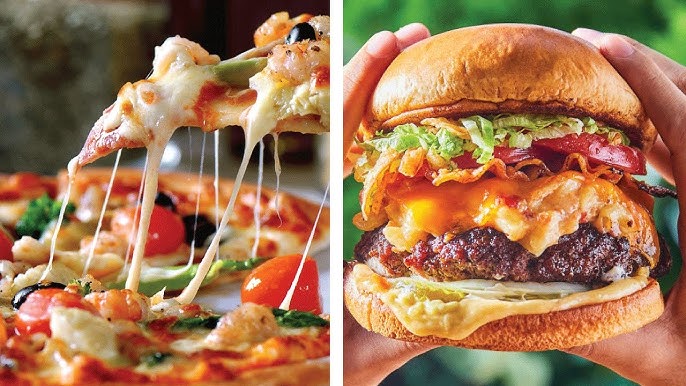
The Impact of Food Videos on Modern Society
Introduction
Social media has transformed how we discover and enjoy food content. Short clips that demonstrate recipes, review eateries, or celebrate ingredients now attract millions of viewers every day. This piece examines how these videos shape what we cook, what we buy, and how the food sector responds.

The Influence of Food Videos on Culinary Trends
Viral clips act as trendsetters, introducing home cooks to unfamiliar spices, techniques, and global dishes. When a recipe circulates widely, supermarkets often notice a spike in demand for the featured items. Plant-forward meals, once niche, gained momentum after countless colorful bowl videos showed how satisfying they can be. Likewise, fusion ideas—like tacos filled with Korean-style fillings—move from screens to neighborhood menus within weeks.
Food Videos and Consumer Behavior
Watching a dish come together in seconds can trigger immediate cravings. Researchers have found that viewers who see a appetizing clip are more likely to order or prepare that same meal within days. Brands capitalize on this impulse by supplying creators with new sauces, snacks, or kitchen gadgets. When the product appears authentic in the video, sales typically rise, especially for specialty items that shoppers might otherwise overlook.
The Role of Food Videos in the Food Industry

Restaurants and start-ups treat short-form content as free advertising. A single well-shot reel can draw lines around the block or crash an online spice shop. By monitoring which recipes gain traction, companies spot emerging preferences—fermented chili flakes, udon sandwiches, or low-sugar desserts—and adjust menus or product lines before competitors catch on. The feedback loop is instant, inexpensive, and global.
The Challenges and Ethical Considerations of Food Videos
Not every clip tells the whole story. Some exaggerate simplicity, hide excessive salt or sugar, or skip key safety steps. Spectacular “giant” foods can also encourage over-ordering and waste. Creators therefore carry a responsibility to test recipes, disclose sponsorships, and remind audiences to store leftovers properly. Viewers, in turn, can pause before tossing half the pantry into an impractical dish.
Conclusion
Food videos have become a powerful cultural force, steering appetites, ingredient sales, and restaurant concepts at record speed. When produced thoughtfully, they democratize cooking knowledge and celebrate culinary diversity. Continued attention to accuracy, health, and sustainability will ensure this visual buffet remains enjoyable—and responsible—for years to come.