


Title: Cooking with What You Have: A Friendly Guide to Ingredient-Driven Recipe Search
Introduction:
Searching for dinner ideas has never been easier. Instead of leafing through heavy cookbooks or opening dozens of browser tabs, more home cooks now simply type what’s on hand into a search bar and watch tailored suggestions appear. This ingredient-first approach saves time, sparks creativity, and helps everyone make the most of what’s already in the kitchen. Below, we look at how the idea works, why people love it, where it still stumbles, and what might come next.
Understanding Ingredient-Driven Recipe Search
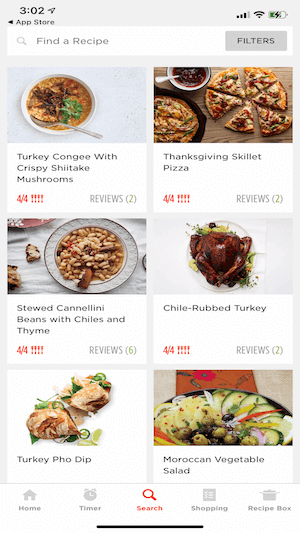
At its core, the method is simple: list the items you have—say, chicken, spinach, and a lonely sweet potato—and the tool returns dishes that use those items. No extra shopping required. Filters for cook time, cuisine, or dietary style can narrow things further, turning a random assortment of groceries into a clear menu.
Benefits of Ingredient-Driven Recipe Search
1. Speed: Skip the endless scroll; relevant meals rise to the top in seconds.
2. Less waste: Using what’s on hand keeps food out of the bin and money in your pocket.
3. Personal touch: Allergies, preferences, or weekly goals can shape the results so every suggestion feels doable.
4. Inspiration: An odd spice or forgotten grain can become the star of a brand-new favorite.
Challenges and Limitations
1. Narrow catalogs: Smaller databases may return only a handful of ideas.
2. Quality swings: Algorithms and crowd-sourced recipes sometimes deliver instructions that need a second glance.
3. Nutrition gaps: Quick matches don’t always show full calorie or macro breakdowns.
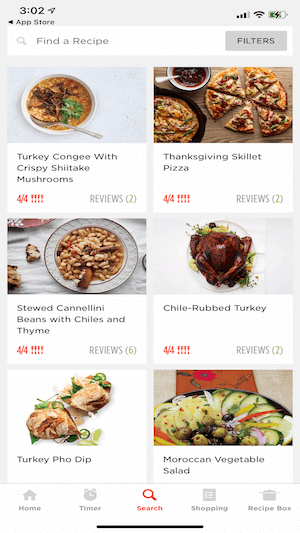
4. Mixed interfaces: A clunky layout can turn a five-minute task into a tiny headache.
Technological Advancements in Ingredient-Driven Search
1. Smarter AI: Newer models learn from user feedback, refining suggestions each time you cook.
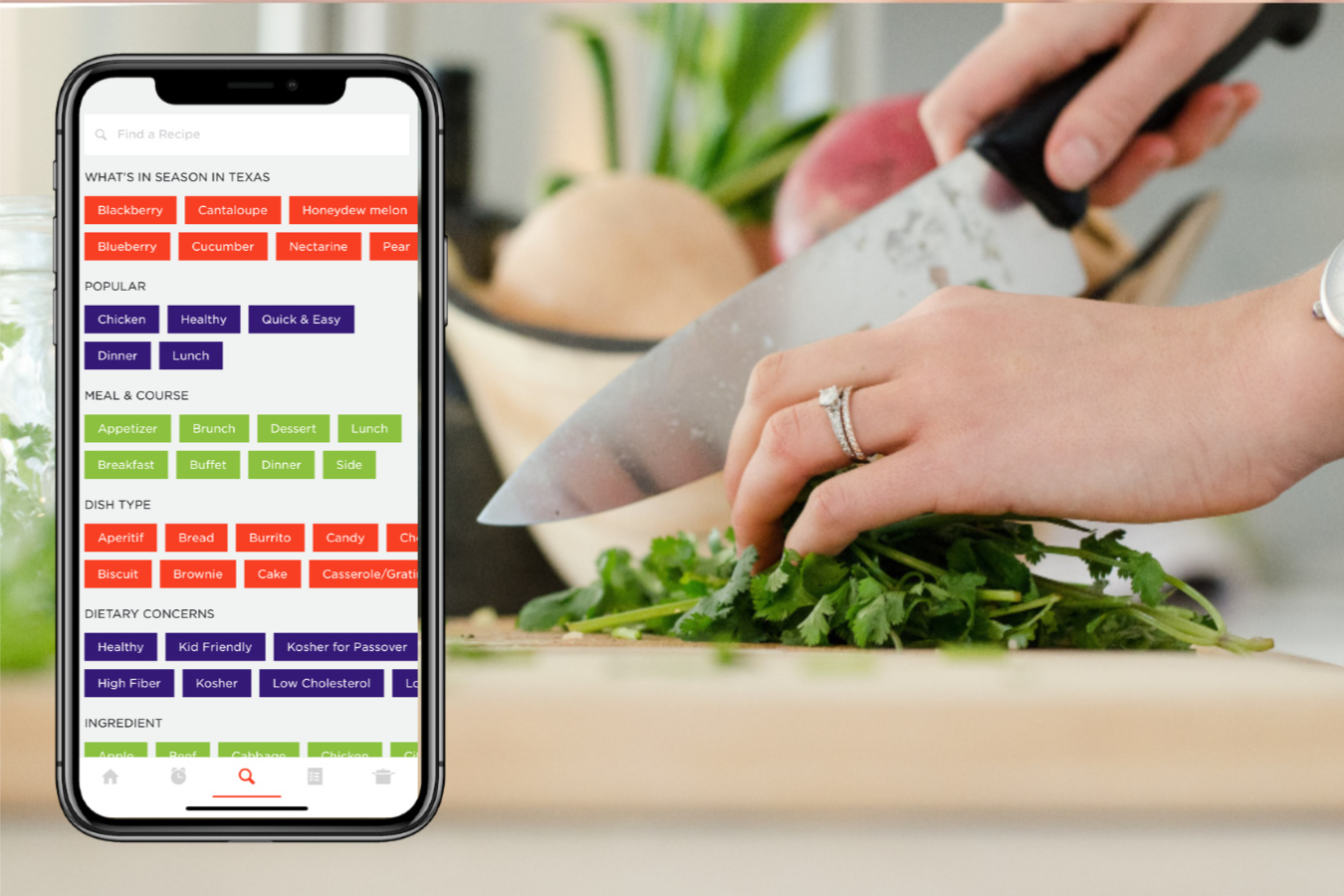
2. Mobile ease: Phones let you build a list while staring into the fridge, then carry the steps right to the stove.
3. Grocery sync: One-click buttons can add missing items to an online basket, streamlining the weekly shop.
Case Studies and Success Stories
1. A major food-media site reports that its “search by ingredient” tool now drives a large share of overall traffic, proving everyday cooks value the shortcut.
2. A popular meal-discovery app pairs machine learning with taste profiles, sending users a personalized feed that keeps them coming back.
3. A video-first recipe channel credits its ingredient filter for higher engagement, as viewers can jump straight from clip to shopping list.
Future Implications and Recommendations
1. Sharper algorithms: Continuous learning loops will turn yesterday’s misses into tomorrow’s spot-on picks.
2. Broader teamwork: Tighter links between search tools, planners, and local stores can close the gap between inspiration and dinner.
3. Bigger pantries online: Expanding databases to cover global staples and specialty items invites more cooks to the table.
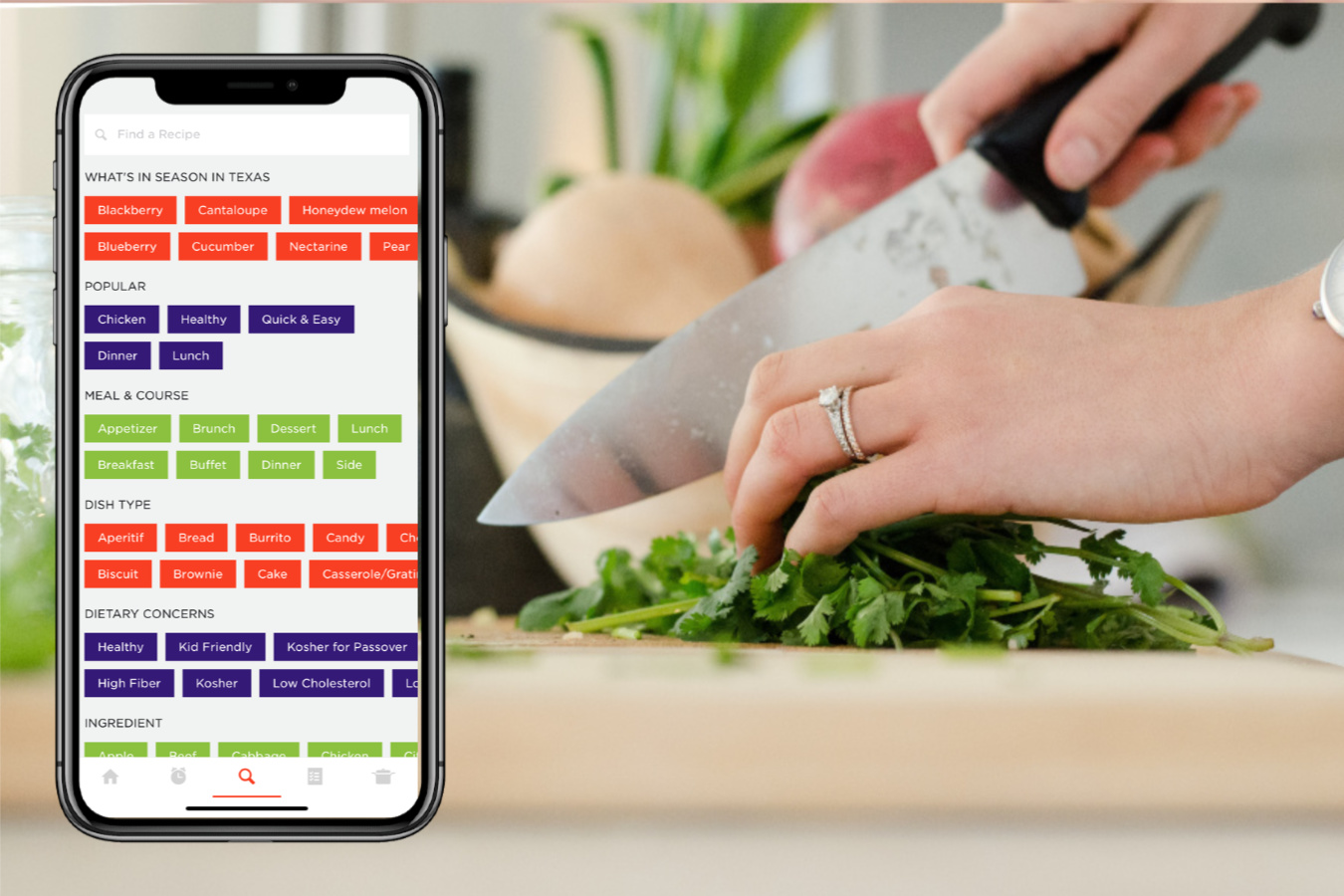
4. Smarter cooks: Quick tutorials and tips inside the same interface can boost kitchen confidence and cut food waste even further.
Conclusion:
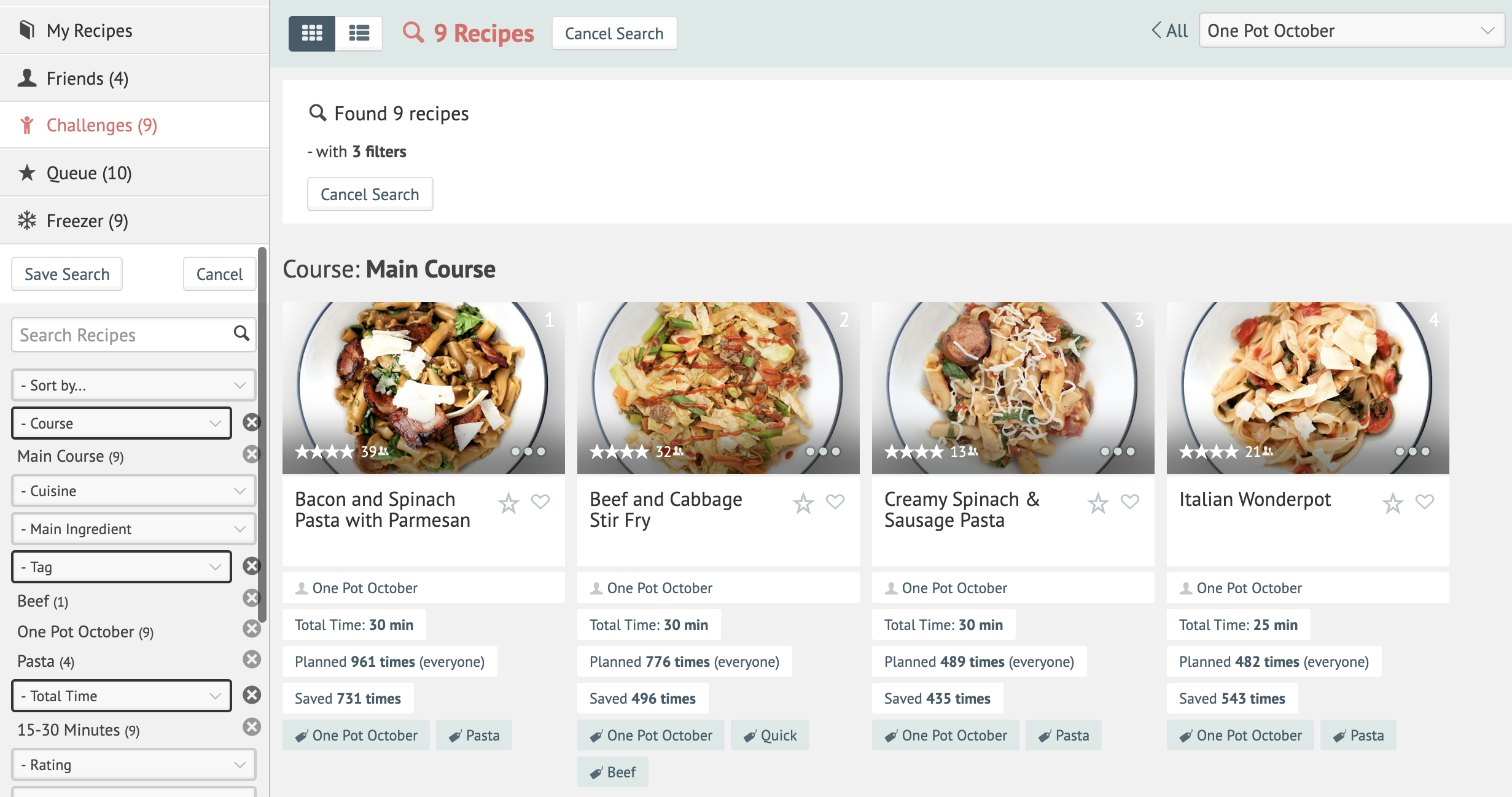
Ingredient-driven recipe search has quietly become the weeknight hero for millions. It saves time, trims waste, and turns everyday groceries into surprising new meals. As the tech grows smarter and the catalogs richer, the simple question “What can I make with this?” will keep inspiring tastier, more sustainable cooking around the world.

