

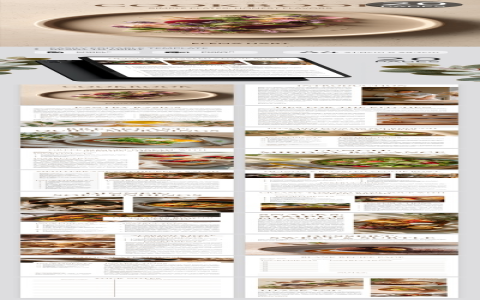
Title: The Art of Cooking: Unveiling the Significance of Recipe Books
Introduction:
Cooking has always been an integral part of human civilization, and over the years, it has evolved into an art form. One of the most crucial tools in the culinary world is the recipe book. This article aims to explore the significance of recipe books, their evolution, and their impact on the culinary industry. We will delve into various aspects, including the history of recipe books, their role in culinary education, and their influence on modern cooking trends.
History of Recipe Books
Recipe books have a rich history that dates back to ancient civilizations. Early collections of dishes appeared in classical antiquity, offering guidance on meats, vegetables, and desserts. Over centuries, these compilations absorbed new ingredients, techniques, and cultural influences.
During the medieval period, formal instruction in cookery grew, and handwritten manuals served as teaching aids. These early volumes combined detailed directions with illustrations, forming treasured references for apprentices.
By the eighteenth and nineteenth centuries, printed guides reached a wider audience. Improved presses allowed affordable production, while celebrated cooks shared their knowledge through widely read volumes that brought professional finesse into home kitchens.
Role of Recipe Books in Culinary Education
Recipe books play a crucial role in culinary education. They serve as a guide for students, providing them with the knowledge and skills necessary to become proficient chefs. Here are a few reasons why recipe books are essential in culinary education:
1. Standardization of Recipes: Recipe books provide standardized recipes, ensuring that chefs can replicate dishes consistently. This is particularly important in commercial kitchens, where consistency is key to customer satisfaction.
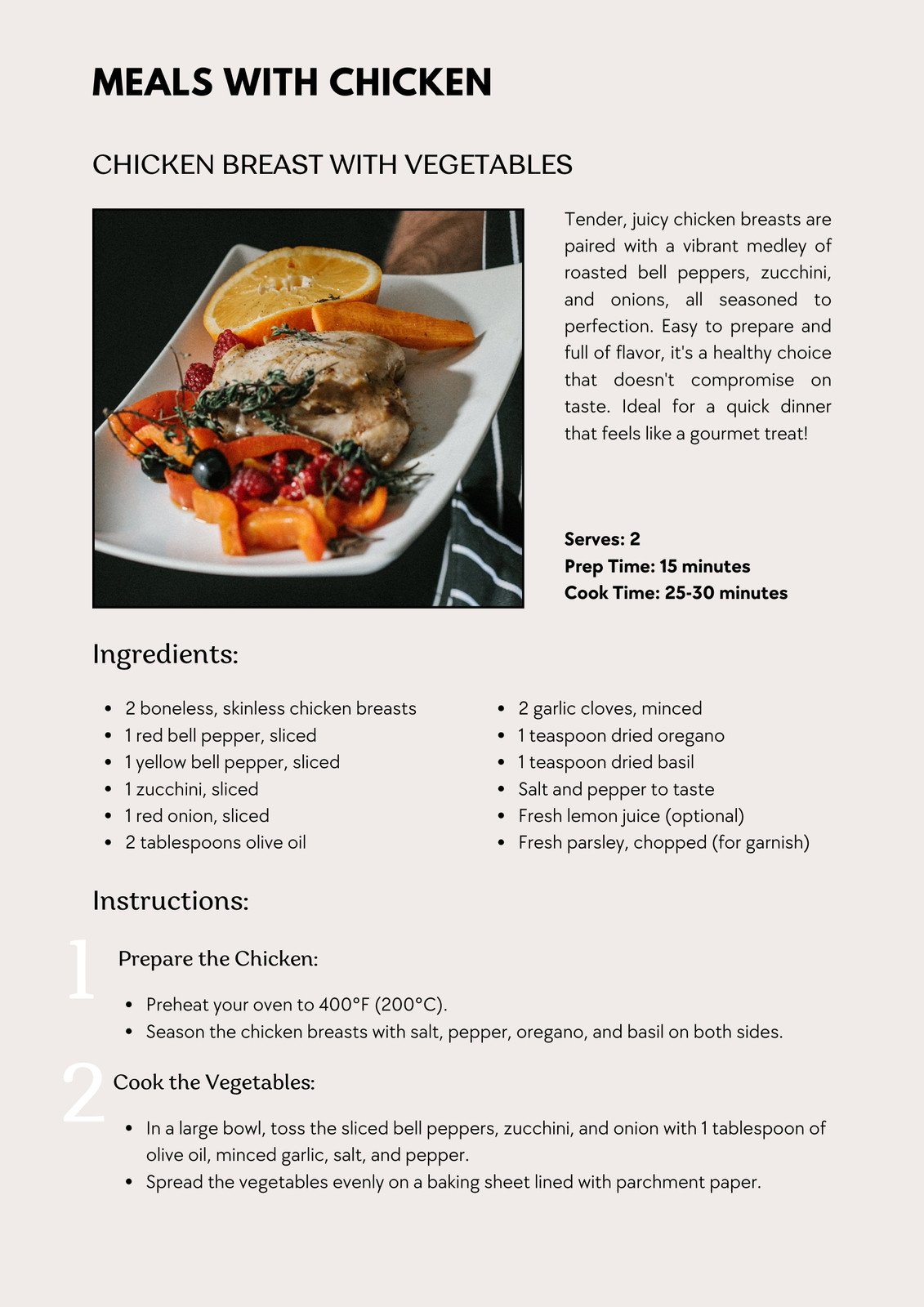
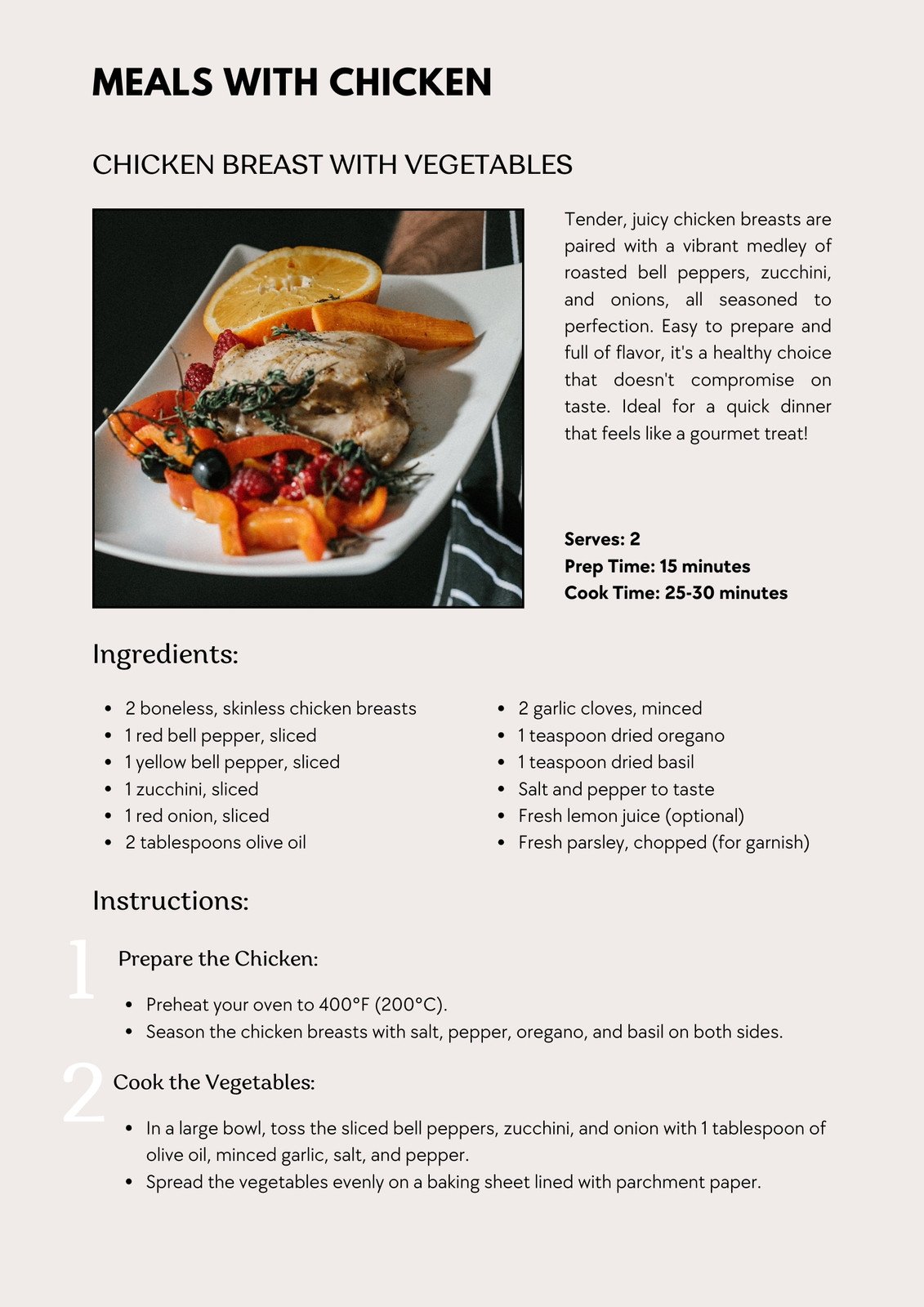
2. Technique and Methodology: Recipe books often include detailed instructions on cooking techniques and methodologies. This helps students understand the science behind cooking, enabling them to develop their skills further.
3. Cultural Diversity: Recipe books offer a wide range of recipes from various cultures, allowing students to explore and appreciate different cuisines. This exposure fosters creativity and innovation in the culinary world.
4. Recipe Adaptation: Chefs often need to adapt recipes to suit their preferences or the availability of ingredients. Recipe books provide a foundation for making these adaptations, ensuring that the end result remains delicious.
Influence of Recipe Books on Modern Cooking Trends
Recipe books have significantly influenced modern cooking trends. Here are a few examples:
1. Globalization of Cuisine: Recipe books have played a vital role in the globalization of cuisine. Chefs and home cooks alike have embraced recipes from around the world, leading to a diverse and vibrant culinary landscape.
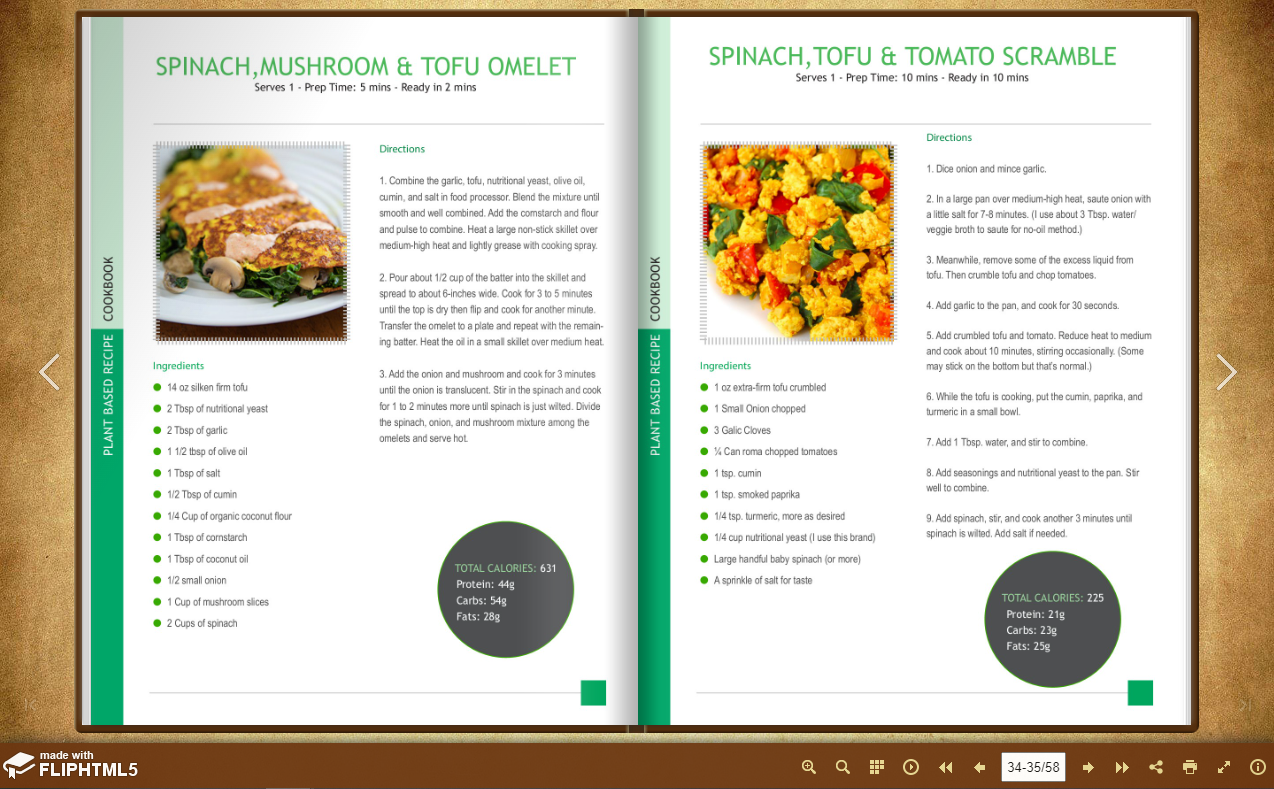
2. Health and Wellness: With the increasing awareness of health and wellness, recipe books have evolved to include more nutritious and wholesome recipes. This has led to a surge in plant-based and gluten-free cooking trends.
3. Technological Integration: Modern recipe books often incorporate technology, such as QR codes and interactive features, to enhance the user experience. This integration has made recipe books more accessible and engaging.
4. Social Media and Influencers: Social media platforms have given rise to a new generation of recipe books. Influencers and chefs share their recipes online, allowing a wider audience to access and learn from their expertise.
Conclusion
Recipe books have been an essential tool in the culinary world for centuries. They have played a significant role in culinary education, influenced modern cooking trends, and contributed to the globalization of cuisine. As the culinary industry continues to evolve, recipe books will undoubtedly remain a vital resource for chefs, home cooks, and culinary enthusiasts alike.
In conclusion, the significance of recipe books cannot be overstated. They serve as a bridge between tradition and innovation, providing a foundation for culinary excellence. As we move forward, it is essential to recognize the value of recipe books and continue to support their development and distribution.
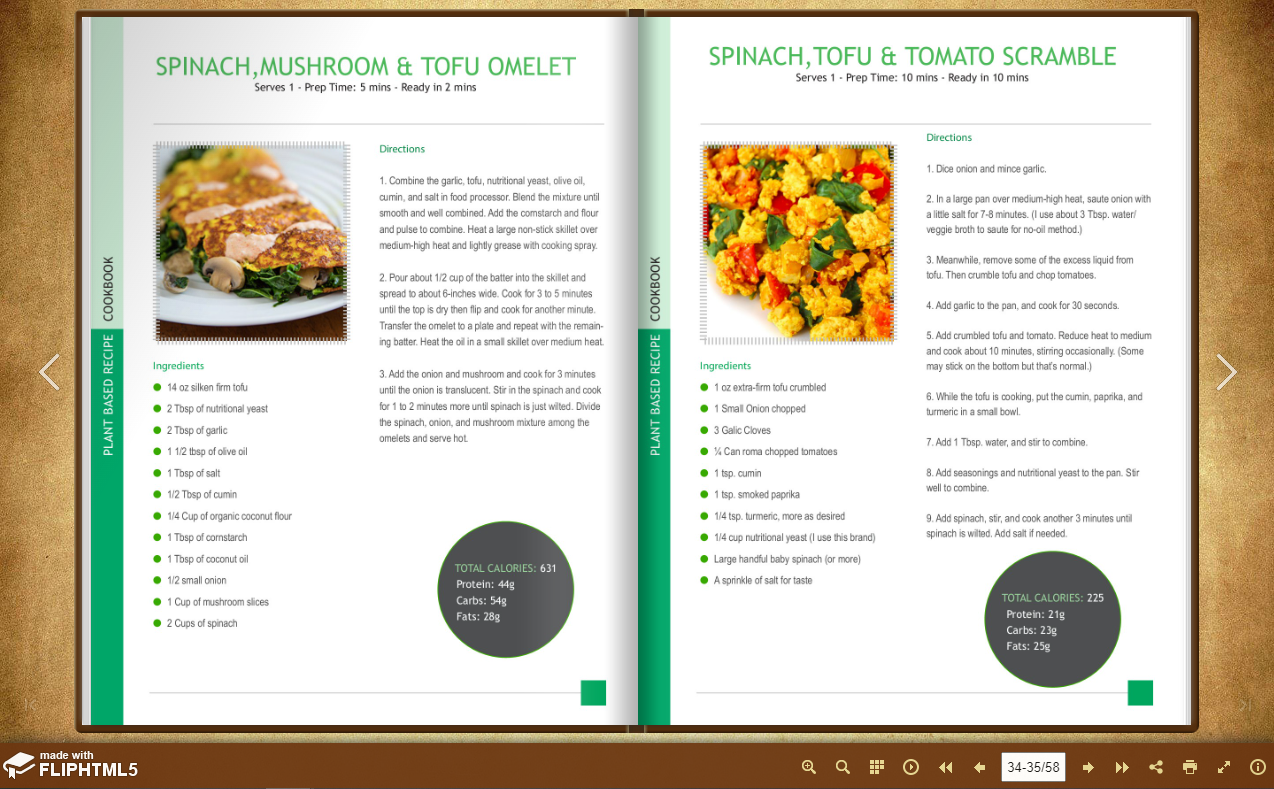
Future research could focus on the impact of digital recipe books on culinary education and the role of artificial intelligence in recipe development. Additionally, exploring the intersection of recipe books and sustainability could provide valuable insights into the future of cooking.


