

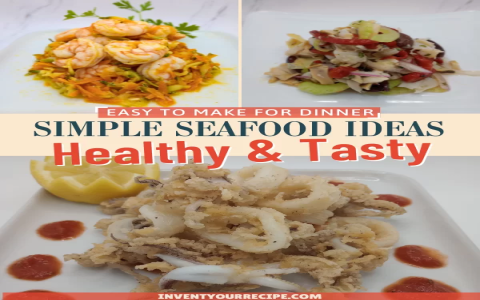
The Art and Science of Crafting Recipes: A Practical Guide
Introduction
Cooking is a universal language that bridges cultures and generations. At its heart, it turns simple raw materials into meals that comfort, nourish, and delight. Central to this transformation is the recipe—a roadmap that guides flavor, texture, and aroma. This guide looks at how recipes are built, why they matter, and how thoughtful tweaks can turn the familiar into something fresh, all while keeping the process approachable for every level of cook.

The Process of Crafting Recipes
Gathering Ingredients
Every dish begins with gathering components that work in harmony. Choose produce that looks vibrant, spices that still carry a scent, and pantry items within their prime. Quality ingredients form the quiet backbone of any successful plate; they set the stage before the stove is even lit.
Preparing Ingredients
Next comes mise en place: washing, trimming, dicing, or soaking as needed. Uniform pieces cook evenly, while brief marinades can coax out extra flavor. Taking time at this stage prevents rushed fixes later and keeps the actual cooking calm and enjoyable.

Cooking Techniques
Heat, time, and motion turn prepped pieces into a cohesive dish. A quick sauté seals in brightness, slow braising builds depth, and steady oven heat develops texture. Learning when to flip, stir, or leave food alone is often the subtle difference between good and memorable.
The Value of Following Recipes
Consistency and Reliability
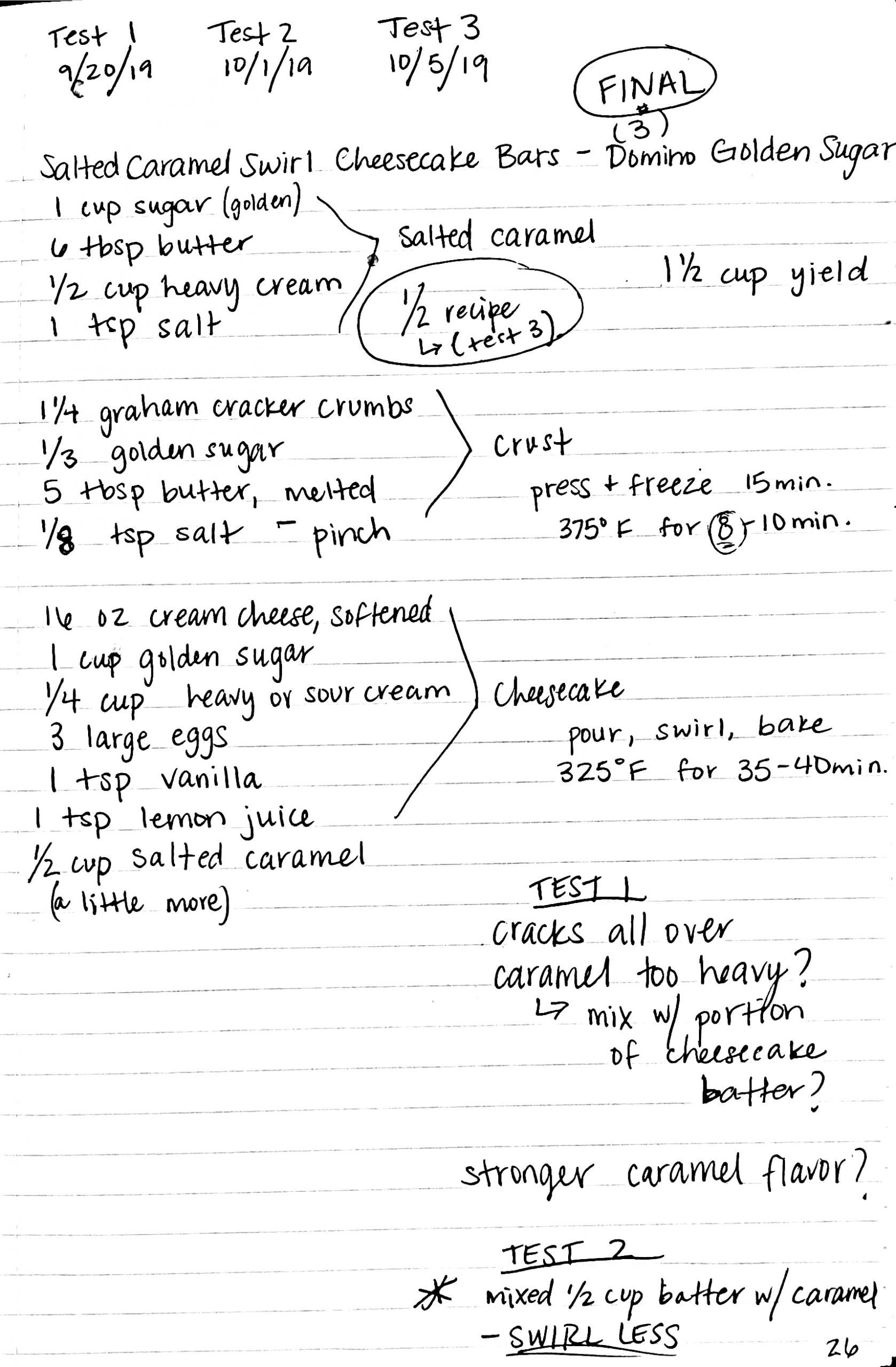
Recipes act as shared reference points, letting cooks recreate the same balanced result on busy weeknights or festive occasions. Measured steps reduce guesswork, making it easier to serve a dish that tastes just as anticipated every time.
Skill Building
Working through a variety of formulas exposes you to new flavor pairings, knife skills, and timing cues. Each completed dish adds a layer of confidence, gradually turning unfamiliar techniques into second nature.
Food Safety
Clear recipes highlight safe handling—keeping proteins chilled, washing boards between tasks, and bringing sauces to the right simmer. These small notes protect both flavor and well-being.
Creative Freedom in Adapting Recipes
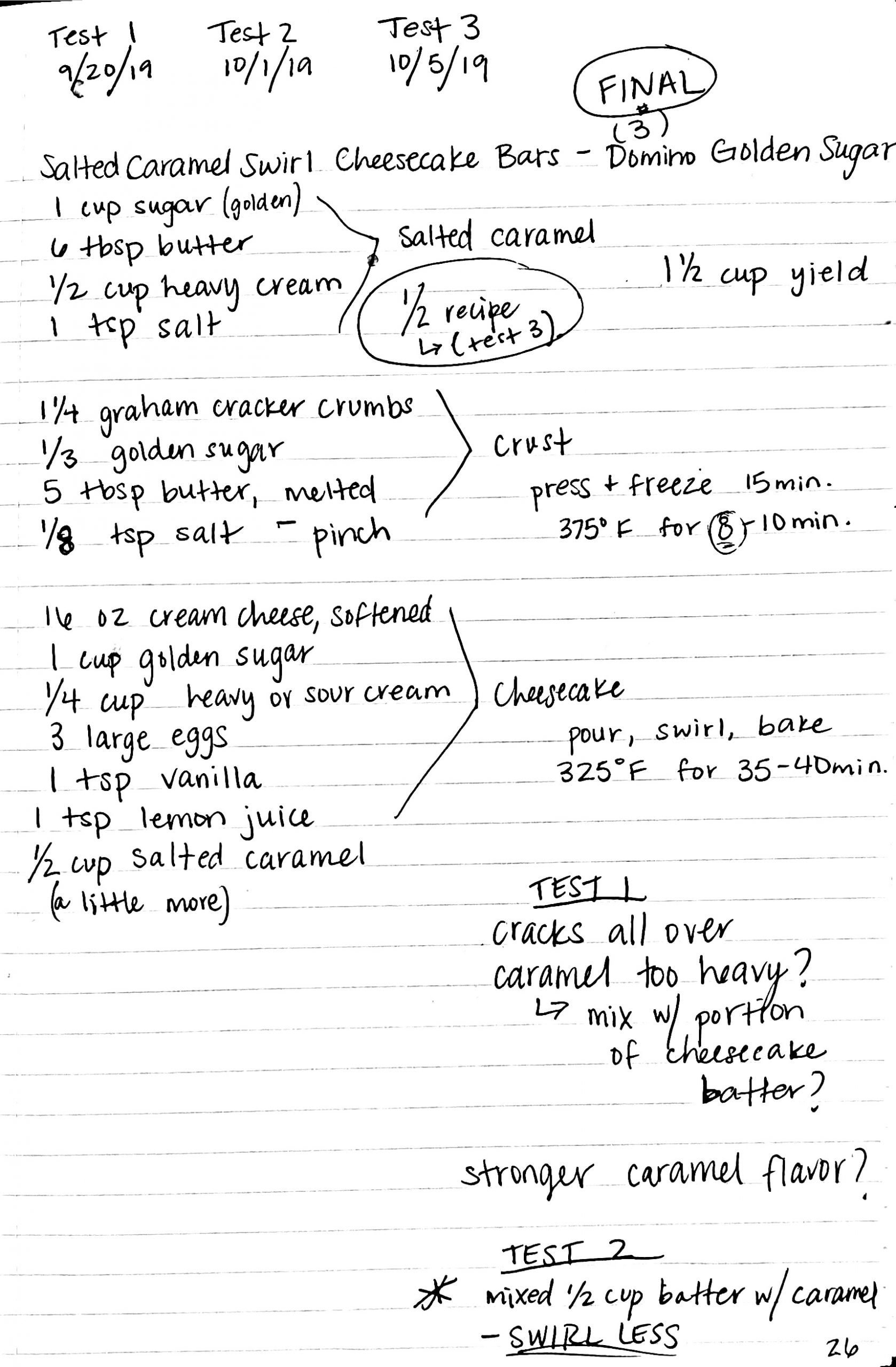
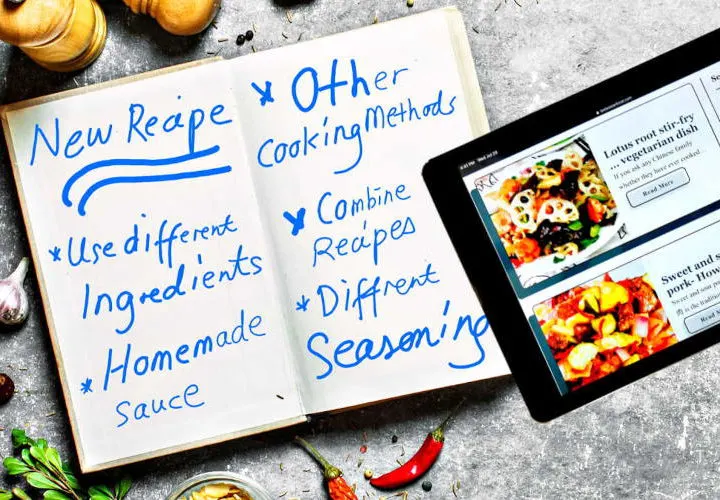
Once the basics feel comfortable, recipes become springboards rather than rules. A few mindful changes can personalize a dish without sacrificing balance.
Know the Foundations
Understanding how acid brightens, fat carries flavor, and salt sharpens perception lets you swap ingredients intelligently. When the underlying chemistry is respected, improvisation rarely flops.
Play with Ingredients
Try grains or legumes in new colors, or fold in seasonal vegetables that arrive at the market. Aim for similar textures and moisture levels so the overall structure remains intact.
Adjust Seasonings
Start with half the suggested spice, taste midway, and build up. A final sprinkle of fresh herbs or a squeeze of citrus can lift the entire profile without extra salt or heavy sauces.
Conclusion
Recipes sit at the intersection of precision and imagination. Rely on them for guidance, then bend them to suit your palate, pantry, and curiosity. Master the method, trust your senses, and the kitchen becomes a space where science supports endless creative possibility.


