

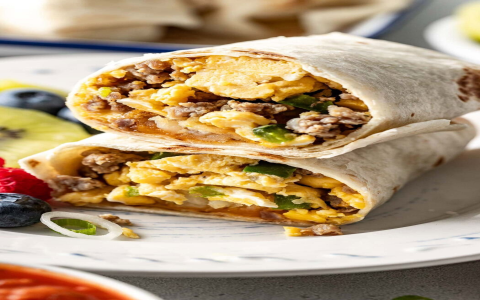
How Food Images Shape the Way We Eat Today
Introduction
Sharing snapshots of what’s on our plate has become as common as the meal itself. These images, posted across social networks, now steer appetites, inspire chefs, and redefine what “going out to eat” feels like. This piece looks at how a simple photo can sway choices, spark new kitchen creativity, and change the very flavor of dining out.

The Rise of Food Photography
Social Feeds and the Power of a Single Image
Platforms built around pictures turned everyday bites into global broadcasts. Instead of just tasting, diners pause, frame, and upload, turning each course into a visual story that travels faster than the aroma leaving the kitchen.
Tastemakers and Their Tables
Popular accounts with large followings highlight artfully arranged dishes, quietly guiding crowds toward colorful Buddha bowls, neon bubble teas, or cloud-soft soufflés. A single post can send curious eaters to the other side of town in search of the same swirl of whipped cream.
The Role of Food Photos in Consumer Behavior
Choosing Where to Eat
Menus are skimmed less than feeds; many guests pick a venue after scrolling through glowing plates online. A vivid shot of molten cheese or shimmering glaze can outweigh convenience or cost in the final decision.

Shaping the Moment Itself
Snapping the “hero” picture has become a pre-dinner ritual. Framing the dish, adjusting the napkin, hunting for daylight by the window—these extra beats stretch anticipation and, for many, add a layer of fun before the first bite.
The Influence of Food Photos on Culinary Trends
Looks That Make the Dish
Because cameras eat first, chefs paint sauces with brushstrokes, perch micro-greens at gravity-defying angles, and serve lattes in color-changing cups. Presentation is no longer the final touch; it is half the recipe.
Photography as a Shared Skill
Waitstaff now tilt plates toward the light, while home cooks invest in mini diffusers and matte boards. Learning to capture steam or stretch cheese has become a hobby that parallels learning to sauté.
The Impact on the Restaurant Industry

Designing for the Lens
Kitchens rewrite plating guides so that every element is recognizable after a filter. Bright edible flowers, slate plates, and overhead skylights are budgeted alongside stoves and spoons.
Marketing Through Imagery
A steady stream of appetizing frames keeps a brand alive between meals. By tagging locations and reposting guests’ shots, restaurants build a living catalog that feels authentic and costs less than traditional ads.
The Ethical Considerations
Chasing the Flawless Frame
The quest for the perfect angle can nudge diners to reorder, rearrange, or even let hot food turn cold—valuing appearance over aroma and warmth. The meal risks becoming a prop rather than a pleasure.
Waste Behind the Lens
Sometimes untouched portions are pushed aside to keep the composition tidy. The brief life of a pretty plate can end in the trash once the shutter clicks, raising questions about purpose and portion size.

Conclusion
Food images have moved from souvenirs to signposts, steering cravings, kitchen craft, and marketing plans. They add excitement and artistry, yet they also tempt us to favor style over sustenance. Diners, chefs, and platforms all share the job of keeping taste, honesty, and sustainability on the table.
Future Directions
Tomorrow’s meals may arrive with interactive filters that let guests preview spice levels in 3-D, or apps that reward finishing a plate as much as photographing it. Whatever the tech, the challenge will stay the same: celebrate the visual without letting the story of flavor fade into the background.


